


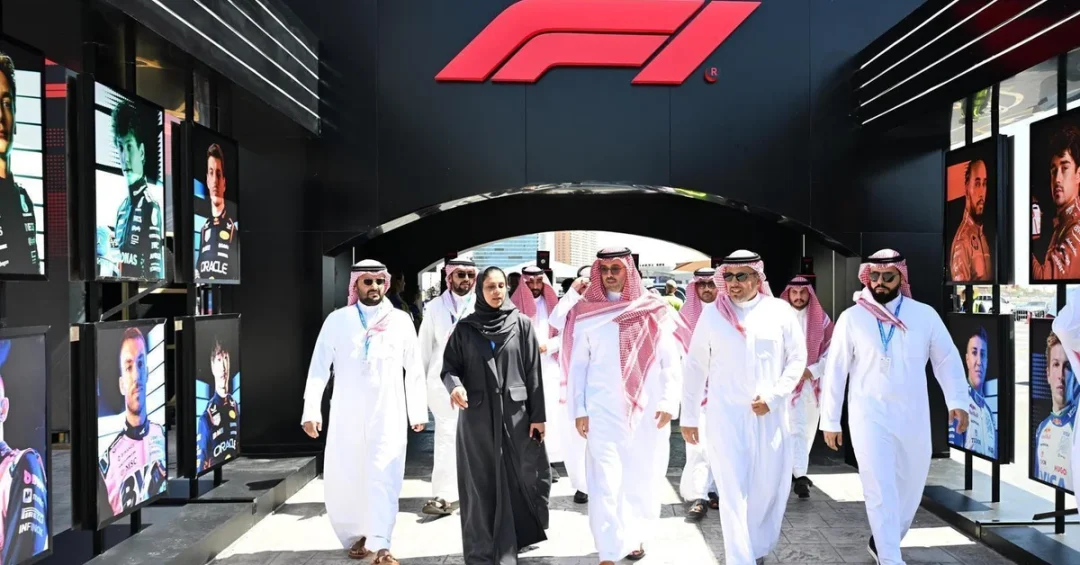
Prince Saud bin Abdullah bin Jalawi, Governor of Jeddah, conducted a comprehensive inspection of the Jeddah Corniche Circuit on Wednesday, April 16, 2025, to verify final preparations for the Formula 1 stc Saudi Arabian Grand Prix. The visit underscores the Kingdom’s meticulous readiness to host one of the most anticipated events on the global motorsport calendar, now in its fifth consecutive year at the Red Sea coastal venue. Accompanied by a high-level delegation of sports and security officials, the Governor reviewed infrastructure, safety protocols, and operational plans, ensuring that the race weekend from April 18 to 20 will meet the highest international standards. This inspection highlights Saudi Arabia’s commitment to excellence in hosting world-class sporting events, a key pillar of Vision 2030.
The Jeddah Corniche Circuit, renowned for its challenging layout and spectacular waterfront setting, has become a fixture in Formula 1 since its debut in 2021. With 27 turns—more than any other track in the championship—it demands precision and skill from drivers, offering thrilling entertainment for fans worldwide. The circuit’s 6.176-kilometer length and three Drag Reduction System (DRS) zones create ample overtaking opportunities, making the Saudi Arabian Grand Prix a highlight of the season. As the Governor’s inspection confirms, every detail has been addressed to ensure a seamless and safe event, reflecting the Kingdom’s growing stature as a premier destination for global sports.
Context and Background
How did Saudi Arabia emerge as a central hub for international motorsport in just a few years? The journey began with the inaugural Saudi Arabian Grand Prix in 2021, held at the Jeddah Corniche Circuit, which was purpose-built to host Formula 1 under the leadership of the Saudi Automobile and Motorcycle Federation (SAMF) and the Ministry of Sport. Since then, the event has grown in prestige, attracting hundreds of thousands of spectators and millions of television viewers globally. The race is part of a broader strategy to diversify the Kingdom’s economy and promote tourism, aligning with Vision 2030’s goals of increasing non-oil revenue and enhancing quality of life.
The circuit itself is a marvel of modern engineering, designed by Hermann Tilke and constructed in record time. Its flowing layout, narrow sections, and proximity to the Red Sea create a unique spectacle, often described as the fastest street circuit in Formula 1. Over the years, it has hosted dramatic races, including the memorable 2021 debut and subsequent battles that have cemented its reputation among drivers and fans. The Saudi Motorsport Company, led by CEO Eng. Mansour Al-Mokbel, has been instrumental in managing the event, ensuring it meets FIA standards and delivers an unforgettable experience.
The Governor’s inspection is part of a rigorous preparation process that involves multiple government entities, including the Ministry of Sport, local security forces, and emergency services. Such thorough oversight guarantees that all logistical, safety, and hospitality aspects are in place, reinforcing Saudi Arabia’s reputation as a reliable and capable host. This year’s race also coincides with the Kingdom’s broader efforts to attract international visitors, with streamlined visa processes and enhanced tourism infrastructure.
Key Details of the Inspection and Circuit
What specific elements were scrutinized during the Governor’s visit? Prince Saud bin Abdullah bin Jalawi, accompanied by Prince Khalid bin Sultan bin Abdullah bin Faisal, Chairman of the Saudi Automobile and Motorcycle Federation, and Adwa Al-Arifi, Assistant Minister of Sport for Sports Affairs, toured the circuit’s key areas. They examined the track surface, barriers, grandstands, and pit facilities, as well as the medical and emergency response stations. The delegation also included Abdulaziz bin Abod, Director of the Ministry of Sport branch in Makkah Region, and Eng. Mansour Al-Mokbel, CEO of the Saudi Motorsport Company, alongside local security officials who briefed on crowd management and traffic plans.
The Jeddah Corniche Circuit’s technical specifications make it a standout on the F1 calendar. Spanning 6.176 kilometers, it features 16 left-hand and 11 right-hand turns, with drivers reaching top speeds of up to 322 km/h. The three DRS zones are strategically placed to encourage overtaking, particularly on the main straight and the high-speed sections. The circuit’s narrow layout and minimal run-off areas demand utmost concentration, often leading to safety cars and unpredictable outcomes. These characteristics have produced some of the most exciting races in recent memory, enhancing the event’s global appeal.
During the inspection, particular attention was paid to spectator safety and comfort, with upgraded amenities and improved access routes. The Governor emphasized the importance of seamless coordination among all stakeholders to ensure a world-class experience for teams, drivers, and fans. This year’s race is expected to draw a capacity crowd, with tickets sold out months in advance, reflecting the event’s popularity and the Kingdom’s successful marketing efforts.
International and Regional Impact
How does hosting a Formula 1 race elevate Saudi Arabia’s global standing? The Saudi Arabian Grand Prix is broadcast to over 180 countries, reaching millions of viewers and showcasing the Kingdom’s modernity and hospitality. It attracts international celebrities, business leaders, and motorsport enthusiasts, generating significant media coverage that highlights Saudi Arabia’s transformation. The event also serves as a platform for cultural exchange, with fan zones, concerts, and exhibitions that display Saudi heritage alongside global entertainment.
Regionally, the race reinforces Saudi Arabia’s leadership in sports and entertainment, complementing other major events like the Dakar Rally, the Saudi Cup, and the LIV Golf Invitational. These initiatives foster regional tourism and cooperation, as fans from neighboring Gulf countries and beyond travel to Jeddah. The race also stimulates local businesses, from hotels and restaurants to retail and transportation, creating a multiplier effect on the economy. By hosting such high-profile events, Saudi Arabia strengthens its soft power and positions itself as a dynamic, forward-looking nation.
Economic and Strategic Significance
What economic benefits does the Grand Prix bring to Jeddah and the Kingdom? The event generates hundreds of millions of riyals in direct and indirect revenue, supporting Vision 2030’s goal of diversifying income sources. According to official estimates, the race weekend boosts occupancy rates in Jeddah’s hotels to near 100%, while restaurants, shopping malls, and entertainment venues experience a surge in footfall. The influx of international visitors also promotes longer stays, as many combine the race with exploring Jeddah’s historic Al-Balad district, a UNESCO World Heritage Site, or the Red Sea’s pristine beaches.
Strategically, the Grand Prix is a cornerstone of Saudi Arabia’s sports tourism strategy, which aims to attract 150 million visits annually by 2030. It showcases the Kingdom’s ability to host mega-events, building confidence among international investors and event organizers. The race also accelerates infrastructure development, including road improvements, public transport enhancements, and digital connectivity, which benefit residents long after the checkered flag. Moreover, it inspires Saudi youth to pursue careers in motorsport, engineering, and event management, fostering a skilled workforce for the future.
Vision 2030 Alignment
How does the Formula 1 stc Saudi Arabian Grand Prix embody the aspirations of Vision 2030? The race is a vivid example of how Saudi Arabia is transforming its economy and society by embracing global engagement while preserving its cultural identity. It aligns with the Vision’s objectives of creating a vibrant society, a thriving economy, and an ambitious nation. By hosting world-class events, the Kingdom enhances its international reputation, attracts foreign investment, and creates jobs for its citizens. The Grand Prix also promotes healthy lifestyles and sports participation, as outlined in the Quality of Life Program.
As the Governor’s inspection confirms, every aspect of the event is meticulously planned to reflect Saudi Arabia’s professionalism and hospitality. The race not only entertains but also inspires, demonstrating that the Kingdom is a land of opportunity and progress. With each successful edition, the Saudi Arabian Grand Prix cements its place as a jewel in the crown of global motorsport and a testament to Vision 2030’s transformative power. The world will be watching from April 18 to 20, and Saudi Arabia is ready to deliver an unforgettable spectacle.
20 Questions
Q1. What event is taking place at the Jeddah Corniche Circuit from April 18 to 20, 2025?
A1. The Formula 1 stc Saudi Arabian Grand Prix is being held at the Jeddah Corniche Circuit from April 18 to 20, 2025. This marks the fifth consecutive year that the circuit hosts the prestigious race.
Q2. Who inspected the Jeddah Corniche Circuit ahead of the race?
A2. Prince Saud bin Abdullah bin Jalawi, Governor of Jeddah, inspected the circuit on Wednesday, April 16, 2025. He was accompanied by senior sports and security officials.
Q3. Which officials joined the Governor during the inspection?
A3. Prince Khalid bin Sultan bin Abdullah bin Faisal, Chairman of the Saudi Automobile and Motorcycle Federation; Adwa Al-Arifi, Assistant Minister of Sport for Sports Affairs; Abdulaziz bin Abod, Director of the Ministry of Sport branch in Makkah Region; and Eng. Mansour Al-Mokbel, CEO of the Saudi Motorsport Company, along with local security officials.
Q4. How many turns does the Jeddah Corniche Circuit have?
A4. The circuit features 27 turns, which is more than any other track in the Formula 1 championship. This includes 16 left-hand turns and 11 right-hand turns.
Q5. What is the length of the Jeddah Corniche Circuit?
A5. The circuit stretches over 6.176 kilometers, making it one of the longest tracks on the Formula 1 calendar. Its layout combines high-speed straights with technical corners.
Q6. What are the top speeds drivers can reach on this circuit?
A6. Drivers can reach top speeds of up to 322 km/h on the Jeddah Corniche Circuit. This is facilitated by its long straights and three DRS zones.
Q7. How many DRS zones are on the circuit, and why are they important?
A7. There are three Drag Reduction System (DRS) zones. They allow drivers to adjust their rear wings for reduced drag, enabling overtaking and increasing race excitement.
Q8. Why is the Jeddah Corniche Circuit considered distinctive?
A8. It is known for its flowing design, narrow layout, and waterfront setting. The high number of turns and minimal run-off areas make it challenging and thrilling for drivers.
Q9. How many years has the Jeddah Corniche Circuit hosted the Saudi Arabian Grand Prix?
A9. The circuit has hosted the race for five consecutive years, starting from its debut in 2021. It has become a staple of the Formula 1 season.
Q10. What is the role of the Saudi Automobile and Motorcycle Federation in the event?
A10. The Saudi Automobile and Motorcycle Federation (SAMF), chaired by Prince Khalid bin Sultan bin Abdullah bin Faisal, oversees motorsport in the Kingdom and collaborates on organizing the Grand Prix to international standards.
Q11. What economic benefits does the Grand Prix bring to Jeddah?
A11. The event boosts hotel occupancy, restaurant patronage, and retail sales, generating significant revenue. It also creates temporary jobs and promotes tourism, aligning with Vision 2030’s economic diversification goals.
Q12. How does the race align with Saudi Vision 2030?
A12. It supports Vision 2030 by enhancing Saudi Arabia’s global image, attracting international visitors, and stimulating economic growth. It also promotes sports and entertainment as part of a vibrant society.
Q13. What safety measures are in place for the race?
A13. Extensive safety measures include track barriers, medical stations, emergency response teams, and coordinated security plans. The Governor’s inspection ensured all protocols meet FIA and local standards.
Q14. How many spectators are expected to attend the race?
A14. The race is expected to draw a capacity crowd, with tickets sold out. Thousands of international and domestic fans will attend, reflecting the event’s popularity.
Q15. What other major sporting events does Saudi Arabia host?
A15. Saudi Arabia hosts the Dakar Rally, the Saudi Cup (horse racing), LIV Golf events, and various football tournaments. These events showcase the Kingdom’s capabilities and diversify its entertainment offerings.
Q16. How does the Grand Prix promote cultural exchange?
A16. The event features fan zones, concerts, and exhibitions that blend Saudi heritage with global entertainment. It attracts visitors from around the world, fostering mutual understanding and appreciation.
Q17. What infrastructure improvements have been made for the race?
A17. Upgrades include road enhancements, public transport expansions, and digital connectivity improvements. These benefit residents and visitors alike, leaving a lasting legacy.
Q18. Who is the CEO of the Saudi Motorsport Company?
A18. Eng. Mansour Al-Mokbel is the CEO of the Saudi Motorsport Company. He plays a key role in managing the Grand Prix and ensuring its success.
Q19. What is the significance of the race being held at night?
A19. The night race adds a spectacular visual element, with the circuit illuminated along the Red Sea. It also accommodates global broadcasting schedules, maximizing viewership.
Q20. How does the Grand Prix inspire Saudi youth?
A20. It exposes young Saudis to motorsport careers, from engineering to event management. It also encourages participation in sports, aligning with Vision 2030’s quality of life goals.
Reader Feedback
We value your thoughts. Please share your feedback on this article.
Your feedback helps us improve our coverage.
Related articles
 Formula 1 stc Grand Prix Cars Arrive at Jeddah Corniche Circuit
 Saudi Runner Hakeem Adds Second Gold at Asian U18 Championships
 Al-Baha to Host Fourth Saudi Cycling Championship Tomorrow
 European Rowing Championships in Plovdiv Draw Global Media Interest
 Jeddah Announces Road Closures for F1 Saudi Arabian Grand Prix
 Riyadh to Host Asian Racing Conference in February 2026