


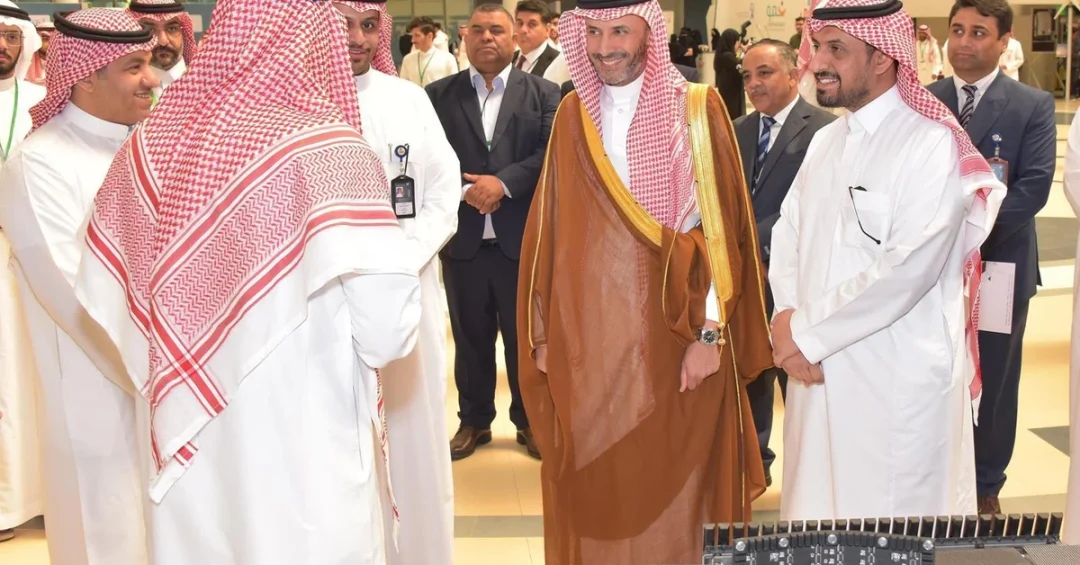
The 2025 Solar, Wind, and Geothermal Energy Symposium and Exhibition was inaugurated on April 16, 2025, at Imam Abdulrahman Bin Faisal University in Dammam, marking a significant step in Saudi Arabia’s renewable energy drive. The event, organized by the university’s College of Engineering, is being held under the patronage of the university’s Acting President, Dr. Fahad bin Ahmed Al-Harbi, and runs for two days under the theme “Innovation and Localization in the Renewable Energy Sector: Challenges and Opportunities.” It brings together experts, industry leaders, and academics from across the Kingdom to discuss the future of sustainable energy in line with Saudi Vision 2030.
Have you ever wondered how Saudi Arabia plans to power its future while preserving its environment? This symposium offers a glimpse into the Kingdom’s ambitious renewable energy strategy, which aims to diversify the energy mix and reduce dependence on fossil fuels. With 14 expert speakers, 17 participating entities, and seven specialized workshops, the event underscores the importance of collaboration between academia, industry, and government. It also highlights the critical role of local talent and innovation in achieving the nation’s sustainability goals.
Context and Background
What makes this symposium a pivotal moment for Saudi Arabia’s energy transition? The event comes at a time when the Kingdom is accelerating efforts to meet the targets of Saudi Vision 2030, a comprehensive plan to diversify the economy and reduce reliance on oil. Renewable energy and sustainability are fundamental pillars of this vision, with ambitious goals to generate 50% of electricity from renewable sources by 2030. The symposium, now in its third edition, reflects the growing momentum behind these efforts and the need to address challenges such as technological adaptation, grid integration, and workforce development.
Imam Abdulrahman Bin Faisal University, located in the Eastern Province, has emerged as a key player in this transition. The College of Engineering, under the leadership of Dean Dr. Murad Al-Thobaiti, is at the forefront of research and training in renewable energy. The university’s commitment to fostering innovation and localization aligns with the national strategy to build a skilled workforce capable of driving the sector forward. By hosting this symposium, the university provides a platform for knowledge exchange and collaboration that is essential for overcoming obstacles and unlocking opportunities.
How does this event fit into the broader regional context? The Eastern Province, home to major oil and gas facilities, is undergoing a transformation as the Kingdom seeks to balance its traditional energy strengths with new sustainable sources. The symposium not only showcases the latest technologies but also emphasizes the importance of localizing expertise and manufacturing. This approach will create jobs, stimulate economic growth, and position Saudi Arabia as a leader in the global renewable energy market.
Key Details
What are the specific highlights of this year’s symposium? According to Symposium Chairman Dr. Musaed Al-Zahrani, the event features 14 expert speakers who will share insights on solar, wind, and geothermal energy technologies. Additionally, 17 entities from the industrial and engineering sectors are participating in the accompanying exhibition, displaying cutting-edge products and services. Seven workshops are also being conducted, focusing on training and workforce development in the latest energy and industrial technologies. These workshops aim to equip participants with practical skills and knowledge to contribute to the renewable energy sector.
The theme “Innovation and Localization in the Renewable Energy Sector: Challenges and Opportunities” captures the dual focus of the symposium. Innovation is crucial for developing efficient and cost-effective solutions, while localization ensures that Saudi Arabia builds domestic capabilities rather than relying solely on foreign expertise. The event covers a range of topics, including solar photovoltaic advancements, wind turbine efficiency, and the potential of geothermal energy in the Kingdom’s geological context. Participants will engage in discussions on policy frameworks, financing mechanisms, and public-private partnerships that can accelerate deployment.
How does the university’s role enhance the symposium’s impact? Imam Abdulrahman Bin Faisal University is not just a venue but an active contributor to research and development. The College of Engineering has launched several initiatives to promote renewable energy education and applied research. By integrating academic insights with industry practices, the symposium bridges the gap between theory and application. This collaboration is vital for nurturing a new generation of Saudi engineers and scientists who will lead the sector in the coming decades.
International and Regional Impact
Why should the international community pay attention to this event? Saudi Arabia’s renewable energy ambitions have significant implications for global energy markets and climate change mitigation. As the world’s largest oil exporter, the Kingdom’s shift toward renewables signals a broader transition that could influence other oil-producing nations. The symposium facilitates international cooperation by bringing together experts and companies that may forge partnerships and share best practices. It also showcases Saudi Arabia’s commitment to the Paris Agreement and its efforts to reduce carbon emissions.
Regionally, the event strengthens the Eastern Province’s position as a hub for energy innovation. Neighboring Gulf countries are also investing in renewables, and Saudi Arabia’s progress can serve as a model for regional collaboration. The symposium provides a platform for exchanging ideas and aligning strategies, potentially leading to joint projects and knowledge transfer. Moreover, by involving local entities, it supports the development of a self-sustaining ecosystem that can attract foreign investment and expertise.
Economic and Strategic Significance
What economic benefits can arise from advancing renewable energy in Saudi Arabia? The diversification of the energy mix reduces the opportunity cost of burning oil for domestic power generation, freeing up more crude for export and enhancing revenue. It also creates new industries and job opportunities in manufacturing, installation, maintenance, and research. The localization of renewable energy technologies aligns with the National Industrial Development and Logistics Program, a Vision 2030 initiative to boost local content and exports. By fostering innovation, the Kingdom can develop intellectual property and export expertise to other markets.
Strategically, renewable energy enhances energy security by reducing dependence on finite resources and mitigating price volatility. It also supports the development of remote areas where grid extension is costly, by enabling off-grid solutions. The symposium’s focus on workforce development addresses a critical bottleneck: the need for skilled professionals to design, operate, and maintain renewable energy systems. As Saudi Arabia scales up projects like the NEOM smart city and the Red Sea Project, which aim to be powered entirely by renewables, the demand for such talent will only grow.
Vision 2030 Alignment
How does this symposium contribute to Saudi Vision 2030? Vision 2030 aims to create a diversified and sustainable economy, and renewable energy is a cornerstone of that vision. The symposium directly supports the goals of increasing renewable energy capacity, localizing technology, and developing human capital. It also promotes the values of innovation, collaboration, and sustainability that are central to the Kingdom’s transformation. By bringing together stakeholders from across sectors, the event accelerates progress toward these targets and demonstrates the Kingdom’s proactive approach to global energy challenges.
In conclusion, the 2025 Solar, Wind, and Geothermal Energy Symposium and Exhibition exemplifies Saudi Arabia’s commitment to a sustainable future. Through such initiatives, the Kingdom is not only addressing its own energy needs but also contributing to global efforts to combat climate change. As the event concludes, the insights and partnerships formed will undoubtedly propel the renewable energy sector forward, bringing Saudi Arabia closer to its Vision 2030 aspirations and solidifying its role as a leader in the global energy transition.
20 Questions
Q1. What is the 2025 Solar, Wind, and Geothermal Energy Symposium and Exhibition?
A1. It is a two-day event organized by Imam Abdulrahman Bin Faisal University in Dammam, focusing on innovation and localization in renewable energy, with experts, exhibitors, and workshops.
Q2. When and where did the symposium take place?
A2. It was inaugurated on April 16, 2025, at the university campus in Dammam, Eastern Province, and runs for two days.
Q3. Who inaugurated the event?
A3. Dr. Fahad bin Ahmed Al-Harbi, Acting President of Imam Abdulrahman Bin Faisal University, inaugurated the symposium.
Q4. What is the theme of the symposium?
A4. The theme is “Innovation and Localization in the Renewable Energy Sector: Challenges and Opportunities.”
Q5. How many expert speakers are featured?
A5. There are 14 expert speakers in renewable energy sharing their insights at the symposium.
Q6. How many entities are participating in the exhibition?
A6. Seventeen entities from the industrial and engineering sectors are participating in the accompanying exhibition.
Q7. How many workshops are being held?
A7. Seven workshops are focused on training and workforce development in the latest energy and industrial technologies.
Q8. What did Dean Dr. Murad Al-Thobaiti emphasize?
A8. He highlighted the event’s timing with Saudi Vision 2030 and the critical role of building a qualified national workforce in renewable energy.
Q9. What did Symposium Chairman Dr. Musaed Al-Zahrani say about the event?
A9. He noted the participation of 14 speakers, 17 exhibitors, and seven workshops aimed at training and workforce development.
Q10. Why is the symposium important for Saudi Vision 2030?
A10. It supports the vision’s goals of diversifying energy, localizing technology, and developing human capital in the renewable energy sector.
Q11. What renewable energy sources are covered?
A11. The symposium covers solar, wind, and geothermal energy technologies and their applications.
Q12. How does the event promote localization?
A12. By involving local entities and focusing on building domestic expertise and manufacturing capabilities in renewable energy.
Q13. What is the role of Imam Abdulrahman Bin Faisal University in this event?
A13. The university organized the symposium through its College of Engineering, providing a platform for knowledge exchange and collaboration.
Q14. What are the expected outcomes of the symposium?
A14. It aims to foster partnerships, share best practices, and advance the adoption of renewable energy technologies in Saudi Arabia.
Q15. How does the symposium address challenges in the renewable energy sector?
A15. Through discussions on innovation, policy frameworks, financing, and workforce development to overcome technical and market barriers.
Q16. What is the significance of the Eastern Province hosting this event?
A16. The region is a key energy hub, and hosting the symposium highlights its transition toward sustainable energy and economic diversification.
Q17. How does the event support workforce development?
A17. The workshops provide training in latest technologies, equipping participants with skills needed for careers in renewable energy.
Q18. What international impact could this symposium have?
A18. It showcases Saudi Arabia’s commitment to renewables, potentially influencing global energy markets and fostering international partnerships.
Q19. What economic benefits are expected from renewable energy localization?
A19. It can create jobs, reduce oil consumption for power, boost local industries, and enhance export opportunities for Saudi expertise.
Q20. How does this event align with Saudi Arabia’s long-term vision?
A20. It directly supports Vision 2030’s goals of a sustainable economy, energy diversification, and human capital development, reinforcing the Kingdom’s global leadership.
Reader Feedback
We value your thoughts. Please share your feedback on this article.
Your feedback helps us improve our coverage.
Related articles
 Moon and Antares Conjunction Dazzles Northern Borders Skies
 University of Jeddah Wins First Place at Harvard Health Hackathon
 KAUST Finds Hidden Ecosystem Beneath Red Sea Coral Reef
 Saudi Arabia Launches First Semiconductor Chipathon in Riyadh
 CODE to Host ‘Your AI, Your Rules’ Workshop in Riyadh
 GEOSA Sponsors Geospatial World Forum 2025 in Madrid