


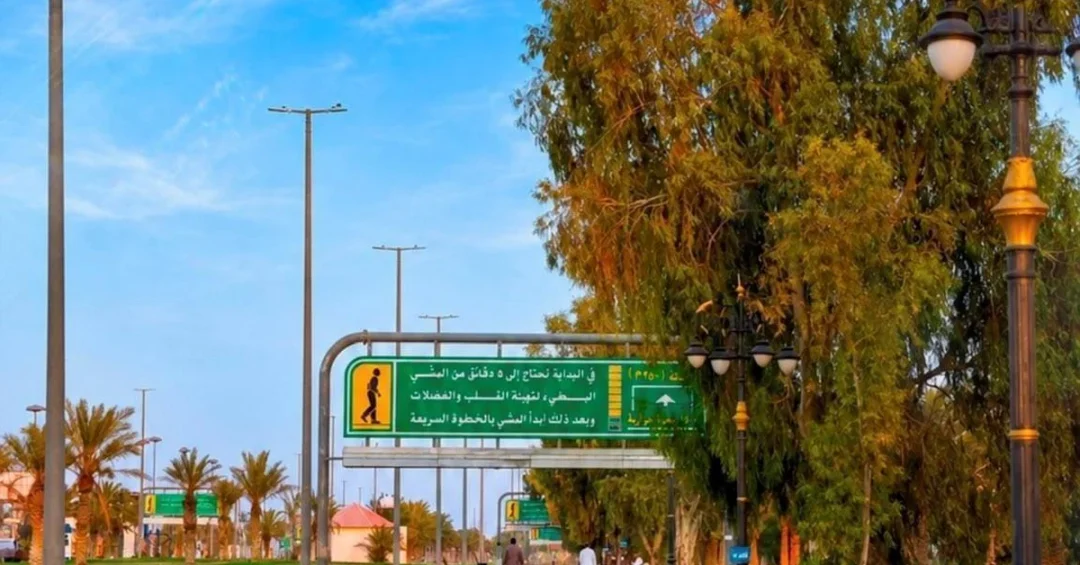
Rafha Governorate in the Northern Borders Region now boasts approximately 40 public parks and recreational areas and three model walkways, covering more than 1.44 million square meters of green space, as the city marks World Cities Day, observed annually on October 31. The announcement, released via the Saudi Press Agency (SPA), highlights the governorate’s ongoing urban development efforts, which include upgrading public facilities, expanding green spaces, rehabilitating parks, improving roads, and extending pedestrian paths and sports tracks. These initiatives are designed to provide residents with more options for leisure and physical activity, aligning with Saudi Arabia’s Vision 2030 goals for sustainable urban development and enhanced quality of life.
World Cities Day, established by the United Nations General Assembly in 2013, serves as a global platform to promote sustainable urbanization and address challenges related to urban growth. This year’s observance in Rafha underscores the Kingdom’s commitment to creating vibrant, healthy communities. The transformation of Rafha’s public spaces goes beyond aesthetics; it focuses on efficient facilities, easier mobility, and greater opportunities for social interaction and recreation, making these areas integral to daily life. As Saudi cities continue to evolve, Rafha stands as a testament to the broader national strategy of balanced regional development and environmental stewardship.
Context and Background
How did Rafha, a governorate in the Northern Borders Region, become a focal point for urban renewal? Historically, Rafha has served as a key administrative and commercial hub near the Iraqi border, but its public infrastructure has often lagged behind larger Saudi cities. In recent years, however, the Kingdom has intensified efforts to develop regions outside major metropolitan areas, recognizing that sustainable growth must be nationwide. The expansion of parks and green spaces in Rafha is part of this broader decentralization strategy, which aims to distribute economic opportunities and improve living standards across all provinces. The Northern Borders Region, with its unique cultural heritage and strategic location, is now benefiting from targeted investments in public amenities.
The initiative also reflects a global trend toward urban greening, where cities worldwide are recognizing the multiple benefits of parks—from mitigating heat islands to fostering community cohesion. In Saudi Arabia, this trend is amplified by the Vision 2030 framework, which emphasizes environmental sustainability and citizen well-being. The Saudi Press Agency report notes that Rafha’s green spaces now exceed 1.44 million square meters, a significant figure that demonstrates the scale of the endeavor. By rehabilitating existing parks and creating new recreational areas, local authorities are not only enhancing the city’s visual appeal but also addressing the practical needs of a growing population. This approach aligns with the National Transformation Program, which sets measurable targets for urban development and quality of life improvements.
Moreover, the timing of this announcement coincides with World Cities Day, a moment to reflect on how cities can be designed to be more inclusive, safe, resilient, and sustainable. Rafha’s progress exemplifies the principles of this global observance, showcasing how even smaller governorates can contribute to national and international goals. The focus on pedestrian paths and sports tracks, for instance, encourages active lifestyles and reduces reliance on automobiles, thereby lowering carbon emissions and promoting public health. As Saudi Arabia continues to urbanize, such projects will be crucial in ensuring that development is both environmentally sound and socially beneficial. The Northern Borders Region, once primarily known for its border significance, is now emerging as a model for integrated urban planning.
Key Details of the Urban Renewal
What exactly does Rafha’s urban renewal entail? According to the Saudi Press Agency, the governorate has already established about 40 public parks and recreational areas, along with three model walkways. These facilities are spread across more than 1.44 million square meters, providing ample green space for residents and visitors. The ongoing work includes upgrading public facilities, which may involve modernizing playgrounds, seating areas, and lighting systems to ensure safety and comfort. Rehabilitation of existing parks is also a priority, ensuring that older spaces meet contemporary standards and remain attractive destinations. Additionally, the extension of pedestrian paths and sports tracks is designed to create a connected network that encourages walking, jogging, and cycling.
The improvements are not limited to green spaces alone. Road improvements are part of the package, facilitating easier access to parks and enhancing overall mobility within the governorate. This holistic approach ensures that public spaces are well-integrated into the urban fabric, making them easily reachable by all residents. The focus on efficient facilities means that maintenance and operations are streamlined, ensuring longevity and consistent quality. By prioritizing social interaction, the project aims to strengthen community bonds, offering venues for gatherings, events, and recreational activities that cater to diverse age groups and interests. The three model walkways, in particular, serve as showcases for best practices in urban design, potentially inspiring similar projects in other regions.
These developments are a direct response to the needs of Rafha’s residents, who have long called for more recreational options. The governorate’s population, though modest compared to major cities, deserves the same level of amenities and services. By investing in these public spaces, the government demonstrates its commitment to equitable development and social welfare. The project also creates temporary and permanent jobs in construction, landscaping, and maintenance, contributing to local economic growth. Furthermore, the enhanced green spaces can boost property values and attract visitors, indirectly supporting small businesses and tourism. The comprehensive nature of the renewal—covering parks, roads, and pedestrian infrastructure—reflects a strategic, long-term vision rather than isolated improvements.
International and Regional Impact
How does Rafha’s urban renewal resonate beyond Saudi borders? On the international stage, Saudi Arabia’s efforts to develop sustainable cities contribute to global dialogues on urbanization, climate change, and public health. The United Nations’ Sustainable Development Goal 11, which aims to make cities inclusive, safe, resilient, and sustainable, is directly supported by such initiatives. By sharing its experiences, the Kingdom can serve as a leader in the Middle East, demonstrating how oil-dependent economies can diversify and prioritize environmental stewardship. The World Cities Day observance itself provides a platform for Saudi cities to exchange knowledge with international counterparts, fostering partnerships and attracting expertise. Rafha’s achievements may inspire other cities in the region to undertake similar greening projects, creating a ripple effect of positive change.
Regionally, the Northern Borders Region shares borders with Iraq and Jordan, making its stability and development of strategic importance. Improved urban amenities can enhance the quality of life for residents, reducing outmigration and attracting investment. A well-developed Rafha can also serve as a gateway for trade and cultural exchange, strengthening ties with neighboring countries. Moreover, the project aligns with the Gulf Cooperation Council’s broader goals of sustainable development and economic integration. By showcasing progress in a border governorate, Saudi Arabia signals its commitment to balanced regional growth and security. This can contribute to regional stability by fostering prosperous communities that are less susceptible to extremism and unrest. The international community has praised Saudi Arabia’s Vision 2030 for its ambitious targets, and Rafha’s parks are a tangible manifestation of those aspirations.
Economic and Strategic Significance
What are the economic and strategic benefits of expanding green spaces in Rafha? Economically, the construction and maintenance of parks and recreational areas stimulate local businesses, from contractors to suppliers of plants and equipment. The improved quality of life can attract professionals and families to the region, expanding the tax base and consumer market. Enhanced public spaces often lead to increased tourism, as visitors seek out green oases and recreational opportunities. This can boost the hospitality sector, including hotels, restaurants, and retail. Furthermore, the focus on pedestrian infrastructure reduces traffic congestion and vehicle wear, leading to long-term savings on road maintenance and healthcare costs associated with sedentary lifestyles. By promoting physical activity, the project can contribute to a healthier workforce, reducing absenteeism and increasing productivity.
Strategically, the development of Rafha supports the Kingdom’s goals of economic diversification and regional balance. Vision 2030 aims to reduce dependence on oil by fostering sectors like tourism, entertainment, and recreation. Rafha’s parks and walkways are part of the entertainment and quality-of-life initiatives that make Saudi Arabia a more attractive place to live and visit. The Northern Borders Region, with its potential for eco-tourism and cultural heritage tourism, can benefit from improved infrastructure. Additionally, the project demonstrates the government’s ability to deliver services in remote areas, reinforcing national unity and trust. The use of local resources and labor further strengthens the economy. As Saudi Arabia positions itself as a global investment destination, such visible improvements in urban livability enhance its reputation and competitiveness.
Vision 2030 Alignment
How does Rafha’s urban renewal align with Vision 2030? Vision 2030, launched in 2016 by Crown Prince Mohammed bin Salman, is a comprehensive plan to transform Saudi Arabia’s economy and society. One of its key themes is enhancing the quality of life for all citizens, which includes access to green spaces, recreational facilities, and healthy lifestyle options. The Vision’s Quality of Life Program specifically aims to increase the percentage of Saudi citizens engaged in sports and physical activity, and to improve the urban environment. Rafha’s parks and walkways directly contribute to these targets by providing safe, attractive venues for exercise and leisure. The project also supports the Vision’s environmental sustainability goals, as green spaces help offset carbon emissions and preserve biodiversity. By developing regions outside major cities, the initiative promotes balanced development, another Vision 2030 objective.
Furthermore, the emphasis on community interaction and social cohesion reflects the Vision’s social values. The parks serve as gathering places that strengthen family ties and community bonds, fostering a sense of belonging. The project also creates opportunities for small and medium enterprises, in line with the Vision’s aim to boost the private sector. As Saudi Arabia continues its journey toward a diversified, sustainable future, initiatives like Rafha’s urban renewal are essential building blocks. They demonstrate that Vision 2030 is not just about megaprojects in Riyadh or NEOM but also about improving everyday life in every corner of the Kingdom. The success of Rafha can serve as a model for other governorates, contributing to a nationwide transformation that benefits all citizens and residents.
20 Questions
Q1. What is the significance of World Cities Day for Rafha?
A1. World Cities Day highlights sustainable urbanization. For Rafha, it marks progress in expanding green spaces and improving urban infrastructure, showcasing the governorate’s commitment to quality of life and aligning with global urban development goals.
Q2. How many public parks and walkways does Rafha now have?
A2. Rafha has approximately 40 public parks and recreational areas, along with three model walkways. These facilities cover more than 1.44 million square meters of green space, providing ample recreational options for residents.
Q3. What specific improvements are being made in Rafha’s public facilities?
A3. Improvements include upgrading public facilities, rehabilitating parks, expanding green spaces, improving roads, and extending pedestrian paths and sports tracks. These efforts aim to enhance mobility, safety, and recreational opportunities for all residents.
Q4. How does the expansion of green spaces benefit Rafha’s residents?
A4. Green spaces offer opportunities for physical activity, social interaction, and relaxation. They improve mental and physical health, reduce heat, and enhance the overall quality of life, making Rafha a more attractive and livable city.
Q5. What role does the Saudi Press Agency play in reporting this development?
A5. The Saudi Press Agency (SPA) is the official news agency of Saudi Arabia. It reported the details of Rafha’s urban renewal, ensuring accurate and timely dissemination of information to the public and international audiences.
Q6. How does this project align with Saudi Arabia’s Vision 2030?
A6. The project aligns with Vision 2030’s Quality of Life Program, which aims to improve urban environments and promote healthy lifestyles. It also supports balanced regional development and environmental sustainability, key pillars of the Vision.
Q7. What are the economic benefits of expanding parks in Rafha?
A7. Economic benefits include job creation in construction and maintenance, increased property values, boosted local businesses, and potential growth in tourism. A healthier workforce also reduces healthcare costs and increases productivity.
Q8. How does the project contribute to environmental sustainability?
A8. Green spaces help mitigate urban heat, absorb carbon dioxide, and support biodiversity. By encouraging walking and cycling, the project reduces reliance on cars, lowering emissions and promoting eco-friendly transportation.
Q9. What is the significance of the Northern Borders Region in this context?
A9. The Northern Borders Region is strategically located near Iraq and Jordan. Developing Rafha enhances regional stability, attracts investment, and demonstrates the government’s commitment to balanced development across all provinces.
Q10. How does the project improve mobility in Rafha?
A10. The project includes extending pedestrian paths and sports tracks, and improving roads. This creates a connected network that facilitates walking, jogging, and cycling, reducing traffic congestion and promoting active transportation.
Q11. What is the expected impact on social interaction in Rafha?
A11. By providing attractive public spaces, the project fosters community gatherings, events, and recreational activities. This strengthens social bonds, enhances community cohesion, and improves the overall social fabric of the governorate.
Q12. How does the project support Saudi Arabia’s tourism goals?
A12. Improved parks and recreational areas can attract visitors to Rafha, boosting local tourism. This supports the Vision 2030 goal of increasing tourism’s contribution to GDP and diversifying the economy away from oil.
Q13. What are model walkways, and why are they important?
A13. Model walkways are designed to high standards, showcasing best practices in urban design. They provide safe, aesthetically pleasing routes for pedestrians, encouraging walking and serving as examples for future projects.
Q14. How does the project address the needs of different age groups?
A14. Parks and recreational areas are designed to cater to all ages, with playgrounds for children, sports facilities for youth, and quiet areas for seniors. This inclusivity ensures that everyone can benefit from the improved spaces.
Q15. What role do local authorities play in maintaining these facilities?
A15. Local authorities in Rafha are responsible for maintaining the parks, ensuring they remain clean, safe, and functional. They may also organize events and activities to maximize community engagement and use of the spaces.
Q16. How does this project compare to similar initiatives in other Saudi cities?
A16. Rafha’s project is part of a nationwide trend. Cities like Riyadh and Jeddah have also invested heavily in green spaces. Rafha’s efforts demonstrate that smaller governorates are equally prioritized in Saudi Arabia’s development agenda.
Q17. What is the timeline for completing the urban renewal in Rafha?
A17. The Saudi Press Agency report does not specify a completion date, but the work is described as ongoing. Such projects are typically implemented in phases to ensure continuous improvement and minimal disruption.
Q18. How can residents provide feedback on the project?
A18. Residents can typically provide feedback through local municipal offices or community meetings. The government encourages public participation to ensure that development meets the needs and expectations of the community.
Q19. What other developments are planned for the Northern Borders Region?
A19. While specific plans are not detailed in the report, the region is expected to see further investments in infrastructure, healthcare, and education as part of Saudi Arabia’s broader regional development strategy under Vision 2030.
Q20. How does Rafha’s urban renewal reflect Saudi Arabia’s global role?
A20. It showcases the Kingdom’s commitment to sustainable development and international urban goals. By sharing its progress, Saudi Arabia positions itself as a responsible global citizen and a leader in regional development, enhancing its soft power.
Reader Feedback
We value your thoughts. Please share your feedback on this article.
Your feedback helps us improve our coverage.
Related articles
 Religious Affairs Presidency Trains Female Volunteers at Grand Mosque
 Riyadh Advances Urban Transformation on World Cities Day
 Camels Graze as Rainwater Flows Through Turaif’s Valleys
 Saudi FM Meets German Counterpart at G20 in Atlanta
 Saudi, Brazilian FMs Meet at G20 in Atlanta
 Saudi FM Meets Japanese Counterpart at G20 in Atlanta