


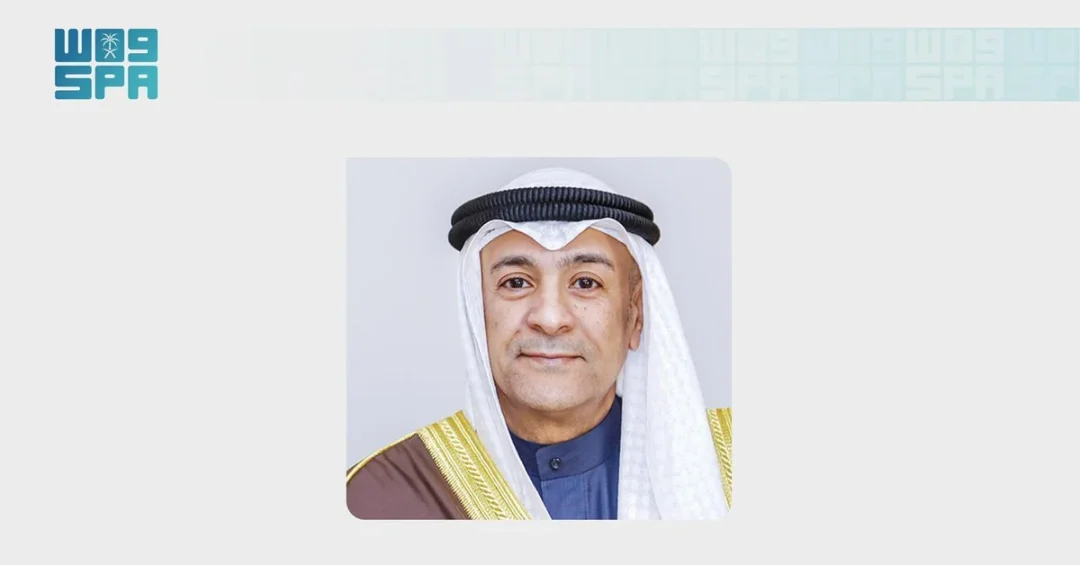
Secretary-General of the Gulf Cooperation Council Jasem Mohamed Albudaiwi affirmed that preparing and empowering young leaders to engage in regional and international discourse represents a strategic investment in human capital and a cornerstone for building a more prosperous future for the Gulf nations. His remarks were delivered during a meeting with participants of the Young Leaders Programme, held on the sidelines of the 22nd Regional Security Summit, known as the IISS Manama Dialogue 2026, in the Bahraini capital, Manama, according to the Saudi Press Agency.
Albudaiwi emphasized that building the future requires leaders who possess deep knowledge, are adept at analysing rapid shifts, and comprehend the shared responsibility in safeguarding peace and supporting development trajectories. The meeting underscored the GCC’s commitment to nurturing a generation capable of navigating the complex interplay of security, diplomacy, and economic progress. It also highlighted the importance of direct engagement between emerging leaders and senior officials, a practice that bridges theoretical knowledge with practical discussions on current affairs.
Context and Background
Why does the GCC place such emphasis on empowering young leaders at this particular moment in history? The answer lies in the accelerating pace of change across the Middle East and beyond. The 22nd Regional Security Summit, hosted in Manama, brought together policymakers, experts, and emerging voices to address pressing security and development challenges. The Young Leaders Programme, an integral part of the summit, provides a platform for youth from GCC member states and beyond to interact with seasoned diplomats and security analysts. This initiative aligns with the GCC’s long-standing tradition of fostering dialogue and cooperation among its member states: Bahrain, Kuwait, Oman, Qatar, Saudi Arabia, and the United Arab Emirates.
The Gulf region has undergone significant transformation in recent years, driven by ambitious national visions, including Saudi Arabia’s Vision 2030, which seeks to diversify economies, empower youth, and enhance global engagement. In this context, the role of young leaders becomes indispensable. They are not merely future inheritors of leadership but active participants in shaping policies and solutions today. The GCC Secretary-General’s remarks reflect a recognition that sustainable security and prosperity cannot be achieved without the full participation of the younger generation, who constitute a large demographic segment in Gulf societies.
Moreover, the IISS Manama Dialogue has a history of facilitating candid conversations on regional security. By integrating a youth-focused programme, the summit ensures that fresh perspectives are brought to the table. This approach is consistent with global trends where intergenerational dialogue is increasingly valued in governance and diplomacy. For the GCC, investing in youth is also a way to reinforce regional stability and foster a sense of shared destiny among member states.
Key Details of the Address
What specific messages did the GCC Secretary-General convey to the young participants? Albudaiwi stressed that rapid developments regionally and globally underscore the importance of equipping young leaders to understand the interconnectedness of security, development, and diplomacy. He highlighted the need to enhance their capacity to analyse challenges, assess repercussions, and formulate appropriate solutions. Furthermore, he pointed out the significance of respecting differing viewpoints and building mutual understanding, skills that are essential in multilateral settings.
The Secretary-General also affirmed that dialogue among young leaders from various nations opens horizons for exchanging expertise and expanding trust, contributing to the crystallization of shared visions on peace and stability. He noted that the programme provides direct engagement with senior officials and experts, effectively bridging theoretical knowledge with practical discussions on the most prominent current affairs. This hands-on approach ensures that participants gain insights that are both relevant and actionable.
In his concluding remarks, Albudaiwi stressed the importance of coupling the ambition of youth with initiative, action, and responsibility. He urged participants to translate the knowledge and expertise they acquire into tangible contributions that serve their communities. He wished them success in their leadership journeys and in contributing to building a future where the people of the region enjoy security and prosperity. These words reflect a holistic vision that goes beyond mere training, aiming to instil a sense of ownership and duty among young leaders.
International and Regional Impact
How does the empowerment of young leaders in the Gulf resonate on the international stage? The GCC’s efforts to cultivate a new generation of diplomats and policymakers are closely watched by global partners. By investing in youth, the Gulf states signal their commitment to long-term stability and cooperative security. This is particularly relevant as the region navigates complex geopolitical dynamics, including tensions and opportunities for dialogue. The Young Leaders Programme, therefore, serves as a soft power tool, showcasing the Gulf’s proactive approach to human capital development.
Regionally, the initiative strengthens ties among GCC member states by creating a network of emerging leaders who share common experiences and values. Such networks can facilitate future collaboration and conflict resolution. The emphasis on mutual understanding and respect for differing viewpoints is especially important in a region characterized by diverse political and cultural landscapes. By fostering these connections early, the GCC lays the groundwork for more cohesive regional responses to shared challenges, from economic diversification to environmental sustainability.
Economic and Strategic Significance
What economic and strategic benefits arise from empowering young leaders? The Gulf region’s economic transformation, driven by visions like Saudi Vision 2030, requires a skilled workforce capable of innovation and adaptation. Young leaders who are trained in strategic thinking and diplomacy are better positioned to contribute to sectors such as technology, renewable energy, and international trade. Their ability to analyse global trends and forge partnerships will be crucial for attracting investment and fostering entrepreneurship.
Strategically, the GCC’s investment in youth is a hedge against future uncertainties. By equipping young leaders with the tools to navigate security and development challenges, the Council enhances its resilience and capacity to respond to crises. This approach also aligns with the broader goals of the GCC, which include maintaining peace, promoting economic integration, and projecting a positive image internationally. The Secretary-General’s message underscores that youth empowerment is not a peripheral activity but a central pillar of the region’s strategic outlook.
Vision 2030 Alignment
How does the GCC’s focus on youth empowerment intersect with Saudi Arabia’s Vision 2030? Vision 2030, launched by Crown Prince Mohammed bin Salman, places human capital development at its core, aiming to empower young Saudis to become active participants in the Kingdom’s progress. The GCC’s Young Leaders Programme complements this by providing regional exposure and networking opportunities that amplify national efforts. Saudi youth, in particular, benefit from such platforms, gaining insights that can be applied to the Kingdom’s ambitious reform agenda.
Furthermore, the values espoused by Albudaiwi—knowledge, initiative, responsibility, and mutual understanding—mirror the principles that underpin Vision 2030. By fostering these qualities in young leaders, the GCC contributes to a future where the region enjoys security and prosperity, in line with Saudi Arabia’s aspirations for a diversified economy and a vibrant society. The collaboration between the GCC and its member states in this domain exemplifies the power of collective action in realizing shared visions.
20 Questions
Q1. Who is the Secretary-General of the Gulf Cooperation Council?
A1. Jasem Mohamed Albudaiwi is the Secretary-General of the Gulf Cooperation Council. He has been serving in this role since 2023, leading the organization’s efforts to promote cooperation among member states and advance regional integration.
Q2. What is the Young Leaders Programme?
A2. The Young Leaders Programme is an initiative held alongside the IISS Manama Dialogue. It brings together emerging leaders from various nations to engage with senior officials and experts on regional and international issues.
Q3. Where was the 22nd Regional Security Summit held?
A3. The 22nd Regional Security Summit, also known as the IISS Manama Dialogue 2026, was held in Manama, the capital of Bahrain. It is a prominent platform for discussing security and diplomatic challenges.
Q4. What did Albudaiwi say about empowering young leaders?
A4. He stated that preparing and empowering young leaders is an investment in elevating their expertise and a pillar for building a more prosperous future for their nations, emphasizing knowledge, analysis, and shared responsibility.
Q5. Why is youth empowerment important for the GCC?
A5. Youth empowerment is vital because young people constitute a large segment of Gulf societies. Their active participation ensures sustainable development, security, and the continuity of regional progress.
Q6. How does the programme bridge theory and practice?
A6. The programme provides direct engagement with senior officials and experts, allowing participants to discuss current affairs and apply theoretical knowledge to real-world scenarios, enhancing their practical understanding.
Q7. What role does dialogue play in the programme?
A7. Dialogue among young leaders from various nations facilitates the exchange of expertise, builds trust, and helps crystallize shared visions on peace and stability, fostering mutual understanding.
Q8. How does the GCC support Saudi Vision 2030?
A8. The GCC supports Saudi Vision 2030 by promoting regional cooperation and youth empowerment, which aligns with the Vision’s goals of economic diversification and human capital development.
Q9. What are the key skills emphasized for young leaders?
A9. Key skills include analysing challenges, assessing repercussions, formulating solutions, respecting differing viewpoints, and building mutual understanding—essential for effective leadership in a complex world.
Q10. What is the IISS Manama Dialogue?
A10. The IISS Manama Dialogue is an annual security summit that brings together government officials, experts, and business leaders to discuss regional and international security issues.
Q11. How does the GCC define a prosperous future?
A11. A prosperous future, according to the GCC, is one where nations enjoy security, stability, and economic development, built on the foundation of knowledgeable and responsible leadership.
Q12. What did Albudaiwi wish for the participants?
A12. He wished them success in their leadership journeys and in contributing to building a future where the people of the region enjoy security and prosperity.
Q13. Which countries are members of the GCC?
A13. The GCC member states are Bahrain, Kuwait, Oman, Qatar, Saudi Arabia, and the United Arab Emirates. They collaborate on political, economic, and security matters.
Q14. Why is regional security a focus of the programme?
A14. Regional security is a focus because the Gulf faces diverse challenges that require informed, cooperative responses. Young leaders are trained to understand and address these issues.
Q15. How does the programme promote mutual understanding?
A15. By bringing together participants from different backgrounds, the programme encourages respect for differing viewpoints and fosters dialogue that builds trust and shared perspectives.
Q16. What is the significance of the GCC’s investment in youth?
A16. It is an investment in the region’s future leadership, ensuring that the next generation is equipped to sustain peace, drive development, and uphold the values of cooperation.
Q17. How does the programme align with global trends?
A17. It aligns with global trends of intergenerational dialogue and youth engagement in governance, reflecting a modern approach to leadership development.
Q18. What tangible contributions are expected from participants?
A18. Participants are expected to apply their acquired knowledge and expertise to serve their communities, contributing to security, development, and prosperity in their respective nations.
Q19. How does the GCC Secretary-General view the role of youth in diplomacy?
A19. He views youth as essential partners in diplomacy, capable of analysing shifts, building understanding, and contributing to shared visions for peace and stability.
Q20. What is the overarching message of Albudaiwi’s remarks?
A20. The overarching message is that empowering young leaders is crucial for building a prosperous future. It requires investment in their skills, promotion of dialogue, and translation of knowledge into action.
Reader Feedback
We value your thoughts. Please share your feedback on this article.
Your feedback helps us improve our coverage.
Related articles
 Somali Prime Minister Departs Jeddah After Official Visit
 UN Concludes Political Mission in Somalia After 31 Years
 Saudi Arabia Weather Forecast for Sunday: Rain, Hail, and Wind
 Rafha Expands Parks and Green Spaces as Urban Renewal Marks World Cities Day
 Religious Affairs Presidency Trains Female Volunteers at Grand Mosque
 Riyadh Advances Urban Transformation on World Cities Day