


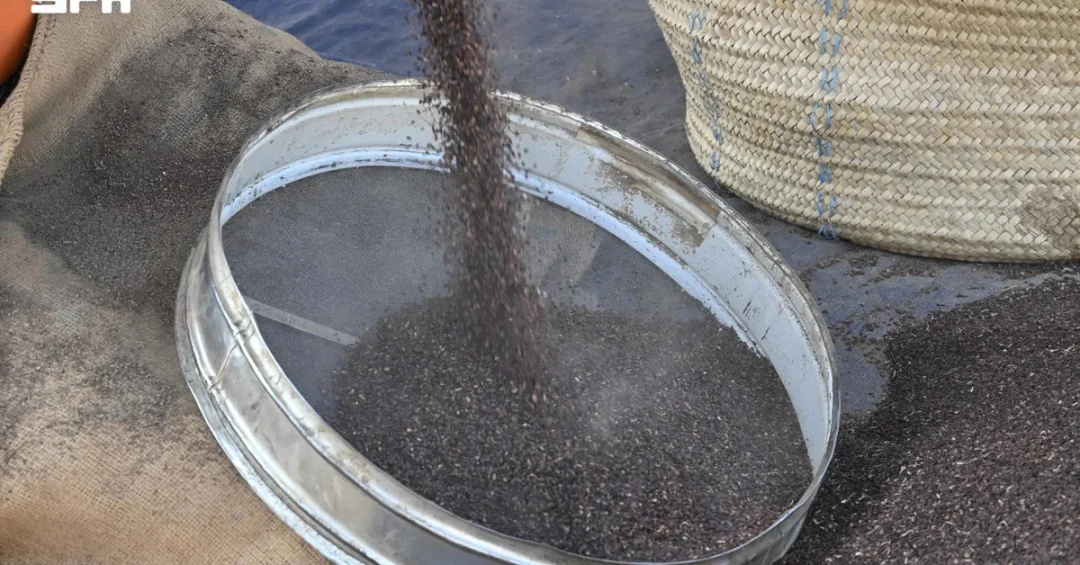
Sesame cultivation in Jazan, one of the Kingdom of Saudi Arabia’s most fertile agricultural regions, follows a centuries-old annual cycle that begins with sowing between August 11 and September 20 and culminates in harvest after approximately 100 days of careful tending, according to the Saudi Press Agency. The crop, deeply woven into the cultural and culinary fabric of the region, reflects a living agricultural heritage shaped by generations of farmers who have passed down knowledge of soil, season, and seed. The Saudi Press Agency reported that mature sesame plants are uprooted, stacked, and dried for nearly 20 days before being threshed and winnowed to extract and clean the seeds, a method that remains largely unchanged despite the arrival of modern machinery. This enduring practice connects the land, local cuisine, and community identity in Jazan, a region that continues to preserve its agricultural traditions while contributing to the Kingdom’s broader food security and rural development goals.
For international observers, Jazan’s sesame cycle offers a window into how Saudi Arabia balances modernization with heritage preservation. The Kingdom’s Vision 2030 framework places significant emphasis on sustainable agriculture, rural development, and the protection of cultural identity, and Jazan’s sesame farmers embody these priorities in their daily work. The crop’s journey from seed to oil, locally known as “saleet,” involves not only agricultural skill but also a deep understanding of local ecosystems and seasonal rhythms. As the Kingdom invests in agricultural innovation and food self-sufficiency, the traditional knowledge held by Jazan’s farming communities becomes an increasingly valuable asset, one that Saudi authorities and agricultural institutions are keen to document and preserve for future generations.
Context and Background
How did a simple seed become a symbol of identity for an entire region? Sesame cultivation in Jazan dates back generations, forming part of a broader agricultural heritage that includes coffee, mangoes, and other crops suited to the region’s unique climate. The Saudi Press Agency reported that the annual sesame cycle begins with sowing seeds between August 11 and September 20, a timing that reflects accumulated knowledge of rainfall patterns, soil temperature, and the region’s distinct agricultural calendar. This period is followed by approximately 100 days of cultivation, during which farmers tend the plants through critical growth stages, protecting them from pests and ensuring adequate moisture. The harvest marks a communal effort, with families and neighbors often working together to uproot, stack, and dry the plants, reinforcing social bonds that have sustained these communities for centuries.
The traditional extraction of sesame oil, known locally as “saleet,” was historically carried out using wooden presses powered by camels. This method, while largely replaced by modern machinery, remains a powerful symbol of Jazan’s agricultural ingenuity. The Saudi Press Agency noted that the underlying practices remain rooted in local expertise, with farmers like Hassan Habibi emphasizing the importance of documenting these techniques to preserve traditional knowledge, seasonal rhythms, and agricultural skills. Habibi’s call for documentation reflects a growing awareness across Saudi Arabia that intangible cultural heritage, including farming practices, must be actively recorded and taught to younger generations. This aligns with national efforts to safeguard cultural identity while embracing technological progress, ensuring that modernization does not erase the wisdom of the past.
Jazan’s sesame is more than a crop; it is a link between the land and the kitchen. The oil is widely used in local cuisine, particularly in fish dishes and stews, where its rich, nutty flavor adds a distinctive character to regional food traditions. This connection between agriculture and gastronomy has helped sustain demand for locally produced sesame oil, even as cheaper imported alternatives become available. For many families in Jazan, the annual sesame harvest is a time of shared labor and celebration, a rhythm that structures the year and reinforces a sense of place. As Saudi Arabia’s tourism sector grows, there is potential for these culinary traditions to attract visitors interested in authentic regional experiences, further strengthening the economic case for preserving traditional agriculture.
Key Details
What exactly happens during the 100-day cultivation period? According to the Saudi Press Agency, sesame seeds are sown between August 11 and September 20, a window that allows the plants to benefit from the region’s seasonal conditions. Farmers prepare the soil carefully, often using organic matter from previous harvests to enrich it. Once sown, the seeds require consistent moisture, and farmers monitor the fields closely, removing weeds and protecting young plants from pests. The 100-day cycle is not merely a countdown; it is a period of active stewardship, during which farmers apply knowledge passed down through generations. This phase ends when the plants mature, signaling the start of the harvest, a labor-intensive process that involves uprooting the plants, stacking them, and leaving them to dry for nearly 20 days.
The drying period is crucial, as it reduces moisture content and prepares the seeds for threshing. After drying, the plants are threshed to separate the seeds from the pods, and then winnowed to remove chaff and other impurities. This sequence, as reported by the Saudi Press Agency, ensures that only clean, high-quality seeds proceed to the next stage. The seeds are then pressed to produce sesame oil, or “saleet.” While modern machinery has replaced the traditional wooden presses powered by camels, the fundamental process remains the same: extracting oil from seeds through pressure. The shift to mechanization has increased efficiency and yield, but it has also raised concerns about the loss of traditional skills. Farmers like Hassan Habibi argue that documenting these practices is essential to preserve the knowledge embedded in them, from the optimal timing of sowing to the subtle signs that indicate when the plants are ready for harvest.
Beyond oil, sesame seeds are used in a variety of local preparations, including baked goods and confectioneries. The versatility of the crop adds to its economic importance for Jazan’s farming communities. The Saudi Press Agency’s report highlights that the cultivation cycle is deeply integrated into the local calendar, with each phase corresponding to specific social and religious events. This integration reinforces the role of agriculture in shaping community life and identity. As Saudi Arabia seeks to diversify its economy and promote rural development, crops like sesame offer a model for how traditional practices can be adapted to modern markets without losing their cultural significance. The documentation efforts advocated by farmers like Habibi are therefore not just about nostalgia; they are about creating a sustainable future for small-scale agriculture in the Kingdom.
International and Regional Impact
Why should the world pay attention to sesame farming in a single Saudi region? Jazan’s sesame cultivation is part of a larger story about food security and agricultural resilience in the Middle East. Saudi Arabia imports a significant portion of its food, but Vision 2030 aims to increase domestic production of strategic crops. Sesame, though not a staple grain, contributes to agricultural diversity and provides income for rural families. The traditional knowledge associated with its cultivation, including water management and soil conservation, is relevant to broader efforts to adapt to climate change. By preserving these practices, Saudi Arabia can share valuable insights with other arid regions facing similar challenges. The Saudi Press Agency’s reporting underscores that this is not just a local story but a national one, with implications for the Kingdom’s role in global food systems.
Regionally, Jazan’s sesame heritage strengthens cultural ties across the Arabian Peninsula, where sesame oil is used in various culinary traditions. The region’s agricultural practices have historically been shaped by trade and migration, and sesame is a crop that crosses borders. By documenting and promoting its sesame heritage, Saudi Arabia can enhance its cultural diplomacy and attract visitors interested in authentic experiences. The Saudi Press Agency noted that the practices are rooted in local expertise, which means they are unique to Jazan and cannot be easily replicated elsewhere. This uniqueness is an asset in a global tourism market that increasingly values authenticity and sustainability. As the Kingdom opens up to international visitors, sites and traditions like sesame cultivation can become part of a broader narrative about Saudi Arabia’s rich cultural tapestry, complementing the better-known heritage sites in other regions.
Economic and Strategic Significance
What economic value does sesame bring to Jazan? While precise figures are not provided by the Saudi Press Agency, the crop supports livelihoods for numerous farming families and contributes to the local economy through the sale of seeds and oil. The traditional “saleet” oil commands a premium in local markets due to its perceived quality and cultural significance. As consumers worldwide become more interested in artisanal and traditional food products, there is potential for Jazan sesame oil to find niche export markets. This would align with Vision 2030’s goal of boosting non-oil exports and supporting small and medium-sized enterprises. The Saudi Press Agency’s report highlights that the practices remain rooted in local expertise, which means that any commercialization must be done carefully to avoid undermining the very traditions that make the product special.
Strategically, the preservation of agricultural heritage is linked to national identity and social stability. Rural communities in Saudi Arabia are essential to the Kingdom’s social fabric, and supporting their traditional practices helps maintain their viability. The documentation efforts advocated by farmers like Hassan Habibi can serve as a basis for training programs, educational materials, and tourism experiences. This aligns with the Human Capability Development Program, a Vision 2030 initiative aimed at empowering citizens and preserving culture. By investing in the documentation and promotion of sesame cultivation, Saudi Arabia can create economic opportunities while safeguarding a key element of its intangible heritage. The Saudi Press Agency’s focus on this topic signals official recognition of its importance, and further support from government agencies could amplify these efforts.
Vision 2030 Alignment
How does a 100-day sesame cycle connect to a 15-year national transformation plan? Vision 2030 seeks to diversify the economy, preserve cultural heritage, and improve quality of life. Jazan’s sesame cultivation touches on all three. Economically, it supports rural incomes and offers potential for value-added products. Culturally, it preserves practices that define the region’s identity. Socially, it strengthens community bonds and intergenerational knowledge transfer. The Saudi Press Agency’s report demonstrates that these goals are not abstract; they are lived realities in places like Jazan, where farmers continue to follow seasonal rhythms that their ancestors observed. By documenting these practices, as Hassan Habibi urges, Saudi Arabia ensures that future generations can benefit from this wisdom, even as the Kingdom modernizes and grows.
Looking ahead, the future of Jazan’s sesame cultivation depends on a delicate balance between tradition and innovation. Modern machinery has already replaced traditional camel-powered presses, but the knowledge of when to sow, how to tend, and when to harvest remains rooted in local expertise. Vision 2030’s emphasis on sustainability and heritage preservation provides a framework for supporting farmers through training, market access, and recognition. As Saudi Arabia positions itself as a global leader in both technology and culture, stories like that of Jazan’s sesame farmers illustrate the Kingdom’s ability to honor its past while building its future. The Saudi Press Agency’s reporting serves as a reminder that progress need not come at the expense of identity, and that the 100-day journey from seed to oil is also a journey through time, connecting generations in a shared endeavor.
20 Questions
Q1. What is the significance of sesame cultivation in Jazan?
A1. Sesame cultivation in Jazan reflects a rich agricultural heritage shaped by generations of farmers. It connects the land, local cuisine, and community identity while preserving traditional knowledge and seasonal rhythms that are integral to the region’s cultural fabric.
Q2. When does the sesame sowing season begin and end in Jazan?
A2. According to the Saudi Press Agency, sowing begins between August 11 and September 20 each year. This timing is based on generations of local expertise regarding rainfall, soil temperature, and optimal growing conditions.
Q3. How long is the sesame cultivation period before harvest?
A3. The cultivation period lasts approximately 100 days from sowing to harvest. During this time, farmers tend the plants, monitor moisture, and protect them from pests, applying knowledge passed down through generations.
Q4. What happens to the sesame plants after they mature?
A4. Mature plants are uprooted, stacked, and dried for nearly 20 days. This drying process reduces moisture content and prepares the seeds for threshing and winnowing to extract and clean them.
Q5. What is “saleet” and how is it traditionally produced?
A5. “Saleet” is the local name for sesame oil. Traditionally, it was extracted using wooden presses powered by camels. Although modern machinery has replaced these methods, the underlying practices remain rooted in local expertise.
Q6. How is sesame oil used in Jazan’s cuisine?
A6. Sesame oil is widely used in Jazan’s cuisine, particularly in fish dishes and stews. Its rich, nutty flavor adds a distinctive character to regional food traditions, connecting agriculture with local gastronomy.
Q7. Who is Hassan Habibi and what is his role in preserving this heritage?
A7. Hassan Habibi is a farmer in Jazan who emphasizes the importance of documenting traditional sesame cultivation practices. He advocates for preserving traditional knowledge, seasonal rhythms, and agricultural skills for future generations.
Q8. Why is it important to document traditional sesame cultivation practices?
A8. Documentation helps preserve traditional knowledge, seasonal rhythms, and agricultural skills that might otherwise be lost. It ensures that future generations can benefit from this wisdom, even as the Kingdom modernizes and grows.
Q9. How does sesame cultivation contribute to Saudi Arabia’s food security?
A9. While sesame is not a staple grain, it contributes to agricultural diversity and provides income for rural families. Its cultivation supports domestic production and reduces reliance on imports, aligning with Vision 2030’s food security goals.
Q10. What is the economic value of sesame for Jazan’s farmers?
A10. Sesame supports livelihoods for numerous farming families through the sale of seeds and oil. Traditional “saleet” oil commands a premium in local markets, and there is potential for niche export markets as demand for artisanal products grows.
Q11. How does sesame cultivation align with Vision 2030?
A11. Sesame cultivation aligns with Vision 2030’s goals of economic diversification, cultural preservation, and rural development. It supports sustainable agriculture, empowers local communities, and preserves intangible cultural heritage, all of which are key pillars of the national transformation plan.
Q12. What role do modern machines play in sesame oil extraction today?
A12. Modern machinery has largely replaced traditional wooden presses powered by camels, increasing efficiency and yield. However, the fundamental process of extracting oil from seeds through pressure remains the same, and traditional knowledge still guides the overall cultivation cycle.
Q13. How does sesame cultivation strengthen community bonds in Jazan?
A13. The annual sesame cycle involves communal efforts, with families and neighbors working together during sowing, harvesting, and drying. This shared labor reinforces social bonds and sustains community identity, making agriculture a central part of social life.
Q14. What are the regional implications of Jazan’s sesame heritage?
A14. Jazan’s sesame heritage strengthens cultural ties across the Arabian Peninsula, where sesame oil is used in various culinary traditions. It also enhances Saudi Arabia’s cultural diplomacy and attracts visitors interested in authentic regional experiences, complementing other heritage offerings.
Q15. How can tourists experience Jazan’s sesame traditions?
A15. As Saudi Arabia’s tourism sector grows, there is potential for visitors to experience sesame cultivation through agritourism, local food tours, and cultural festivals. These experiences offer authentic insights into Jazan’s agricultural heritage and culinary traditions.
Q16. What challenges do traditional sesame farmers face?
A16. Traditional sesame farmers face challenges such as competition from cheaper imported oils, the loss of traditional skills due to mechanization, and climate variability. Documentation and support programs can help mitigate these challenges and ensure the sustainability of the practice.
Q17. How does sesame cultivation reflect Saudi Arabia’s agricultural heritage?
A17. Sesame cultivation reflects Saudi Arabia’s agricultural heritage by preserving generations-old practices that are uniquely adapted to the local environment. It showcases the Kingdom’s ability to balance modernization with the preservation of cultural identity and traditional knowledge.
Q18. What is the nutritional value of sesame seeds and oil?
A18. Sesame seeds and oil are rich in healthy fats, antioxidants, and essential minerals. While the Saudi Press Agency report does not detail nutritional benefits, sesame oil is valued in local cuisine for its flavor and is considered a wholesome traditional product.
Q19. How can technology support the preservation of traditional sesame cultivation?
A19. Technology can support preservation through digital documentation, online knowledge platforms, and precision agriculture tools that enhance traditional methods. These tools can help record practices, train younger farmers, and improve yields without erasing cultural significance.
Q20. What does the future hold for Jazan’s sesame cultivation?
A20. The future of Jazan’s sesame cultivation depends on balancing tradition with innovation. With support from Vision 2030 initiatives, farmers can preserve their heritage while accessing new markets, ensuring that the 100-day journey from seed to oil continues for generations to come.
Reader Feedback
We value your thoughts. Please share your feedback on this article.
Your feedback helps us improve our coverage.
Related articles
 Saudi Culinary Arts Shine at Algiers Book Fair 2026
 Pigeon Towers in Makkah Region: Heritage of Function and Beauty
 Saudi Academy Showcases Arabic Language Initiatives in Algiers
 Islamic Affairs Ministry Draws Crowds at Algiers Book Fair
 Japanese Speech Contest in Jeddah Strengthens Saudi-Japan Ties
 Harissa Festival in Tunisia Celebrates Culinary Heritage, Innovation