


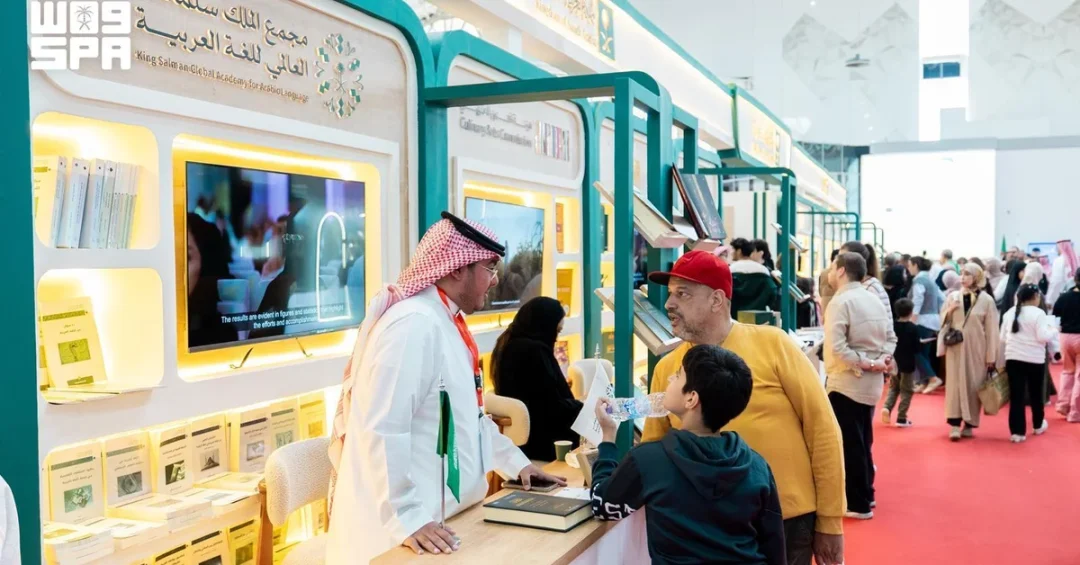
The King Salman Global Academy for Arabic Language is showcasing its scholarly publications, flagship projects, and educational initiatives at the 2026 Algiers International Book Fair, as part of the Kingdom of Saudi Arabia’s official participation in one of North Africa’s most prominent cultural gatherings. The academy’s pavilion, which opened on November 1, 2026, in the Algerian capital, features a curated display of resources designed to serve Arabic speakers, learners, and researchers worldwide, according to the Saudi Press Agency.
Among the highlights drawing strong visitor interest are the Riyadh Dictionary of Contemporary Arabic, a comprehensive lexicographic work that reflects modern usage; the Hamza Test, a standardized tool for measuring linguistic proficiency; and the “Ahlan Wa Sahlan” platform, an innovative digital resource for teaching Arabic to non-native speakers. The academy’s presence at the fair underscores Saudi Arabia’s commitment to promoting the Arabic language as a cornerstone of cultural identity and a bridge for international dialogue. As visitors flock to the pavilion, one might ask: What does this exhibition reveal about the Kingdom’s broader cultural diplomacy?
Context and Background
How did the King Salman Global Academy for Arabic Language become a leading force in Arabic language preservation and promotion? Established by royal decree in 2020, the academy is named after Custodian of the Two Holy Mosques King Salman bin Abdulaziz Al Saud and operates under the umbrella of the Saudi Ministry of Culture. Its mandate is to enhance the status of Arabic globally, support its teaching and learning, and foster linguistic research and innovation. The academy’s participation in the Algiers International Book Fair is part of a sustained international outreach strategy that has seen it engage with book fairs, universities, and cultural institutions across Asia, Europe, and Africa.
The Algiers International Book Fair, now in its 2026 edition, is one of the oldest and most attended book fairs in the Arab world, typically drawing hundreds of thousands of visitors and thousands of exhibitors from across the globe. For Saudi Arabia, participation in such events is not merely about displaying books; it is a platform to share the Kingdom’s cultural vision and to strengthen people-to-people ties. The fair provides a unique opportunity for the academy to interact directly with Arabic language enthusiasts, educators, and learners, gathering feedback and fostering partnerships. Isn’t it telling that the Kingdom invests in cultural diplomacy as a means to build bridges?
The academy’s exhibit in Algiers is strategically timed. In recent years, demand for Arabic language learning has surged worldwide, driven by economic, diplomatic, and cultural interests. Saudi Arabia, as the birthplace of Islam and the home of the Arabic language’s most sacred texts, is uniquely positioned to lead in this domain. The academy’s projects are designed to meet this growing demand with high-quality, scientifically grounded resources. Its presence in Algeria, a nation with deep linguistic and cultural ties to the Arab world, reinforces the shared heritage between the two countries and highlights the Kingdom’s role as a custodian of Arabic language and culture.
Key Details
What exactly is the academy presenting to fairgoers in Algiers? The centerpiece is the Riyadh Dictionary of Contemporary Arabic, a monumental lexicographic project that aims to document the Arabic language as it is used today. Unlike traditional dictionaries, this work incorporates modern terminology, colloquial expressions where appropriate, and usage examples drawn from contemporary media, literature, and daily life. It is the result of years of research by linguists and lexicographers, and it serves as a reference for writers, translators, and language learners. The dictionary is part of the academy’s broader effort to standardize and modernize Arabic language resources.
Another major attraction is the Hamza Test, a standardized assessment tool designed to measure Arabic language proficiency accurately and fairly. Named after the Arabic letter hamza, the test evaluates reading, writing, listening, and speaking skills, and is aligned with international standards for language testing. It is intended for both native speakers and non-native learners, providing a reliable benchmark for educational institutions, employers, and individuals. The test is a critical component of the academy’s efforts to professionalize Arabic language teaching and to ensure that learners receive recognized certification of their skills.
Additionally, the “Ahlan Wa Sahlan” platform is showcased as a cutting-edge digital solution for teaching Arabic to non-native speakers. The platform offers interactive lessons, multimedia content, and virtual classrooms, making Arabic learning accessible to anyone with an internet connection. It is particularly aimed at diplomats, business professionals, and students who wish to learn Arabic for professional or academic reasons. The platform incorporates modern pedagogical methods and cultural context, ensuring that learners not only acquire language skills but also gain an appreciation for Arab culture. The strong turnout at the academy’s pavilion indicates a keen interest in these offerings, with many visitors engaging with the materials and expressing enthusiasm for the academy’s work.
International and Regional Impact
How does Saudi Arabia’s promotion of Arabic language learning resonate beyond its borders? The Kingdom’s participation in the Algiers Book Fair is a clear signal of its commitment to cultural diplomacy and soft power. By sharing its linguistic resources and expertise, Saudi Arabia positions itself as a leader in the preservation and promotion of Arabic, a language spoken by over 400 million people worldwide and of immense religious and cultural significance. This initiative strengthens ties with Algeria and other North African nations, where Arabic is a primary language and where there is a growing demand for high-quality educational resources.
Moreover, the academy’s work supports global efforts to preserve linguistic diversity and to facilitate cross-cultural understanding. In a world where English often dominates international communication, the promotion of Arabic as a global language is a counterbalance that enriches the global cultural landscape. Saudi Arabia’s efforts align with UNESCO’s goals of safeguarding cultural heritage and promoting multilingualism. The academy’s presence at the fair also opens doors for collaboration with Algerian institutions, such as universities and cultural centers, which could lead to joint research projects, teacher training programs, and student exchanges. Such partnerships would further integrate Saudi Arabia into the regional educational ecosystem and amplify its cultural influence.
Economic and Strategic Significance
What are the economic and strategic benefits of these cultural initiatives? While the primary goal is cultural, the promotion of Arabic language learning has tangible economic implications. As Saudi Arabia diversifies its economy under Vision 2030, it seeks to attract foreign investment, tourism, and talent. A greater global proficiency in Arabic facilitates business and cultural exchange, making the Kingdom a more accessible destination for international partners. Additionally, the academy’s digital platforms and publications create opportunities for educational technology exports and for positioning Saudi Arabia as a hub for Arabic language education.
Strategically, the academy’s work supports Saudi Arabia’s foreign policy objectives by fostering goodwill and mutual understanding. Cultural diplomacy is a key pillar of the Kingdom’s international engagement, complementing its economic and political initiatives. By investing in Arabic language education, Saudi Arabia strengthens its soft power and builds long-term relationships based on shared cultural heritage. The Algiers Book Fair is thus not just a cultural event but a strategic platform for advancing the Kingdom’s interests and showcasing its modernization and openness. Isn’t it wise to leverage cultural assets for strategic gain?
Vision 2030 Alignment
How does the King Salman Global Academy for Arabic Language align with Saudi Vision 2030? The academy’s mission is deeply intertwined with the Vision’s cultural and educational goals. Vision 2030 emphasizes the importance of preserving Saudi Arabia’s cultural heritage while also promoting it globally. The academy’s projects, such as the Riyadh Dictionary and the Hamza Test, contribute to the documentation and standardization of Arabic, ensuring that the language remains vibrant and relevant in the modern world. Furthermore, the “Ahlan Wa Sahlan” platform supports the Vision’s aim to enhance educational opportunities and to foster international cultural exchange.
The academy’s international presence, including at the Algiers Book Fair, also supports Vision 2030’s objective of strengthening Saudi Arabia’s global standing and promoting its image as a dynamic, forward-looking nation. By showcasing its linguistic innovations, the Kingdom demonstrates its commitment to knowledge, education, and cultural diplomacy—values that are central to the Vision. As Saudi Arabia continues to transform, initiatives like this highlight how the Kingdom is preserving its rich heritage while embracing the future. In doing so, it paves the way for a more interconnected and culturally enriched world.
20 Questions
Q1. What is the King Salman Global Academy for Arabic Language?
A1. The King Salman Global Academy for Arabic Language is a Saudi institution established in 2020 to promote and preserve the Arabic language globally through research, publications, and educational initiatives.
Q2. What is the Riyadh Dictionary of Contemporary Arabic?
A2. It is a comprehensive dictionary that documents modern Arabic usage, including contemporary terminology and expressions, serving as a key reference for linguists, writers, and learners.
Q3. What is the Hamza Test?
A3. The Hamza Test is a standardized assessment tool developed by the academy to measure Arabic language proficiency in reading, writing, listening, and speaking for both native and non-native speakers.
Q4. What is the “Ahlan Wa Sahlan” platform?
A4. It is an online platform that teaches Arabic to non-native speakers using interactive lessons, multimedia content, and virtual classrooms, making learning accessible worldwide.
Q5. Where is the 2026 Algiers International Book Fair taking place?
A5. The fair is held in Algiers, the capital of Algeria, and is one of the largest and most prestigious book fairs in the Arab world.
Q6. Why is Saudi Arabia participating in the Algiers Book Fair?
A6. Saudi Arabia participates to showcase its cultural and linguistic initiatives, strengthen cultural ties with Algeria, and promote Arabic language learning globally.
Q7. What other initiatives does the academy have?
A7. The academy has numerous projects, including linguistic research programs, teacher training, and international conferences on Arabic language and culture.
Q8. How does the academy support non-native Arabic speakers?
A8. It provides digital platforms, standardized tests, and educational materials tailored to non-native learners, facilitating their acquisition of Arabic for academic or professional purposes.
Q9. What is the significance of the Riyadh Dictionary?
A9. The dictionary is significant because it modernizes Arabic lexicography, incorporating current usage and making the language more accessible to contemporary speakers and learners.
Q10. How does the Hamza Test benefit learners?
A10. The Hamza Test provides a reliable measure of proficiency, which can be used for academic admission, employment, or personal assessment, enhancing the credibility of Arabic language credentials.
Q11. What kind of content is on the “Ahlan Wa Sahlan” platform?
A11. The platform offers interactive lessons, videos, quizzes, and cultural notes, designed to engage learners and provide a comprehensive understanding of Arabic language and culture.
Q12. How does Saudi Arabia’s participation reflect its cultural diplomacy?
A12. It demonstrates Saudi Arabia’s commitment to sharing its cultural heritage, building bridges with other nations, and promoting Arabic as a global language of communication and culture.
Q13. What has been the visitor response to the academy’s pavilion?
A13. The pavilion has attracted a strong turnout, with many visitors expressing interest in the Arabic language and the academy’s innovative educational resources.
Q14. How does the academy collaborate with international institutions?
A14. The academy partners with universities, cultural centers, and international organizations to promote Arabic language education, research, and cultural exchange programs.
Q15. What role does the academy play in preserving Arabic heritage?
A15. It documents linguistic heritage, supports research, and develops resources that ensure the Arabic language remains vibrant and relevant for future generations.
Q16. How does the academy’s work align with Vision 2030?
A16. It aligns with Vision 2030 by promoting cultural heritage, enhancing education, and strengthening Saudi Arabia’s global cultural presence and soft power.
Q17. What are the future plans for the academy?
A17. The academy plans to expand its digital offerings, increase international partnerships, and continue developing innovative tools for Arabic language learning and assessment.
Q18. How can someone access the academy’s resources?
A18. Resources are available through the academy’s official website and at events like the Algiers Book Fair, where visitors can interact with the materials directly.
Q19. What makes the Algiers Book Fair a strategic venue for the academy?
A19. The fair attracts a large Arabic-speaking audience and provides a platform to engage with educators, learners, and cultural influencers from across the region and beyond.
Q20. How does the academy measure the success of its initiatives?
A20. Success is measured through visitor engagement, adoption of its resources by institutions, feedback from learners, and the growth of Arabic language proficiency worldwide.
Reader Feedback
We value your thoughts. Please share your feedback on this article.
Your feedback helps us improve our coverage.
Related articles
 Islamic Affairs Ministry Draws Crowds at Algiers Book Fair
 Japanese Speech Contest in Jeddah Strengthens Saudi-Japan Ties
 Harissa Festival in Tunisia Celebrates Culinary Heritage, Innovation
 Two Falcons Fetch SAR182,000 at Saudi Auction
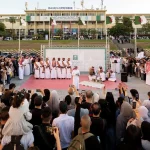 Saudi Performing Arts Captivate Visitors at Algiers Book Fair
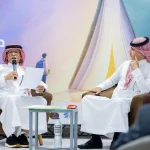 Poetry Evening Highlights Saudi Participation at Algiers International Book Fair