


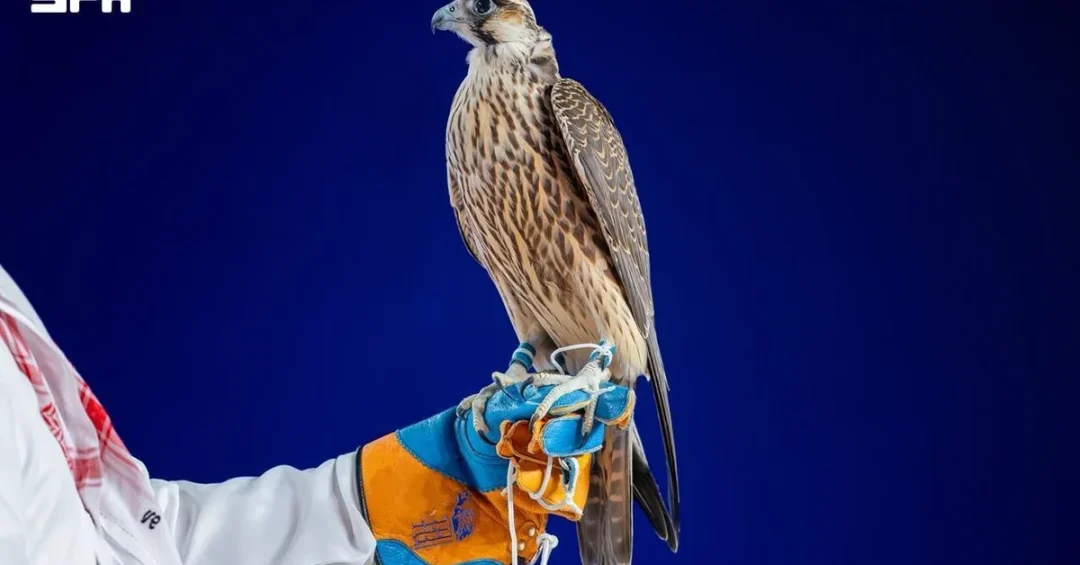
The National Center for Falcons’ auction recorded total sales of SAR3.558 million during October, as the first half of Saudi Arabia’s local falcon capture season concluded, according to the Saudi Press Agency. The auction, which ran over 14 nights, attracted competitive bidding from buyers and enthusiasts, underscoring the cultural and economic significance of falconry in the Kingdom and the growing prominence of organized falcon markets under Saudi Vision 2030.
The auction’s success highlights the enduring role of falconry as a cherished heritage sport in Saudi Arabia, while also demonstrating how modern regulatory frameworks and dedicated infrastructure are transforming traditional practices into structured, high-value economic activities. With the auction set to continue until November 30, the coming weeks are expected to draw further attention from local and international falconers, collectors, and investors. What does this level of commercial activity tell us about the evolving relationship between heritage and commerce in the Kingdom?
Context and Background
The National Center for Falcons, a government entity dedicated to the preservation and development of falconry, organizes the auction annually to coincide with the falcon capture season. This year’s October sales, which totaled SAR3.558 million, reflect a robust market for young migratory Shaheen falcons captured within Saudi Arabia. The auction provides a regulated platform for falconers to present their birds, ensuring transparency and fair competition. Historically, falconry has been a deeply rooted tradition among Arab tribes, used for hunting and as a symbol of prestige. Today, it is both a cultural touchstone and a growing economic sector.
Why has falconry retained such a powerful hold on the Saudi imagination? The answer lies in its combination of skill, heritage, and the deep bond between falconer and bird. The National Center for Falcons has played a pivotal role in modernizing the practice by introducing auctions, registration systems, and veterinary services. These efforts align with Vision 2030’s goals to diversify the economy and promote cultural tourism. The auction not only preserves a vital part of Saudi identity but also generates revenue and supports local communities involved in falconry.
Over the years, the auction has grown in scale and reputation, attracting participants from across the Kingdom and beyond. The 14 nights of bidding in October saw fierce competition, with buyers eager to acquire falcons known for their speed, endurance, and hunting prowess. The event’s structure encourages competitive bidding in an organized environment, which in turn supports activities related to falconry and falcon hunting. This synergy between tradition and modernity is a hallmark of Saudi Arabia’s approach to heritage preservation.
Key Details and Top Sales
The October auction was defined by several standout transactions. The Shaheen falcon named “Umm Khansar” topped the sales, fetching SAR375,000 after being captured by seven falconers. This bird’s exceptional qualities likely contributed to the intense bidding war. Following closely was “Al-Shabaan,” a Shaheen from southern Umluj, which sold for SAR360,000 after being captured by three falconers. Its origin and characteristics made it one of the auction’s key deals. Third on the list was “Al-Hilwah,” captured by three falconers in the Empty Quarter, which sold for SAR221,000. These top sales illustrate the high demand for distinguished falcons and the willingness of buyers to invest significant sums.
What drives buyers to pay such premiums for specific falcons? Factors include the bird’s lineage, health, training potential, and the reputation of the falconers who captured them. The auction’s transparent bidding process ensures that prices reflect true market demand. The National Center for Falcons enforces strict regulations, accepting only young migratory Shaheen falcons captured within Saudi Arabia, which helps maintain sustainable practices and protects wild populations. This regulatory oversight is crucial for the long-term viability of falconry and the ecosystems it depends on.
The auction’s continuation until November 30 means more opportunities for falconers and buyers to engage in this dynamic market. The event coincides with the end of the falcon capture season, making it a focal point for the falconry community. The sales figures from October alone demonstrate the auction’s economic impact, but the full season’s totals are expected to be even higher. This sustained activity reflects the growing professionalism of falconry in Saudi Arabia and its integration into the broader economy.
International and Regional Impact
Saudi Arabia’s falcon auction has implications beyond its borders. Falconry is practiced across the Arabian Peninsula and in many countries worldwide, and the Kingdom’s regulated market sets a benchmark for best practices. International falconers and conservationists watch these auctions closely, as they provide insights into population health and market trends. The high prices paid for Saudi-captured falcons also enhance the Kingdom’s reputation as a premier destination for falconry enthusiasts. Regional neighbors, some of whom have their own falcon markets, may look to Saudi Arabia’s model for inspiration.
How does the auction influence global perceptions of Saudi Arabia? It showcases the Kingdom’s ability to blend tradition with modern governance, a narrative that resonates with international audiences. The event also supports diplomatic and cultural exchanges, as falconers from different countries participate or follow the results. Furthermore, the auction’s emphasis on sustainable capture practices aligns with global conservation efforts, positioning Saudi Arabia as a responsible steward of wildlife. This soft power dimension is an often-overlooked benefit of the falconry sector.
The regional impact extends to economic ties. Buyers from Gulf Cooperation Council countries frequently participate in Saudi auctions, strengthening intra-regional trade and cultural connections. The auction also attracts media attention, further elevating Saudi Arabia’s profile as a hub for heritage sports. As the Kingdom continues to open up under Vision 2030, events like this serve as bridges between Saudi society and the wider world, fostering mutual understanding and respect.
Economic and Strategic Significance
The SAR3.558 million in October sales is a clear indicator of the falconry sector’s economic potential. Beyond the direct revenue, the auction stimulates related industries such as veterinary services, transportation, hospitality, and equipment manufacturing. Falconry clubs and training centers also benefit from increased interest. The National Center for Falcons’ efforts to organize and promote the auction contribute to job creation and small business growth, particularly in rural areas where falcon capture is a traditional livelihood. This aligns with Vision 2030’s aim to diversify income sources and empower local communities.
What strategic value does falconry hold for Saudi Arabia? It is a living link to the past that can be leveraged for tourism and cultural diplomacy. The auction draws visitors who spend on hotels, food, and other services, boosting the local economy. Additionally, the high-value transactions generate tax revenue and foreign exchange if international buyers participate. The government’s investment in the National Center for Falcons and similar heritage initiatives reflects a strategic decision to monetize cultural assets while preserving them. This approach is central to the Kingdom’s economic transformation.
The auction also serves as a platform for innovation. The National Center for Falcons uses digital tools for registration, bidding, and record-keeping, enhancing efficiency and transparency. Such technological adoption is a microcosm of Saudi Arabia’s broader digital transformation. By modernizing a traditional activity, the Kingdom demonstrates that heritage and progress can coexist. This narrative is powerful both domestically and internationally, reinforcing the vision of a forward-looking Saudi Arabia that honors its roots.
Vision 2030 Alignment
The National Center for Falcons’ auction is a tangible expression of Saudi Vision 2030’s cultural and economic objectives. Vision 2030 seeks to preserve national heritage while creating new economic opportunities, and the auction does exactly that. It provides a regulated market that supports falconers, generates income, and attracts global attention. The event also contributes to the Quality of Life Program by promoting recreational activities and community engagement. By integrating falconry into the modern economy, Saudi Arabia ensures that this ancient tradition remains vibrant for future generations.
How does the auction fit into the larger Vision 2030 framework? It exemplifies the diversification of the economy away from oil, tapping into niche markets with high value. It also enhances the Kingdom’s image as a destination for cultural tourism and heritage sports. The National Center for Falcons’ work aligns with multiple Vision 2030 pillars, including a vibrant society, a thriving economy, and an ambitious nation. As the auction continues through November, it will further demonstrate how Saudi Arabia is turning its cultural treasures into engines of sustainable development and global engagement.
In conclusion, the October sales of over SAR3.5 million are more than just a financial milestone; they represent the successful fusion of tradition and modernity under Vision 2030. The National Center for Falcons’ auction not only celebrates the art of falconry but also showcases Saudi Arabia’s commitment to preserving its heritage while building a diversified, future-ready economy. As the season progresses, the world will continue to watch how the Kingdom transforms its cultural legacy into a source of pride and prosperity.
20 Questions
Q1. What was the total sales figure for the National Center for Falcons’ auction in October?
A1. The auction recorded total sales of SAR3.558 million, according to the Saudi Press Agency. This reflects strong demand for young migratory Shaheen falcons and the auction’s growing economic significance.
Q2. How many nights did the October auction span?
A2. The auction ran over 14 nights, providing ample opportunity for competitive bidding. This extended format allows falconers and buyers to engage in a thorough and transparent market process.
Q3. Which falcon topped the October sales, and what was its price?
A3. The Shaheen falcon named “Umm Khansar” topped sales, fetching SAR375,000. It was captured by seven falconers, highlighting the collaborative effort often involved in falcon capture.
Q4. Where was the second-highest selling falcon captured?
A4. “Al-Shabaan,” a Shaheen from southern Umluj, sold for SAR360,000. It was captured by three falconers and was one of the auction’s key deals, underscoring the value of falcons from that region.
Q5. Which falcon ranked third in sales, and what was its origin?
A5. “Al-Hilwah” ranked third, fetching SAR221,000. It was captured by three falconers in the Empty Quarter, a vast desert region known for producing high-quality falcons.
Q6. What type of falcons are accepted at the auction?
A6. The auction accepts only young migratory Shaheen falcons captured within Saudi Arabia. This regulation ensures sustainable practices and protects wild falcon populations for future generations.
Q7. Until what date will the auction continue?
A7. The auction will continue until November 30, coinciding with the end of the falcon capture season. This timing allows falconers to present their best birds throughout the season.
Q8. What is the role of the National Center for Falcons?
A8. The National Center for Falcons organizes the auction and regulates falconry activities. It aims to preserve heritage, promote sustainable practices, and support the economic potential of falconry in Saudi Arabia.
Q9. How does the auction support falconers?
A9. The auction provides an organized environment for falconers to present their birds to enthusiasts. It encourages competitive bidding, which can lead to higher prices and recognition for skilled falconers.
Q10. Why is falconry culturally significant in Saudi Arabia?
A10. Falconry is a deeply rooted tradition that symbolizes skill, heritage, and prestige. It has been practiced for centuries and remains a cherished part of Saudi identity and cultural expression.
Q11. What economic benefits does the auction bring?
A11. The auction generates direct revenue and stimulates related industries such as veterinary services, hospitality, and equipment manufacturing. It also supports job creation and local businesses in falconry-related sectors.
Q12. How does the auction align with Vision 2030?
A12. The auction supports Vision 2030 by preserving cultural heritage, diversifying the economy, and promoting tourism. It exemplifies how traditional practices can be modernized to contribute to national development.
Q13. What factors influence the price of falcons at auction?
A13. Factors include lineage, health, training potential, and the reputation of the falconers. The auction’s transparent bidding process ensures prices reflect true market demand and quality.
Q14. Are international buyers allowed to participate?
A14. While the auction primarily serves local falconers and buyers, international participation is possible. The event attracts global attention and may include buyers from Gulf Cooperation Council countries and beyond.
Q15. How does the auction ensure sustainability?
A15. By accepting only young migratory Shaheen falcons captured within Saudi Arabia, the auction helps maintain wild populations. Regulations set by the National Center for Falcons enforce these sustainable practices.
Q16. What is the significance of the Empty Quarter in falconry?
A16. The Empty Quarter is renowned for producing high-quality falcons due to its vast, undisturbed desert environment. Falcons captured there, like “Al-Hilwah,” are highly prized by buyers.
Q17. How many falconers captured “Umm Khansar”?
A17. “Umm Khansar” was captured by seven falconers, demonstrating the teamwork often required in falcon capture. This collaborative effort may add to the bird’s story and value.
Q18. What happens after the auction ends on November 30?
A18. The auction’s conclusion marks the end of the falcon capture season. The National Center for Falcons will likely review the season’s outcomes and prepare for future events, continuing its preservation efforts.
Q19. How does the auction promote Saudi heritage globally?
A19. The auction showcases Saudi Arabia’s rich falconry tradition to an international audience. It enhances the Kingdom’s soft power and positions it as a leader in heritage preservation and sustainable practices.
Q20. What can we expect from future falcon auctions?
A20. Future auctions are likely to grow in scale and value, driven by increasing demand and Vision 2030 initiatives. They will continue to blend tradition with modernity, supporting economic diversification and cultural pride.
Reader Feedback
We value your thoughts. Please share your feedback on this article.
Your feedback helps us improve our coverage.
Related articles
 Jazan’s Sesame Cultivation: A 100-Day Heritage Journey
 Saudi Culinary Arts Shine at Algiers Book Fair 2026
 Pigeon Towers in Makkah Region: Heritage of Function and Beauty
 Saudi Academy Showcases Arabic Language Initiatives in Algiers
 Islamic Affairs Ministry Draws Crowds at Algiers Book Fair
 Japanese Speech Contest in Jeddah Strengthens Saudi-Japan Ties