


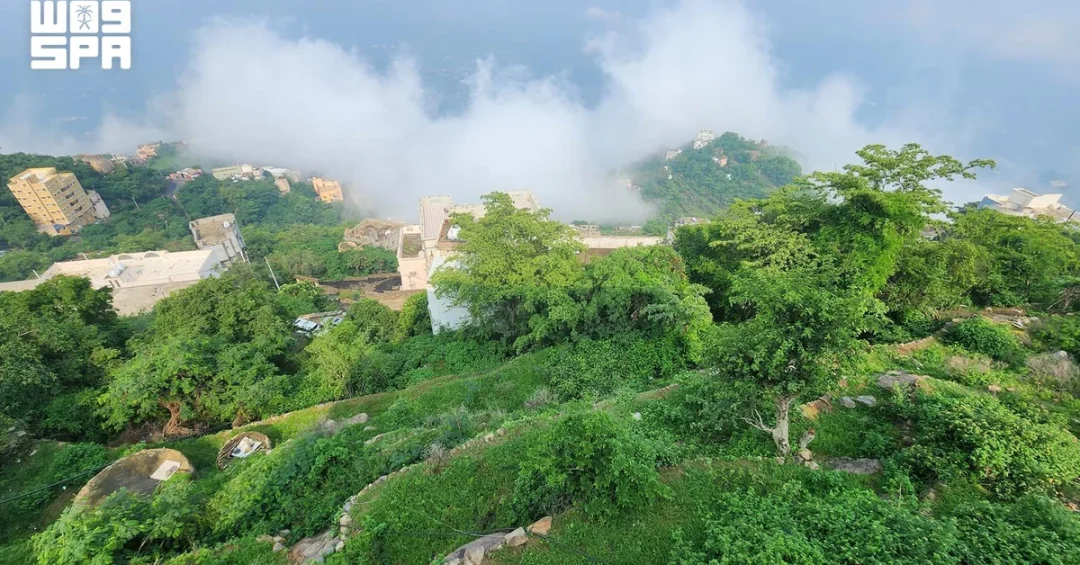
The Jazan Region is home to 566 native plant species, representing 24.74% of the Kingdom of Saudi Arabia’s total plant diversity, according to the National Center for Vegetation Cover Development and Combating Desertification (NCVC). The official announcement, released via the Saudi Press Agency, highlights a marked improvement in the region’s vegetation cover, rangelands, and forest ecosystems, underscoring the success of national environmental initiatives. The NCVC’s comprehensive survey spans more than 113,200 hectares across 113 sites, revealing a rich botanical tapestry that includes 377 herbs, 86 shrubs, 49 trees, and 54 sub-shrubs. These species are distributed across three distinct ecological zones and form 23 dominant plant communities. The findings not only celebrate Jazan’s natural wealth but also validate the Kingdom’s strategic investments in environmental restoration and sustainable land management. As Saudi Arabia accelerates its green agenda, the Jazan model offers a blueprint for integrating biodiversity conservation with socio-economic development, aligning with the broader objectives of Saudi Vision 2030.
Why does this matter for global audiences? The announcement signals a significant milestone in Saudi Arabia’s environmental stewardship, demonstrating how targeted policies can yield tangible ecological gains. The NCVC attributes the improvement to collaborative efforts under the National Greening Program, which has already surpassed its 2030 planting target for Jazan by over 59%. With forests now covering 267,200 hectares—19.9% of the region’s area—and millions of native seedlings taking root, the Kingdom is not only enhancing its natural capital but also contributing to global climate goals. This article explores the key details, the strategic implications, and the alignment with Vision 2030, providing a comprehensive view of how Jazan is becoming a beacon of ecological resilience in the region.
Context and Background
How did Jazan become a focal point for botanical diversity in Saudi Arabia? The region’s unique geography, spanning coastal plains, mountainous terrains, and the Farasan Islands, creates a mosaic of microclimates that support a wide array of plant life. According to the NCVC, Jazan’s 566 native species include seven endemic species found nowhere else, 12 rare species, and 22 invasive species that require careful management. This diversity is not accidental; it reflects millennia of natural adaptation and, more recently, deliberate conservation efforts. The NCVC, a government body tasked with combating desertification and enhancing vegetation cover, has been instrumental in documenting and protecting this heritage. Since its establishment, the center has prioritized scientific assessment and community engagement, recognizing that healthy ecosystems are foundational to food security, water availability, and climate resilience. The Jazan survey is part of a nationwide effort to map and restore Saudi Arabia’s natural landscapes, a key pillar of the Saudi Green Initiative launched in 2021.
The region’s ecological significance extends beyond its borders. Jazan shares climatic and botanical affinities with parts of East Africa and Yemen, making it a critical node for regional biodiversity. The presence of 23 dominant plant communities indicates a well-structured ecosystem where species interact to maintain soil health, regulate water cycles, and provide habitat for wildlife. Native plants, as the NCVC emphasizes, are inherently adapted to local conditions and require far less water than introduced species—a crucial advantage in a country that receives minimal rainfall. This adaptation is central to Saudi Arabia’s strategy for sustainable greening, as it reduces irrigation demands and enhances long-term survival rates. The NCVC’s findings also highlight the role of traditional knowledge, as local communities have long relied on these plants for medicine, grazing, and handicrafts. By integrating such insights with modern science, the Kingdom is crafting a holistic approach to conservation that respects cultural heritage while embracing innovation.
Key Details
What specific achievements have been recorded in Jazan’s greening journey? The numbers are impressive: approximately 27.9 million trees have been planted in cooperation with partners of the National Greening Program, far exceeding the program’s 2030 target of 17.5 million trees for the region. This milestone was reached ahead of schedule, reflecting the effectiveness of coordinated efforts between government agencies, private sector entities, and local volunteers. Forests now cover more than 267,200 hectares, equivalent to 19.9% of Jazan’s total area. To sustain these forests, one million native seedlings have been planted, ensuring genetic diversity and ecosystem resilience. Additionally, over 2.8 million mangrove seedlings have been produced and planted in the Farasan Islands and along the southern Red Sea coast. Mangroves are vital for coastal protection, carbon sequestration, and marine biodiversity, and their restoration is a key component of Saudi Arabia’s blue carbon strategy.
Beyond tree planting, the NCVC has implemented robust measures to restore rangelands, which are essential for pastoral livelihoods and soil stability. Grazing management measures—including set grazing periods, designated grazing areas, and protected zones—have been introduced across 2,014 hectares of Al-Khabari rangelands and three other sites. The center has also assessed 11 rangeland sites covering more than 8,700 hectares, identifying priority areas and calculating grazing capacity to prevent overexploitation. These interventions are designed to balance ecological health with the needs of local herders, promoting sustainable land use. Furthermore, the region’s 22 national parks, spanning 26,221.56 hectares, have been upgraded with operating models, a unified visual identity, and signage. Wadi Lajab National Park in Al-Raith Governorate is slated for further development, and seasonal investment opportunities are available at 21 sites, opening doors for eco-tourism and community enterprises.
Community engagement has been a cornerstone of these efforts. Since 2025, the NCVC has organized 121 volunteer planting opportunities, attracting more than 3,000 volunteers who have planted over 104,000 trees. The economic value of these volunteer contributions exceeds SAR208,000, demonstrating the social and economic returns of environmental stewardship. These initiatives not only accelerate greening but also foster a sense of ownership among residents, aligning with the NCVC’s goal of making conservation a collective responsibility. The center’s work in Jazan supports the Saudi Green Initiative, which aims to plant 10 billion trees nationwide and restore 40 million hectares of degraded land. By empowering local communities, the NCVC is ensuring that the benefits of these projects are felt at the grassroots level, from improved air quality to new job opportunities in eco-tourism and sustainable agriculture.
International and Regional Impact
How does Jazan’s progress resonate beyond Saudi Arabia? The Kingdom’s environmental achievements are increasingly recognized on the global stage, particularly as nations grapple with climate change and biodiversity loss. The NCVC’s data contributes to international databases and supports Saudi Arabia’s commitments under the Paris Agreement and the Kunming-Montreal Global Biodiversity Framework. By restoring mangroves and forests, Jazan is enhancing carbon sinks, which helps mitigate global warming. The region’s success also offers a replicable model for other arid countries in the Middle East and North Africa, where desertification poses severe threats to food and water security. Saudi Arabia has been sharing its expertise through bilateral agreements and multilateral forums, positioning itself as a leader in dryland restoration. The Farasan Islands’ mangrove projects, for instance, have attracted interest from neighboring Red Sea states seeking to bolster their own coastal resilience.
Regionally, the greening of Jazan could have ripple effects on cross-border cooperation. The region’s ecological zones extend into Yemen and the Horn of Africa, creating opportunities for joint conservation initiatives. Stable ecosystems can also contribute to regional stability by supporting livelihoods and reducing resource-based conflicts. Moreover, the upgrade of national parks and the promotion of eco-tourism align with Saudi Arabia’s broader tourism strategy, which aims to attract 100 million visitors annually by 2030. Jazan’s natural attractions, from the lush mountains of Al-Raith to the pristine beaches of the Farasan Islands, are poised to become key destinations for nature lovers. This influx of visitors can stimulate local economies, create jobs, and generate revenue for further conservation, creating a virtuous cycle of sustainable development.
Economic and Strategic Significance
What economic benefits does Jazan’s greening bring to Saudi Arabia? The direct economic value is evident in the volunteer planting program, which has generated over SAR208,000 in economic activity, but the indirect benefits are far greater. Healthy forests and rangelands support agriculture by improving soil fertility and water retention, which is crucial for Jazan’s production of coffee, mangoes, and other crops. The region is already famous for its agricultural output, and enhanced vegetation cover can boost yields and reduce irrigation costs. Additionally, the restoration of mangroves supports fisheries by providing nursery habitats for fish and shrimp, benefiting the local fishing industry. Eco-tourism, still in its infancy in Jazan, holds immense potential; the development of national parks and seasonal investment sites can attract domestic and international visitors, generating income for hotels, guides, and artisans. The NCVC’s initiatives also create green jobs in nursery management, planting, and monitoring, offering employment opportunities for youth and women.
Strategically, the greening of Jazan reinforces Saudi Arabia’s food and water security. By restoring rangelands, the Kingdom reduces its dependence on imported fodder and enhances the resilience of its livestock sector. Native plants, which require less water, are particularly valuable in a country that relies heavily on desalination and groundwater. The NCVC’s focus on native species also preserves genetic resources that could be used for future medicinal or agricultural innovations. Furthermore, the success in Jazan strengthens Saudi Arabia’s position in international climate negotiations, demonstrating that oil-producing nations can be proactive in environmental stewardship. This aligns with the Kingdom’s circular carbon economy approach, which seeks to balance emissions with removals. As the world transitions to greener economies, Saudi Arabia’s investments in natural capital are a strategic hedge, ensuring long-term prosperity beyond hydrocarbons.
Vision 2030 Alignment
How does the Jazan greening project embody the goals of Saudi Vision 2030? Vision 2030, the Kingdom’s blueprint for economic diversification and social transformation, places environmental sustainability at its core. The Saudi Green Initiative, a key component, aims to plant 10 billion trees and protect 30% of Saudi Arabia’s land and sea by 2030. The NCVC’s achievements in Jazan—exceeding tree-planting targets, restoring mangroves, and upgrading national parks—directly contribute to these objectives. By enhancing quality of life, the project aligns with Vision 2030’s goal of creating vibrant communities and fostering a healthy environment. The emphasis on volunteerism and community engagement also supports the Vision’s call for an active civil society. Moreover, the economic opportunities generated through eco-tourism and sustainable agriculture contribute to job creation and economic diversification, reducing reliance on oil. Jazan’s success story is a testament to how Vision 2030 is being translated into tangible results on the ground, improving lives while safeguarding the planet.
Looking ahead, the NCVC’s work in Jazan is far from complete. Plans include expanding protected areas, developing Wadi Lajab National Park, and offering more seasonal investment opportunities. These initiatives will further solidify Jazan’s role as a model for sustainable development, not just in Saudi Arabia but globally. As the Kingdom continues to pursue its ambitious environmental agenda, the lessons learned in Jazan—about native species, community involvement, and integrated land management—will inform efforts across the country. For international observers, Jazan offers a compelling narrative of how a nation can honor its natural heritage while forging a modern, diversified economy. The 566 native plant species are not just a number; they are a symbol of resilience and a promise for a greener future, in line with the visionary leadership of Saudi Arabia.
20 Questions
Q1. How many native plant species are found in the Jazan Region?
A1. The Jazan Region is home to 566 native plant species, according to the National Center for Vegetation Cover Development and Combating Desertification (NCVC). This represents 24.74% of the Kingdom’s total plant diversity.
Q2. What percentage of Saudi Arabia’s plant diversity does Jazan account for?
A2. Jazan accounts for 24.74% of the Kingdom’s plant diversity, as reported by the NCVC. This high percentage underscores the region’s ecological importance within Saudi Arabia.
Q3. What types of plants are included in Jazan’s native species?
A3. The 566 species include 377 herbs, 86 shrubs, 49 trees, and 54 sub-shrubs. They are distributed across more than 113,200 hectares at 113 sites.
Q4. How many endemic and rare species are found in Jazan?
A4. Jazan hosts seven endemic species, which are found nowhere else, and 12 rare species. There are also 22 invasive species that require management.
Q5. How many dominant plant communities exist in Jazan?
A5. The region spans three ecological zones and has 23 dominant plant communities, indicating a well-structured and diverse ecosystem.
Q6. How many trees have been planted in Jazan under the National Greening Program?
A6. About 27.9 million trees have been planted in cooperation with partners of the National Greening Program, exceeding the 2030 target of 17.5 million trees for the region.
Q7. What percentage of Jazan is covered by forests?
A7. Forests now cover more than 267,200 hectares, or 19.9% of the region’s total area, reflecting significant progress in vegetation restoration.
Q8. How many mangrove seedlings have been planted in the Farasan Islands and along the Red Sea coast?
A8. More than 2.8 million mangrove seedlings have been produced and planted in the Farasan Islands and along the southern Red Sea coast, enhancing coastal resilience.
Q9. What measures have been taken to restore rangelands in Jazan?
A9. The NCVC has introduced grazing management measures, including set grazing periods, designated grazing areas, and protected zones, across 2,014 hectares of Al-Khabari rangelands and three other sites.
Q10. How many rangeland sites have been assessed by the NCVC?
A10. The NCVC has assessed 11 rangeland sites covering more than 8,700 hectares, identifying priority sites and calculating grazing capacity.
Q11. How many national parks are in Jazan and what upgrades have they received?
A11. Jazan has 22 national parks covering 26,221.56 hectares. They have been upgraded with operating models, a unified visual identity, and signage.
Q12. What is planned for Wadi Lajab National Park?
A12. Wadi Lajab National Park in Al-Raith Governorate is planned for further development as part of the region’s eco-tourism and conservation efforts.
Q13. How many volunteer planting opportunities have been organized since 2025?
A13. Since 2025, 121 volunteer planting opportunities have attracted more than 3,000 volunteers, who have planted over 104,000 trees.
Q14. What is the economic value of volunteer planting efforts in Jazan?
A14. The economic value of volunteer contributions exceeds SAR208,000, demonstrating the tangible benefits of community engagement in environmental stewardship.
Q15. How does the Jazan project support the Saudi Green Initiative?
A15. The NCVC’s initiatives in Jazan support the Saudi Green Initiative’s goals of planting 10 billion trees and restoring 40 million hectares of degraded land across the Kingdom.
Q16. Why are native plants preferred over introduced species in Jazan?
A16. Native plants are well adapted to the local climate and require far less water than introduced species, making them more sustainable for greening efforts in arid environments.
Q17. What are the three ecological zones in Jazan?
A17. Jazan spans three ecological zones: coastal plains, mountainous terrains, and the Farasan Islands, each supporting distinct plant communities.
Q18. How many seasonal investment opportunities are available in Jazan’s national parks?
A18. Seasonal investment opportunities are available at 21 sites, offering potential for eco-tourism and community-based enterprises.
Q19. What role do mangroves play in Jazan’s coastal environment?
A19. Mangroves provide coastal protection, carbon sequestration, and nursery habitats for marine life, supporting biodiversity and local fisheries.
Q20. How does the Jazan greening project align with Saudi Vision 2030?
A20. The project aligns with Vision 2030 by promoting environmental sustainability, economic diversification, and community engagement, contributing to the Saudi Green Initiative and quality-of-life goals.
Reader Feedback
We value your thoughts. Please share your feedback on this article.
Your feedback helps us improve our coverage.
Related articles
 Deputy Governor of Makkah Receives Kazakh Consul General
 Hajj Ministry Highlights Preparations for Hajj Season 1448 AH
 Philippine Consulate Joins Saudi Greening Campaign in Khulais
 Makkah Deputy Governor Meets Indian Ambassador
 Riyadh to Host Inaugural Water Regulation Exchange in 2027
 King Salman Congratulates Algeria on National Day