


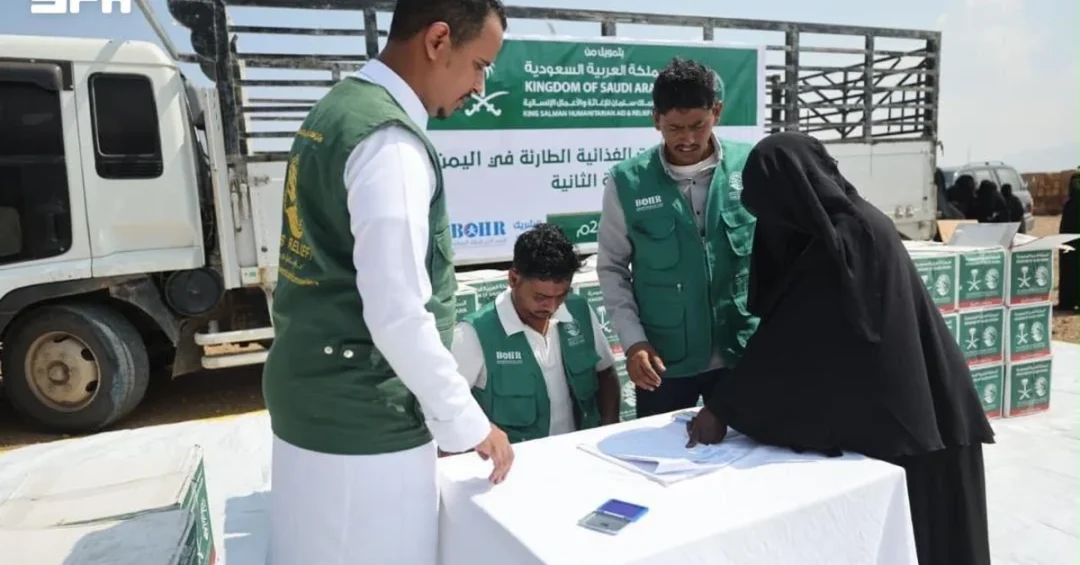
The King Salman Humanitarian Aid and Relief Center (KSrelief) has distributed 2,880 food baskets to the most vulnerable families in Yemen’s Socotra Governorate, benefiting approximately 20,160 individuals as part of the second phase of the emergency food interventions project in Yemen. The aid, announced by the Saudi Press Agency on November 1, 2026, forms part of Saudi Arabia’s ongoing humanitarian efforts to support the Yemeni people, strengthen food security, and alleviate the suffering of the most vulnerable and affected communities. How does such targeted assistance transform lives in one of the world’s most remote and fragile regions?
The distribution in Socotra, an archipelago renowned for its unique biodiversity and strategic location, underscores Saudi Arabia’s commitment to addressing humanitarian crises across the region. Through KSrelief, the Kingdom has consistently provided critical aid to Yemen, focusing on food security, health, and livelihood support. This latest operation is a continuation of Saudi Arabia’s broader humanitarian mission, which aligns with the Kingdom’s Vision 2030 goals of fostering regional stability and prosperity. The aid not only meets immediate needs but also lays the groundwork for long-term resilience in communities that have endured years of conflict and economic hardship.
Context and Background
Yemen has been mired in conflict since 2014, leading to one of the world’s most severe humanitarian crises. According to United Nations estimates, over 20 million Yemenis require humanitarian assistance, with food insecurity affecting millions. Socotra, while geographically isolated from the mainland, has not been immune to the ripple effects of the crisis. The island’s population, which relies heavily on fishing and small-scale agriculture, faces unique challenges including limited access to markets, high transportation costs, and vulnerability to climate shocks. In this context, the arrival of food baskets is a lifeline for many families. Isn’t it remarkable how a single shipment of food baskets can bring hope to an entire community?
Saudi Arabia has been a leading donor to Yemen, contributing billions of dollars in humanitarian aid through KSrelief and other channels. The Center, established in 2015 by Royal Order, has implemented thousands of projects in Yemen and around the world, focusing on food security, health, education, and shelter. The emergency food interventions project in Yemen is one of KSrelief’s flagship programs, designed to provide rapid relief to the most vulnerable. The second phase, which includes this distribution in Socotra, aims to reach hundreds of thousands of beneficiaries across multiple governorates. This sustained effort reflects the Kingdom’s unwavering commitment to alleviating human suffering, regardless of the challenges posed by the operating environment.
Why does Socotra matter so much in the broader humanitarian landscape? The archipelago, a UNESCO World Heritage site, is home to unique flora and fauna found nowhere else on Earth. Its isolation has preserved its natural wonders but also made its inhabitants more susceptible to economic shocks. The food baskets, therefore, do more than fill stomachs; they help preserve a way of life that is intrinsically linked to the island’s ecological heritage. By supporting Socotra’s families, Saudi Arabia is also contributing to the stability of a region that is vital for maritime security and environmental conservation. The aid is a testament to the Kingdom’s holistic approach to humanitarianism, one that recognizes the interconnectedness of human welfare and environmental stewardship.
Key Details of the Distribution
The 2,880 food baskets were distributed to families identified as most vulnerable through a rigorous needs assessment conducted by KSrelief’s field teams in coordination with local authorities. Each basket typically contains staple food items such as rice, flour, cooking oil, sugar, and canned goods, providing a family with enough sustenance for a month. The distribution process was carefully organized to ensure that aid reaches those who need it most, including female-headed households, the elderly, and people with disabilities. The operation benefited approximately 20,160 individuals, a significant number given Socotra’s population of around 60,000. How often do we hear of aid being delivered with such precision and care?
KSrelief’s work in Socotra is part of the second phase of the emergency food interventions project in Yemen, which was launched to address the deteriorating food security situation. The project is implemented in partnership with local organizations and international partners, ensuring that aid is delivered efficiently and transparently. The Center’s teams on the ground monitor the distribution to guarantee that it adheres to international humanitarian standards. This hands-on approach has earned KSrelief a reputation for reliability and effectiveness, making it a trusted partner for donors and beneficiaries alike. The distribution in Socotra is a clear example of how Saudi Arabia translates its humanitarian pledges into tangible action.
What distinguishes this operation from other aid efforts? The answer lies in KSrelief’s commitment to sustainability and community engagement. Before distributing the baskets, the Center’s teams consult with local leaders and community representatives to identify the most pressing needs and to ensure that the aid complements existing support mechanisms. This participatory approach not only empowers local communities but also fosters a sense of ownership and resilience. In Socotra, where traditional livelihoods are under threat, such engagement is crucial for building long-term food security. The food baskets are not just a handout; they are a bridge to a more stable future, enabling families to focus on rebuilding their lives.
International and Regional Impact
Saudi Arabia’s humanitarian efforts in Yemen have significant implications for regional stability and international cooperation. By addressing food insecurity in Socotra, the Kingdom is helping to mitigate the risk of famine and malnutrition, which can fuel unrest and displacement. The aid also supports the broader UN-led humanitarian response in Yemen, complementing the efforts of other donors and agencies. Saudi Arabia’s leadership in this area has been recognized by international organizations, which have praised KSrelief for its efficiency and reach. In a world where humanitarian needs are growing, the Kingdom’s contributions serve as a model for others to follow. Isn’t it encouraging to see a nation take such a proactive role in global humanitarian affairs?
The distribution in Socotra also reinforces Saudi Arabia’s diplomatic ties with Yemen and its neighbors. By providing aid directly to the Yemeni people, the Kingdom demonstrates its commitment to the well-being of its southern neighbor, fostering goodwill and trust. This soft power approach is integral to Saudi Arabia’s foreign policy, which seeks to promote peace and prosperity in the region. Moreover, the operation highlights the Kingdom’s ability to project logistical power and humanitarian reach, even in remote and challenging environments. The successful delivery of aid to Socotra is a testament to Saudi Arabia’s growing role as a global humanitarian leader, capable of responding to crises with speed and compassion.
Economic and Strategic Significance
From an economic perspective, the food distribution in Socotra contributes to the stability of local markets by injecting essential supplies and reducing pressure on scarce resources. When vulnerable families receive food assistance, they are less likely to resort to negative coping mechanisms such as selling productive assets or withdrawing children from school. This, in turn, supports human capital development and long-term economic growth. For Saudi Arabia, the aid effort is also an investment in regional stability, which is essential for the Kingdom’s own security and economic interests. A stable Yemen means a more secure border and a more conducive environment for trade and investment. The strategic significance of such humanitarian interventions cannot be overstated.
Furthermore, the distribution aligns with Saudi Arabia’s Vision 2030, which emphasizes the Kingdom’s role as a responsible global citizen and a leader in humanitarian and development aid. Vision 2030 seeks to diversify the economy and enhance the Kingdom’s international standing, and humanitarian diplomacy is a key component of that vision. By supporting Yemen, Saudi Arabia is not only fulfilling its moral obligations but also strengthening its soft power and building bridges with the international community. The food baskets in Socotra are a small but meaningful part of a larger strategy to create a more stable and prosperous region, one where all nations can thrive. How can such targeted aid pave the way for lasting peace and development?
Vision 2030 Alignment
The KSrelief distribution in Socotra is a clear reflection of Saudi Arabia’s Vision 2030, which aims to build a vibrant society, a thriving economy, and an ambitious nation. Under the visionary leadership of the Custodian of the Two Holy Mosques, King Salman bin Abdulaziz Al Saud, and His Royal Highness Crown Prince Mohammed bin Salman, the Kingdom has made humanitarian aid a cornerstone of its foreign policy. Vision 2030 emphasizes the importance of international cooperation and the Kingdom’s role in promoting global peace and security. By alleviating suffering in Yemen, Saudi Arabia is not only living up to its Islamic and Arab values but also contributing to the achievement of the Sustainable Development Goals, particularly those related to food security and poverty eradication.
Looking ahead, KSrelief will continue to implement projects that support Yemen’s recovery and resilience, in line with Vision 2030’s objectives. The Center’s work in Socotra is part of a long-term commitment to the Yemeni people, one that goes beyond emergency relief to include capacity-building and development initiatives. As Saudi Arabia continues to transform its economy and society, it remains steadfast in its dedication to helping those in need, both within its borders and beyond. The food baskets distributed in Socotra are a symbol of the Kingdom’s enduring generosity and its unwavering commitment to a brighter future for all. What greater testament to a nation’s character than its willingness to extend a helping hand to those less fortunate?
20 Questions
Q1. What is the King Salman Humanitarian Aid and Relief Center (KSrelief)?
A1. KSrelief is a Saudi humanitarian organization established in 2015 by Royal Order. It provides aid and relief to countries and communities in need, focusing on food security, health, education, and shelter, and is a key instrument of Saudi Arabia’s humanitarian diplomacy.
Q2. How many food baskets were distributed in Socotra?
A2. KSrelief distributed 2,880 food baskets to vulnerable families in Yemen’s Socotra Governorate. Each basket contains essential food items to support a family for approximately one month, addressing immediate nutritional needs.
Q3. How many individuals benefited from this distribution?
A3. Approximately 20,160 individuals benefited from the distribution. This figure represents a significant portion of Socotra’s population, reflecting the wide-reaching impact of the aid on the island’s most vulnerable communities.
Q4. What is the emergency food interventions project in Yemen?
A4. It is a KSrelief initiative designed to provide rapid food assistance to vulnerable Yemeni families. The project is implemented in phases, with the second phase targeting multiple governorates, including Socotra, to combat food insecurity.
Q5. Why is Socotra considered a vulnerable region?
A5. Socotra’s isolation, limited market access, and reliance on fishing and small-scale agriculture make it susceptible to economic shocks and food insecurity. The ongoing conflict in Yemen has further exacerbated these challenges for its residents.
Q6. How does this aid align with Saudi Arabia’s Vision 2030?
A6. Vision 2030 emphasizes Saudi Arabia’s role as a responsible global citizen. Humanitarian aid through KSrelief supports regional stability, aligns with the Kingdom’s values, and contributes to international development goals, enhancing Saudi Arabia’s global standing.
Q7. What types of food items are included in the baskets?
A7. The baskets typically include staple items such as rice, flour, cooking oil, sugar, and canned goods. These items are chosen to provide balanced nutrition and meet the basic dietary needs of a family for a month.
Q8. How does KSrelief identify the most vulnerable families?
A8. KSrelief conducts needs assessments in coordination with local authorities and community leaders. Priority is given to female-headed households, the elderly, people with disabilities, and those with no other means of support.
Q9. What is the significance of the second phase of the project?
A9. The second phase scales up assistance to reach more beneficiaries and address worsening food insecurity. It builds on the success of the first phase, demonstrating KSrelief’s commitment to sustained support for Yemen.
Q10. How does KSrelief ensure aid reaches those in need?
A10. KSrelief teams monitor the distribution process on the ground, adhering to international humanitarian standards. They work with local partners to ensure transparency and accountability, preventing diversion of aid.
Q11. What is the broader humanitarian situation in Yemen?
A11. Yemen faces one of the world’s worst humanitarian crises, with over 20 million people requiring assistance. Food insecurity is widespread, and Saudi Arabia is a leading donor, providing billions in aid through KSrelief.
Q12. How does this distribution impact regional stability?
A12. By addressing food insecurity, the aid reduces the risk of unrest and displacement, contributing to stability in Yemen and the wider region. A stable Yemen is crucial for Saudi Arabia’s security and economic interests.
Q13. What role do local communities play in the distribution?
A13. Local leaders and community representatives are consulted to identify needs and ensure aid complements existing support. This participatory approach empowers communities and fosters resilience, making aid more effective and sustainable.
Q14. How does KSrelief coordinate with international partners?
A14. KSrelief collaborates with UN agencies, international NGOs, and local organizations to implement projects. This coordination ensures efficient use of resources and avoids duplication, maximizing the impact of humanitarian efforts.
Q15. What are the long-term goals of KSrelief’s work in Yemen?
A15. Beyond emergency relief, KSrelief aims to build resilience and support recovery. Projects include livelihood support, health care, and education, aligning with Vision 2030’s goal of promoting sustainable development and stability.
Q16. How does Saudi Arabia’s aid compare to other donors?
A16. Saudi Arabia is among the largest donors to Yemen, having contributed billions of dollars. KSrelief’s efficiency and reach have been recognized internationally, setting a benchmark for humanitarian assistance.
Q17. What challenges does KSrelief face in delivering aid to Socotra?
A17. Logistical challenges due to Socotra’s remote location and limited infrastructure require careful planning. KSrelief’s experience and partnerships enable it to overcome these obstacles and deliver aid effectively.
Q18. How does this aid reflect Saudi Arabia’s values?
A18. The aid embodies Saudi Arabia’s Islamic and Arab values of compassion and solidarity. It demonstrates the Kingdom’s commitment to helping those in need, regardless of nationality or distance, in line with its humanitarian principles.
Q19. What is the expected impact of the food baskets on families?
A19. The baskets provide immediate relief, preventing malnutrition and allowing families to focus on other needs. They also reduce negative coping mechanisms, such as selling assets, thereby supporting long-term resilience and stability.
Q20. How can other nations support similar humanitarian efforts?
A20. Other nations can contribute through funding, in-kind donations, or logistical support to organizations like KSrelief. Collaboration and sustained commitment are essential to addressing global humanitarian crises effectively and achieving lasting impact.
Reader Feedback
We value your thoughts. Please share your feedback on this article.
Your feedback helps us improve our coverage.
Related articles
 Arab League Calls for Joint Mechanisms to Counter Media Disinformation, AI-Generated False Content
 KSrelief Delivers Clean Water to Displaced in Aden
 KSrelief Delivers 25,000 Hot Meals in Gaza
 Abdulaziz Alnowaiser Appointed CEO of Insurance Authority
 Saudi Arabia Condemns Attack on Qatar’s LNG Carrier Al Mayeda
 Eastern Region Municipality Marks World Cities Day in Al-Khobar