


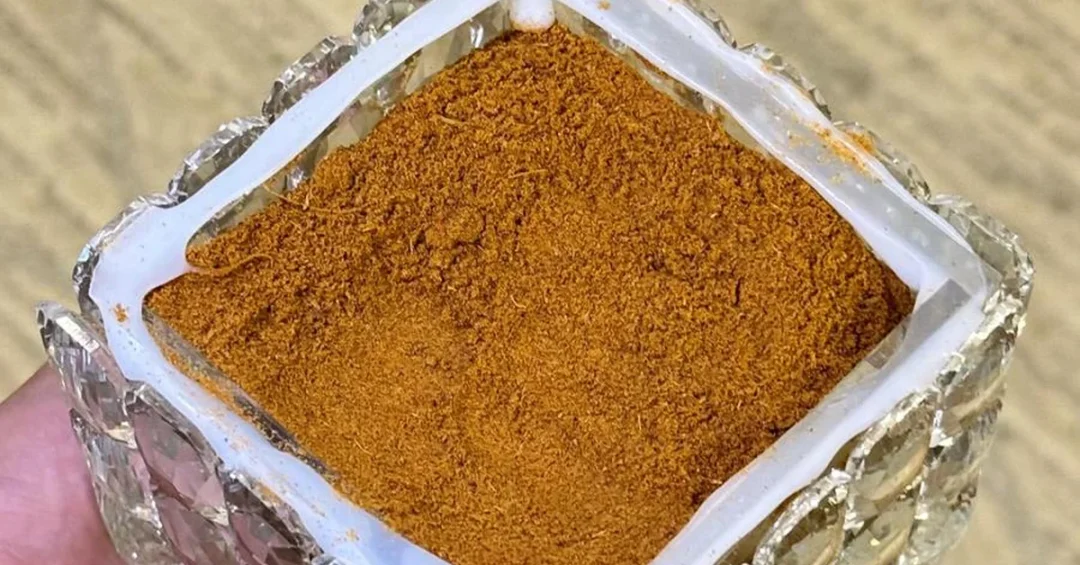
Jazan Region, located along Saudi Arabia’s southern Red Sea coast, is home to a distinctive craft known as “Dhofr al-Teeb,” which transforms the hard opercula of marine mollusks into aromatic ingredients used in incense and fragrance blends, according to information released via the Saudi Press Agency (SPA). The practice, passed down through generations of women in the region, remains a vital component of local heritage and a testament to the Kingdom’s rich coastal traditions. Have you ever wondered how the treasures of the sea can be transformed into the fragrances that scent our homes and clothing? This centuries-old craft continues to thrive, connecting Jazan’s marine environment with its cultural identity.
The operculum, a rigid protective cover that certain mollusks use to seal their shells, is harvested from the Red Sea and sold in traditional markets. There, women purchase the raw material to process at home, incorporating it into various types of incense and fragrance blends. This tradition not only meets the community’s fragrance needs but also plays a significant role in social occasions, personal grooming, and adornment. The craft’s cultural value extends beyond the aromatic product itself, documenting a journey from marine mollusks to traditional markets and meticulous preparation led by women. Isn’t it remarkable how a simple marine byproduct can become a cornerstone of local identity?
Context and Background
What makes “Dhofr al-Teeb” so deeply rooted in Jazan’s heritage? The craft is intertwined with the region’s geography and history. Jazan’s Red Sea coastline is rich in marine biodiversity, providing the raw material for this unique industry. For generations, local women have refined techniques for selecting, cleaning, and roasting the opercula to create aromatic ingredients. These methods have been passed down orally, preserving a tangible link to the past. The traditional markets of Jazan serve as key hubs where these opercula are traded alongside other local products, reflecting the community’s reliance on natural resources and its ingenuity in transforming them into valuable goods.
The opercula used in “Dhofr al-Teeb” come from specific mollusk species found in the Red Sea. These hard, protective lids are collected from the marine environment and eventually reach the markets. The trade is not just economic but also social, as women often gather to purchase and process the materials, sharing knowledge and strengthening community bonds. This practice aligns with Saudi Arabia’s Vision 2030 goals of preserving cultural heritage and empowering women, as it highlights the role of women in sustaining traditional crafts. How does this craft reflect the broader cultural tapestry of Saudi Arabia? It exemplifies the Kingdom’s commitment to celebrating its diverse regional identities.
Historically, the use of aromatic operculum in incense and fragrance blends has been documented in various cultures along the Red Sea and Indian Ocean trade routes. In Jazan, the craft has evolved uniquely, influenced by local preferences and available resources. The preparation process requires skill and experience, from selecting suitable pieces to removing impurities, washing, drying, and roasting. Each step demands precision, particularly the roasting, which requires careful control of temperature and heating time. The addition of aromatic ingredients further enhances the final product, creating blends that are used to scent clothing and gathering spaces. This meticulous process underscores the deep knowledge embedded in this tradition.
Key Details
How exactly is “Dhofr al-Teeb” prepared, and what makes it so special? The process begins with the selection of suitable opercula, which are then cleaned of any debris or impurities. They are carefully washed and dried before undergoing roasting—a crucial step that determines the quality of the final product. The roasting requires precise control of temperature and heating time, a skill honed over years of practice. After roasting, various aromatic ingredients are added, and the mixture is blended with locally sourced fragrances and oils. The final product is stored using traditional methods and eventually becomes a key component of incense blends used to scent clothing and gathering spaces.
The opercula themselves are rigid, protective covers that mollusks use to seal their shells. They are harvested from the marine environment, and their collection is often a community activity. Once in the markets, they are sold alongside other local products that meet the community’s fragrance needs. Women are the primary artisans in this craft, purchasing the raw opercula and processing them at home. This home-based production allows for flexibility and preserves the intimate, generational transfer of knowledge. The resulting aromatic operculum is highly valued for its longevity and ability to blend with other fragrances, making it a staple in Jazan’s cultural practices.
The craft also involves a deep understanding of the material’s properties. Different sizes and types of opercula may require different preparation techniques. The roasting process, for instance, must be adjusted based on the thickness of the opercula to avoid burning or undercooking. The addition of aromatic ingredients—such as sandalwood, oud, and local herbs—is done according to traditional recipes that vary by family and purpose. The final blends are used not only for personal adornment but also to welcome guests and mark special occasions. This attention to detail ensures that “Dhofr al-Teeb” remains a cherished part of Jazan’s identity.
International and Regional Impact
Could the craft of “Dhofr al-Teeb” serve as a model for sustainable cultural tourism? While primarily a local tradition, the craft has potential to attract international interest, especially among those seeking authentic cultural experiences. Jazan’s traditional markets, where opercula are traded, could become destinations for tourists eager to learn about this unique heritage. The Saudi Press Agency’s documentation of the craft highlights its significance, and such exposure can help position Jazan as a cultural hub. This aligns with Vision 2030’s goal to boost tourism and showcase Saudi Arabia’s diverse regions. By preserving and promoting “Dhofr al-Teeb,” the Kingdom can offer visitors a glimpse into its rich coastal heritage.
Regionally, the craft reflects the interconnectedness of Red Sea cultures. Similar practices exist in neighboring countries like Yemen and Eritrea, where marine resources are also used in traditional industries. However, Jazan’s version is distinct due to its specific techniques and the role of women. This shared heritage could foster cultural exchange and collaboration, enhancing Saudi Arabia’s soft power. Moreover, the sustainable harvesting of mollusks ensures that the marine ecosystem remains balanced, aligning with global conservation efforts. How might this craft contribute to Saudi Arabia’s international image? It demonstrates the Kingdom’s commitment to preserving its environment and culture while engaging with the world.
Economic and Strategic Significance
What economic opportunities does “Dhofr al-Teeb” present for Jazan and Saudi Arabia? The craft supports local livelihoods, particularly for women who process and sell the aromatic operculum. It also sustains the traditional markets where the raw material is traded, contributing to the local economy. As demand for natural and artisanal products grows globally, there is potential to develop a niche market for Jazan’s aromatic operculum. This could lead to small-scale export opportunities and the creation of cooperatives that empower women artisans. The Saudi government, through agencies like the Ministry of Culture, has been promoting heritage crafts as part of Vision 2030’s economic diversification goals.
Strategically, the craft highlights the importance of marine resources in Saudi Arabia’s blue economy. The Red Sea is a vital asset, and sustainable use of its biodiversity can support economic growth while preserving ecosystems. By documenting and promoting “Dhofr al-Teeb,” Saudi Arabia showcases its ability to integrate traditional knowledge with modern economic strategies. This aligns with the National Transformation Program, which seeks to diversify income sources and create jobs. The craft also reinforces the Kingdom’s cultural diplomacy, as it shares a unique aspect of Saudi heritage with the world. Isn’t it inspiring to see how a local tradition can contribute to national economic goals?
Vision 2030 Alignment
How does “Dhofr al-Teeb” fit into Saudi Arabia’s Vision 2030? The vision emphasizes preserving cultural heritage, empowering women, and diversifying the economy. This craft embodies all three. It preserves a traditional skill passed down through generations, provides economic opportunities for women in Jazan, and contributes to the local economy through trade and potential tourism. The Saudi Press Agency’s coverage underscores the importance of documenting such crafts for future generations, ensuring they are not lost. By highlighting “Dhofr al-Teeb,” the Kingdom demonstrates its commitment to celebrating its diverse cultural landscape while advancing its modernization agenda.
Furthermore, the craft supports the Quality of Life Program, a Vision 2030 initiative aimed at enhancing the lives of citizens and residents. By maintaining traditions like “Dhofr al-Teeb,” communities in Jazan can take pride in their heritage while benefiting from economic activities. The craft also aligns with the National Culture Strategy, which seeks to promote Saudi culture domestically and internationally. As Saudi Arabia continues to open up to the world, traditions like this offer authentic experiences for visitors and strengthen the Kingdom’s cultural identity. In conclusion, the marine mollusks of Jazan are not just Red Sea treasures; they are threads in the fabric of Saudi Arabia’s past, present, and future, enriching the craft of “Dhofr al-Teeb” and fragrance-making for generations to come.
20 Questions
Q1. What is “Dhofr al-Teeb”?
A1. “Dhofr al-Teeb” is a traditional craft in Jazan, Saudi Arabia, that transforms the hard opercula of marine mollusks into aromatic ingredients used in incense and fragrance blends. It is passed down through generations of women.
Q2. Where is Jazan Region located?
A2. Jazan Region is located along the southern Red Sea coast of Saudi Arabia. It is known for its rich marine biodiversity and unique cultural heritage, including the craft of “Dhofr al-Teeb.”
Q3. What are marine mollusks?
A3. Marine mollusks are a diverse group of invertebrate animals that live in the ocean. They include snails, clams, and squid. The operculum used in “Dhofr al-Teeb” comes from certain mollusk species.
Q4. What is an operculum?
A4. An operculum is a rigid, protective cover that certain mollusks use to seal their shells. In “Dhofr al-Teeb,” these hard lids are harvested and processed into aromatic ingredients.
Q5. How is “Dhofr al-Teeb” prepared?
A5. The preparation involves selecting suitable opercula, removing debris, washing, drying, and roasting them with precise temperature control. Aromatic ingredients are then added, and the mixture is blended with locally sourced fragrances and oils.
Q6. Who primarily practices this craft?
A6. Women in Jazan are the primary artisans. They purchase the raw opercula from traditional markets and process them at home, passing down the techniques through generations.
Q7. What is the significance of traditional markets in Jazan?
A7. Traditional markets serve as key hubs for trading “Dhofr al-Teeb” and other local products. They are where women buy the raw materials and where the community’s fragrance needs are met.
Q8. How does “Dhofr al-Teeb” contribute to social occasions?
A8. The aromatic operculum is used in incense blends that scent clothing and gathering spaces. It plays a role in social occasions, personal grooming, and adornment, enhancing the cultural experience.
Q9. Why is documenting this craft important?
A9. Documenting “Dhofr al-Teeb” helps preserve its techniques for future generations. It ensures that this distinctive aspect of local craftsmanship and Jazan’s coastal heritage is not lost.
Q10. How does the craft align with Vision 2030?
A10. It aligns with Vision 2030 by preserving cultural heritage, empowering women, and diversifying the economy. It supports economic opportunities for women and promotes local traditions.
Q11. Is “Dhofr al-Teeb” unique to Saudi Arabia?
A11. While similar practices exist in other Red Sea cultures, Jazan’s version is distinct due to its specific techniques and the central role of women. It is a unique part of Saudi Arabia’s cultural heritage.
Q12. What aromatic ingredients are added?
A12. Various locally sourced fragrances and oils are added, such as sandalwood, oud, and local herbs. The recipes vary by family and purpose, creating diverse blends.
Q13. How is the final product stored?
A13. The final product is stored using traditional methods, often in airtight containers to preserve its aroma. It is then used as a key component in incense blends.
Q14. Does the craft have economic potential?
A14. Yes, it supports local livelihoods, particularly for women, and sustains traditional markets. There is potential for niche exports and cooperatives, contributing to economic diversification.
Q15. How does the craft impact the environment?
A15. The sustainable harvesting of mollusks ensures that the marine ecosystem remains balanced. The craft relies on natural resources but can be managed to avoid overexploitation.
Q16. What role does the Saudi Press Agency play?
A16. The Saudi Press Agency (SPA) documents and reports on “Dhofr al-Teeb,” highlighting its cultural significance. This official coverage helps preserve and promote the craft.
Q17. Can tourists learn about this craft?
A17. Yes, Jazan’s traditional markets could become destinations for cultural tourism. Visitors can learn about the craft and purchase related products, supporting the local economy.
Q18. What is the historical origin of “Dhofr al-Teeb”?
A18. The craft has origins in the Red Sea trade routes, influenced by local preferences. It has evolved over generations, with techniques passed down orally among women in Jazan.
Q19. How does the craft empower women?
A19. Women are the primary artisans, managing the processing and sale of “Dhofr al-Teeb.” This provides them with economic opportunities and preserves their cultural knowledge.
Q20. What is the future of “Dhofr al-Teeb”?
A20. With ongoing documentation and promotion, the craft is poised to continue enriching Jazan’s heritage. It aligns with Vision 2030 goals, ensuring its preservation for future generations.
Reader Feedback
We value your thoughts. Please share your feedback on this article.
Your feedback helps us improve our coverage.
Related articles
 Falcon Auction Sales Surpass SAR3.5 Million in October
 Jazan’s Sesame Cultivation: A 100-Day Heritage Journey
 Saudi Culinary Arts Shine at Algiers Book Fair 2026
 Pigeon Towers in Makkah Region: Heritage of Function and Beauty
 Saudi Film Confex Concludes with Agreements to Boost Film Industry Growth
 Saudi Academy Showcases Arabic Language Initiatives in Algiers