


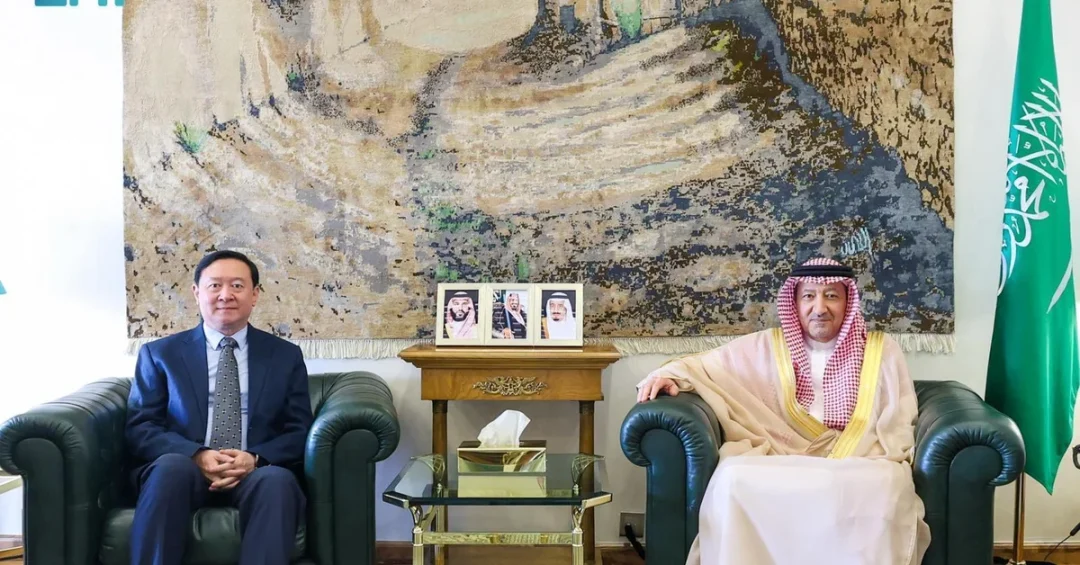
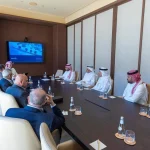
Vice Minister of Foreign Affairs Waleed Elkhereiji received Ambassador of the People’s Republic of China to Saudi Arabia Chang Hua in Riyadh on April 17, 2025, according to the Saudi Press Agency (SPA). The meeting, held at the Ministry of Foreign Affairs headquarters, focused on reviewing bilateral relations and discussing the latest regional and international developments, along with the efforts being undertaken in response to them. The encounter underscores the Kingdom’s ongoing commitment to active diplomacy and its role as a stabilizing force in a rapidly changing world.
Could this high-level diplomatic engagement signal a new chapter in Saudi-Chinese relations? The reception between Vice Minister Elkhereiji and Ambassador Chang Hua is part of a sustained pattern of consultations between Riyadh and Beijing, reflecting the depth of a partnership that spans economic, political, and cultural domains. As Saudi Arabia continues to advance its Vision 2030 agenda, such meetings are instrumental in aligning foreign policy objectives with the Kingdom’s broader strategic goals, including economic diversification and enhanced global connectivity.
Context and Background
Why does the Saudi-Chinese relationship matter on the global stage? The ties between the Kingdom of Saudi Arabia and the People’s Republic of China have grown steadily over the past decade, evolving into a comprehensive strategic partnership. This relationship is anchored in mutual respect, shared economic interests, and a commitment to regional stability. China is Saudi Arabia’s largest trading partner, and the two nations have cooperated extensively in energy, infrastructure, technology, and finance. The regular exchange of visits and consultations between senior officials is a testament to the robustness of this partnership.
Vice Minister Elkhereiji, a seasoned diplomat, has been a key figure in Saudi Arabia’s foreign policy apparatus, consistently advocating for dialogue and cooperation. Ambassador Chang Hua, who assumed his post in Riyadh in 2023, has been actively engaged in deepening bilateral ties. Their meeting on April 17 is one of many such interactions that help maintain the momentum of Saudi-Chinese relations. It also comes at a time when the region is witnessing significant geopolitical shifts, making consultations between major stakeholders all the more important.
What role does Saudi Arabia play in fostering regional dialogue? The Kingdom has long positioned itself as a bridge between East and West, and its diplomatic outreach extends to both traditional allies and emerging powers. The reception of the Chinese Ambassador is a clear indication of Saudi Arabia’s openness to constructive engagement and its desire to contribute to global peace and security. By regularly consulting with China, Saudi Arabia reinforces its standing as a responsible international actor and a champion of multilateralism.
Key Details of the Meeting
What exactly was discussed during the reception? According to the official SPA report, Vice Minister Elkhereiji and Ambassador Chang Hua reviewed the bilateral relations between their countries and exchanged views on the latest regional and international developments. While specific details of the discussions were not disclosed, such meetings typically cover a wide range of topics, including economic cooperation, cultural exchange, and coordination on regional issues of mutual concern. The fact that the meeting took place in Riyadh underscores the importance Saudi Arabia attaches to its relationship with China.
The timing of the meeting is notable, occurring amid ongoing efforts to address various regional challenges, from Yemen to the broader Middle East. Saudi Arabia has been at the forefront of diplomatic initiatives aimed at reducing tensions and promoting stability. China, as a permanent member of the UN Security Council, plays a crucial role in international affairs. Their consultations therefore carry weight beyond the bilateral sphere, potentially influencing broader geopolitical dynamics.
How does this meeting fit into the larger pattern of Saudi diplomacy? The reception is part of a series of high-level engagements that Saudi Arabia has hosted in recent months. From hosting summits to mediating conflicts, the Kingdom has consistently demonstrated its commitment to proactive diplomacy. Vice Minister Elkhereiji’s meeting with Ambassador Chang Hua is another example of this approach, highlighting Saudi Arabia’s ability to maintain strong ties with both Eastern and Western powers. It also reflects the Kingdom’s focus on building consensus and finding peaceful solutions to complex issues.
International and Regional Impact
What are the broader implications of this diplomatic engagement? The Saudi-Chinese partnership has significant implications for regional and global stability. As two major energy and economic powers, their cooperation can influence global markets and political alignments. The meeting between Vice Minister Elkhereiji and Ambassador Chang Hua reinforces the message that Saudi Arabia is open to collaboration with all nations that share its vision for a peaceful and prosperous world. It also signals to other countries that the Kingdom is a reliable partner in addressing shared challenges.
In the regional context, the meeting could contribute to efforts to de-escalate tensions and promote dialogue. Saudi Arabia has been instrumental in various peace initiatives, and China’s support for these efforts is valuable. By coordinating their positions, Riyadh and Beijing can help create an environment conducive to conflict resolution and economic development. Moreover, the meeting underscores the importance of Asian engagement in Middle Eastern affairs, a trend that is likely to grow in the coming years.
Could this meeting pave the way for new joint initiatives? While no specific announcements were made, the regular consultations between Saudi and Chinese officials often lay the groundwork for future agreements and projects. The two countries have already collaborated on numerous ventures under Saudi Arabia’s Vision 2030, including investments in technology, renewable energy, and infrastructure. This meeting likely continued that dialogue, exploring avenues for further cooperation that could benefit both nations.
Economic and Strategic Significance
Why is the Saudi-Chinese economic relationship so vital? China is Saudi Arabia’s top trading partner, with bilateral trade exceeding $100 billion annually. The two countries have deep ties in the energy sector, with Saudi Arabia being a reliable supplier of crude oil to China. Beyond energy, they are expanding cooperation in areas such as digital economy, artificial intelligence, and healthcare. The meeting between Vice Minister Elkhereiji and Ambassador Chang Hua took place against this backdrop of robust economic engagement, highlighting the mutual benefits of their partnership.
Strategically, Saudi Arabia’s relationship with China is a cornerstone of its foreign policy diversification. Under Vision 2030, the Kingdom is seeking to strengthen ties with major economies in Asia and beyond, reducing reliance on traditional markets. China’s Belt and Road Initiative (BRI) dovetails with Saudi Arabia’s development goals, offering opportunities for infrastructure investment and trade connectivity. The diplomatic consultations in Riyadh are essential for aligning these strategic visions and ensuring that economic cooperation continues to flourish.
What does this mean for global energy markets? As a leading oil producer and a major consumer, Saudi Arabia and China have a shared interest in stable energy markets. Their dialogue helps to ensure predictability and security of supply, which is crucial for the global economy. The meeting likely touched upon energy cooperation, among other topics, reinforcing the importance of their strategic energy partnership. This is particularly relevant as the world transitions to cleaner energy sources, and both countries are investing in renewable technologies.
Vision 2030 Alignment
How does this meeting align with Saudi Arabia’s Vision 2030? Vision 2030 is the Kingdom’s ambitious blueprint for economic diversification, social development, and global engagement. A key pillar of this vision is to strengthen Saudi Arabia’s position as a global investment and diplomatic hub. By maintaining active dialogue with major powers like China, the Kingdom is advancing its foreign policy objectives and creating new opportunities for economic growth. The reception of Ambassador Chang Hua is a clear example of how Saudi diplomacy supports the broader Vision 2030 agenda.
Furthermore, Vision 2030 emphasizes the importance of international partnerships in achieving sustainable development. Saudi Arabia’s collaboration with China spans multiple sectors, from education to tourism, and contributes to the transfer of knowledge and technology. The meeting between Vice Minister Elkhereiji and Ambassador Chang Hua reaffirms the Kingdom’s commitment to these partnerships. As Saudi Arabia continues to transform its economy and society, such diplomatic engagements will remain essential for building a prosperous and interconnected future. The Kingdom’s proactive foreign policy, exemplified by this reception, is a testament to its leadership’s foresight and dedication to global cooperation.
20 Questions
Q1. Who received the Chinese Ambassador to Saudi Arabia in Riyadh?
A1. Vice Minister of Foreign Affairs Waleed Elkhereiji received Ambassador Chang Hua of the People’s Republic of China in Riyadh on April 17, 2025, as reported by the Saudi Press Agency.
Q2. What was the main purpose of the meeting between Vice Minister Elkhereiji and Ambassador Chang Hua?
A2. The meeting aimed to review bilateral relations and discuss the latest regional and international developments, as well as efforts related to them, according to the official SPA report.
Q3. Where did the reception take place?
A3. The reception took place in Riyadh, the capital of Saudi Arabia, at the Ministry of Foreign Affairs, highlighting the importance of the diplomatic engagement.
Q4. When did the meeting occur?
A4. The meeting occurred on April 17, 2025, as confirmed by the Saudi Press Agency, which reported the event on the same day.
Q5. Who is Waleed Elkhereiji?
A5. Waleed Elkhereiji is the Vice Minister of Foreign Affairs of Saudi Arabia, a senior diplomat who plays a key role in shaping and implementing the Kingdom’s foreign policy.
Q6. Who is Chang Hua?
A6. Chang Hua is the Ambassador of the People’s Republic of China to Saudi Arabia, serving as the top Chinese diplomat in the Kingdom since his appointment.
Q7. What is the significance of Saudi-Chinese relations?
A7. Saudi-Chinese relations are significant due to deep economic ties, with China being Saudi Arabia’s largest trading partner, and shared interests in regional stability and global cooperation.
Q8. Did the meeting produce any specific agreements or announcements?
A8. The official SPA report did not mention any specific agreements or announcements, indicating that the meeting was part of regular diplomatic consultations between the two nations.
Q9. How does this meeting fit into Saudi Arabia’s foreign policy?
A9. It reflects Saudi Arabia’s proactive diplomacy and its commitment to maintaining strong ties with major global powers, consistent with the Kingdom’s Vision 2030 goals.
Q10. What regional and international developments were likely discussed?
A10. While specific details were not disclosed, topics likely included regional security, economic cooperation, and global issues of mutual concern, given the context of Saudi-Chinese relations.
Q11. What is the frequency of such diplomatic meetings between Saudi Arabia and China?
A11. Such meetings are regular and part of ongoing consultations between the two countries, reflecting the strength and continuity of their comprehensive strategic partnership.
Q12. How does this meeting benefit Saudi Arabia’s economy?
A12. It helps maintain robust economic ties with China, Saudi Arabia’s top trading partner, and supports efforts to attract Chinese investment and diversify the Kingdom’s economy.
Q13. What role does China play in the Middle East?
A13. China is an increasingly active player in the Middle East, engaging in diplomacy and economic cooperation, and its partnership with Saudi Arabia contributes to regional stability.
Q14. Is this meeting related to Vision 2030?
A14. Yes, it aligns with Vision 2030’s emphasis on international engagement and economic diversification, as Saudi Arabia seeks to strengthen ties with global powers like China.
Q15. What are the key areas of Saudi-Chinese cooperation?
A15. Key areas include energy, trade, investment, technology, infrastructure, and cultural exchange, all of which are integral to the bilateral relationship.
Q16. How does Saudi Arabia benefit from its relationship with China?
A16. Saudi Arabia benefits through increased trade, investment, technology transfer, and diplomatic support on regional and international issues, enhancing its global standing.
Q17. What message does this meeting send to the international community?
A17. It signals Saudi Arabia’s commitment to constructive dialogue and multilateralism, and its ability to maintain balanced relations with both Eastern and Western powers.
Q18. Will there be follow-up meetings or actions?
A18. While no specific follow-up was announced, such diplomatic engagements typically lead to continued consultations and potential future cooperation in various fields.
Q19. How does this meeting reflect Saudi Arabia’s leadership in the region?
A19. It demonstrates Saudi Arabia’s proactive role in regional diplomacy and its efforts to foster stability and cooperation, reinforcing its leadership position.
Q20. What is the overall tone of the meeting as reported by SPA?
A20. The SPA report describes a positive and constructive meeting focused on reviewing relations and discussing regional and international developments, underscoring the strong ties between the two nations.
Reader Feedback
We value your thoughts. Please share your feedback on this article.
Your feedback helps us improve our coverage.
Related articles
 King Salman Science Oasis Hosts Nobel-Laureate Iijima
 Saudi Arabia, Indonesia Boost Mining Partnership
 KSGAAL Conducts Hamza Test in US with Saudi Cultural Mission
 Grand Mosque Imam Urges Muslims to Do Good Deeds, Tell the Truth
 KSrelief Launches 30th Volunteer Program in Zaatari Camp
 Saudi Transport Minister Meets Egyptian Deputy PM in NEOM