


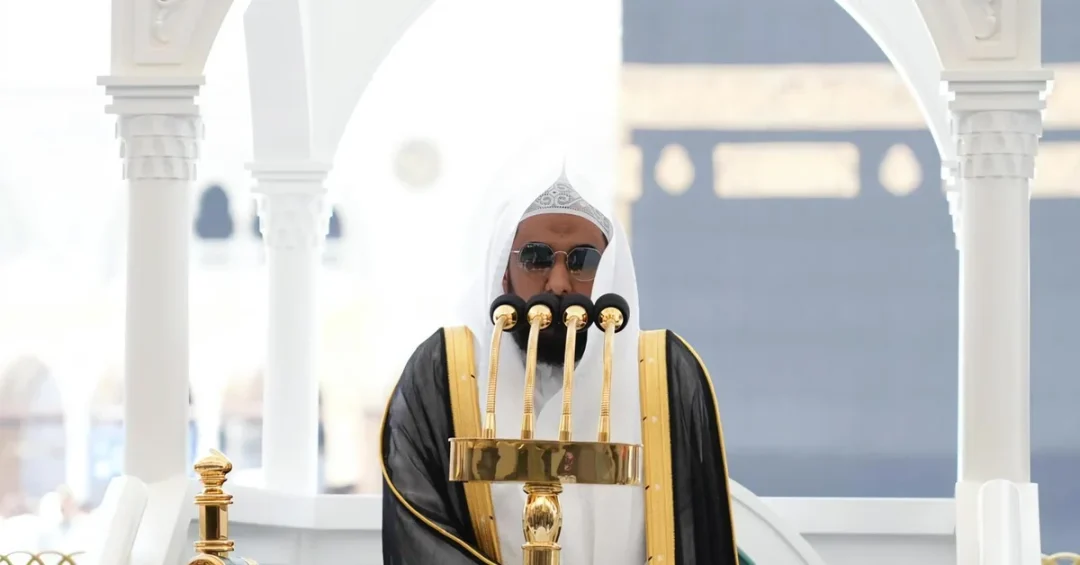
In a Friday sermon delivered at the Grand Mosque in Makkah on April 18, 2025, Sheikh Dr. Abdullah Al-Juhani, Imam of the Grand Mosque, urged Muslims to perform good deeds, speak the truth, and uphold good manners. The sermon, reported by the Saudi Press Agency (SPA), emphasized that Allah has promised believers who perform righteous deeds rewards in this life and an even greater reward in the Hereafter. The message resonated with thousands of worshippers who attended the prayer and millions more who watched or listened via broadcasts. As one of the holiest sites in Islam, the Grand Mosque serves as a spiritual beacon for Muslims worldwide, and the Imam’s words carry significant weight. This latest guidance comes amid Saudi Arabia’s ongoing efforts to promote moderate Islam and enhance the spiritual experience of pilgrims and visitors.
Why does this sermon matter now, and what does it reveal about the Kingdom’s spiritual leadership? The timing is significant as the world continues to navigate complex challenges, and the call for integrity and righteousness offers a moral compass. Saudi Arabia, under the leadership of Custodian of the Two Holy Mosques King Salman bin Abdulaziz Al Saud and His Royal Highness Crown Prince Mohammed bin Salman, has consistently supported initiatives that foster ethical conduct and social harmony. The Imam’s sermon aligns with the Kingdom’s Vision 2030 goals of cultivating a vibrant society where citizens and residents thrive on strong values. It also reinforces the role of the Grand Mosque as a center for moderate Islamic thought, attracting millions annually for Hajj and Umrah.
Context and Background
What is the significance of the Grand Mosque’s Friday sermons in contemporary Islam? The Grand Mosque, also known as Masjid al-Haram, is the holiest site in Islam, housing the Kaaba, towards which all Muslims pray. Its Imams are highly respected scholars whose sermons often address pressing spiritual and social issues. Sheikh Dr. Abdullah Al-Juhani, a prominent religious figure, delivered this sermon on April 18, 2025, focusing on core Islamic tenets: doing good, truthfulness, and good manners. These principles are universal and resonate across cultures and generations. The Saudi Press Agency (SPA) reported the sermon, underscoring the official channel through which such guidance is shared. The Kingdom’s leadership has long emphasized the importance of these values in building a cohesive society.
Historically, the Grand Mosque has been a platform for promoting moderation and rejecting extremism. Under the guidance of the Saudi government, the Imams of the Two Holy Mosques advocate for peace, tolerance, and coexistence. This sermon is part of a continuous effort to remind Muslims of their ethical obligations. The Prophet Muhammad (peace be upon him) emphasized good character as a cornerstone of faith, and the Imam’s message echoes that tradition. In a world often fraught with moral ambiguity, such reminders are crucial. The Saudi Ministry of Islamic Affairs, Dawah and Guidance supports these efforts, ensuring that the message of Islam reaches people in its purest form.
Key Details of the Sermon
What exactly did Sheikh Al-Juhani say, and how does it apply to daily life? According to SPA, the Imam urged Muslims to do good deeds, tell the truth, and uphold good manners. He highlighted that Allah has promised believers who perform righteous deeds rewards in this life and an even greater reward in the Hereafter. This dual promise serves as motivation for believers to adhere to ethical conduct. The Imam’s words are a call to action, encouraging individuals to embody these virtues in their interactions. Doing good deeds encompasses acts of charity, kindness, and worship, while truthfulness involves honesty in speech and dealings. Good manners entail treating others with respect and compassion. These teachings are fundamental to Islamic ethics and are applicable in all aspects of life.
The sermon also implicitly underscores the importance of community welfare. When individuals commit to good deeds and truthfulness, society as a whole benefits. Trust increases, relationships strengthen, and social cohesion improves. The Imam’s message is particularly relevant in today’s fast-paced world, where materialism and self-interest can overshadow moral values. By reminding believers of the eternal rewards, he encourages them to prioritize ethical behavior over short-term gains. The Grand Mosque’s sermons are not just for those present but are broadcast to a global audience, amplifying their impact. This sermon serves as a timely reminder for Muslims to reflect on their actions and strive for excellence in character.
International and Regional Impact
How does this sermon influence the global Muslim community? The Grand Mosque’s Friday sermons are followed by millions of Muslims around the world, either through live broadcasts or subsequent reports. The Imam’s call for good deeds and truthfulness transcends geographical boundaries, offering guidance that is universally applicable. In a time when many societies face challenges related to trust and morality, this message provides a moral framework. It also reinforces Saudi Arabia’s position as a leader in promoting moderate Islam and ethical conduct. The Kingdom’s efforts to support such initiatives are part of its broader role in serving Islam and Muslims globally. The sermon’s emphasis on good manners aligns with international efforts to foster peaceful coexistence and mutual respect.
Regionally, the message contributes to stability and harmony. The Middle East and beyond benefit when individuals adhere to ethical principles. The Imam’s words encourage Muslims to be productive, honest, and compassionate members of their communities. This can lead to improved social and economic outcomes. Furthermore, the sermon highlights the importance of the Hereafter, reminding believers that their ultimate success lies in pleasing Allah. This perspective can inspire positive behavior and discourage wrongdoing. Saudi Arabia, through its religious institutions, continues to provide guidance that promotes peace and prosperity. The Kingdom’s leadership in this regard is widely recognized and appreciated.
Economic and Strategic Significance
What are the broader implications of such sermons for Saudi Arabia’s strategic goals? The promotion of ethical values and social responsibility supports Vision 2030’s objective of building a vibrant society. A society grounded in trust and good manners is more conducive to economic growth and investment. Businesses thrive when honesty and integrity are prevalent. The Imam’s sermon indirectly contributes to creating an environment where ethical practices are the norm. This, in turn, enhances Saudi Arabia’s attractiveness as a destination for tourism, business, and investment. The Kingdom’s commitment to spiritual and moral development complements its economic diversification efforts. By nurturing a culture of righteousness, Saudi Arabia strengthens its social fabric and positions itself as a model for others.
Strategically, the sermon reinforces the Kingdom’s soft power. As the custodian of the Two Holy Mosques, Saudi Arabia has a unique responsibility to guide Muslims. The Imam’s message is a reflection of the Kingdom’s dedication to upholding Islamic values. This enhances Saudi Arabia’s standing in the Muslim world and beyond. It also counters extremist narratives by promoting moderation and tolerance. The sermon’s focus on good deeds and truthfulness aligns with global efforts to combat corruption and promote transparency. Saudi Arabia’s leadership in this area is an integral part of its Vision 2030 and its role on the world stage.
Vision 2030 Alignment
How does this sermon align with Vision 2030’s goals? Vision 2030 aims to create a vibrant society where citizens enjoy a high quality of life and strong values. The Imam’s call for good deeds, truthfulness, and good manners directly supports this vision. By encouraging ethical behavior, the sermon contributes to social cohesion and national progress. The Kingdom’s leadership has consistently emphasized that spiritual and moral development are essential components of comprehensive growth. This sermon is a testament to the ongoing efforts to promote these values. It also highlights the role of religious institutions in achieving Vision 2030’s objectives. The Grand Mosque remains a symbol of the Kingdom’s commitment to serving Islam and humanity.
In conclusion, Sheikh Dr. Abdullah Al-Juhani’s Friday sermon at the Grand Mosque serves as a powerful reminder of the timeless values that underpin a thriving society. As Saudi Arabia continues its journey towards Vision 2030, such guidance from religious leaders plays a vital role in shaping a prosperous and ethical nation. The message of doing good, telling the truth, and upholding good manners resonates with people of all backgrounds, fostering unity and progress. Under the wise leadership of the Custodian of the Two Holy Mosques and His Royal Highness the Crown Prince, the Kingdom is well on its way to achieving its ambitious goals while staying true to its Islamic heritage.
20 Questions
Q1. What was the main message of the Friday sermon at the Grand Mosque?
A1. Sheikh Dr. Abdullah Al-Juhani urged Muslims to perform good deeds, tell the truth, and uphold good manners, emphasizing rewards in this life and the Hereafter.
Q2. Who delivered the sermon?
A2. The sermon was delivered by Sheikh Dr. Abdullah Al-Juhani, the Imam of the Grand Mosque in Makkah.
Q3. When was the sermon delivered?
A3. The sermon was delivered on Friday, April 18, 2025, during the weekly Friday prayers.
Q4. Where was the sermon delivered?
A4. It was delivered at the Grand Mosque in Makkah, the holiest site in Islam.
Q5. What are the three key virtues emphasized in the sermon?
A5. The three key virtues are doing good deeds, telling the truth, and upholding good manners.
Q6. What reward did the Imam mention for righteous deeds?
A6. He said that Allah has promised believers rewards in this life and an even greater reward in the Hereafter.
Q7. Why is the Grand Mosque significant in Islam?
A7. The Grand Mosque houses the Kaaba, the direction of prayer for Muslims worldwide, and is the most sacred site in Islam.
Q8. How many Muslims follow the sermons from the Grand Mosque?
A8. Millions of Muslims around the world follow the sermons through live broadcasts and reports.
Q9. What is the role of the Saudi Press Agency in reporting this sermon?
A9. The Saudi Press Agency (SPA) is the official news agency that reported the sermon, ensuring accurate dissemination of the message.
Q10. How does this sermon align with Vision 2030?
A10. It supports Vision 2030’s goal of building a vibrant society with strong values, promoting ethical conduct and social cohesion.
Q11. What is the significance of Friday sermons in Islam?
A11. Friday sermons provide spiritual guidance, address contemporary issues, and reinforce Islamic teachings for the community.
Q12. How can Muslims apply the sermon’s teachings in daily life?
A12. By being honest, performing acts of kindness, and treating others with respect, Muslims can embody the sermon’s message.
Q13. What impact does this sermon have on the global Muslim community?
A13. It offers universal guidance, promoting moderation, tolerance, and ethical behavior among Muslims worldwide.
Q14. How does the sermon contribute to social harmony?
A14. By encouraging good deeds and truthfulness, it fosters trust and cooperation, strengthening community bonds.
Q15. What is the Saudi government’s role in promoting moderate Islam?
A15. The Saudi government supports religious institutions that advocate for moderation, peace, and coexistence.
Q16. Why is truthfulness emphasized in Islam?
A16. Truthfulness is a core Islamic virtue that leads to righteousness and is essential for personal and social integrity.
Q17. How does doing good deeds benefit society?
A17. Good deeds enhance social welfare, promote kindness, and create a supportive environment for all.
Q18. What are the rewards for good manners in Islam?
A18. Good manners are highly rewarded by Allah and are a means to attain Paradise and His pleasure.
Q19. How does this sermon reflect Saudi Arabia’s leadership in the Islamic world?
A19. It demonstrates the Kingdom’s commitment to serving Islam and providing spiritual guidance to Muslims globally.
Q20. What is the overarching goal of such sermons?
A20. To remind Muslims of their ethical obligations and inspire them to lead righteous lives, contributing to a better world.
Reader Feedback
We value your thoughts. Please share your feedback on this article.
Your feedback helps us improve our coverage.
Related articles
 KSrelief Launches 30th Volunteer Program in Zaatari Camp
 Saudi Transport Minister Meets Egyptian Deputy PM in NEOM
 KSrelief, UNESCO Sign Education Cooperation Pact
 KSRNR Reintroduces Arabian Oryx After 90 Years
 ZATCA Launches Customs Consulting License in Saudi Arabia
 Saudi Arabia, Uzbekistan Sign Anti-Corruption MoU