


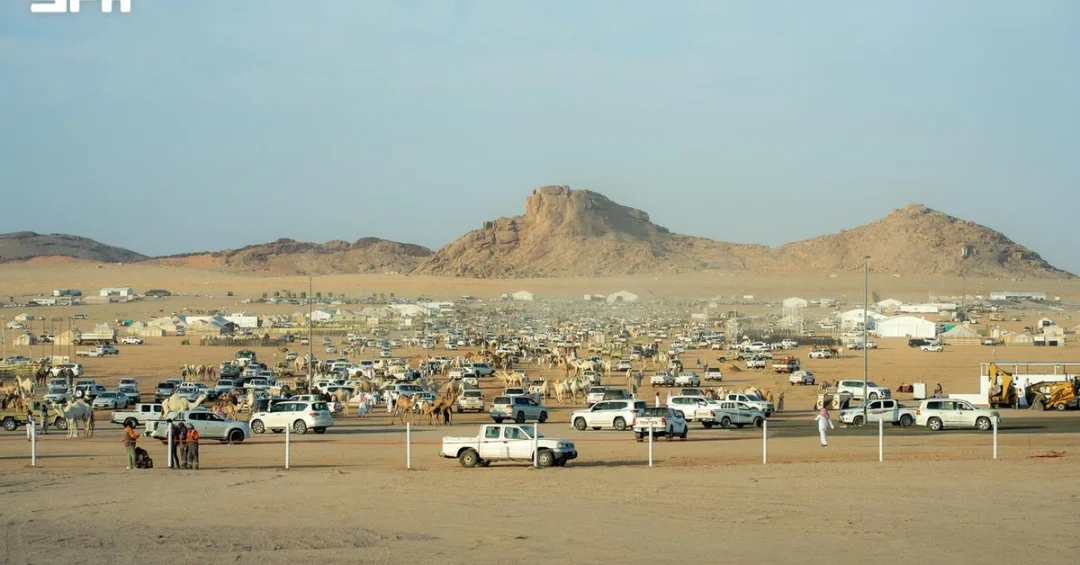
The Dhariyah Camel Festival in Qassim Region is drawing thousands of camel owners and enthusiasts from across the Kingdom through auctions and related events that elevate the camel’s status in Saudi culture and create commercial opportunities for participants, the Saudi Press Agency reported. Approximately 5,000 camels of various breeds are taking part in the festival, giving owners and buyers a chance to meet, exchange experiences, and stimulate trading in the camel market. Sales exceeded SAR1.3 million on the first day alone, according to official figures released via SPA.
The festival is held on a site of about five million square meters, providing ample space for camels, participants, and visitors. How does an event of this scale reflect the deep-rooted heritage of the Kingdom and its forward-looking economic ambitions? The answer lies in the unique intersection of tradition and commerce that the festival represents, a model that Saudi Arabia is increasingly showcasing to the world as it diversifies its economy under Vision 2030. The Dhariyah Camel Festival is not merely a local gathering; it is a national platform that underscores the enduring value of camels in Saudi society while opening new commercial horizons for breeders, traders, and investors.
Context and Background
What gives the camel its enduring place in Saudi heritage, and why does it continue to command such attention in modern times? The camel has been a cornerstone of life in the Arabian Peninsula for centuries, serving as a means of transport, a source of sustenance, and a symbol of status and generosity. In Saudi Arabia, this legacy is preserved and celebrated through festivals such as the Dhariyah Camel Festival, which is organized under the umbrella of official Saudi efforts to promote cultural heritage and economic activity. The event in Qassim Region is part of a broader national strategy to support livestock owners and enhance the competitiveness of the camel sector.
Qassim Region, known for its agricultural richness and central location, provides an ideal setting for such a festival. The region has long been a hub for camel breeding and trade, and the Dhariyah festival builds on this tradition by creating a structured marketplace where buyers and sellers can interact. The Saudi Press Agency reported that the festival spans approximately five million square meters, an area large enough to accommodate thousands of camels, along with the necessary infrastructure for auctions, exhibitions, and visitor services. This scale reflects the Kingdom’s commitment to preserving its cultural heritage while stimulating economic activity in rural and semi-urban areas.
Official Saudi channels have consistently highlighted the importance of such events in supporting local communities. By bringing together camel owners from across the Kingdom, the festival facilitates the exchange of expertise and best practices in camel breeding and care. It also provides a platform for showcasing different breeds, some of which are prized for their beauty, endurance, or milk production. The first day’s sales exceeding SAR1.3 million indicate the strong commercial interest in the festival, which is expected to grow as the event progresses.
Key Details
What exactly happens at the Dhariyah Camel Festival, and how does it manage to attract such a large number of participants? The festival features a series of auctions where camels of various breeds are presented and sold. These auctions are not just commercial transactions; they are also social occasions where owners and buyers discuss lineage, health, and performance characteristics. The presence of approximately 5,000 camels means that the festival offers a wide selection, from young calves to seasoned racing camels, catering to different needs and budgets.
The site’s five-million-square-meter area is divided into zones for auctions, pens for the camels, and spaces for visitors. This layout ensures that the animals are well cared for and that visitors can move safely and comfortably. The festival also includes related events such as camel beauty contests and races, which add an element of competition and entertainment. These activities draw additional visitors and media attention, further boosting the festival’s profile and its economic impact on the region.
Sales on the first day exceeded SAR1.3 million, a clear indication of the robust demand for camels in the Kingdom. This figure is particularly significant because it demonstrates that the camel market is not just a niche interest but a viable economic sector. The Saudi Press Agency noted that the festival creates commercial opportunities for participants, including breeders, traders, and service providers such as transporters, fodder suppliers, and veterinarians. The ripple effects of the festival thus extend well beyond the auction ring, benefiting the wider local economy.
International and Regional Impact
How does a camel festival in Qassim resonate on the international stage, and what does it signal about Saudi Arabia’s global engagement? While the Dhariyah Camel Festival is rooted in local tradition, it also has a broader significance. Saudi Arabia has been actively promoting its cultural heritage as part of its public diplomacy, and events like this serve as a window into the Kingdom’s rich history and its modern aspirations. International visitors and media often attend such festivals, helping to project a positive image of Saudi Arabia as a country that values its traditions while embracing progress.
Regionally, the festival strengthens ties among Gulf Cooperation Council (GCC) countries, many of which share a similar appreciation for camels. Camel owners from neighboring countries may participate or attend, fostering a sense of shared heritage and cooperation. The event also aligns with Saudi Arabia’s efforts to boost intra-regional trade and tourism. By attracting visitors from across the region, the festival contributes to the local hospitality sector, including hotels, restaurants, and transport services, further amplifying its economic benefits.
Economic and Strategic Significance
What economic value does the camel sector hold for Saudi Arabia, and how does the Dhariyah festival fit into the Kingdom’s strategic vision? The camel sector is an important part of Saudi Arabia’s agricultural and rural economy. Camels are valued for their meat, milk, and hides, as well as for racing and beauty competitions. The market for camels is substantial, with high-value animals sometimes selling for millions of riyals. The Dhariyah festival taps into this market by providing a regulated and transparent platform for trade, which helps ensure fair prices and quality standards.
Strategically, the festival supports the objectives of Vision 2030 by diversifying the economy and creating job opportunities in rural areas. It also promotes the sustainable development of livestock farming, which is vital for food security. The Saudi government has been investing in agricultural and livestock projects to reduce dependence on imports and enhance self-sufficiency. The Dhariyah festival is a manifestation of these efforts, showcasing the potential of the camel sector to contribute to the national economy. Moreover, the festival’s success in generating over SAR1.3 million in first-day sales underscores the commercial viability of such events and their ability to attract private investment.
Vision 2030 Alignment
How does the Dhariyah Camel Festival embody the goals of Saudi Vision 2030, and what does it tell us about the future of such cultural events? Vision 2030 aims to transform Saudi Arabia into a diversified and sustainable economy, with a strong emphasis on preserving cultural heritage and promoting tourism. The festival aligns perfectly with these goals by celebrating a traditional aspect of Saudi culture while stimulating economic activity. It also contributes to the Quality of Life Program, one of Vision 2030’s key initiatives, by providing entertainment and cultural experiences for citizens and residents.
Furthermore, the festival supports the National Transformation Program by enhancing the livestock sector and creating opportunities for small and medium enterprises. As Saudi Arabia continues to open up to the world, events like the Dhariyah Camel Festival will play a crucial role in showcasing the Kingdom’s unique heritage and its modern achievements. The festival is a testament to the enduring bond between the Saudi people and their camels, a bond that is being harnessed to build a prosperous future. With its successful first day, the Dhariyah Camel Festival is poised to become an even more significant annual event, contributing to the Kingdom’s cultural and economic renaissance.
20 Questions
Q1. What is the Dhariyah Camel Festival?
A1. The Dhariyah Camel Festival is an annual event held in Qassim Region, Saudi Arabia, that celebrates camel heritage and facilitates trade through auctions and related activities, drawing owners and enthusiasts from across the Kingdom.
Q2. Where is the festival taking place?
A2. The festival is taking place in the Qassim Region of Saudi Arabia, on a site spanning approximately five million square meters, providing ample space for camels, participants, and visitors.
Q3. How many camels are participating in the festival?
A3. Approximately 5,000 camels of various breeds are participating in the festival, offering a wide selection for buyers and showcasing the diversity of Saudi camel breeds.
Q4. What were the sales figures on the first day?
A4. Sales exceeded SAR1.3 million on the first day of the festival, indicating strong commercial interest and the economic potential of the camel market in Saudi Arabia.
Q5. What is the significance of the festival for Saudi culture?
A5. The festival elevates the status of camels in Saudi culture, preserving a centuries-old heritage and passing it on to new generations while celebrating the animal’s role in national identity.
Q6. Who organizes the Dhariyah Camel Festival?
A6. The festival is organized under the umbrella of official Saudi efforts, with support from relevant government entities and local authorities in Qassim Region, as reported by the Saudi Press Agency.
Q7. What activities take place at the festival?
A7. The festival features camel auctions, beauty contests, races, and related events that attract visitors and provide entertainment, alongside commercial trading opportunities for owners and buyers.
Q8. How does the festival support the local economy?
A8. The festival stimulates the camel market, creates commercial opportunities for breeders and traders, and benefits service providers such as transporters, fodder suppliers, and veterinarians, boosting the wider local economy.
Q9. Are there international participants at the festival?
A9. While the festival primarily draws participants from across Saudi Arabia, it also attracts interest from neighboring Gulf countries, fostering regional ties and cultural exchange among camel enthusiasts.
Q10. What breeds of camels are featured?
A10. Various breeds of camels are featured, including those prized for beauty, endurance, and milk production, showcasing the rich genetic diversity of camels in the Arabian Peninsula.
Q11. How does the festival align with Vision 2030?
A11. The festival aligns with Vision 2030 by preserving cultural heritage, promoting tourism, diversifying the economy, and supporting rural development and food security through the livestock sector.
Q12. What is the economic value of the camel sector in Saudi Arabia?
A12. The camel sector is significant, with camels valued for meat, milk, hides, racing, and beauty competitions. High-value animals can sell for millions of riyals, contributing to the national economy.
Q13. How does the festival promote Saudi heritage globally?
A13. The festival serves as a platform for public diplomacy, showcasing Saudi Arabia’s rich cultural heritage to international visitors and media, and projecting a positive image of the Kingdom’s traditions and modernization.
Q14. What is the role of the Saudi Press Agency in reporting the festival?
A14. The Saudi Press Agency (SPA) provides official coverage of the festival, disseminating accurate information about its activities, sales figures, and significance to national and international audiences.
Q15. How many visitors are expected at the festival?
A15. While exact visitor numbers are not specified, the large site and the participation of 5,000 camels suggest thousands of visitors, including owners, buyers, and tourists, will attend the festival.
Q16. What is the historical significance of camels in Saudi Arabia?
A16. Camels have been central to life in the Arabian Peninsula for centuries, serving as transport, sustenance, and symbols of status and generosity, and remain a cherished part of Saudi heritage.
Q17. How does the festival ensure the welfare of the camels?
A17. The festival site includes designated pens and spaces for camels, and organizers likely enforce standards for animal care, with veterinary services available to ensure the health and well-being of the animals.
Q18. What opportunities does the festival create for small businesses?
A18. The festival creates opportunities for small businesses in catering, transport, fodder supply, and handicrafts, as well as for local artisans and service providers, enhancing rural entrepreneurship.
Q19. Will the festival become an annual event?
A19. Given its success and alignment with Saudi Arabia’s cultural and economic goals, the Dhariyah Camel Festival is expected to continue as an annual event, growing in scale and impact.
Q20. How can international investors participate in the camel sector?
A20. International investors can explore opportunities in camel breeding, dairy production, racing, and tourism-related ventures, particularly through partnerships with Saudi entities and by attending events like the Dhariyah festival.
Reader Feedback
We value your thoughts. Please share your feedback on this article.
Your feedback helps us improve our coverage.
Related articles
 Two Falcons Fetch SAR382,000 at Saudi Auction
 Wrth Concludes 2026 Camp in Aseer with over 50 Participants
 Zeer: Earthenware Water Jar Preserves Memory of Daily Life in Qassim
 ‘Red Wind, Coral Worlds’: Jeddah’s Artistic Journey
 Jazan’s Marine Mollusk Craft Enriches Fragrance Heritage
 Falcon Auction Sales Surpass SAR3.5 Million in October