


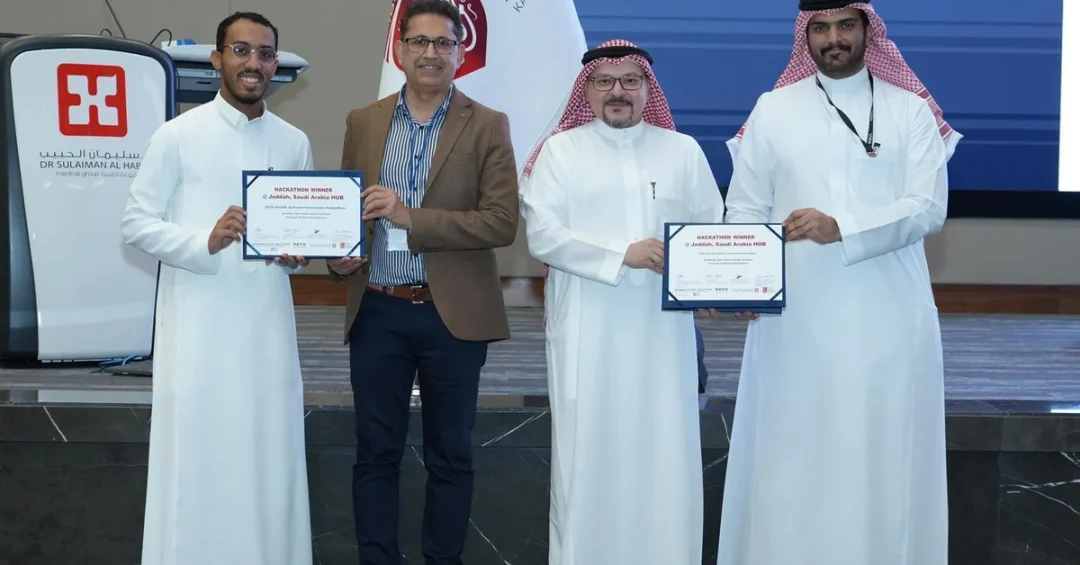
The University of Jeddah has secured first place at the Harvard University Innovative Health Hackathon, with student Ahmed Bawazeer from the College of Computer Science and Engineering winning top honors for an artificial intelligence-driven project designed to shape the future of health systems. The competition, held under the theme “Building High-Value Health Systems: Harnessing Digital Health and Artificial Intelligence,” was hosted by Prince Mohammed Bin Salman College of Business and Entrepreneurship (MBSC) and drew 160 innovative ideas from participants dedicated to advancing global healthcare.
Bawazeer, a member of the university’s Gifted Talent Recruitment and Care Program, distinguished himself among a highly competitive field by presenting a solution that leverages AI to address pressing challenges in modern healthcare delivery. His achievement not only highlights the caliber of Saudi talent but also underscores the Kingdom’s growing capacity to contribute meaningfully to global innovation. The victory, announced by the Saudi Press Agency, represents a significant endorsement of Saudi Arabia’s investment in education, technology, and human capital development.
Why does this achievement matter beyond the walls of a single university? It signals that Saudi students are not merely participants in the global knowledge economy but are increasingly setting its pace. The recognition from Harvard, one of the world’s most prestigious academic institutions, affirms that the Kingdom’s strategic focus on nurturing gifted youth and fostering AI expertise is yielding tangible, world-class results.
Context and Background
The Harvard Innovative Health Hackathon is a renowned platform that brings together students, researchers, and entrepreneurs from around the world to develop creative solutions for some of the most complex challenges in healthcare. Hosted in this instance by MBSC, a leading Saudi institution dedicated to business and entrepreneurship education, the event provided a unique opportunity for Saudi students to compete on an international stage. The theme, “Building High-Value Health Systems: Harnessing Digital Health and Artificial Intelligence,” reflects a global consensus that AI and digital tools are essential to making healthcare more accessible, efficient, and effective.
The University of Jeddah, established in 2014, has quickly positioned itself as a hub for innovation and academic excellence. Its Gifted Talent Recruitment and Care Program is designed to identify, nurture, and empower exceptionally talented students, providing them with the resources and mentorship needed to excel. Ahmed Bawazeer’s participation in this program was instrumental in his preparation for the hackathon, allowing him to refine his ideas and compete confidently against international peers.
Does this victory surprise those who have followed Saudi Arabia’s educational trajectory? Not at all. The Kingdom has made substantial investments in science, technology, engineering, and mathematics (STEM) education, with a particular emphasis on artificial intelligence and digital health. Vision 2030, the nation’s ambitious roadmap for economic diversification and social development, prioritizes the creation of a knowledge-based economy, and success stories like Bawazeer’s are a direct outcome of that strategic direction.
Key Details of the Winning Project
Ahmed Bawazeer’s winning project was built on advanced AI technologies aimed at developing future solutions for health systems. While specific technical details remain proprietary, the project’s selection from among 160 competing ideas speaks to its originality, feasibility, and potential impact. The hackathon judges, comprising experts from Harvard and other leading institutions, evaluated entries based on innovation, practicality, and alignment with the theme of high-value health systems.
The project likely addresses critical areas such as predictive analytics, personalized medicine, or resource optimization—fields where AI can dramatically improve patient outcomes and reduce costs. By leveraging machine learning algorithms and data-driven insights, Bawazeer’s solution demonstrated how digital tools can be harnessed to create more responsive and equitable healthcare infrastructures. This aligns with global efforts to achieve universal health coverage and improve health system resilience, particularly in the wake of the COVID-19 pandemic.
What does it take to stand out in such a competitive environment? A combination of deep technical knowledge, creative problem-solving, and the ability to communicate a compelling vision. Bawazeer’s success reflects not only his individual talent but also the quality of mentorship and support he received at the University of Jeddah. The university’s commitment to fostering innovation is evident in its state-of-the-art facilities, experienced faculty, and partnerships with industry leaders.
International and Regional Impact
This achievement carries significant implications for Saudi Arabia’s standing in the global innovation landscape. It demonstrates that Saudi students can compete—and win—against the best minds from around the world. For the Middle East and North Africa region, it serves as an inspiring example of what is possible when governments invest in education and technology. It also strengthens Saudi Arabia’s reputation as a hub for AI research and development, attracting potential collaborators and investors.
On an international level, the victory reinforces the importance of cross-border academic collaborations. The Harvard hackathon, hosted by MBSC, exemplifies how global institutions can work together to address shared challenges. Saudi Arabia’s participation in such events is part of its broader strategy to engage with the international community, share knowledge, and contribute to global problem-solving. This aligns with the Kingdom’s active role in multilateral forums and its commitment to the United Nations Sustainable Development Goals, particularly those related to health and innovation.
Could this be a catalyst for more Saudi students to pursue careers in AI and digital health? Absolutely. Success breeds success, and Bawazeer’s achievement is likely to inspire others to follow in his footsteps. It also signals to policymakers and educators that investments in gifted programs and AI education are paying off, encouraging further support for these initiatives.
Economic and Strategic Significance
The economic implications of this win extend beyond the individual accolades. AI and digital health are among the fastest-growing sectors globally, with the potential to generate significant economic value. By nurturing talent in these areas, Saudi Arabia is positioning itself to capture a share of this growth, creating jobs and fostering entrepreneurship. The Kingdom’s National Strategy for Data and AI, launched in 2020, aims to make Saudi Arabia a global leader in AI by 2030, and achievements like this demonstrate progress toward that goal.
Strategically, the win enhances Saudi Arabia’s soft power. It showcases the Kingdom’s ability to produce world-class innovators, challenging stereotypes and highlighting the transformative potential of Vision 2030. It also strengthens ties with prestigious international institutions like Harvard, opening doors for future collaborations in research, education, and technology transfer. Such partnerships are essential for building a diversified, knowledge-based economy.
How does this align with Saudi Arabia’s long-term vision? Vision 2030 seeks to diversify the economy away from oil, empower youth, and improve quality of life. Bawazeer’s success embodies these objectives: he is a young Saudi who has excelled in a high-tech field, bringing international recognition to his country. His journey from the Gifted Talent Recruitment and Care Program to a global stage illustrates the effectiveness of the Kingdom’s human capital development strategy.
Vision 2030 Alignment
The University of Jeddah’s triumph at the Harvard Health Hackathon is a vivid illustration of Vision 2030 in action. The vision’s emphasis on education, innovation, and youth empowerment is directly reflected in Bawazeer’s achievement. By investing in gifted programs and AI research, Saudi Arabia is building a pipeline of talent that will drive the nation’s future prosperity. This success also aligns with the Health Sector Transformation Program, which aims to improve healthcare quality and accessibility through digital solutions.
As Saudi Arabia continues its journey toward a diversified, innovation-driven economy, stories like this will become more common. The Kingdom’s commitment to fostering a culture of excellence and creativity is unwavering, and the global recognition earned by its students serves as a testament to the wisdom of that commitment. With each international accolade, Saudi Arabia reinforces its role as a leader in the region and a valued partner in the global community.
What does the future hold for Saudi Arabia’s young innovators? If Bawazeer’s win is any indication, it holds limitless possibilities. The Kingdom is not just participating in the global knowledge economy—it is helping to shape it. And as more Saudi students take their places on the world stage, they will continue to make their nation proud, contributing to a brighter, healthier, and more prosperous future for all.
20 Questions
Q1. What competition did the University of Jeddah student win?
A1. Ahmed Bawazeer, a student at the University of Jeddah, won first place at the Harvard University Innovative Health Hackathon, held under the theme “Building High-Value Health Systems: Harnessing Digital Health and Artificial Intelligence.”
Q2. Who is Ahmed Bawazeer?
A2. Ahmed Bawazeer is a student from the College of Computer Science and Engineering at the University of Jeddah and a member of the university’s Gifted Talent Recruitment and Care Program, which nurtures exceptional students.
Q3. Where was the hackathon hosted?
A3. The hackathon was hosted by Prince Mohammed Bin Salman College of Business and Entrepreneurship (MBSC) in Saudi Arabia, in collaboration with Harvard University.
Q4. How many ideas were featured in the hackathon?
A4. The hackathon featured 160 innovative ideas from participants, all aimed at developing future solutions for health systems using digital health and artificial intelligence.
Q5. What was the theme of the hackathon?
A5. The theme was “Building High-Value Health Systems: Harnessing Digital Health and Artificial Intelligence,” focusing on leveraging AI to improve healthcare delivery and outcomes globally.
Q6. What was the basis of Bawazeer’s winning project?
A6. Bawazeer’s project was based on AI technologies designed to develop future solutions for health systems, addressing challenges in healthcare through advanced digital tools and data-driven insights.
Q7. What is the Gifted Talent Recruitment and Care Program?
A7. It is a program at the University of Jeddah that identifies, nurtures, and supports exceptionally talented students, providing them with resources and mentorship to excel in their fields.
Q8. How does this achievement reflect on the University of Jeddah?
A8. It reflects the university’s vision to support students and showcase their talents globally, emphasizing its commitment to investing in AI and advancing health systems for societal progress.
Q9. What is the significance of this win for Saudi Arabia?
A9. It highlights Saudi Arabia’s growing capacity in AI and digital health, aligning with Vision 2030’s goals to diversify the economy and empower youth on the international stage.
Q10. What role did Harvard University play in the hackathon?
A10. Harvard University organized the Innovative Health Hackathon, providing a prestigious platform for students worldwide to compete and showcase innovative solutions in health systems.
Q11. What is MBSC’s involvement in the hackathon?
A11. Prince Mohammed Bin Salman College of Business and Entrepreneurship (MBSC) hosted the hackathon, facilitating a conducive environment for innovation and entrepreneurship among participants.
Q12. How does this win align with Vision 2030?
A12. It aligns with Vision 2030’s focus on education, innovation, and youth empowerment, demonstrating the Kingdom’s investment in human capital and AI as key drivers of future prosperity.
Q13. What are the potential applications of Bawazeer’s project?
A13. While specific details are not disclosed, the project likely addresses areas such as predictive analytics, personalized medicine, or resource optimization, aiming to enhance healthcare efficiency and accessibility.
Q14. How many participants competed in the hackathon?
A14. The hackathon featured 160 innovative ideas, indicating a highly competitive field with participants from various backgrounds and institutions.
Q15. What does this achievement mean for Saudi students?
A15. It serves as an inspiration, showing that Saudi students can compete and win on global platforms, encouraging more youth to pursue careers in AI, digital health, and innovation.
Q16. What is the Health Sector Transformation Program?
A16. It is a Vision 2030 initiative aimed at improving healthcare quality and accessibility in Saudi Arabia through digital solutions, public-private partnerships, and innovation.
Q17. How does this win impact Saudi Arabia’s global reputation?
A17. It enhances the Kingdom’s reputation as a hub for innovation and talent, showcasing its ability to produce world-class solutions and compete internationally in high-tech fields.
Q18. What support did Bawazeer receive from the University of Jeddah?
A18. Through the Gifted Talent Recruitment and Care Program, Bawazeer received mentorship, resources, and a supportive environment that helped him refine his ideas and compete effectively.
Q19. What are the economic benefits of AI in healthcare for Saudi Arabia?
A19. AI in healthcare can reduce costs, improve patient outcomes, and create new economic opportunities, contributing to the diversification of Saudi Arabia’s economy as outlined in Vision 2030.
Q20. What future collaborations might arise from this achievement?
A20. The win could lead to partnerships between Saudi institutions and global entities like Harvard, fostering research, education, and technology transfer, and further advancing Saudi Arabia’s innovation ecosystem.
Reader Feedback
We value your thoughts. Please share your feedback on this article.
Your feedback helps us improve our coverage.
Related articles
 KAUST Finds Hidden Ecosystem Beneath Red Sea Coral Reef
 Saudi Arabia Launches First Semiconductor Chipathon in Riyadh
 CODE to Host ‘Your AI, Your Rules’ Workshop in Riyadh
 GEOSA Sponsors Geospatial World Forum 2025 in Madrid
 Estidamah Produces 73,000 Seedlings via Tissue Culture in 2024
 Saudi Arabia Ranks 9th Globally in Geospatial Readiness