


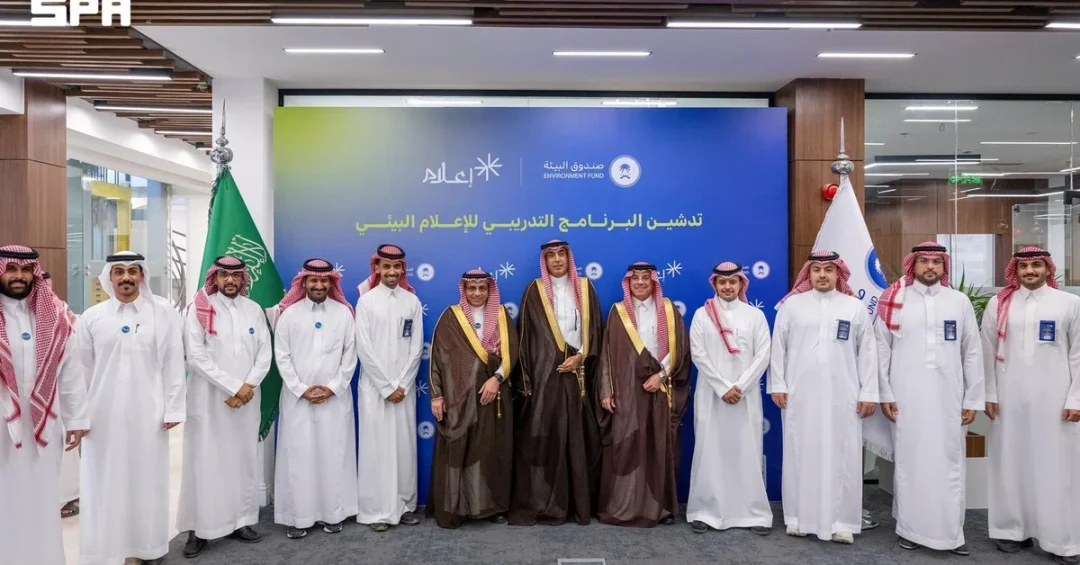
The Environment Fund launched a specialized training program to qualify 250 trainees in environmental media during a ceremony at its headquarters in Riyadh on November 2, 2026, led by CEO Munir Al-Sahli and attended by Saudi Media Association (Ealam) Chairman Abdullah Al-Shehri. The initiative, implemented by Ealam with support from the Environment Fund, represents a significant step in building national capacity for environmental reporting and advancing the Kingdom’s sustainability communications strategy. The program is designed to equip media professionals with the skills needed to cover environmental issues effectively and produce specialized content that keeps pace with digital media developments. It also aims to highlight Saudi Arabia’s ongoing efforts to protect the environment and preserve its natural resources in line with Saudi Vision 2030.
Have you considered how specialized media training can shape public understanding of environmental challenges and solutions? This program directly addresses that question by creating a cadre of informed journalists and content creators who can accurately report on environmental topics. The Environment Fund’s Incentives and Grants Program supports the initiative, reflecting a broader commitment to developing Saudi Arabia’s environmental sector through social initiatives, scientific research, and private sector investment. By targeting media professionals interested in environmental affairs, the program seeks to strengthen the role of media in raising awareness, promoting a culture of sustainability, and encouraging community participation in national protection initiatives. This aligns with the Kingdom’s strategic priorities and underscores the importance of informed public discourse in achieving environmental goals.
Context and Background
What prompted the Environment Fund to prioritize environmental media training at this particular moment? The launch of this program comes as Saudi Arabia accelerates its environmental agenda under Vision 2030, which includes ambitious targets for renewable energy, afforestation, and wildlife conservation. The Environment Fund, established to support environmental sustainability, has been instrumental in financing projects and initiatives that address climate change, biodiversity loss, and desertification. The partnership with Ealam, the Saudi Media Association, leverages the association’s expertise in media training and professional development to ensure the program’s effectiveness. This collaboration between an environmental funding body and a media professional association is a novel approach that recognizes the critical role of communication in environmental action.
The program’s timing reflects a growing global recognition that environmental issues require specialized reporting to combat misinformation and foster informed public engagement. In Saudi Arabia, the media landscape is evolving rapidly, with digital platforms offering new opportunities for reaching diverse audiences. By training 250 media professionals, the program aims to create a network of environmental journalists who can produce high-quality content across various platforms. This initiative also supports the Kingdom’s efforts to position itself as a leader in sustainability and environmental stewardship on the regional and global stage. The involvement of high-level officials like Munir Al-Sahli and Abdullah Al-Shehri underscores the importance placed on this program within Saudi Arabia’s environmental and media sectors.
Key Details of the Training Program
How will the program actually build the skills of these 250 trainees? The specialized training program is structured to cover a range of topics essential for environmental reporting, including climate science, renewable energy, water conservation, and biodiversity. Participants will learn to produce content that resonates with audiences while maintaining scientific accuracy and journalistic integrity. The curriculum is designed to keep pace with developments in digital media, incorporating tools and techniques for multimedia storytelling, data journalism, and social media engagement. By focusing on practical skills, the program ensures that trainees can immediately apply their knowledge to cover environmental issues in Saudi Arabia and beyond.
The program targets media professionals who are interested in environmental affairs, whether they are journalists, editors, producers, or content creators. It aims to build their capacity to highlight the Kingdom’s efforts to protect the environment and preserve its natural resources. This includes covering initiatives such as the Saudi Green Initiative and the Middle East Green Initiative, which are key components of Vision 2030. The training also emphasizes the importance of raising awareness about environmental issues and promoting a culture of sustainability among the public. By preparing specialized media professionals, the program contributes to a more informed citizenry that can actively participate in national protection initiatives.
Support from the Environment Fund’s Incentives and Grants Program is a critical enabler of this initiative. This program is designed to develop Saudi Arabia’s environmental sector by supporting social initiatives and scientific research, as well as enabling the private sector to invest in environmental fields. By funding the training program, the Environment Fund demonstrates its commitment to building human capital and fostering innovation in environmental communication. The grants program also aligns with the Fund’s broader mission to finance environmental projects and initiatives that have a tangible impact on the ground. This integrated approach ensures that media training is not an isolated effort but part of a comprehensive strategy to advance environmental sustainability.
International and Regional Impact
Could this program serve as a model for other nations in the region and beyond? Saudi Arabia’s investment in environmental media training positions the Kingdom as a pioneer in the Arab world and beyond. By creating a skilled workforce of environmental journalists, the program enhances the quality of environmental reporting not only within Saudi Arabia but also across the region, as trained professionals share their expertise and collaborate on cross-border stories. This can lead to greater public awareness of shared environmental challenges such as water scarcity, desertification, and climate change, fostering regional cooperation and knowledge exchange. The program also supports Saudi Arabia’s role in global environmental dialogues, as informed media coverage can amplify the Kingdom’s contributions to international efforts like the Paris Agreement and the UN Sustainable Development Goals.
On the international stage, the program contributes to Saudi Arabia’s soft power by showcasing its commitment to sustainability and education. As the Kingdom hosts major events and assumes leadership roles in organizations such as the G20 and OPEC, having a cadre of well-trained environmental journalists ensures that its message is communicated effectively to global audiences. This is particularly important as Saudi Arabia pursues its Vision 2030 goals, which include transitioning to a more sustainable economy and diversifying away from oil. The training program also facilitates international media partnerships and exchanges, as Saudi environmental journalists can collaborate with counterparts from other countries to report on global environmental issues. By investing in media capacity, Saudi Arabia strengthens its position as a responsible global citizen and a leader in sustainable development.
Economic and Strategic Significance
What economic benefits can arise from a more environmentally literate media landscape? The program supports Saudi Arabia’s economic diversification by promoting sustainable practices and green technologies, which are emerging sectors in the Kingdom’s economy. As media professionals highlight investment opportunities in renewable energy, water management, and eco-tourism, they can attract both domestic and foreign investment. This aligns with the objectives of Vision 2030 to create a vibrant private sector and reduce dependence on oil revenues. Moreover, by fostering a culture of sustainability, the program encourages responsible consumption and production patterns that can lead to long-term economic savings and efficiency gains. The Environment Fund’s Incentives and Grants Program further enables private sector investment by providing grants and incentives for environmental projects, creating a multiplier effect that benefits the entire economy.
Strategically, the program enhances Saudi Arabia’s ability to address environmental challenges that have direct economic implications, such as water scarcity and air pollution. By improving public understanding of these issues through accurate media coverage, the program can build support for policies and initiatives that mitigate risks and promote sustainable development. This is crucial as the Kingdom implements mega-projects like NEOM and the Red Sea Project, which are designed to be models of sustainability. Effective communication about these projects can attract global attention and investment, while also ensuring that local communities are informed and engaged. The training program thus plays a vital role in the broader strategic framework of Vision 2030, linking environmental protection with economic prosperity and social well-being.
Vision 2030 Alignment
How does this initiative fit into the grand tapestry of Saudi Vision 2030? The program directly supports several pillars of Vision 2030, including the creation of a vibrant society, a thriving economy, and an ambitious nation. By empowering media professionals to cover environmental issues, it contributes to a more informed and engaged society that values sustainability. It also supports economic diversification by promoting green sectors and attracting investment. Furthermore, it aligns with the Vision’s emphasis on government effectiveness and accountability by fostering transparency and public participation in environmental decision-making. The Environment Fund’s role in supporting this program exemplifies the collaborative approach that Vision 2030 encourages, bringing together government entities, non-profit organizations, and the private sector to achieve common goals.
In the long term, the training program will help institutionalize environmental journalism in Saudi Arabia, ensuring that future generations have access to reliable information about the environment. This is essential for maintaining the momentum of Vision 2030 and achieving its ambitious environmental targets, such as the Saudi Green Initiative’s goal to plant 10 billion trees and protect 30% of the Kingdom’s land and sea areas. By investing in human capital, Saudi Arabia is not only addressing immediate environmental challenges but also building a legacy of sustainability that will benefit generations to come. The program’s success will be measured by the quality and impact of environmental reporting in the Kingdom, and it stands as a testament to Saudi Arabia’s commitment to a sustainable future in line with Vision 2030.
20 Questions
Q1. What is the Environment Fund’s specialized environmental media training program?
A1. It is a training initiative launched by the Environment Fund to qualify 250 trainees in environmental media, implemented by the Saudi Media Association (Ealam) with support from the Fund’s Incentives and Grants Program.
Q2. Who launched the program and where was it held?
A2. The program was launched by Environment Fund CEO Munir Al-Sahli at the fund’s headquarters in Riyadh, in the presence of Saudi Media Association Chairman Abdullah Al-Shehri.
Q3. How many trainees will benefit from the program?
A3. The program aims to qualify 250 trainees, targeting media professionals interested in environmental affairs.
Q4. What is the main objective of the training program?
A4. Its main objective is to build the skills of media professionals in covering environmental issues and producing specialized media content that keeps pace with digital media developments.
Q5. Which organization is implementing the program?
A5. The program is implemented by the Saudi Media Association (Ealam) with support from the Environment Fund.
Q6. What is the role of the Environment Fund’s Incentives and Grants Program?
A6. It supports the training program as part of its broader aim to develop Saudi Arabia’s environmental sector by supporting social initiatives, scientific research, and private sector investment.
Q7. How does the program support Saudi Vision 2030?
A7. It supports Vision 2030 by strengthening the media’s role in raising environmental awareness, promoting sustainability, and encouraging community participation in national protection initiatives.
Q8. What specific skills will trainees acquire?
A8. Trainees will learn to cover environmental issues, produce specialized content for digital media, and highlight the Kingdom’s efforts to protect the environment and preserve natural resources.
Q9. Why is environmental media training important now?
A9. It is important now as Saudi Arabia accelerates its environmental agenda under Vision 2030, requiring informed media coverage to raise awareness and support sustainability goals.
Q10. Who is eligible to participate in the program?
A10. The program targets media professionals interested in environmental affairs, including journalists, editors, producers, and content creators.
Q11. What is the Saudi Media Association (Ealam)?
A11. Ealam is the Saudi Media Association, a professional body that collaborates with government and private entities to enhance media skills and promote high-quality journalism in the Kingdom.
Q12. How will the program keep pace with digital media developments?
A12. The program incorporates training on multimedia storytelling, data journalism, and social media engagement to ensure content is effective across digital platforms.
Q13. What environmental issues will the training cover?
A13. The curriculum covers climate science, renewable energy, water conservation, biodiversity, and other topics relevant to Saudi Arabia’s environmental challenges and solutions.
Q14. How does the program encourage community participation?
A14. By training media professionals to produce engaging content, the program aims to inspire public involvement in national environmental protection initiatives and sustainability practices.
Q15. What is the significance of the program for Saudi Arabia’s media landscape?
A15. It enhances the quality of environmental reporting, creates a network of specialized journalists, and supports the Kingdom’s position as a leader in sustainability communications.
Q16. How does the program align with the Saudi Green Initiative?
A16. It supports the Saudi Green Initiative by promoting accurate coverage of its goals, such as planting 10 billion trees and protecting 30% of the Kingdom’s land and sea areas.
Q17. What economic benefits can result from the program?
A17. It can attract investment in green sectors, promote sustainable practices, and support economic diversification by highlighting opportunities in renewable energy and eco-tourism.
Q18. Will the program have a regional impact?
A18. Yes, it can serve as a model for other nations, enhance regional environmental reporting, and foster cooperation on shared challenges like water scarcity and climate change.
Q19. How does the Environment Fund support environmental projects?
A19. The Environment Fund provides financial support through its Incentives and Grants Program, which funds social initiatives, scientific research, and private sector investments in the environmental field.
Q20. What is the long-term goal of the training program?
A20. The long-term goal is to institutionalize environmental journalism in Saudi Arabia, ensuring reliable information for future generations and supporting the achievement of Vision 2030’s environmental targets.
Reader Feedback
We value your thoughts. Please share your feedback on this article.
Your feedback helps us improve our coverage.
Related articles
 Interactive Signs Guide Pilgrims at Makkah Grand Mosque
 Jazan Governor Lays Foundation Stone for SAR46.7 Million Forest Research Center
 Qassim Produces Over 100,000 Trees Since September
 Arab League Chief: Palestinian Cause Tests Global Order
 King Salman Approves Medals for 56 Blood Donors
 Crown Prince Sends Message to China’s President Xi