


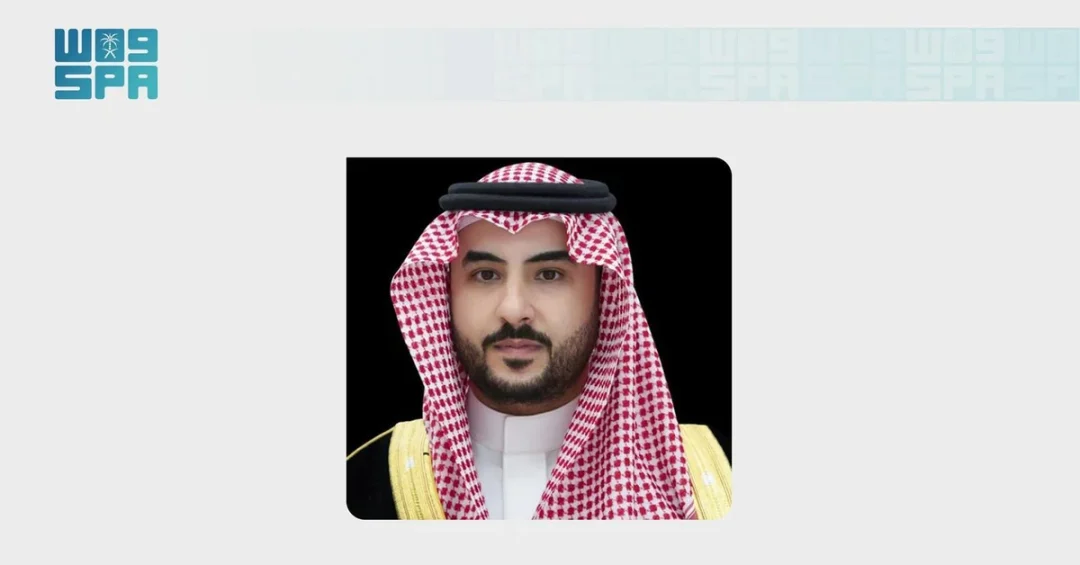
Saudi Minister of Defense Prince Khalid bin Salman bin Abdulaziz held a phone call on Monday with the Minister of National Defence of the Hellenic Republic, Nikos Dendias, to review ways to strengthen current and future defense cooperation and to discuss joint efforts to enhance regional and international security and stability. The call, reported by the Saudi Press Agency (SPA), underscores the Kingdom’s continued engagement with international partners on matters of mutual strategic interest, particularly as regional dynamics continue to evolve.
How does a single phone call between two defense ministers signal broader geopolitical shifts? In the case of Saudi Arabia and Greece, such high-level consultations reflect a deepening relationship that spans defense, energy, and economic cooperation. The discussion between Prince Khalid bin Salman and Minister Dendias comes at a time when the Eastern Mediterranean and the Middle East are witnessing rapid changes, from security challenges to new opportunities for collaboration under Saudi Vision 2030. The exchange also highlights Saudi Arabia’s proactive diplomacy, led by Crown Prince Mohammed bin Salman, to build robust alliances that contribute to peace and prosperity.
Context and Background
What historical ties underpin the Saudi-Greek defense dialogue? Saudi Arabia and Greece have steadily expanded their bilateral relationship over the past decade, with defense cooperation emerging as a key pillar. In 2021, the two countries signed a landmark defense agreement that included provisions for military training, joint exercises, and technology transfer. This was followed by high-level visits, including Greek Prime Minister Kyriakos Mitsotakis’s participation in the Future Investment Initiative in Riyadh. The partnership is rooted in shared interests: Greece, as a member of NATO and the European Union, offers strategic access to the Eastern Mediterranean, while Saudi Arabia, a leading power in the Arab and Islamic world, provides stability and economic weight in the Gulf.
The timing of the latest call is significant. Regional security in the Middle East remains a priority for Riyadh, given ongoing conflicts in Yemen, tensions in the Red Sea, and the broader challenge of Iran’s nuclear ambitions. Greece, meanwhile, faces its own security concerns in the Eastern Mediterranean, including maritime disputes with Turkey and the need to secure energy corridors. By aligning their perspectives, both nations can address common threats and foster stability. The call also follows recent Saudi efforts to mediate regional crises, such as the peace initiatives in Yemen and the restoration of diplomatic ties with Iran, showcasing the Kingdom’s role as a responsible global actor.
Furthermore, the discussion reflects the growing importance of defense diplomacy in Saudi Arabia’s foreign policy. Under Vision 2030, the Kingdom aims to diversify its partnerships and reduce reliance on traditional allies. Greece, with its advanced military capabilities and strategic location, is a natural partner in this endeavor. The two countries have already conducted joint naval exercises, such as the “Medusa” drills, which enhance interoperability and maritime security. These activities not only bolster defense readiness but also send a message of unity against shared challenges.
Key Details of the Discussion
What specific areas of cooperation were on the agenda? According to the SPA report, Prince Khalid bin Salman and Minister Dendias reviewed ways to strengthen current and future defense cooperation. This encompasses a range of potential initiatives, from joint military training and exercises to the exchange of expertise in cybersecurity and defense technology. The conversation also covered joint efforts to enhance regional and international security and stability, with a focus on current developments in the region. While the SPA did not disclose specific outcomes, such calls typically lay the groundwork for formal agreements and follow-up meetings.
The two ministers likely discussed the situation in the Eastern Mediterranean, where Greece plays a pivotal role in NATO’s southern flank. Saudi Arabia has a vested interest in the stability of this region, as it affects global energy supplies and trade routes. Moreover, the call may have touched on counterterrorism cooperation, an area where both countries have strong records. Greece has been a reliable partner in sharing intelligence and combating extremist networks, while Saudi Arabia leads regional efforts to counter terrorism and extremism. By coordinating their approaches, they can amplify their impact.
Another key detail is the emphasis on “current and future” cooperation, indicating a forward-looking approach. This could involve joint development of defense systems, participation in multilateral peacekeeping missions, or collaboration in emerging domains such as space and artificial intelligence. Saudi Arabia’s defense sector is undergoing significant transformation under Vision 2030, with the establishment of the General Authority for Military Industries (GAMI) to localize up to 50% of military spending by 2030. Greece, with its own defense industry, could partner in this localization drive, offering expertise in naval and aerospace technologies.
International and Regional Impact
How does this call resonate beyond the two nations? The Saudi-Greek defense dialogue is part of a broader realignment in the Eastern Mediterranean and the Middle East. It signals to other regional players that Saudi Arabia is diversifying its alliances and is willing to work with European partners to ensure stability. For Greece, strengthening ties with Saudi Arabia provides a counterbalance to Turkish influence and reinforces its position as a bridge between Europe and the Gulf. This partnership also complements the broader EU-Gulf cooperation framework, which aims to address shared challenges such as energy security, migration, and climate change.
On the international stage, the call reinforces Saudi Arabia’s commitment to multilateralism and its role as a stabilizing force. It aligns with the Kingdom’s efforts to promote peace and security, as seen in its support for UN-led initiatives in Yemen and its contributions to global counterterrorism efforts. By engaging with Greece, a NATO member, Saudi Arabia demonstrates its willingness to collaborate with Western defense structures without compromising its sovereignty or independent foreign policy. This balanced approach is a hallmark of Saudi diplomacy under Vision 2030, which seeks to build a network of strategic partnerships across the globe.
Moreover, the timing of the call—amidst evolving regional dynamics—highlights the proactive nature of Saudi defense policy. The Kingdom is not merely reacting to events but shaping them through dialogue and cooperation. This proactive stance is essential for maintaining stability in a volatile region and for protecting Saudi Arabia’s economic and security interests. The partnership with Greece also has implications for maritime security in the Red Sea and the Eastern Mediterranean, where both countries have a stake in ensuring freedom of navigation and protecting critical infrastructure.
Economic and Strategic Significance
What economic benefits flow from defense cooperation? Defense ties often pave the way for broader economic collaboration. Saudi Arabia and Greece have already seen growth in trade and investment, with Greek companies participating in Saudi infrastructure projects and Saudi investors exploring opportunities in Greek tourism and real estate. Enhanced defense cooperation can further stimulate economic exchanges, particularly in the defense industry, where joint ventures and technology transfers can create jobs and drive innovation. For Saudi Arabia, this aligns with Vision 2030’s goal of diversifying the economy and developing a domestic defense industry.
Strategically, the partnership enhances Saudi Arabia’s ability to project influence and protect its interests. The Eastern Mediterranean is a crucial corridor for energy exports, and stability there is vital for global oil markets. By cooperating with Greece, Saudi Arabia can help secure these routes and ensure the uninterrupted flow of energy. Additionally, Greece’s membership in the EU and NATO provides Saudi Arabia with valuable insights and access to European defense markets. This strategic alignment is mutually beneficial and contributes to a more stable and prosperous region.
Furthermore, the defense dialogue supports Saudi Arabia’s efforts to build a knowledge-based economy. Collaboration in defense technology and research can spur innovation in fields such as cybersecurity, aerospace, and artificial intelligence. These are priority sectors under Vision 2030, and partnerships with advanced economies like Greece can accelerate progress. The call between the two ministers is thus not just about security but also about unlocking economic potential and fostering sustainable development.
Vision 2030 Alignment
How does this defense cooperation align with Saudi Vision 2030? Vision 2030 is a comprehensive plan to transform Saudi Arabia’s economy and society, and defense is a key component. The Kingdom aims to localize its defense industry, enhance its military capabilities, and strengthen international partnerships. The call between Prince Khalid bin Salman and Minister Dendias directly supports these objectives by fostering collaboration with a technologically advanced partner. It also reflects the Vision’s emphasis on proactive diplomacy and global engagement, positioning Saudi Arabia as a leader in regional security.
In conclusion, the phone call between Saudi Minister of Defense Prince Khalid bin Salman bin Abdulaziz and Greek Minister of National Defence Nikos Dendias represents a significant step in deepening bilateral ties and addressing shared security challenges. As Saudi Arabia continues its journey under Vision 2030, such partnerships will be instrumental in achieving its goals of stability, prosperity, and global influence. The Kingdom remains committed to working with allies like Greece to build a safer and more secure world for all. How will this partnership evolve in the years ahead? Only time will tell, but the foundation is strong and the commitment is clear.
20 Questions
Q1. Who held a phone call on Monday to discuss defense cooperation?
A1. Saudi Minister of Defense Prince Khalid bin Salman bin Abdulaziz held a phone call with Greek Minister of National Defence Nikos Dendias on Monday.
Q2. What was the main purpose of the call?
A2. The call aimed to review ways to strengthen current and future defense cooperation and to discuss joint efforts to enhance regional and international security and stability.
Q3. Which Saudi official represented the Kingdom in the call?
A3. Prince Khalid bin Salman bin Abdulaziz, Saudi Minister of Defense, represented the Kingdom.
Q4. Who is the Greek Minister of National Defence?
A4. Nikos Dendias is the Minister of National Defence of the Hellenic Republic.
Q5. What did the two ministers discuss regarding regional security?
A5. They discussed joint efforts to enhance regional and international security and stability in light of current developments in the region.
Q6. When did the phone call take place?
A6. The phone call took place on Monday, as reported by the Saudi Press Agency.
Q7. Which agency reported the call?
A7. The Saudi Press Agency (SPA) reported the call.
Q8. What does the call indicate about Saudi-Greek relations?
A8. It indicates deepening defense ties and a shared commitment to addressing regional security challenges.
Q9. What are the key areas of Saudi-Greek defense cooperation?
A9. Key areas include joint military training, exercises, technology transfer, and counterterrorism efforts.
Q10. How does this call align with Saudi Vision 2030?
A10. It supports Vision 2030 by strengthening international partnerships, enhancing defense capabilities, and promoting global engagement.
Q11. What is the significance of Greece in Saudi defense strategy?
A11. Greece offers strategic access to the Eastern Mediterranean, is a NATO member, and provides expertise in naval and aerospace technologies.
Q12. What regional developments prompted the discussion?
A12. Current developments in the Middle East and Eastern Mediterranean, including security challenges and opportunities for collaboration.
Q13. Will there be follow-up actions after the call?
A13. The call likely lays the groundwork for formal agreements and future meetings between defense officials.
Q14. How does this cooperation benefit both countries economically?
A14. It can stimulate trade, investment, and joint ventures in the defense industry, creating jobs and driving innovation.
Q15. What role does Saudi Arabia play in regional security?
A15. Saudi Arabia is a stabilizing force, leading counterterrorism efforts and mediating conflicts to promote peace.
Q16. What is the Hellenic Republic’s stance on regional security?
A16. Greece seeks to ensure stability in the Eastern Mediterranean and collaborates with partners like Saudi Arabia to address shared threats.
Q17. How does this call reflect Saudi Arabia’s foreign policy?
A17. It demonstrates Saudi Arabia’s proactive diplomacy and commitment to building diverse international partnerships.
Q18. What defense agreements exist between Saudi Arabia and Greece?
A18. A 2021 defense agreement includes provisions for military training, joint exercises, and technology transfer.
Q19. What joint military exercises have Saudi Arabia and Greece conducted?
A19. They have conducted joint naval exercises such as the “Medusa” drills to enhance interoperability and maritime security.
Q20. What is the expected outcome of the call?
A20. The call strengthens bilateral ties and sets the stage for enhanced defense cooperation and regional stability.
Reader Feedback
We value your thoughts. Please share your feedback on this article.
Your feedback helps us improve our coverage.
Related articles
 KSrelief Distributes 1,900 Shelter Kits in Sudan’s Blue Nile State
 KSrelief Distributes 1,495 Food Baskets in Yemen’s Aden
 KSrelief Distributes 695 Food Baskets in Yemen’s Lahj
 Crown Prince Congratulates Bulgaria’s President-Elect Iotova
 King Salman Congratulates Bulgaria’s President-Elect Iotova
 Saudi, French Defense Ministers Discuss Strategic Ties