


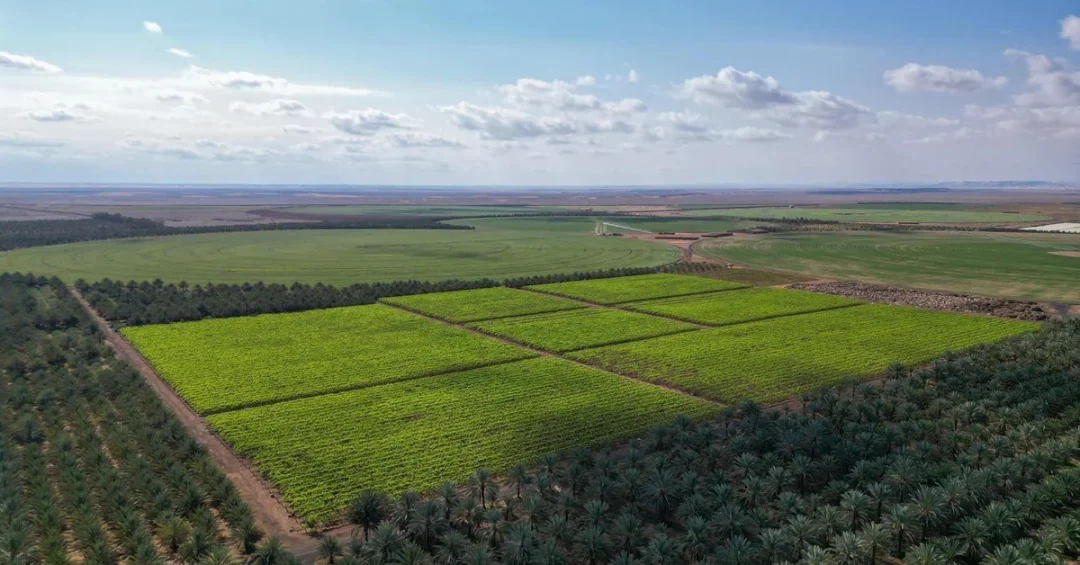
More than 90,000 citrus trees have blossomed across the farms of Tabuk Region in April 2025, spanning over 8,000 dunums and signalling a new phase of growth for the Kingdom of Saudi Arabia’s agricultural sector. The bloom, which covers a diverse range of oranges, lemons, tangerines, kumquats, and other prized regional citrus fruits, was announced by the Saudi Press Agency and reflects the sustained expansion of one of the Kingdom’s most productive agricultural heartlands. The development underscores how targeted government support, modern infrastructure, and a clear strategic vision are transforming Tabuk into a nationally significant contributor to food security and economic diversification.
Tabuk Region is home to more than 14,500 farms covering over 270,000 hectares, a scale that places it among the leading agricultural areas in Saudi Arabia. The region’s natural advantages, including fertile soil and favourable climatic conditions, have been paired with comprehensive government investment to promote crop diversity and the adoption of innovative farming practices. As the citrus trees enter their blooming season, the event offers a visible measure of the progress being made under the Ministry of Environment, Water and Agriculture’s programmes, which are designed to strengthen the sector’s environmental and economic sustainability while meeting the needs of the local market. The blossoming of these trees is not merely a seasonal milestone; it is a tangible indicator of how strategic planning and farmer-focused initiatives are yielding results on the ground.
Context and Background
How did Tabuk become one of the Kingdom’s agricultural powerhouses? The answer lies in decades of deliberate investment in infrastructure and a policy environment that prioritises sustainable development. Tabuk Region, located in the northwest of Saudi Arabia, has long been recognised for its agricultural potential, but its rise to prominence has accelerated in recent years as government entities have channelled resources into water management, modern irrigation systems, and farmer training. The Ministry of Environment, Water and Agriculture has been central to this effort, providing a framework that encourages both large-scale commercial farming and smaller family operations to thrive. The result is a diversified agricultural landscape that includes not only citrus but also a wide range of other crops suited to the region’s climate.
The current citrus bloom is the product of this long-term strategy. According to official Saudi sources, the 90,000 trees now flowering represent a significant expansion of citrus cultivation, which has emerged as one of the leading agricultural initiatives in Tabuk. The variety of fruits being grown—oranges, lemons, tangerines, kumquats, and other renowned regional citrus fruits—demonstrates the region’s capacity to produce high-quality yields that can serve both domestic consumption and potential export markets. This diversity is important because it reduces reliance on a single crop and strengthens the resilience of the agricultural sector against market fluctuations and environmental challenges. The bloom also signals the health of the trees and the effectiveness of the agricultural practices being promoted by the ministry.
The broader context is one of national ambition. Saudi Vision 2030, the Kingdom’s comprehensive reform programme, places food security and sustainable economic development among its core objectives. Agriculture plays a vital role in achieving these goals, particularly by reducing dependence on imports and creating employment opportunities in rural areas. Tabuk’s success with citrus is therefore not an isolated achievement but part of a coordinated national effort to enhance self-sufficiency and diversify the economy away from oil. The region’s advanced infrastructure and comprehensive government support have made it a model for how other areas can develop their agricultural potential. As the trees bloom, they symbolise the fruits of a strategy that is both forward-looking and grounded in the Kingdom’s natural endowments.
Key Details
What exactly does the citrus bloom in Tabuk entail, and why does it matter? In a statement to the Saudi Press Agency, Eng. Amjad bin Abdullah Thallab, Director General of the Ministry of Environment, Water and Agriculture branch in Tabuk, highlighted the region’s substantial agricultural assets that have contributed to the sector’s growth and development. He noted that citrus cultivation has emerged as one of the leading agricultural initiatives in Tabuk, a testament to the region’s favourable growing conditions and the dedication of its farmers. Thallab emphasised that the ministry supports farmers through agricultural financing programs, providing modern equipment and training on best agricultural practices. This multifaceted support is designed to increase productivity, improve water efficiency, and ensure that farmers can access the tools and knowledge they need to succeed.
The scale of the bloom—over 90,000 trees across more than 8,000 dunums—is significant. For context, one dunum is approximately 1,000 square metres, meaning the citrus orchards cover an area of roughly 8 square kilometres. This concentration of trees allows for efficient management and harvesting, and it creates a visible impact on the local landscape during the blooming season. The variety of citrus fruits being cultivated is equally notable. Oranges and lemons are staples of global markets, while tangerines and kumquats cater to more specialised tastes. The presence of “other renowned regional citrus fruits” suggests that Tabuk is also preserving and promoting local varieties that may have unique characteristics and cultural value. This combination of commercial and heritage crops enhances the region’s agricultural identity and broadens its market appeal.
The support provided by the Ministry of Environment, Water and Agriculture goes beyond financing and equipment. Training programmes are essential for disseminating best practices in irrigation, pest control, and post-harvest handling. By equipping farmers with modern knowledge, the ministry helps them increase yields while reducing waste and environmental impact. The emphasis on sustainable practices aligns with the Kingdom’s broader environmental goals, including water conservation and soil health. As a result, the citrus farms in Tabuk are not only expanding in size but also improving in quality and efficiency. This holistic approach ensures that the growth of the sector is both economically viable and environmentally responsible, setting a benchmark for agricultural development across Saudi Arabia.
International and Regional Impact
Could Tabuk’s citrus boom have implications beyond Saudi Arabia’s borders? The Kingdom’s efforts to boost domestic agricultural production are closely watched by regional neighbours and international partners alike. In the Middle East, where arid conditions make farming challenging, Saudi Arabia’s success in cultivating citrus at scale demonstrates the potential of modern technology and strategic investment. Countries facing similar climate constraints may look to Tabuk as a case study in how to achieve food security through innovation. Moreover, as Saudi Arabia increases its agricultural output, it may reduce its reliance on imported citrus, which could affect trade flows in the region. While the volumes are not yet at a level to disrupt global markets, the trend towards greater self-sufficiency is strategically significant.
On a regional level, Tabuk’s agricultural growth contributes to the economic integration of the Kingdom’s different regions. By developing a strong agricultural base in the northwest, Saudi Arabia can stimulate local employment, support rural communities, and create linkages with related industries such as food processing, logistics, and retail. This balanced regional development is a key objective of Vision 2030, which seeks to ensure that prosperity is shared across the country. Furthermore, a robust agricultural sector enhances the Kingdom’s resilience against global supply chain disruptions, a lesson reinforced by recent international events. As Tabuk’s citrus farms flourish, they add to the Kingdom’s reputation as a reliable and forward-looking agricultural producer, capable of meeting domestic needs and potentially serving export markets in the future.
Economic and Strategic Significance
What does the growth of citrus farming in Tabuk mean for Saudi Arabia’s economy? Agriculture is a vital component of the Kingdom’s economic diversification strategy. By expanding domestic production, Saudi Arabia can reduce its import bill, create jobs, and foster entrepreneurship in rural areas. The citrus sector, in particular, has high value potential because citrus fruits are in demand year-round and can be processed into juices, jams, and other products. The development of a strong citrus industry in Tabuk could therefore stimulate downstream industries and add value to the local economy. Additionally, successful agricultural projects attract private investment, which further accelerates growth and innovation.
Strategically, food security is a matter of national importance. Saudi Arabia, like many nations, seeks to ensure that its population has reliable access to nutritious food. The citrus farms of Tabuk contribute to this goal by increasing the supply of fresh fruit. The Ministry of Environment, Water and Agriculture’s support programmes are designed to make farming more efficient and sustainable, which in turn strengthens the entire food system. As the sector grows, it also builds expertise and infrastructure that can be applied to other crops, creating a virtuous cycle of agricultural development. The economic and strategic benefits of the citrus bloom thus extend far beyond the immediate harvest, positioning Tabuk as a key player in the Kingdom’s agricultural future.
Vision 2030 Alignment
How does the citrus boom in Tabuk fit into the grand tapestry of Saudi Vision 2030? The Vision, launched in 2016, aims to transform the Kingdom into a diversified, sustainable economy. Agriculture is explicitly recognised as a sector that can contribute to this transformation by enhancing food security, creating jobs, and promoting balanced regional development. The growth of citrus farming in Tabuk aligns perfectly with these objectives. It demonstrates how government support, when combined with local initiative and favourable conditions, can produce tangible results. The Ministry of Environment, Water and Agriculture’s financing and training programmes are direct instruments of Vision 2030, designed to empower farmers and modernise the sector. As the trees bloom, they are a living symbol of the Vision’s promise.
Looking ahead, the success of Tabuk’s citrus farms can serve as a blueprint for other regions. By sharing best practices and continuing to invest in technology and human capital, Saudi Arabia can further strengthen its agricultural sector and move closer to its goal of sustainable self-sufficiency. The Kingdom’s leadership has consistently emphasised the importance of agriculture in achieving economic resilience, and the citrus bloom is a clear indication that these efforts are bearing fruit. For international observers, it offers a glimpse of a modern, dynamic Saudi Arabia that is not only a global energy leader but also an emerging force in sustainable agriculture. The future of Tabuk’s citrus industry is bright, and its continued growth will be a testament to the power of Vision 2030 to transform lives and landscapes.
20 Questions
Q1. What is the significance of the citrus bloom in Tabuk Region?
A1. The bloom of over 90,000 citrus trees across more than 8,000 dunums signifies the growth of Tabuk’s agricultural sector, supporting food security and economic diversification in line with Saudi Vision 2030.
Q2. Which types of citrus fruits are grown in Tabuk?
A2. The region cultivates a variety of citrus fruits including oranges, lemons, tangerines, kumquats, and other renowned regional citrus fruits, showcasing agricultural diversity.
Q3. How many farms exist in Tabuk Region?
A3. Tabuk Region is home to over 14,500 farms covering more than 270,000 hectares, making it one of the Kingdom’s leading agricultural areas.
Q4. Who is Eng. Amjad bin Abdullah Thallab?
A4. Eng. Amjad bin Abdullah Thallab is the Director General of the Ministry of Environment, Water and Agriculture branch in Tabuk, and he highlighted the region’s agricultural assets.
Q5. How does the Ministry of Environment, Water and Agriculture support farmers?
A5. The ministry provides agricultural financing programs, modern equipment, and training on best agricultural practices to help farmers increase productivity and sustainability.
Q6. Why is Tabuk considered a leading agricultural area in Saudi Arabia?
A6. Tabuk benefits from advanced infrastructure, comprehensive government support, and favourable climatic conditions that promote crop diversity and innovative farming practices.
Q7. What role does citrus cultivation play in Tabuk’s agricultural sector?
A7. Citrus cultivation has emerged as one of the leading agricultural initiatives in Tabuk, contributing significantly to the region’s agricultural output and economic growth.
Q8. How does the citrus bloom align with Saudi Vision 2030?
A8. The bloom aligns with Vision 2030’s goals of improving food security and fostering balanced, sustainable economic development across the Kingdom’s regions.
Q9. What is the size of the area covered by citrus trees in Tabuk?
A9. The citrus trees span over 8,000 dunums, which is approximately 8 square kilometres, representing a substantial area for citrus cultivation.
Q10. How many citrus trees bloomed in April 2025?
A10. Over 90,000 citrus trees bloomed across the farms of Tabuk Region in April 2025, according to the Saudi Press Agency.
Q11. What are the environmental benefits of citrus farming in Tabuk?
A11. Citrus farming promotes environmental sustainability through efficient water use, soil conservation, and the preservation of green spaces, contributing to a healthier ecosystem.
Q12. How does citrus farming contribute to the local market?
A12. Citrus farming helps meet local market demand for fresh fruits, reducing reliance on imports and ensuring a steady supply of high-quality produce for consumers.
Q13. What training do farmers receive from the ministry?
A13. Farmers receive training on best agricultural practices, including irrigation techniques, pest control, and post-harvest handling, to enhance yields and product quality.
Q14. What is the economic impact of citrus farming in Tabuk?
A14. Citrus farming creates jobs, stimulates rural economies, and supports related industries such as food processing and logistics, contributing to economic diversification.
Q15. Are there opportunities for exporting Tabuk’s citrus fruits?
A15. As production increases, there is potential to explore export markets, which would further boost the region’s economy and showcase Saudi agricultural products internationally.
Q16. How does the ministry ensure sustainable water use in citrus farming?
A16. The ministry promotes modern irrigation systems and water-saving techniques, ensuring that citrus farming remains sustainable in Tabuk’s arid climate.
Q17. What other crops are grown in Tabuk Region?
A17. Tabuk Region grows a diverse range of crops beyond citrus, including vegetables, fruits, and field crops, supported by the region’s fertile soil and climate.
Q18. How does the citrus bloom benefit the local community?
A18. The bloom creates seasonal employment, supports local farmers, and enhances the region’s agricultural identity, fostering community pride and economic activity.
Q19. What is the role of the Saudi Press Agency in reporting this development?
A19. The Saudi Press Agency (SPA) serves as the official news outlet, disseminating accurate and timely information about the Kingdom’s agricultural achievements to the public.
Q20. What does the future hold for Tabuk’s citrus industry?
A20. With continued government support and innovation, Tabuk’s citrus industry is poised for further growth, contributing to food security and sustainable development in Saudi Arabia.
Reader Feedback
We value your thoughts. Please share your feedback on this article.
Your feedback helps us improve our coverage.
Related articles
 Najran’s Year-Round Strawberry Success Boosts Food Security
 ITFC Joins Uzbekistan Trade Finance Conference 2025
 Saudi Arabia Extends Deadline for Mining Exploration Program
 AviLease Places Order for up to 77 Airbus A320neo Family and A350F Aircraft
 Riyadh Air Announces Purchase of 50 A350-1000 Airplanes at Paris Air Show
 Mawani Launches New IM2 Shipping Service at Jeddah Islamic Port