


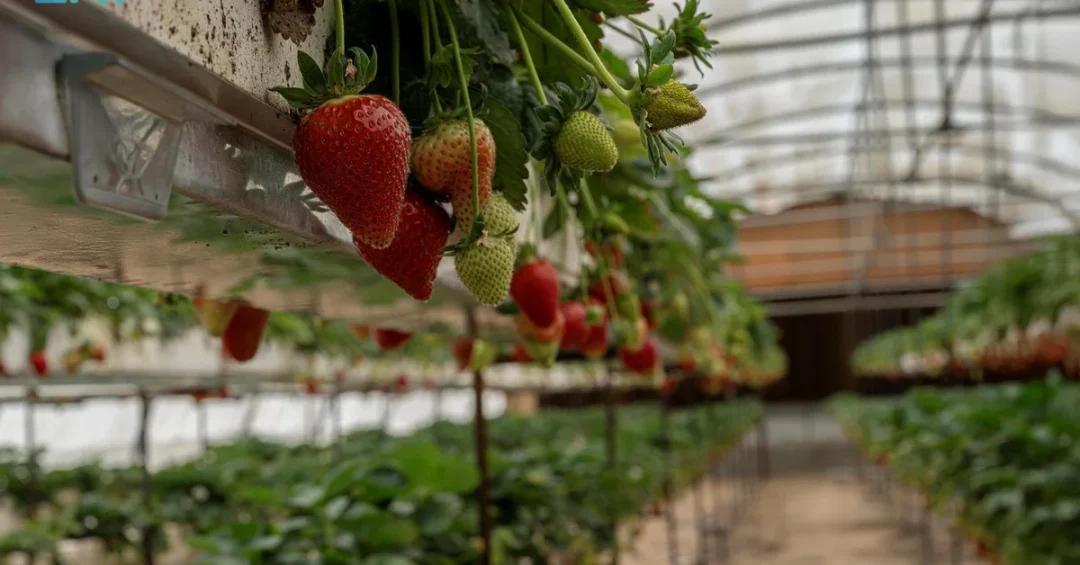
Strawberry cultivation is flourishing in Najran, with local farmers leveraging greenhouses and suspended farming techniques to achieve daily production of nearly 500 packages, according to the Cooperative Agricultural Association West of Najran. The region’s mild climate and fertile soil have made it one of the Kingdom’s most promising areas for diversifying agricultural activities, reinforcing Saudi Arabia’s drive toward sustainable food production and economic diversification under Vision 2030.
Have you ever considered how a region once known primarily for its date palms and traditional crops is now emerging as a hub for premium strawberry production? Najran’s success story is not just about fruit—it is a testament to how targeted investment, modern technology, and local expertise can transform agriculture. The association’s Executive Director, Fahd Al-Jareeb, highlighted that the region’s strawberries are prized for their large size and distinctive flavor, making them a preferred choice among consumers both locally and beyond. This development aligns with national efforts to enhance food security, support rural economies, and showcase the Kingdom’s agricultural potential on the global stage.
Context and Background
Why has Najran become such a fertile ground for strawberry cultivation? Located in southwestern Saudi Arabia, Najran has long been recognized for its agricultural heritage, benefiting from a moderate climate and rich soil that support a variety of crops. In recent years, the region has diversified beyond traditional dates and citrus to include high-value produce like strawberries. The Cooperative Agricultural Association West of Najran has played a pivotal role in this shift, providing training, resources, and market access to local farmers. By adopting greenhouse and suspended farming techniques, growers can control temperature, humidity, and pests, resulting in consistent, high-quality yields that meet stringent market standards.
This approach not only extends the growing season but also enables year-round production, a significant achievement in a region where summer temperatures can be extreme. The association’s efforts are part of a broader national strategy to modernize agriculture, reduce reliance on imports, and create jobs in rural areas. Saudi Arabia’s Vision 2030 emphasizes sustainable development and food security, and Najran’s strawberry success exemplifies how local initiatives can contribute to these national goals. With daily production reaching nearly 500 packages during the last season, the region is proving that innovation can overcome environmental challenges and unlock new economic opportunities.
What does this mean for the future of Saudi agriculture? It signals a shift toward technology-driven farming that maximizes resource efficiency and minimizes environmental impact. The use of suspended farming, for instance, reduces water consumption and land degradation, aligning with the Kingdom’s environmental sustainability targets. As more farmers adopt these methods, Najran could become a model for other regions seeking to diversify their agricultural output and enhance resilience against climate change.
Key Details
How exactly are Najran’s farmers achieving such impressive results? According to Fahd Al-Jareeb, the combination of greenhouses and suspended farming techniques allows for precise control over growing conditions. Greenhouses protect plants from harsh weather and pests, while suspended farming—where plants are grown in containers above the ground—optimizes space and reduces soil-borne diseases. This method also facilitates efficient water use, as irrigation systems deliver nutrients directly to the roots. The result is strawberries that are not only larger and more flavorful but also available throughout the year, meeting consumer demand beyond traditional harvest seasons.
During the last season, daily production reached nearly 500 packages, a clear indication of the scale and efficiency of these operations. The strawberries are marketed locally and increasingly sought after in other regions of the Kingdom. Al-Jareeb noted that the fruit’s distinctive taste and size give it a competitive edge, allowing farmers to command premium prices. The association supports farmers with technical guidance, quality control, and connections to buyers, ensuring that the produce reaches consumers fresh and in optimal condition.
Could this model be replicated in other parts of Saudi Arabia? Absolutely. The techniques used in Najran are adaptable to other regions with similar climates, and the association is already sharing best practices. This knowledge transfer is crucial for scaling up production nationwide and reinforcing the Kingdom’s food security. Moreover, the success of strawberry cultivation demonstrates the potential for other high-value crops, such as berries and exotic fruits, to thrive in Saudi soil, further diversifying the agricultural sector.
International and Regional Impact
What are the broader implications of Najran’s strawberry boom for Saudi Arabia’s regional standing? The Kingdom’s ability to produce high-quality strawberries year-round enhances its position as a reliable supplier in the Middle East and beyond. Neighboring Gulf countries, which rely heavily on imports for many fresh produce items, could become key markets for Najran’s strawberries. This export potential not only boosts Saudi Arabia’s trade balance but also strengthens regional food security by reducing dependence on distant suppliers. Additionally, the success story attracts attention from international investors and agricultural technology firms interested in partnering with Saudi growers.
How does this align with Saudi Arabia’s global agricultural ambitions? The Kingdom has been actively promoting sustainable farming and agri-tech innovation through initiatives like the Saudi Green Initiative and the National Agriculture Strategy. Najran’s strawberry cultivation serves as a showcase for these efforts, demonstrating that Saudi Arabia can compete in high-value agricultural markets. It also supports the broader goal of economic diversification by creating new revenue streams outside the oil sector. As global demand for fresh, locally grown produce rises, Saudi Arabia is positioning itself as a leader in smart agriculture, and Najran is at the forefront of this transformation.
Economic and Strategic Significance
Why is strawberry cultivation economically significant for Najran and the Kingdom? The production of nearly 500 packages daily generates income for local farmers and creates employment opportunities in farming, packaging, and distribution. This economic activity stimulates rural development, helping to stem migration to urban centers and supporting the government’s goal of balanced regional growth. The high value of strawberries compared to traditional crops means higher returns per hectare, encouraging farmers to invest in modern techniques and expand their operations. Furthermore, the association’s focus on quality and branding helps secure better prices and fosters customer loyalty.
What strategic benefits does this bring to Saudi Arabia’s food security agenda? By reducing the need for imported strawberries, the Kingdom saves foreign currency and enhances its resilience against global supply chain disruptions. The use of water-efficient farming methods also aligns with national water conservation goals, as agriculture accounts for a significant portion of water use. Najran’s success demonstrates that with the right technology and support, Saudi Arabia can produce a diverse range of crops sustainably, contributing to a more secure and self-reliant food system. This is particularly important as the Kingdom seeks to balance agricultural growth with environmental stewardship.
Vision 2030 Alignment
How does Najran’s strawberry cultivation embody the principles of Vision 2030? Vision 2030 aims to diversify the economy, develop human capital, and improve quality of life. The strawberry industry in Najran touches on all these pillars: it diversifies agricultural output, creates skilled jobs, and provides consumers with fresh, high-quality local produce. The Cooperative Agricultural Association West of Najran’s work in training farmers and adopting advanced technologies reflects the Vision’s emphasis on innovation and knowledge transfer. By turning a challenging environment into a productive asset, Najran exemplifies the resilience and ingenuity that Vision 2030 seeks to foster across all sectors.
What does the future hold for this sector? Continued investment in research and development, along with partnerships between the public and private sectors, could further expand production and open new export markets. The association’s plans to increase yields and introduce new varieties will keep Najran at the cutting edge of Saudi agriculture. As the Kingdom marches toward its 2030 goals, success stories like this one inspire confidence that sustainable, inclusive growth is achievable. The sweet taste of Najran’s strawberries is a harbinger of a broader agricultural renaissance that will benefit the entire nation.
20 Questions
Q1. What makes Najran ideal for strawberry cultivation?
A1. Najran’s mild climate and fertile soil provide ideal conditions for growing high-quality strawberries. The region’s moderate temperatures and rich earth support healthy plant growth, allowing farmers to produce large, flavorful fruit that meets market demand.
Q2. How many packages of strawberries are produced daily in Najran?
A2. During the last season, daily production reached nearly 500 packages, according to the Cooperative Agricultural Association West of Najran. This output demonstrates the efficiency and scale of local farming operations.
Q3. What techniques are used to grow strawberries in Najran?
A3. Farmers use greenhouses and suspended farming methods. These techniques control temperature, humidity, and pests, while optimizing space and water use, resulting in consistent, high-quality yields year-round.
Q4. Who is Fahd Al-Jareeb and what is his role?
A4. Fahd Al-Jareeb is the Executive Director of the Cooperative Agricultural Association West of Najran. He provides leadership and technical support to local farmers, helping them adopt modern agricultural practices.
Q5. How does strawberry cultivation contribute to food security in Saudi Arabia?
A5. By producing strawberries locally, Najran reduces the Kingdom’s reliance on imports, enhancing food security. The use of water-efficient methods also supports sustainable resource management, aligning with national goals.
Q6. What are the distinctive qualities of Najran’s strawberries?
A6. Najran’s strawberries are known for their large size and distinctive flavor, making them a preferred choice among consumers. These qualities allow farmers to command premium prices in local and regional markets.
Q7. How does the Cooperative Agricultural Association support farmers?
A7. The association provides training, resources, and market access to local farmers. It also offers technical guidance and quality control, ensuring that produce meets high standards and reaches consumers efficiently.
Q8. Can strawberry cultivation be expanded to other regions in Saudi Arabia?
A8. Yes, the techniques used in Najran are adaptable to other regions with similar climates. The association is sharing best practices to help scale up production nationwide, supporting agricultural diversification.
Q9. What economic benefits does strawberry farming bring to Najran?
A9. Strawberry farming generates income for local farmers and creates jobs in farming, packaging, and distribution. It stimulates rural development and encourages investment in modern agricultural technologies.
Q10. How does strawberry cultivation align with Vision 2030?
A10. It supports economic diversification, job creation, and food security—key pillars of Vision 2030. The adoption of advanced technologies also reflects the Vision’s emphasis on innovation and sustainability.
Q11. What is suspended farming and why is it used?
A11. Suspended farming involves growing plants in containers above the ground. It reduces soil-borne diseases, optimizes space, and facilitates efficient water and nutrient delivery, leading to healthier crops and higher yields.
Q12. How does greenhouse farming benefit strawberry production?
A12. Greenhouses protect plants from harsh weather and pests, allowing farmers to control the growing environment. This results in consistent, high-quality fruit and extends the growing season, enabling year-round production.
Q13. What is the significance of year-round strawberry production?
A13. Year-round production ensures a steady supply of fresh strawberries, meeting consumer demand beyond traditional harvest seasons. It also provides farmers with continuous income and strengthens market presence.
Q14. How does Najran’s strawberry success impact regional trade?
A14. It positions Saudi Arabia as a reliable supplier of high-quality strawberries to neighboring Gulf countries and beyond. This enhances regional food security and boosts the Kingdom’s trade balance.
Q15. What role does technology play in Najran’s agriculture?
A15. Technology is central to modern farming in Najran. Greenhouses, suspended farming, and efficient irrigation systems are used to maximize yields, conserve water, and ensure product quality.
Q16. How does strawberry cultivation support rural development?
A16. It creates employment opportunities and generates income, helping to stem migration to urban areas. This supports balanced regional growth and improves the quality of life in rural communities.
Q17. What challenges do farmers face in strawberry cultivation?
A17. Challenges include extreme summer temperatures and water scarcity. However, the use of greenhouses and water-efficient techniques helps mitigate these issues, ensuring successful cultivation.
Q18. How does the association ensure quality control?
A18. The association provides technical guidance and monitors production to ensure strawberries meet high standards. It also facilitates market linkages, helping farmers sell their produce at premium prices.
Q19. What future plans exist for expanding strawberry production?
A19. The association plans to increase yields, introduce new varieties, and explore export markets. Continued research and investment will further enhance Najran’s position as a leading agricultural region.
Q20. How can consumers support local strawberry farmers?
A20. Consumers can support local farmers by purchasing Najran-grown strawberries, which are known for their superior taste and quality. This helps sustain rural livelihoods and promotes sustainable agriculture.
Reader Feedback
We value your thoughts. Please share your feedback on this article.
Your feedback helps us improve our coverage.
Related articles
 ITFC Joins Uzbekistan Trade Finance Conference 2025
 Saudi Arabia Extends Deadline for Mining Exploration Program
 AviLease Places Order for up to 77 Airbus A320neo Family and A350F Aircraft
 Riyadh Air Announces Purchase of 50 A350-1000 Airplanes at Paris Air Show
 Mawani Launches New IM2 Shipping Service at Jeddah Islamic Port
 Saudi Chambers Federation Chairman Meets with Ethiopian and Senegalese Ambassadors