


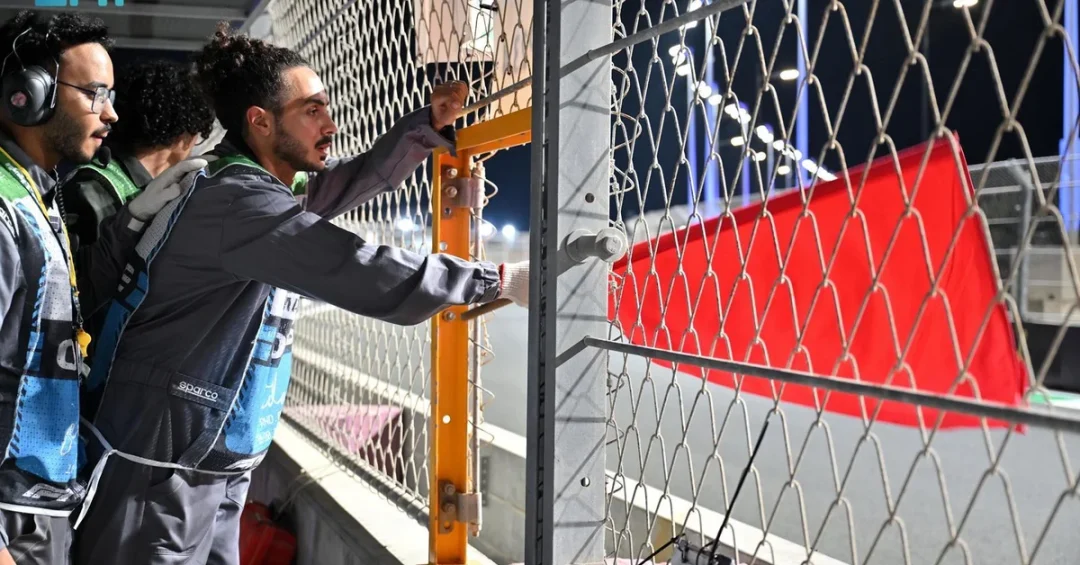
Young men and women from across Saudi Arabia are playing a vital role in the success of the Formula 1 stc Saudi Arabian Grand Prix, serving as volunteers and seasonal employees at the Kingdom’s largest international sporting event. According to the Saudi Press Agency (SPA), these individuals are showcasing their passion, responsibility, and national pride as they represent their country on a global stage that captures the world’s attention.
At the Jeddah Corniche Circuit, the roar of engines and the dazzling lights of international racing are matched by the energy and dedication of Saudi youth. They navigate confidently among visitors, platforms, and zones, ensuring that the event runs smoothly and that guests from around the world experience the best of Saudi hospitality. Their involvement reflects a deep sense of community awareness and a proactive spirit that is increasingly characteristic of the Kingdom’s young population. As Saudi Arabia continues to host major global events, the contributions of these volunteers and seasonal employees are not only essential to operational success but also serve as a powerful testament to the nation’s progress under Vision 2030.
Context and Background
How did Saudi Arabia become a hub for international sporting events? The Formula 1 stc Saudi Arabian Grand Prix, first held in 2021, has quickly become a cornerstone of the Kingdom’s strategy to diversify its economy and enhance its global presence. The event is part of a broader push to attract world-class entertainment and sports, aligning with the goals of Saudi Vision 2030 to transform the nation into a premier destination for tourism and investment. The Jeddah Corniche Circuit, a street track that winds along the Red Sea, provides a stunning backdrop for the race and has become a favorite among drivers and fans alike.
Central to the event’s success is the involvement of Saudi youth. The SPA report highlights that young men and women enthusiastically take on various volunteer roles and seasonal jobs, from organizing and guiding to providing logistical support, coordinating media, and serving guests. This participation is not merely a temporary experience; it is a genuine opportunity for personal and professional development. Many volunteers report that the experience has boosted their self-confidence and prepared them to thrive in diverse multinational work settings. Such engagement aligns with Vision 2030’s aim to harness the potential of young people and create opportunities for them to play an active role in national achievements.
Moreover, the Saudi Arabian Grand Prix is more than just a race; it is a platform for showcasing the Kingdom’s modernization and its ability to host mega-events. The event draws hundreds of thousands of spectators and millions of television viewers worldwide, offering a unique chance to display Saudi Arabia’s hospitality and organizational capabilities. The youth involved in the event are at the forefront of this effort, embodying the spirit of a nation on the move. Their roles are diverse and demanding, requiring quick thinking, teamwork, and a commitment to excellence. As they interact with international visitors, they also serve as cultural ambassadors, helping to break down stereotypes and build bridges between Saudi Arabia and the rest of the world.
Key Details
What specific roles do Saudi youth play at the Grand Prix? According to SPA, volunteers and seasonal employees are involved in a wide range of activities. They organize and guide visitors, provide logistical support, coordinate media operations, and serve guests. These roles are critical to the smooth functioning of the event, which attracts a global audience and requires meticulous planning and execution. For many young Saudis, this is their first exposure to a high-pressure, international work environment, and it provides invaluable hands-on experience.
The SPA report notes that a group of volunteers and seasonal employees shared that their participation was more than just a temporary experience; it was a genuine opportunity for personal and professional development. It boosted their self-confidence and prepared them to thrive in diverse multinational work settings. This feedback underscores the transformative impact of such involvement. The skills they acquire—communication, problem-solving, adaptability, and teamwork—are transferable to any career path they choose. Moreover, the experience instills a sense of pride and belonging, as they contribute directly to a national event that showcases the Kingdom’s capabilities.
The event also serves as a training ground for future leaders. Many of the volunteers are university students or recent graduates who are eager to gain practical experience. The Saudi Arabian Grand Prix provides a unique platform for them to apply their knowledge in a real-world setting, often for the first time. They learn to handle stress, manage time effectively, and work as part of a cohesive team. These soft skills are increasingly valued by employers in Saudi Arabia and abroad, making the volunteer experience a valuable addition to any resume. Furthermore, the networking opportunities are immense, as volunteers interact with professionals from various industries, including motorsport, media, hospitality, and event management.
International and Regional Impact
How does the involvement of Saudi youth at the Grand Prix impact the Kingdom’s international image? The presence of enthusiastic, well-trained young Saudis at a global event like Formula 1 sends a powerful message. It demonstrates that Saudi Arabia is a modern, forward-looking nation with a talented and engaged youth population. International visitors and media representatives witness firsthand the professionalism and warmth of Saudi hospitality, which helps to counteract negative stereotypes and foster a more nuanced understanding of the country. This soft power effect is invaluable for Saudi Arabia’s diplomatic and economic goals.
Regionally, the event reinforces Saudi Arabia’s position as a leader in the Middle East. By successfully hosting such a prestigious event, the Kingdom showcases its ability to compete with established global destinations. It also inspires neighboring countries to invest in their own youth and sports sectors. The collaboration between Saudi youth and international experts at the Grand Prix facilitates knowledge transfer and capacity building, which can have spillover effects across the region. As more countries in the Middle East embrace Vision 2030-like reforms, Saudi Arabia’s experience serves as a model for others to follow.
Economic and Strategic Significance
What economic benefits does the Grand Prix bring to Saudi Arabia? The event generates significant revenue through tourism, hospitality, and sponsorship. It attracts thousands of international visitors who spend on hotels, dining, and entertainment, thereby supporting local businesses and creating jobs. The Grand Prix also provides a platform for Saudi companies to showcase their products and services to a global audience. The stc title sponsorship, for example, highlights the Kingdom’s telecommunications giant and its role in driving digital transformation.
Strategically, the event is a key component of Saudi Arabia’s economic diversification efforts. By investing in sports and entertainment, the Kingdom is reducing its dependence on oil and creating new sectors that can drive sustainable growth. The Grand Prix also enhances Saudi Arabia’s brand equity, making it a more attractive destination for foreign investment and tourism. The youth volunteers and seasonal employees are integral to this strategy, as they represent the human capital that will power the Kingdom’s future. Their involvement ensures that the event is not just a spectacle but a catalyst for long-term development.
Vision 2030 Alignment
How does the youth engagement at the Grand Prix align with Vision 2030? The SPA report explicitly states that this youth engagement aligns with the goals of the Kingdom Vision 2030, which aims to harness the potential of young people and create opportunities for them to play an active role in national achievements, leaving a lasting imprint on both the present and future. Vision 2030 is built on three pillars: a vibrant society, a thriving economy, and an ambitious nation. The volunteers and seasonal employees embody all three. They contribute to a vibrant society by fostering community spirit and national pride; they support a thriving economy by developing skills and enhancing the event’s success; and they demonstrate an ambitious nation by taking initiative and representing their country with distinction.
As Saudi Arabia continues to host major international events, the role of youth will only grow. The Grand Prix is a shining example of how the Kingdom is investing in its most valuable resource: its people. By providing platforms for young Saudis to excel, the nation is not only achieving its Vision 2030 targets but also building a legacy of excellence that will inspire generations to come. The world is watching, and Saudi youth are ready to lead.
20 Questions
Q1. What is the main event discussed in the article?
A1. The article focuses on the Formula 1 stc Saudi Arabian Grand Prix, where Saudi youth volunteers and seasonal employees contribute significantly to the event’s success.
Q2. Where is the Grand Prix held?
A2. The event takes place at the Jeddah Corniche Circuit in Jeddah, Saudi Arabia, along the Red Sea coast.
Q3. When was the first Saudi Arabian Grand Prix held?
A3. The first Formula 1 Saudi Arabian Grand Prix was held in 2021 and has become an annual fixture on the F1 calendar.
Q4. What roles do Saudi youth play at the Grand Prix?
A4. They serve as volunteers and seasonal employees in roles such as organizing, guiding, providing logistical support, coordinating media, and serving guests.
Q5. How does their participation benefit the youth personally?
A5. It offers personal and professional development, boosts self-confidence, and prepares them for diverse multinational work settings.
Q6. What is the significance of their involvement for Saudi Arabia?
A6. It showcases the Kingdom’s modern image, enhances national pride, and supports the goals of Saudi Vision 2030.
Q7. How does the event align with Vision 2030?
A7. Vision 2030 aims to empower youth and create opportunities for them to contribute to national achievements, which is directly reflected in their roles at the Grand Prix.
Q8. What skills do volunteers gain from the experience?
A8. They develop communication, problem-solving, adaptability, teamwork, and time management skills, among others.
Q9. How does the Grand Prix impact Saudi Arabia’s international image?
A9. It presents Saudi Arabia as a modern, forward-looking nation with talented youth, helping to counteract stereotypes and foster positive perceptions.
Q10. What economic benefits does the Grand Prix bring?
A10. It generates revenue through tourism, hospitality, and sponsorship, supports local businesses, and creates jobs.
Q11. Who is the title sponsor of the Saudi Arabian Grand Prix?
A11. stc, the Saudi telecommunications company, is the title sponsor, highlighting its role in digital transformation.
Q12. How many spectators attend the Grand Prix?
A12. The event attracts hundreds of thousands of spectators and millions of television viewers worldwide.
Q13. What is the Jeddah Corniche Circuit known for?
A13. It is a street track along the Red Sea, known for its stunning backdrop and challenging layout, popular among drivers and fans.
Q14. How does the event promote Saudi culture?
A14. Volunteers serve as cultural ambassadors, interacting with international visitors and showcasing Saudi hospitality and traditions.
Q15. What is the long-term impact of youth involvement in such events?
A15. It builds a skilled workforce, fosters leadership, and contributes to sustainable economic diversification as outlined in Vision 2030.
Q16. Are there any other major sporting events in Saudi Arabia?
A16. Yes, Saudi Arabia hosts numerous international events, including Formula E, Dakar Rally, and various football tournaments, as part of its sports strategy.
Q17. How does the Grand Prix support Saudi tourism?
A17. It attracts international visitors, boosts hotel occupancy, and promotes Saudi Arabia as a tourist destination, aligning with Vision 2030 tourism goals.
Q18. What feedback have volunteers given about their experience?
A18. Volunteers report that it was a genuine opportunity for growth, boosting their confidence and preparing them for multinational work environments.
Q19. How does the event demonstrate Saudi Arabia’s organizational capabilities?
A19. The smooth execution of the Grand Prix, supported by youth volunteers, showcases the Kingdom’s ability to host world-class events.
Q20. What is the future outlook for youth engagement in Saudi events?
A20. As Saudi Arabia hosts more global events, youth engagement will expand, providing ongoing opportunities for personal development and national contribution.
Reader Feedback
We value your thoughts. Please share your feedback on this article.
Your feedback helps us improve our coverage.
Related articles
 Fourth Saudi Arabia Cycling Championship Concludes in Al-Baha
 Blistering Speeds Set the Stage in F1 stc Saudi Arabian GP
 F1 Engines Roar Along Jeddah’s ROSHN Waterfront
 Qiddiya Showcases Motorsport Vision at F1 Grand Prix in Jeddah
 AFC President Praises Saudi Arabia’s AFC U17 Asian Cup Hosting
 Supporting Races for F1 stc Saudi Arabian Grand Prix Conclude