


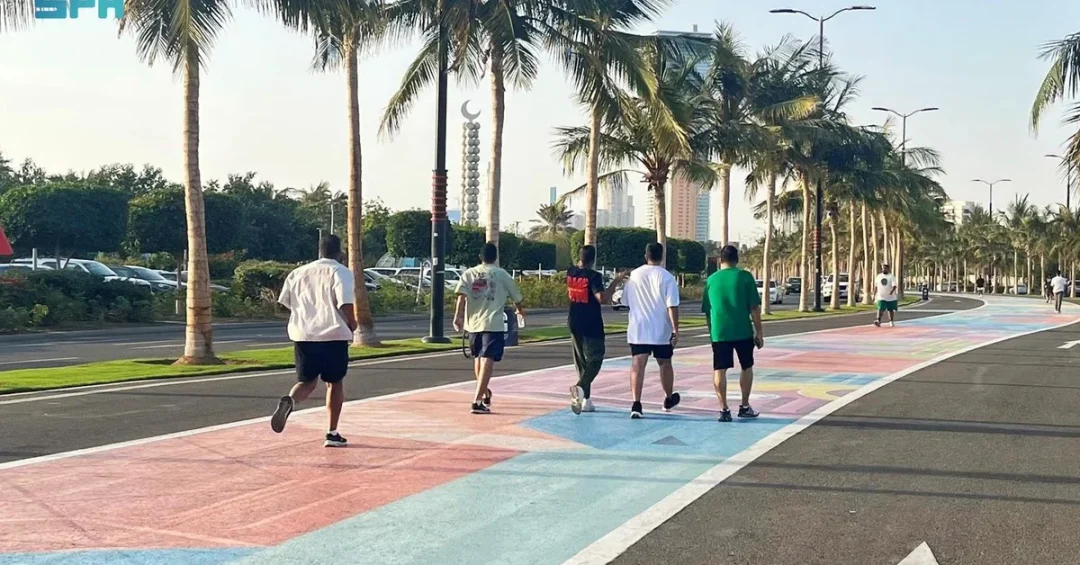
The ROSHN Waterfront in Jeddah transformed into a vibrant epicenter of motorsport and community life as the Formula 1 stc Saudi Arabian Grand Prix brought the roar of racing engines to the Red Sea coast, according to the Saudi Press Agency (SPA). Residents and visitors gathered along the 730,000-square-meter promenade to witness the high-speed spectacle while enjoying leisurely walks, cycling, and stunning sunset views over the water. The event, held in April 2025, underscored Saudi Arabia’s growing stature as a global host of premier sporting events and highlighted the Kingdom’s commitment to enhancing quality of life through world-class infrastructure.
The Formula 1 stc Saudi Arabian Grand Prix, now a fixture on the international racing calendar, drew thousands to Jeddah’s ROSHN Waterfront (RWF), a flagship development by ROSHN, the national real estate developer backed by the Public Investment Fund (PIF). As the engines roared, the waterfront’s diverse amenities—including children’s play areas, a continuous seaside promenade, dedicated cycling tracks, equipped sports zones, a track for the visually impaired, and 275,000 square meters of green space—provided a perfect backdrop for families and enthusiasts alike. This fusion of adrenaline and leisure exemplifies how Saudi Arabia is redefining urban spaces to cater to all ages and abilities, aligning seamlessly with the goals of Vision 2030.
Context and Background
Why has Jeddah become the beating heart of Saudi Arabia’s motorsport ambitions? The city’s ROSHN Waterfront, a sprawling 730,000-square-meter development along a 4,500-kilometer stretch of coastline, was inaugurated as part of a broader effort to revitalize Jeddah’s corniche and create inclusive public spaces. Since its launch, RWF has quickly become a magnet for residents and tourists, offering a mix of recreational, sports, and relaxation facilities that reflect the Kingdom’s push toward modern, sustainable urban living. The Formula 1 stc Saudi Arabian Grand Prix, first held in 2021, has been a catalyst for this transformation, bringing global attention to Jeddah and its capabilities.
The 2025 edition of the Grand Prix, held in April, once again showcased the city’s ability to host major international events seamlessly. According to SPA, the waterfront buzzed with activity as the sound of Formula 1 engines echoed along the coast, complementing the everyday enjoyment of the space. This synergy between elite motorsport and public recreation is no accident; it is a deliberate strategy by Saudi leadership to position the Kingdom as a hub for sports, tourism, and entertainment. The event also served as a testament to the rapid progress of Vision 2030, which seeks to diversify the economy and elevate Saudi Arabia’s global profile.
Jeddah’s transformation into a motorsport destination is part of a larger narrative. The Jeddah Corniche Circuit, a street track that winds along the Red Sea, has been praised for its challenging layout and spectacular views. The race not only attracts international teams and drivers but also inspires local youth to engage with STEM fields and automotive careers. Moreover, the integration of the race with the ROSHN Waterfront’s amenities ensures that the benefits extend beyond the track, fostering community spirit and promoting active lifestyles. As Saudi Arabia continues to invest in such mega-events, the ripple effects on local businesses, tourism, and national pride are increasingly evident.
Key Details
What exactly made the 2025 Formula 1 stc Saudi Arabian Grand Prix at ROSHN Waterfront so special? The event, reported by SPA on April 20, 2025, highlighted the waterfront’s capacity to host large crowds while maintaining a family-friendly atmosphere. The 730,000-square-meter space, with its 4,500-kilometer stretch (a figure that likely refers to the broader coastal development), offered a range of activities: children’s play areas kept the youngest attendees entertained, while dedicated cycling tracks and sports zones catered to fitness enthusiasts. A track for the visually impaired demonstrated the Kingdom’s commitment to accessibility, and the 275,000 square meters of green space provided a refreshing contrast to the urban buzz.
The racing itself was a spectacle, with Formula 1 cars reaching speeds of over 300 km/h on the Jeddah Corniche Circuit, their engines roaring in a way that could be heard along the waterfront. Spectators lined the promenade, enjoying sunset views as the race unfolded. The event was not just about speed; it was a celebration of community, with residents and visitors mingling, walking, and cycling. The SPA report emphasized the vibrant hub that RWF became, underscoring how the Grand Prix serves as a unifying force, bringing together people from all walks of life.
Key stakeholders, including ROSHN and the Saudi Motorsport Company, worked tirelessly to ensure the event’s success. The stc Group, a leading digital and telecommunications provider, served as the title sponsor, reflecting the growing role of Saudi corporations in supporting global events. The race also featured ancillary activities such as fan zones, food stalls, and cultural performances, further enriching the experience. Importantly, the event adhered to international safety and environmental standards, with organizers implementing measures to minimize disruption to the local community and protect the marine environment.
International and Regional Impact
How does hosting the Formula 1 stc Saudi Arabian Grand Prix elevate Saudi Arabia’s standing on the world stage? The race attracts a global television audience of millions, showcasing Jeddah’s stunning coastline and modern infrastructure to viewers worldwide. This exposure is invaluable for tourism, as it entices travelers to explore the Kingdom’s cultural heritage, pristine beaches, and vibrant cities. Regional neighbors also take note, as Saudi Arabia cements its position as a leader in sports and entertainment, fostering friendly competition and collaboration in the Gulf.
From a diplomatic perspective, the Grand Prix serves as a platform for soft power. By welcoming international teams, journalists, and fans, Saudi Arabia demonstrates its openness and hospitality, challenging outdated perceptions. The event also strengthens ties with countries represented by the racing teams, opening doors for economic and cultural exchange. Moreover, the presence of global media amplifies Saudi Arabia’s message of progress and stability, reinforcing its role as a reliable partner in the region.
The impact extends beyond the race weekend. The influx of visitors boosts local businesses, from hotels to restaurants, and creates temporary jobs. In the long term, the success of such events encourages further investment in infrastructure and tourism, aligning with Vision 2030’s goal of increasing the sector’s contribution to GDP. Regionally, Saudi Arabia’s ability to host world-class events sets a benchmark for others, promoting a spirit of excellence and innovation across the Middle East.
Economic and Strategic Significance
What economic dividends does the Formula 1 stc Saudi Arabian Grand Prix bring to Jeddah and the Kingdom? The race generates significant revenue through ticket sales, sponsorships, and tourism spending. According to official sources, events like this contribute to the diversification of the economy away from oil, a core Vision 2030 objective. The ROSHN Waterfront itself is a strategic asset, designed to attract residents and businesses, thereby stimulating real estate and retail sectors. The Grand Prix acts as a showcase for these developments, drawing potential investors and homebuyers.
Strategically, the event reinforces Saudi Arabia’s commitment to becoming a global hub for sports and entertainment. It complements other mega-projects like NEOM and the Red Sea Project, creating a cohesive narrative of modernization. The race also promotes automotive innovation and technology, with Saudi Arabia investing in electric vehicles and smart mobility. By hosting Formula 1, the Kingdom signals its readiness to embrace cutting-edge industries and compete on a global scale.
Furthermore, the Grand Prix enhances the quality of life for residents by providing world-class entertainment and fostering community pride. The ROSHN Waterfront’s amenities, accessible to all, ensure that the benefits of such events are shared widely. This inclusive approach is central to Vision 2030, which aims to build a vibrant society where citizens and residents can thrive. As Saudi Arabia continues to host international events, the economic and social returns are expected to multiply, creating a lasting legacy.
Vision 2030 Alignment
How does the Formula 1 stc Saudi Arabian Grand Prix and the ROSHN Waterfront embody the aspirations of Vision 2030? Vision 2030, launched by Crown Prince Mohammed bin Salman, seeks to transform Saudi Arabia into a diversified, innovative, and globally engaged nation. The Grand Prix directly supports this by boosting tourism, creating jobs, and enhancing the Kingdom’s international image. The ROSHN Waterfront, with its green spaces and inclusive facilities, reflects the vision’s focus on improving quality of life and promoting sustainable urban development.
Additionally, the event underscores the role of Saudi youth and women, who are actively involved in organizing and participating in the race. This empowerment is a cornerstone of Vision 2030, which aims to unlock the potential of all citizens. By hosting such events, Saudi Arabia demonstrates its progress and inspires future generations to dream big. The roar of Formula 1 engines along Jeddah’s waterfront is not just a sound of speed; it is a clarion call for a brighter, more prosperous future, where Saudi Arabia stands proudly at the forefront of global innovation and hospitality.
20 Questions
Q1. What event took place at Jeddah’s ROSHN Waterfront in April 2025?
A1. The Formula 1 stc Saudi Arabian Grand Prix took place, with the roar of racing engines echoing along the waterfront as residents and visitors enjoyed the spectacle, according to the Saudi Press Agency.
Q2. How large is the ROSHN Waterfront?
A2. The ROSHN Waterfront spans 730,000 square meters along a 4,500-kilometer stretch, offering diverse amenities such as children’s play areas, cycling tracks, and 275,000 square meters of green space.
Q3. What amenities are available at the ROSHN Waterfront?
A3. Amenities include children’s play areas, a continuous seaside promenade, dedicated cycling tracks, equipped sports zones, a track for the visually impaired, and extensive green spaces for relaxation and recreation.
Q4. Who reported on the event at the ROSHN Waterfront?
A4. The Saudi Press Agency (SPA) reported on the event, highlighting how the waterfront became a vibrant hub during the Formula 1 stc Saudi Arabian Grand Prix.
Q5. When did the Formula 1 stc Saudi Arabian Grand Prix take place?
A5. The race took place in April 2025, with the SPA report dated April 20, 2025, detailing the activities and atmosphere at the ROSHN Waterfront.
Q6. What is the significance of the ROSHN Waterfront for Jeddah?
A6. The ROSHN Waterfront is a flagship development by ROSHN, backed by the Public Investment Fund, designed to enhance quality of life and provide inclusive public spaces for residents and visitors.
Q7. How does the Formula 1 event align with Vision 2030?
A7. The event supports Vision 2030 by boosting tourism, creating jobs, enhancing Saudi Arabia’s global image, and promoting community engagement and active lifestyles among citizens and residents.
Q8. What role did stc Group play in the event?
A8. stc Group served as the title sponsor of the Formula 1 stc Saudi Arabian Grand Prix, reflecting the growing involvement of Saudi corporations in supporting major international events.
Q9. What activities were available for visitors during the Grand Prix?
A9. Visitors enjoyed leisurely walks, cycling, sunset views, and the thrilling sound of Formula 1 engines, along with access to sports zones and children’s play areas at the waterfront.
Q10. How does the ROSHN Waterfront cater to people with disabilities?
A10. The waterfront includes a dedicated track for the visually impaired, demonstrating Saudi Arabia’s commitment to accessibility and inclusive design in public spaces.
Q11. What is the economic impact of hosting the Formula 1 race in Jeddah?
A11. The race generates revenue through tourism, sponsorships, and ticket sales, contributing to economic diversification and supporting local businesses, in line with Vision 2030 goals.
Q12. How does the event promote Saudi Arabia internationally?
A12. The global broadcast of the race showcases Jeddah’s modern infrastructure and hospitality, attracting tourists and investors while enhancing Saudi Arabia’s reputation as a premier destination for sports and entertainment.
Q13. What is the Jeddah Corniche Circuit?
A13. The Jeddah Corniche Circuit is a street track along the Red Sea where the Formula 1 race is held, known for its challenging layout and spectacular views, adding to the excitement of the event.
Q14. How many green spaces are there at the ROSHN Waterfront?
A14. The ROSHN Waterfront features 275,000 square meters of green space, providing a refreshing environment for relaxation and outdoor activities amidst the urban setting.
Q15. What does the ROSHN Waterfront offer for children?
A15. The waterfront includes dedicated children’s play areas, ensuring that families can enjoy the space together while watching the race or participating in other recreational activities.
Q16. How does the Formula 1 event reflect Saudi Arabia’s modernization?
A16. The event demonstrates Saudi Arabia’s ability to host world-class events, showcasing its advanced infrastructure, organizational capabilities, and commitment to Vision 2030’s goals of progress and openness.
Q17. What is the role of ROSHN in the waterfront development?
A17. ROSHN, a national real estate developer backed by the Public Investment Fund, developed the ROSHN Waterfront as part of its mission to create sustainable, inclusive communities that enhance quality of life.
Q18. How does the event support local communities?
A18. The Grand Prix brings together residents and visitors, fostering community spirit and providing economic opportunities for local businesses, while also promoting active lifestyles through the waterfront’s amenities.
Q19. What makes the ROSHN Waterfront a unique destination?
A19. Its combination of extensive green spaces, diverse recreational facilities, and a prime coastal location makes it a unique destination that caters to all ages and abilities, aligning with Vision 2030.
Q20. What is the long-term vision for the ROSHN Waterfront and similar projects?
A20. The long-term vision is to create vibrant, sustainable communities that attract residents and tourists, support economic diversification, and position Saudi Arabia as a global leader in quality of life and innovation.
Reader Feedback
We value your thoughts. Please share your feedback on this article.
Your feedback helps us improve our coverage.
Related articles
 Qiddiya Showcases Motorsport Vision at F1 Grand Prix in Jeddah
 AFC President Praises Saudi Arabia’s AFC U17 Asian Cup Hosting
 Supporting Races for F1 stc Saudi Arabian Grand Prix Conclude
 Sport Minister Attends F1 stc Saudi Arabian Grand Prix 2025
 Piastri Wins F1 Saudi Arabian Grand Prix, Leads Standings
 WBC Boxing Grand Prix First Stage Concludes in Riyadh