


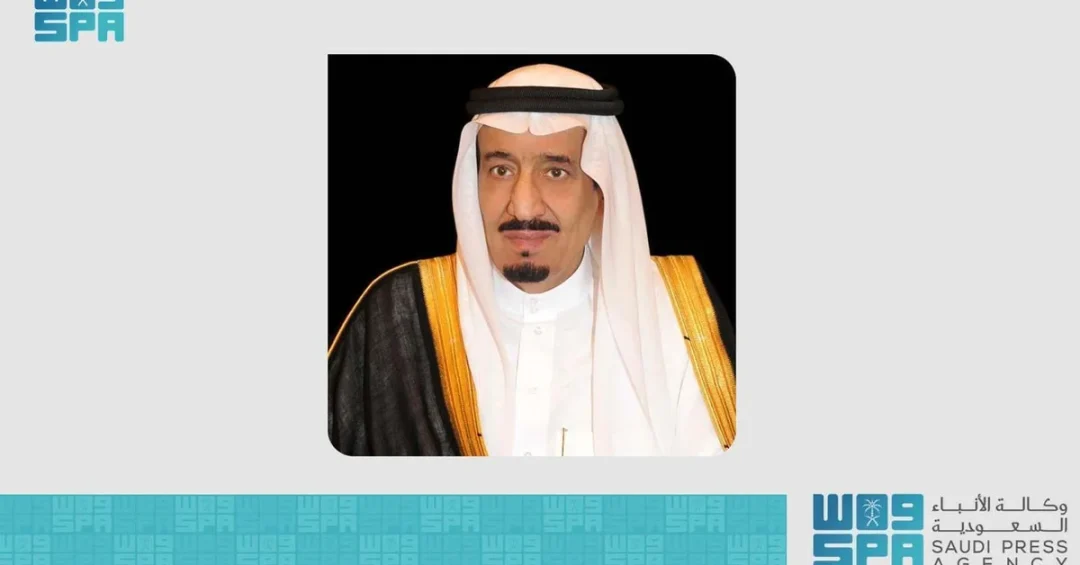
Custodian of the Two Holy Mosques King Salman bin Abdulaziz Al Saud has approved the awarding of Merit Medals of the Third Class to 304 Saudi citizens, both male and female, in recognition of their voluntary blood donation ten times, as announced by the Saudi Press Agency (SPA) on April 19, 2025. The royal approval underscores the Kingdom’s deep appreciation for the altruistic contributions of its citizens and highlights the importance of blood donation in saving lives and supporting the national healthcare system. This initiative reflects the leadership’s commitment to fostering a culture of giving and civic responsibility, aligning with the humanitarian values that are central to Saudi society.
Blood donation is a critical component of any robust healthcare infrastructure, and Saudi Arabia has long prioritized the availability of safe blood products through voluntary, non-remunerated donations. The recognition of these 304 individuals serves as a powerful incentive for others to participate in similar life-saving activities. It also demonstrates the government’s support for the Saudi Blood Bank and other health authorities that coordinate donation drives across the Kingdom. By honoring these citizens, the leadership reinforces the notion that every contribution, no matter how small, plays a vital role in the nation’s well-being and social cohesion.
Context and Background
What motivates a nation to formally honor its blood donors with prestigious state medals? In Saudi Arabia, the answer lies in the Kingdom’s enduring emphasis on humanitarianism and community solidarity. The Merit Medal, a decoration awarded by royal decree, is typically reserved for individuals who have demonstrated exceptional service or made significant contributions to the nation. By extending this honor to blood donors, the Saudi leadership elevates a simple act of kindness to a national symbol of pride. This approach is consistent with the teachings of Islam, which emphasize the preservation of life and the importance of helping those in need.
The Saudi Ministry of Health has been at the forefront of promoting voluntary blood donation through awareness campaigns, mobile blood banks, and partnerships with educational institutions and corporations. These efforts have resulted in a steady increase in the number of regular donors, ensuring a stable supply for hospitals and clinics. The recognition of 304 citizens who have donated ten times each is a testament to the success of these initiatives and the generosity of the Saudi people. It also highlights the role of the Saudi Blood Bank in maintaining a safe and sufficient blood supply for emergencies, surgeries, and chronic conditions.
Historically, Saudi Arabia has placed great importance on public health and social welfare as part of its development agenda. The late King Abdulaziz and his successors have consistently supported initiatives that improve the quality of life for citizens and residents. The current recognition is a continuation of this legacy, reflecting the leadership’s hands-on approach to encouraging positive social behaviors. It also aligns with the broader goals of Saudi Vision 2030, which seeks to build a vibrant society where citizens are active participants in the nation’s progress.
Key Details
What exactly does the Merit Medal of the Third Class entail, and how are recipients selected? According to the Saudi Press Agency, the medal is awarded by royal approval to individuals who have demonstrated a sustained commitment to blood donation. The 304 recipients were identified through the national blood donation database, which tracks donations across the Kingdom. Each recipient has donated blood at least ten times, a milestone that signifies a significant and consistent contribution to the community’s health. The medal is a symbol of national gratitude and is accompanied by a certificate of appreciation.
The selection process is rigorous and transparent, ensuring that only those who meet the criteria are honored. The Ministry of Health, in coordination with the Saudi Blood Bank, verifies donation records and submits the list of eligible candidates to the Royal Court for final approval. This systematic approach guarantees that the recognition is based on genuine and verifiable acts of service. The recipients come from diverse backgrounds and regions, reflecting the nationwide reach of the blood donation program. Their dedication serves as an inspiration to others, demonstrating that regular donation is both valued and achievable.
The awarding of medals to blood donors is not a one-time event; it is part of an ongoing effort to promote voluntary donation. The Saudi government has implemented various incentives, including public recognition, to encourage citizens to donate regularly. These efforts are paying off, as evidenced by the growing number of donors and the increasing availability of blood products. The 304 individuals honored this time represent just a fraction of the many Saudis who donate blood, but their recognition sends a powerful message about the importance of this lifesaving act.
International and Regional Impact
How does Saudi Arabia’s recognition of blood donors resonate beyond its borders? The Kingdom’s proactive approach to public health and social welfare serves as a model for other nations in the region and beyond. By publicly honoring donors, Saudi Arabia sets a positive example of how governments can encourage civic engagement and strengthen healthcare systems. This initiative also contributes to the global effort to ensure a safe and adequate blood supply, which is a challenge in many parts of the world. International health organizations, such as the World Health Organization, have long advocated for voluntary blood donation, and Saudi Arabia’s efforts align with these global recommendations.
Moreover, the recognition of both male and female donors underscores Saudi Arabia’s commitment to gender equality and the important role women play in all aspects of society. This is consistent with Vision 2030’s goal of empowering women and increasing their participation in the workforce and community life. By honoring women alongside men, the Kingdom sends a clear message that every citizen’s contribution is valued equally. This inclusive approach enhances social cohesion and promotes a culture of mutual respect and collaboration, which are essential for the nation’s continued progress.
Economic and Strategic Significance
What are the economic and strategic benefits of promoting blood donation? A stable blood supply is crucial for any healthcare system, as it supports everything from routine surgeries to emergency care. By encouraging regular donation, Saudi Arabia reduces the risk of shortages and ensures that hospitals can provide timely treatment. This, in turn, improves health outcomes and enhances the overall productivity of the population. A healthy workforce is a key driver of economic growth, and investments in public health yield significant returns in terms of reduced healthcare costs and increased human capital.
Strategically, the recognition of blood donors reinforces the social contract between the state and its citizens. It demonstrates that the government values and supports the contributions of individuals who go above and beyond in serving their communities. This fosters a sense of national pride and loyalty, which is essential for the stability and prosperity of the Kingdom. Furthermore, such initiatives contribute to the development of a vibrant civil society, where citizens are actively engaged in addressing social challenges. This aligns with Vision 2030’s objective of building a resilient and diversified economy underpinned by a strong social fabric.
Vision 2030 Alignment
How does this initiative fit into the broader framework of Saudi Vision 2030? Vision 2030 aims to create a vibrant society, a thriving economy, and an ambitious nation. The recognition of blood donors directly supports the goal of a vibrant society by promoting social responsibility and community participation. It also contributes to a thriving economy by ensuring a healthy population that can contribute to economic activities. Moreover, it reflects the ambitious nature of the Saudi people, who are willing to make personal sacrifices for the greater good. The leadership’s support for such initiatives is a clear indication of its commitment to the vision’s objectives.
As Saudi Arabia continues its journey toward a brighter future, the values of generosity, compassion, and civic duty will remain central to its identity. The awarding of Merit Medals to these 304 citizens is not just a ceremonial gesture; it is a reaffirmation of the Kingdom’s dedication to the well-being of all its people. It sends a message that every act of kindness, no matter how small, is appreciated and celebrated. By honoring these donors, the leadership inspires others to follow in their footsteps, creating a ripple effect of goodness that will benefit generations to come. In the years ahead, such initiatives will play a vital role in realizing the vision of a prosperous and united Saudi Arabia.
20 Questions
Q1. What did King Salman approve regarding blood donors?
A1. King Salman approved awarding Merit Medals of the Third Class to 304 Saudi citizens for donating blood ten times.
Q2. How many citizens received the medal?
A2. A total of 304 Saudi citizens, both male and female, received the Merit Medal of the Third Class.
Q3. What is the criterion for receiving this medal?
A3. The criterion is donating blood at least ten times, demonstrating a consistent commitment to saving lives.
Q4. When was this announcement made?
A4. The announcement was made on April 19, 2025, by the Saudi Press Agency.
Q5. What is the significance of the Merit Medal?
A5. The Merit Medal is a prestigious national honor recognizing exceptional service and contributions to the Kingdom.
Q6. Are both men and women honored?
A6. Yes, the medal was awarded to both male and female citizens, reflecting gender inclusivity.
Q7. Why is blood donation important in Saudi Arabia?
A7. It ensures a safe and sufficient blood supply for hospitals, saving lives and supporting public health.
Q8. How does this align with Vision 2030?
A8. It promotes social responsibility and a vibrant society, key goals of Vision 2030.
Q9. Which agency announced the royal approval?
A9. The Saudi Press Agency (SPA) announced the royal approval on April 19, 2025.
Q10. What role does the Ministry of Health play?
A10. The Ministry of Health promotes blood donation and coordinates with the Saudi Blood Bank to ensure supply.
Q11. How are recipients selected?
A11. Recipients are selected based on verified donation records from the national blood donation database.
Q12. Is this a one-time initiative?
A12. No, it is part of ongoing efforts to encourage voluntary blood donation and recognize donors.
Q13. What impact does this have on society?
A13. It inspires others to donate, fosters civic pride, and strengthens community solidarity.
Q14. Does the medal come with any other benefits?
A14. The medal is a symbol of national gratitude and includes a certificate of appreciation.
Q15. How does this reflect Saudi leadership?
A15. It shows the leadership’s commitment to humanitarian values and citizen welfare.
Q16. Are there similar programs in other countries?
A16. Many countries recognize blood donors, but Saudi Arabia’s medal is a high state honor.
Q17. What is the Saudi Blood Bank?
A17. The Saudi Blood Bank is a national entity that collects, tests, and distributes blood to hospitals.
Q18. How can citizens become eligible for this medal?
A18. Citizens can donate blood regularly; after ten donations, they may be nominated for the medal.
Q19. What message does this send to the international community?
A19. It showcases Saudi Arabia’s humanitarian efforts and its commitment to global health standards.
Q20. What is the expected outcome of this recognition?
A20. It is expected to boost blood donation rates and reinforce a culture of giving in Saudi society.
Reader Feedback
We value your thoughts. Please share your feedback on this article.
Your feedback helps us improve our coverage.
Related articles
 SFDA Ensures Product Safety for Hajj Season 1446 AH
 Second Hail Therapeutics Summit Kicks Off in Saudi Arabia
 Saudi Life Expectancy Hits 78.8 Years
 Sudanese Umrah Performer Saved by Heart Procedure in Makkah
 KSrelief Performs 28 Cochlear Implants for Children in Kenya
 King Abdulaziz University Opens KFMRC 1st Conference