


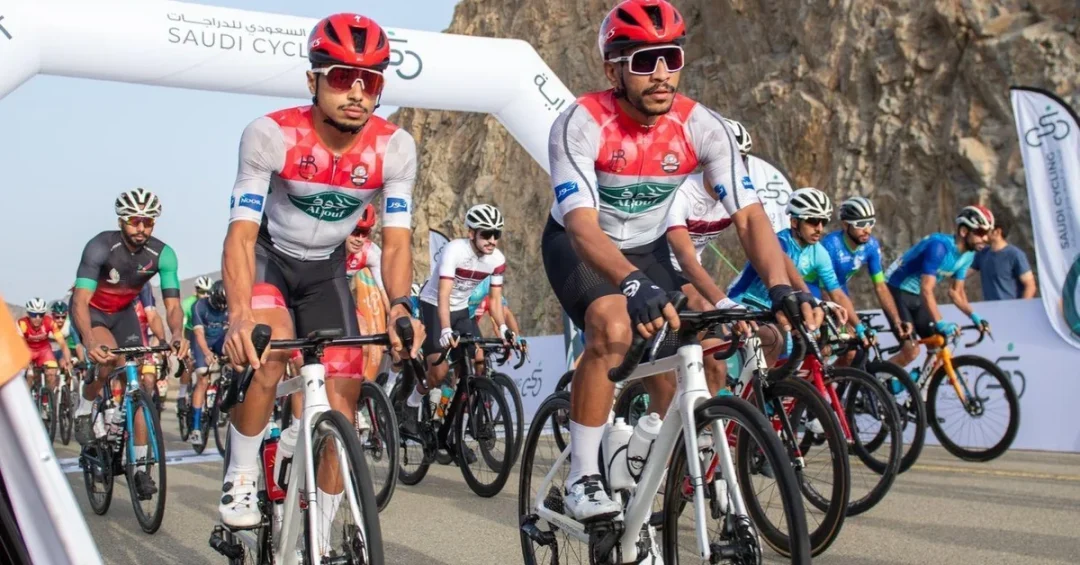
The fourth edition of the Saudi Arabia Cycling Championship for men and women concluded in the Al-Baha Region on Friday and Saturday, organized by the Saudi Cycling Federation and overseen by the regional branch of the Ministry of Sport. The event drew more than 100 male and female athletes representing 14 clubs from across the Kingdom, underscoring the rapid growth of competitive cycling in Saudi Arabia. Over two days of racing, the men covered approximately 200 kilometers and the women 75 kilometers, with AlUla Club and Qadsiah Club emerging as the standout teams. The championship not only crowned new champions but also highlighted the Kingdom’s expanding sports infrastructure and its commitment to fostering athletic excellence at all levels.
Have you ever wondered how a single sporting event can reflect a nation’s broader transformation? The Saudi Arabia Cycling Championship is more than a race; it is a testament to the Kingdom’s Vision 2030 goals of promoting healthy lifestyles, empowering women, and boosting tourism through sports. Al-Baha, known for its stunning mountain scenery and moderate climate, provided a challenging and picturesque backdrop for the competition. The participation of 14 clubs from various regions demonstrates the increasing depth of cycling talent in Saudi Arabia and the effectiveness of grassroots development programs. As the athletes tackled steep climbs and winding roads, they showcased not only their physical prowess but also the spirit of determination that defines Saudi youth today.
Context and Background
How did cycling become such a dynamic part of Saudi Arabia’s sporting landscape? The Saudi Cycling Federation, established to govern and promote the sport, has been instrumental in organizing national championships and supporting clubs nationwide. The fourth edition of this championship follows a series of successful events that have gradually raised the profile of cycling in the Kingdom. Al-Baha, with its mountainous terrain and cooler temperatures, has become a preferred location for such competitions, offering a unique challenge compared to flatter courses in other regions. The Ministry of Sport, through its regional branch, ensures that all logistical and safety requirements are met, allowing athletes to compete at their best.
The championship’s timing in April aligns with the Kingdom’s broader sports calendar, which has seen a surge in activities ranging from football to motorsports. Cycling, however, holds a special place because it is accessible to a wide demographic and promotes environmental sustainability. The event also serves as a talent identification platform, with scouts and coaches observing promising riders who may represent Saudi Arabia in international competitions. The participation of both men and women in equal measure reflects the Kingdom’s commitment to gender inclusivity in sports, a key pillar of Vision 2030. As the athletes raced through Al-Baha’s scenic routes, they inspired local communities and visitors alike, demonstrating the unifying power of sport.
Key Details
What were the standout performances in this year’s championship? In the women’s category, AlUla Club claimed first place, followed by Qadsiah Club in second and Al-Salam Club in third. The women’s race covered 75 kilometers over two days, a demanding distance that tested endurance and strategy. In the men’s category, Qadsiah Club took top honors, with Al-Shabab Club finishing second and AlUla Club third. The men’s total distance was approximately 200 kilometers, split across two stages that included challenging ascents and fast descents. Bandar bin Saad Al-Ghamdi, Director of the Ministry of Sport’s Al-Baha branch, praised the level of competition and the athletes’ dedication.
Al-Ghamdi noted that the championship saw participation from over 100 male and female athletes representing 14 clubs, a significant increase from previous editions. This growth reflects the rising popularity of cycling and the effectiveness of development programs initiated by the Saudi Cycling Federation. The event was meticulously organized, with medical teams, technical officials, and volunteers ensuring a smooth and safe experience for all. The routes were designed to showcase Al-Baha’s natural beauty, passing through rugged mountains, green valleys, and traditional villages. Spectators lined the streets, cheering on the cyclists and adding to the festive atmosphere. The championship not only celebrated athletic achievement but also promoted tourism in the region, with many visitors extending their stay to explore Al-Baha’s attractions.
International and Regional Impact
Could this championship be a stepping stone for Saudi cyclists to shine on the global stage? The Saudi Cycling Federation has been actively working to raise the standard of cycling in the Kingdom, with an eye on international competitions such as the Asian Cycling Championships and the Olympics. The performances in Al-Baha will help select riders for national teams and provide valuable experience in competitive racing. Regional rivals in the Gulf and beyond are also investing in cycling, making events like this crucial for maintaining a competitive edge. The championship attracted attention from international cycling bodies, further integrating Saudi Arabia into the global cycling community.
On a regional level, the event strengthened ties between clubs from different provinces, fostering a spirit of camaraderie and healthy competition. Clubs like AlUla, Qadsiah, and Al-Shabab have robust cycling programs that nurture talent from a young age. The success of the championship in Al-Baha also highlights the potential for other regions to host similar events, spreading the benefits of sports tourism across the Kingdom. With Saudi Arabia’s strategic location connecting Asia, Africa, and Europe, it is well-positioned to become a hub for cycling in the Middle East. The Ministry of Sport’s support ensures that infrastructure and training facilities continue to improve, attracting more participants and spectators alike.
Economic and Strategic Significance
What economic benefits does a regional cycling championship bring to an area like Al-Baha? The influx of athletes, officials, and spectators stimulates local businesses, including hotels, restaurants, and transport services. The event also creates temporary jobs and volunteer opportunities, engaging the community in a positive and productive manner. Al-Baha’s tourism sector receives a boost as visitors discover its unique heritage and natural landscapes, potentially leading to repeat visits and longer stays. The Ministry of Sport’s investment in such events is part of a broader strategy to diversify the economy away from oil, in line with Vision 2030.
Strategically, hosting national championships in different regions promotes national unity and showcases the Kingdom’s diverse geography. It also encourages healthy lifestyles among citizens, reducing the burden on the healthcare system in the long run. The media coverage of the event, both domestic and international, enhances Saudi Arabia’s image as a modern, dynamic nation open to the world. Sponsorships from private companies further inject capital into the sports sector, creating a sustainable ecosystem. As cycling grows, so does the demand for related products and services, from bicycles to apparel, opening new markets for entrepreneurs. The championship thus serves as a catalyst for economic diversification and social development.
Vision 2030 Alignment
How does the Saudi Arabia Cycling Championship embody the goals of Vision 2030? The Vision, launched by Crown Prince Mohammed bin Salman, aims to transform the Kingdom by 2030 through economic diversification, social liberalization, and global engagement. Sports is a key pillar, with targets to increase participation in physical activities and host major international events. The championship directly contributes by providing a platform for athletes to excel, promoting gender equality, and stimulating tourism in regions like Al-Baha. It also aligns with the Quality of Life Program, which seeks to improve the well-being of citizens and residents.
Looking ahead, the Saudi Cycling Federation plans to expand the championship and introduce more categories, including youth and para-cycling. This will ensure that cycling becomes a sport for all, reflecting the inclusive spirit of Vision 2030. The Kingdom’s investment in sports infrastructure, such as the upcoming cycling tracks in NEOM and Qiddiya, will further elevate the sport. As Saudi cyclists gain more experience and exposure, they are likely to achieve success on the international stage, bringing pride to the nation. The fourth edition in Al-Baha is not just a conclusion but a new beginning for cycling in Saudi Arabia, paving the way for a future where the Kingdom is a recognized force in global cycling.
20 Questions
Q1. When and where did the fourth Saudi Arabia Cycling Championship take place?
A1. The championship was held in the Al-Baha Region on Friday and Saturday, April 18-19, 2025, organized by the Saudi Cycling Federation and overseen by the Ministry of Sport’s regional branch.
Q2. How many athletes participated in the championship?
A2. Over 100 male and female athletes from 14 clubs across Saudi Arabia participated, marking a significant increase from previous editions and highlighting the sport’s growing popularity.
Q3. Which club won first place in the women’s category?
A3. AlUla Club claimed first place in the women’s category, with Qadsiah Club second and Al-Salam Club third, showcasing strong performances across all teams.
Q4. Which club won first place in the men’s category?
A4. Qadsiah Club took first place in the men’s category, followed by Al-Shabab Club in second and AlUla Club in third, demonstrating competitive depth.
Q5. What was the total race distance for men and women?
A5. The men covered approximately 200 kilometers over two days, while the women raced 75 kilometers, with routes designed to test endurance and skill in Al-Baha’s mountainous terrain.
Q6. Who is Bandar bin Saad Al-Ghamdi and what did he say about the event?
A6. Bandar bin Saad Al-Ghamdi is the Director of the Ministry of Sport’s Al-Baha branch. He praised the participation of over 100 athletes and the organizational success of the championship.
Q7. How does this championship support Saudi Vision 2030?
A7. It promotes healthy lifestyles, empowers women in sports, boosts regional tourism, and aligns with the Quality of Life Program, all key objectives of Vision 2030.
Q8. What role did the Saudi Cycling Federation play in the event?
A8. The Saudi Cycling Federation organized the championship, set regulations, and ensured compliance with international standards, supporting the development of cycling nationwide.
Q9. Why was Al-Baha chosen as the host region?
A9. Al-Baha offers challenging mountainous terrain, moderate climate, and scenic beauty, making it ideal for cycling. It also helps promote tourism in the region.
Q10. How many clubs participated in the championship?
A10. Fourteen clubs from various regions of Saudi Arabia participated, including AlUla, Qadsiah, Al-Shabab, and Al-Salam, reflecting the sport’s broad appeal.
Q11. What are the economic benefits of hosting such an event in Al-Baha?
A11. The event stimulates local businesses, creates jobs, and attracts visitors, contributing to economic diversification and tourism growth in line with Vision 2030.
Q12. How does the championship promote women’s participation in sports?
A12. By including a women’s category with equal prominence, it encourages female athletes and aligns with Saudi Arabia’s efforts to enhance gender equality in all sectors.
Q13. What future plans exist for the Saudi Arabia Cycling Championship?
A13. The Saudi Cycling Federation plans to expand the event, introduce youth and para-cycling categories, and attract more international participation to raise the sport’s profile.
Q14. How does cycling contribute to environmental sustainability in Saudi Arabia?
A14. Cycling is a clean, eco-friendly sport that reduces carbon emissions. Promoting it encourages sustainable transport and aligns with Saudi Green Initiative goals.
Q15. What infrastructure developments support cycling in Saudi Arabia?
A15. Projects like NEOM and Qiddiya include dedicated cycling tracks. The Ministry of Sport is also building velodromes and training facilities across the Kingdom.
Q16. How can Saudi cyclists qualify for international competitions?
A16. Through strong performances in national championships like this, cyclists can be selected for national teams and compete in Asian and global events, gaining ranking points.
Q17. What was the significance of the two-day format?
A17. The two-day format allowed for varied stages, testing different skills and endurance. It also increased spectator engagement and media coverage over the weekend.
Q18. How did the local community in Al-Baha engage with the championship?
A18. Local volunteers assisted with organization, spectators cheered along routes, and businesses hosted visitors, fostering community pride and participation.
Q19. What safety measures were in place for the athletes?
A19. Medical teams, ambulances, and technical officials were stationed along routes. Traffic control and route marshals ensured athlete safety throughout the competition.
Q20. What does the future hold for cycling in Saudi Arabia?
A20. With growing participation, government support, and Vision 2030 initiatives, cycling is set to become a major sport in the Kingdom, producing world-class athletes and hosting international events.
Reader Feedback
We value your thoughts. Please share your feedback on this article.
Your feedback helps us improve our coverage.
Related articles
 Blistering Speeds Set the Stage in F1 stc Saudi Arabian GP
 F1 Engines Roar Along Jeddah’s ROSHN Waterfront
 Qiddiya Showcases Motorsport Vision at F1 Grand Prix in Jeddah
 AFC President Praises Saudi Arabia’s AFC U17 Asian Cup Hosting
 Supporting Races for F1 stc Saudi Arabian Grand Prix Conclude
 Sport Minister Attends F1 stc Saudi Arabian Grand Prix 2025