


Al-Ardiyat Governorate, located in the southern part of Makkah Region, is emerging as a standout destination for domestic and international visitors seeking a blend of natural beauty and historical depth, according to information released by the Saudi Press Agency (SPA). The governorate, nestled between the Al-Baha and Aseer regions, offers a diverse array of attractions ranging from scenic landscapes and archaeological sites to heritage villages and traditional markets. This rich tapestry presents significant opportunities for ecotourism, cultural experiences, and historical exploration, all of which support the growth of domestic tourism in line with Saudi Vision 2030. As the Kingdom continues to diversify its economy and promote sustainable tourism, Al-Ardiyat stands as a testament to the nation’s commitment to preserving its heritage while inviting the world to discover its wonders.
Have you ever imagined a place where ancient rock art meets lush palm groves, and where every valley tells a story of civilizations past? Al-Ardiyat is precisely such a place. Its strategic location between two of Saudi Arabia’s most verdant regions endows it with a unique microclimate that transforms its landscapes into captivating vistas during the rainy and winter seasons. This seasonal beauty, combined with its historical treasures, positions Al-Ardiyat as a prime candidate for investment in hospitality and tourism activities. The Saudi Press Agency’s report underscores the governorate’s potential to become a key player in the Kingdom’s tourism strategy, offering visitors an authentic Arabian experience that is both educational and rejuvenating.
Context and Background
Why has Al-Ardiyat remained a hidden gem for so long, and what does its emergence mean for Saudi tourism? The governorate’s relative obscurity until now can be attributed to its rugged terrain and the previous focus on more accessible destinations. However, with the Kingdom’s renewed emphasis on domestic tourism and the development of infrastructure under Vision 2030, Al-Ardiyat is poised to take its rightful place on the tourism map. The region’s history is deeply intertwined with the broader narrative of the Arabian Peninsula, serving as a crossroads for trade and cultural exchange for centuries. Its preservation of rock art, inscriptions, and ancient writings—some dating back to the first century AH—offers a window into the lives of early inhabitants and the civilizations that flourished in this area.
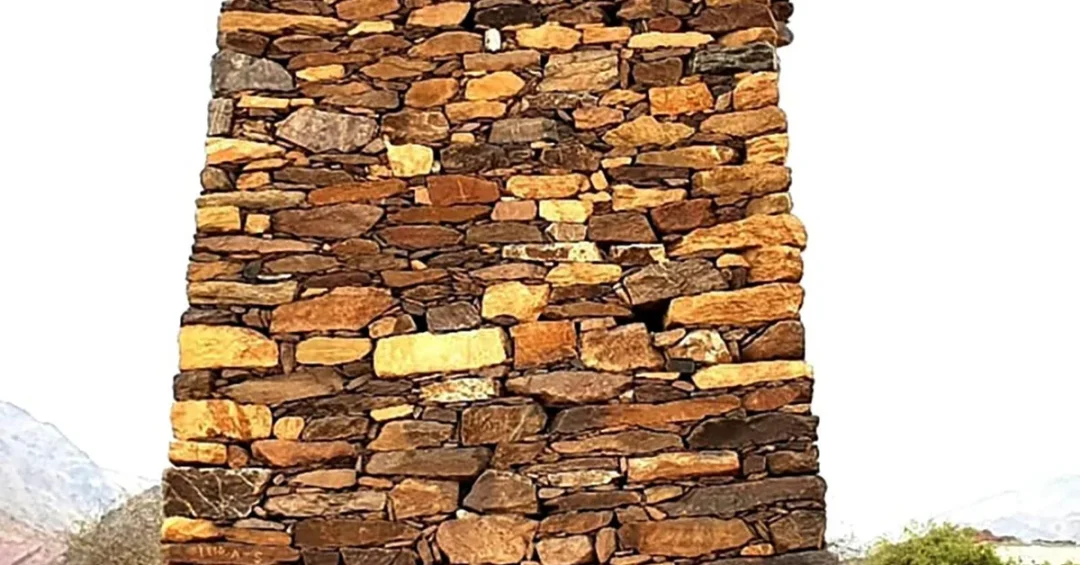
The governorate’s architectural heritage is equally compelling. Its palaces, historic villages, and stone pillars showcase traditional craftsmanship passed down through generations, reflecting a sustainable building philosophy that harmonized with the environment. These structures not only tell the story of human ingenuity but also serve as a reminder of the importance of preserving such treasures for future generations. As Saudi Arabia opens up to the world, sites like Al-Ardiyat provide tangible connections to the past, enriching the cultural tapestry of the nation and offering visitors a deeper understanding of its roots. The Saudi Press Agency’s coverage highlights these aspects, emphasizing the governorate’s role in the broader context of Saudi heritage and its potential to attract culturally curious travelers.
Natural Attractions and Ecotourism Potential
What makes Al-Ardiyat’s natural landscapes so special, and how can they be enjoyed responsibly? The governorate is blessed with an abundance of natural features: meandering valleys, distinctive rock formations sculpted by wind and time, natural springs, and cascading waterfalls. These are complemented by fertile agricultural lands, lush palm groves, and ancient trees that have stood for centuries. During the rainy and winter seasons, the landscape bursts into life, with greenery and wildflowers painting a breathtaking scene that is particularly captivating. This seasonal transformation offers a unique opportunity for ecotourism, allowing visitors to engage with nature through hiking, birdwatching, and photography, while fostering a deep appreciation for the environment.
The potential for investment in hospitality and tourism activities is immense. Eco-lodges, glamping sites, and wellness retreats could be developed to cater to travelers seeking tranquility and a connection with nature. Such developments would not only boost the local economy but also align with Vision 2030’s goals of sustainable tourism and job creation. The Saudi Press Agency’s report underscores the importance of leveraging these natural assets to attract both domestic and international tourists, thereby reducing the Kingdom’s reliance on oil and diversifying its revenue streams. Moreover, the emphasis on ecotourism ensures that development will be carried out in a manner that preserves the environment for future generations, a principle that is central to Saudi Arabia’s long-term vision.
Historical and Cultural Heritage
How does Al-Ardiyat’s historical legacy contribute to Saudi Arabia’s cultural identity? The governorate is a treasure trove of archaeological wonders, with rock art, inscriptions, and ancient writings etched into its mountain slopes. Some of these date back to the first century AH, providing invaluable insights into early Islamic history and the pre-Islamic era. These inscriptions, often in ancient scripts, narrate stories of trade, pilgrimage, and daily life, offering historians and archaeologists a rich field of study. The preservation of these sites is crucial not only for academic research but also for instilling a sense of pride in the local community and showcasing the depth of Saudi heritage to the world.
In addition to rock art, Al-Ardiyat boasts a collection of historic palaces and villages that exemplify traditional Arabian architecture. Built from local stone and mud, these structures feature intricate designs and cooling techniques suited to the desert climate. The stone pillars, some of which are believed to have served as markers for ancient trade routes, stand as silent witnesses to the passage of time. Traditional markets, or souqs, further reflect the governorate’s commercial and social heritage, serving as hubs for trade, community interaction, and the preservation of local crafts and customs. These markets offer visitors a chance to experience the vibrant culture of the region, from handmade textiles to aromatic spices, creating a living museum of Saudi traditions. The Saudi Press Agency’s report rightly highlights these aspects, underscoring the importance of cultural tourism in the Kingdom’s strategy.
International and Regional Impact
How will Al-Ardiyat’s development influence Saudi Arabia’s position on the global tourism stage? As the Kingdom invests in its tourism sector, destinations like Al-Ardiyat will play a pivotal role in attracting international visitors seeking authentic and off-the-beaten-path experiences. The governorate’s unique combination of natural beauty and historical significance sets it apart from more commercialized destinations, appealing to travelers interested in culture, adventure, and sustainability. By promoting Al-Ardiyat, Saudi Arabia can diversify its tourism offerings beyond the well-known religious and urban centers, thereby extending the length of stay and expenditure of visitors. This, in turn, contributes to the broader goal of making tourism a key pillar of the national economy.
Regionally, Al-Ardiyat’s proximity to Al-Baha and Aseer—both known for their stunning landscapes—creates an opportunity for integrated tourism circuits. Visitors could combine a trip to Al-Ardiyat with explorations of the nearby regions, enjoying a seamless travel experience that showcases the diversity of Saudi Arabia’s natural and cultural heritage. Such regional cooperation can stimulate economic growth across the southern region, creating jobs and supporting local businesses. The Saudi Press Agency’s report underscores the potential for Al-Ardiyat to become a linchpin in the Kingdom’s tourism ecosystem, bridging the gap between the Red Sea coast and the highlands of Aseer. This integrated approach aligns with Vision 2030’s objective of enhancing the Kingdom’s attractiveness as a global destination.
Economic and Strategic Significance
What economic benefits can Al-Ardiyat bring to the Kingdom, and how do they align with Saudi Arabia’s strategic goals? The development of tourism in Al-Ardiyat promises to stimulate local economies through the creation of small and medium-sized enterprises, ranging from guiding services to artisanal crafts. Investment in infrastructure, such as roads, hotels, and visitor centers, will not only improve accessibility but also generate employment opportunities for the local population. Moreover, the focus on ecotourism and cultural tourism ensures that the economic benefits are sustainable and inclusive, aligning with the principles of Vision 2030. By attracting both domestic and international tourists, Al-Ardiyat can contribute to increasing tourism’s share of GDP, a key target of the Vision.
Strategically, the governorate’s development supports the Kingdom’s efforts to diversify its economy away from oil dependence. Tourism is one of the fastest-growing sectors globally, and Saudi Arabia is well-positioned to capture a significant share of this market by offering unique experiences. Al-Ardiyat, with its authentic charm and historical depth, is a perfect example of the kind of destination that can differentiate Saudi Arabia from other regional competitors. Furthermore, the preservation and promotion of heritage sites foster a sense of national identity and pride, reinforcing the social fabric of the Kingdom. The Saudi Press Agency’s report highlights these economic and strategic dimensions, emphasizing that Al-Ardiyat is not just a tourism destination but a catalyst for broader national development.
Vision 2030 Alignment
How does Al-Ardiyat’s potential contribute to the realization of Saudi Vision 2030? Vision 2030 aims to transform Saudi Arabia into a global hub for tourism, culture, and entertainment, while preserving its Islamic and national identity. Al-Ardiyat’s diverse attractions—from its natural landscapes to its archaeological treasures—directly support this vision by offering visitors a unique blend of experiences that celebrate the Kingdom’s heritage and natural beauty. The development of the governorate as a tourism destination will create jobs, attract investment, and enhance the quality of life for residents, all of which are core objectives of the Vision. By showcasing Al-Ardiyat to the world, Saudi Arabia demonstrates its commitment to sustainable development and cultural preservation.
In conclusion, Al-Ardiyat Governorate stands as a shining example of how Saudi Arabia is leveraging its natural and cultural assets to build a vibrant tourism industry. With its captivating landscapes, rich history, and strategic location, Al-Ardiyat is ready to welcome visitors from around the globe. As the Kingdom continues its journey towards Vision 2030, destinations like Al-Ardiyat will play an increasingly important role in shaping the nation’s future. The Saudi Press Agency’s report serves as a timely reminder of the treasures that await discovery in this remarkable part of the Kingdom. Will you be among the first to explore the wonders of Al-Ardiyat?
20 Questions
Q1. Where is Al-Ardiyat Governorate located?
A1. Al-Ardiyat Governorate is situated in the southern part of Makkah Region, between the Al-Baha and Aseer regions, according to the Saudi Press Agency.
Q2. What types of attractions does Al-Ardiyat offer?
A2. The governorate offers scenic landscapes, archaeological sites, heritage villages, and traditional markets, providing opportunities for ecotourism, cultural experiences, and historical exploration.
Q3. What natural features can be found in Al-Ardiyat?
A3. Al-Ardiyat features valleys, distinctive rock formations, natural springs, waterfalls, agricultural lands, palm groves, and ancient trees, which are especially captivating during rainy and winter seasons.
Q4. What historical legacy does Al-Ardiyat preserve?
A4. It preserves rock art, inscriptions, and ancient writings on mountain slopes, some dating back to the first century AH, along with palaces, historic villages, and stone pillars.
Q5. How do traditional markets reflect the governorate’s heritage?
A5. Traditional markets serve as centers for trade, community interaction, and the preservation of local crafts and customs, reflecting the commercial and social heritage of Al-Ardiyat.
Q6. What is the significance of Al-Ardiyat’s location between Al-Baha and Aseer?
A6. Its location between two verdant regions gives it a unique microclimate that enhances its natural beauty, making it particularly attractive during the rainy and winter seasons.
Q7. What opportunities exist for investment in Al-Ardiyat?
A7. There are opportunities for investment in hospitality and tourism activities, such as eco-lodges, glamping sites, and wellness retreats, leveraging the area’s natural and cultural assets.
Q8. How does Al-Ardiyat support domestic tourism development?
A8. By offering diverse attractions and experiences, Al-Ardiyat contributes to the growth of domestic tourism, aligning with Saudi Vision 2030’s goal to boost the tourism sector.
Q9. What is the age of some inscriptions in Al-Ardiyat?
A9. Some inscriptions date back to the first century AH, providing valuable insights into early Islamic history and pre-Islamic eras.
Q10. What architectural features are found in Al-Ardiyat?
A10. The governorate has palaces, historic villages, and stone pillars that showcase traditional Arabian architecture and craftsmanship passed down through generations.
Q11. How does Al-Ardiyat contribute to Saudi Vision 2030?
A11. It supports Vision 2030 by promoting sustainable tourism, creating jobs, attracting investment, and preserving cultural heritage, thereby diversifying the economy.
Q12. What is the best time to visit Al-Ardiyat for natural beauty?
A12. The rainy and winter seasons are particularly captivating, when the landscapes are lush and vibrant, offering ideal conditions for ecotourism and outdoor activities.
Q13. Are there any waterfalls in Al-Ardiyat?
A13. Yes, the governorate features waterfalls, which are among its diverse natural attractions, especially during the rainy season.
Q14. What kind of rock formations are found in Al-Ardiyat?
A14. The governorate has distinctive rock formations shaped by natural forces over time, adding to its scenic landscapes and geological interest.
Q15. How can visitors experience the local culture in Al-Ardiyat?
A15. Visitors can explore traditional markets, heritage villages, and archaeological sites, and engage with local crafts and customs, gaining an authentic cultural experience.
Q16. What role do ancient trees play in Al-Ardiyat’s ecosystem?
A16. Ancient trees contribute to the region’s biodiversity and scenic beauty, and are part of its natural heritage, enhancing the area’s appeal for ecotourism.
Q17. What is the significance of the stone pillars in Al-Ardiyat?
A17. The stone pillars are remnants of traditional architecture and possibly ancient trade route markers, showcasing the historical importance of the area.
Q18. How does Al-Ardiyat compare to other Saudi tourism destinations?
A18. Al-Ardiyat offers a unique blend of natural beauty and historical depth, distinguishing it from more commercialized destinations and appealing to culturally curious travelers.
Q19. What economic benefits can tourism bring to Al-Ardiyat?
A19. Tourism can stimulate local economies through job creation, support for small businesses, and investment in infrastructure, contributing to the national GDP.
Q20. How is the Saudi Press Agency involved in promoting Al-Ardiyat?
A20. The Saudi Press Agency reports on Al-Ardiyat’s attractions, highlighting its potential for tourism development in line with Saudi Vision 2030, thereby raising awareness.
Reader Feedback
We value your thoughts. Please share your feedback on this article.
Your feedback helps us improve our coverage.
Related articles
 Jabal Sanadil: Jazan’s Natural Gem
 Eastern Region Municipality Prepares 680 Camping Sites in 6-Million-Square-Meter Desert Park
 Unaizah’s Historic Walled Farms Evolve into Tourism, Heritage Destinations
 AlDirah Winter Opens in Riyadh with Festive Parade
 Tourism Minister Launches Northern Trail with Over 130 Experiences
 Hail Camel Auction Concludes with SAR45 Million in Sales