


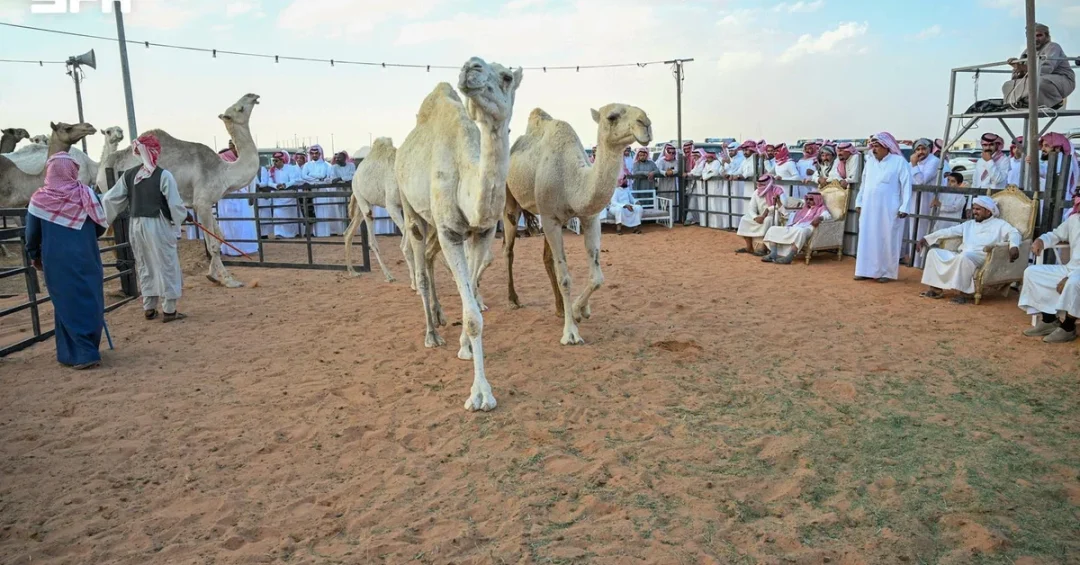
The 17th Hail Camel Auction concluded on Saturday, November 2, 2026, after a ten-day run that generated more than SAR45 million in sales and attracted over 60,000 visitors from across the Kingdom and beyond, according to the Saudi Press Agency (SPA). The event, held in the northern city of Hail, was organized with the participation of several government entities, sponsors, and supporters, and featured a comprehensive program of heritage, tourism, and entertainment activities. The auction’s success underscores the enduring cultural and economic importance of camel heritage in Saudi Arabia and highlights the Kingdom’s growing ability to transform traditional practices into world-class tourism and investment opportunities.
Have you ever wondered how a centuries-old tradition can drive modern economic growth? The Hail Camel Auction provides a compelling answer. Over ten days, the auction ring, the auction grounds, and owners’ premises buzzed with activity as breeders, enthusiasts, and international visitors gathered to celebrate the camel’s central role in Saudi heritage. The event not only recorded impressive sales figures but also served as a platform for cultural exchange, showcasing traditional crafts, markets, and performances that reflect the region’s rich identity. This year’s edition built on the momentum of previous auctions, further establishing Hail as a premier destination for heritage tourism and a key contributor to Saudi Arabia’s Vision 2030 goals.
Context and Background
Why has the Hail Camel Auction become such a significant fixture on Saudi Arabia’s cultural calendar? The auction, now in its 17th edition, has evolved from a local gathering of breeders into a major national event that draws attention from across the Kingdom and internationally. Hail, known for its deep-rooted association with camel breeding and desert traditions, provides a natural setting for this celebration. The event is organized under the patronage of Saudi authorities, with support from various government entities, reflecting the state’s commitment to preserving intangible cultural heritage while fostering economic diversification.
The camel has long been a symbol of resilience, hospitality, and survival in the Arabian Peninsula. In recent years, Saudi Arabia has taken deliberate steps to honor this legacy through events like the Hail Camel Auction, which not only facilitate trade but also educate younger generations and visitors about the animal’s historical importance. The auction’s alignment with the National Strategy for Culture and the Quality of Life Program demonstrates how heritage can be integrated into modern development plans. By creating a space where tradition meets commerce, the event supports local breeders, stimulates related industries such as tourism and handicrafts, and reinforces Saudi Arabia’s identity on the global stage.
Moreover, the 17th edition comes at a time when Saudi Arabia is actively promoting domestic tourism and international engagement. The Kingdom’s Vision 2030 reform agenda emphasizes the need to diversify income sources and create vibrant cultural experiences. The Hail Camel Auction fits squarely within this framework, attracting visitors who might otherwise overlook the northern region. It also provides a boost to local businesses, from hotels and restaurants to artisans and transporters, creating a multiplier effect that benefits the community. As the event grows in stature, it exemplifies how Saudi Arabia is leveraging its unique heritage assets to build a sustainable and inclusive economy.
Key Details of the 17th Edition
What exactly made this year’s auction so successful? According to official SPA reports, the ten-day event recorded sales exceeding SAR45 million across multiple platforms: the main auction ring, the auction grounds, and direct sales at owners’ premises. This figure represents a substantial economic injection into the local and national economy, reflecting strong demand for high-quality camels, which are prized for beauty, racing, and milk production. The auction attracted more than 60,000 visitors, including camel enthusiasts, owners, and breeders from across Saudi Arabia, indicating the event’s wide appeal and its role in fostering community ties.
The accompanying program was equally impressive, featuring a range of activities and dedicated pavilions. Traditional markets offered a variety of goods, from spices and textiles to handmade crafts, while live demonstrations of handicrafts, waterskin making, and resin art provided visitors with immersive cultural experiences. These elements were designed not only to entertain but also to educate, giving guests a deeper appreciation for the skills and artistry that have been passed down through generations. The presence of government entities and sponsors ensured that the event was well-organized and accessible, with facilities catering to families, tourists, and serious buyers alike.
Beyond the numbers, the auction served as a meeting point for stakeholders across the camel value chain. Breeders had the opportunity to showcase their finest animals, while buyers could inspect and bid on camels with confidence, knowing that the event adheres to recognized standards. The integration of tourism and entertainment activities meant that even those not directly involved in trading could enjoy the festivities, from musical performances to storytelling sessions that highlighted the region’s folklore. This holistic approach has helped the Hail Camel Auction distinguish itself as more than just a marketplace; it is a festival of heritage that celebrates Saudi Arabia’s past while embracing its future.
International and Regional Impact
How does an event like the Hail Camel Auction resonate beyond Saudi Arabia’s borders? The influx of 60,000 visitors, including international guests, signals the Kingdom’s growing appeal as a destination for cultural tourism. Regional neighbors and global travelers are increasingly drawn to authentic experiences that showcase the Arabian Peninsula’s unique traditions. The auction provides a window into Saudi Arabia’s hospitality and its efforts to preserve heritage, countering stereotypes and building bridges of understanding. For international audiences, it offers a nuanced view of a country undergoing rapid transformation while staying true to its roots.
On a regional level, the event strengthens ties with Gulf Cooperation Council (GCC) countries, many of which share a similar reverence for camels. Breeders and enthusiasts from neighboring states often participate, fostering friendly competition and knowledge exchange. The auction also attracts attention from global camel markets, potentially opening avenues for export and collaboration. By hosting such a high-profile event, Saudi Arabia reinforces its position as a leader in heritage preservation and cultural diplomacy, aligning with its broader foreign policy objectives of promoting moderation and mutual respect.
Furthermore, the media coverage generated by the auction, including reports by SPA and other outlets, amplifies Saudi Arabia’s message of cultural vitality. International journalists and influencers who attend or cover the event share stories that highlight the Kingdom’s modernization alongside its traditions. This positive exposure contributes to the goals of Vision 2030 by enhancing the country’s image as a welcoming and dynamic nation. The Hail Camel Auction thus serves as a soft power tool, demonstrating that Saudi Arabia is not only a global energy player but also a custodian of world heritage.
Economic and Strategic Significance
What does the SAR45 million in sales signify for Saudi Arabia’s economy? This figure, while modest compared to major sectors like oil, represents a vital stream of income for local communities and a testament to the economic potential of heritage-based activities. The camel industry supports thousands of families, from breeders to veterinarians, feed suppliers, and transporters. The auction provides a formal marketplace where transactions are conducted transparently, helping to standardize prices and quality. Moreover, the event stimulates spending in hospitality, retail, and services, creating a ripple effect that benefits the entire Hail region.
Strategically, the auction aligns with Saudi Arabia’s efforts to diversify revenue sources and promote non-oil sectors. Tourism is a key pillar of Vision 2030, and events like this contribute to the goal of attracting 100 million visitors annually by 2030. By packaging heritage with entertainment, the auction appeals to a broad demographic, including younger Saudis and international tourists. It also encourages domestic travel, as citizens explore their own country’s treasures. The government’s investment in infrastructure, such as roads and accommodations, further enhances the region’s capacity to host large-scale events, laying the groundwork for future growth.
In addition, the auction supports the preservation of intangible cultural heritage, which is increasingly recognized as an economic asset. Traditional crafts like waterskin making and resin art, showcased at the event, are at risk of disappearing if not actively promoted. By providing artisans with a platform to sell their wares and demonstrate their skills, the auction helps sustain these crafts and the livelihoods they support. This integration of culture and commerce is a hallmark of Saudi Arabia’s development model, where economic progress goes hand in hand with cultural preservation.
Vision 2030 Alignment
How does the Hail Camel Auction embody the spirit of Vision 2030? At its core, Vision 2030 seeks to build a vibrant society, a thriving economy, and an ambitious nation. The auction contributes to all three pillars. It fosters a vibrant society by celebrating heritage and providing recreational opportunities that strengthen social bonds. It drives a thriving economy by generating sales, creating jobs, and attracting tourists. And it reflects an ambitious nation by showcasing Saudi Arabia’s ability to organize world-class events and manage complex logistics.
Specifically, the event supports the Quality of Life Program, which aims to enhance the lives of citizens and residents by increasing cultural and entertainment options. It also aligns with the National Tourism Strategy, which identifies heritage tourism as a key segment. By investing in events like the Hail Camel Auction, Saudi Arabia is not only preserving its past but also building a sustainable future. The success of this 17th edition, with its SAR45 million in sales and 60,000 visitors, demonstrates that heritage can be a powerful engine for economic and social development. As the Kingdom continues its journey toward 2030, such initiatives will play an increasingly important role in defining its global identity.
20 Questions
Q1. What was the total sales figure of the 17th Hail Camel Auction?
A1. The auction recorded sales exceeding SAR45 million across the auction ring, auction grounds, and owners’ premises, according to the Saudi Press Agency.
Q2. How many visitors attended the 17th Hail Camel Auction?
A2. The event attracted more than 60,000 visitors, including camel enthusiasts, owners, and breeders from across Saudi Arabia and beyond.
Q3. How long did the 17th Hail Camel Auction last?
A3. The auction ran for ten days, concluding on Saturday, November 2, 2026, as reported by the Saudi Press Agency.
Q4. Where was the Hail Camel Auction held?
A4. The auction was held in Hail, a city in northern Saudi Arabia known for its deep-rooted association with camel breeding and desert traditions.
Q5. What types of activities were featured at the event?
A5. The event featured heritage, tourism, and entertainment activities, including traditional markets, handicrafts, waterskin making, and resin art demonstrations.
Q6. Which government entities participated in organizing the auction?
A6. Several government entities, sponsors, and supporters participated in organizing the event, reflecting official commitment to heritage preservation and tourism development.
Q7. What is the significance of the Hail Camel Auction for Saudi heritage?
A7. The auction celebrates the camel’s central role in Saudi culture, preserves traditional skills, and educates visitors about the region’s rich cultural heritage.
Q8. How does the auction contribute to Saudi Arabia’s economy?
A8. It generates millions in sales, supports local businesses, creates jobs, and stimulates tourism spending in the Hail region and beyond.
Q9. What is the role of the Saudi Press Agency in reporting this event?
A9. The Saudi Press Agency (SPA) is the official state news agency that provides authoritative coverage of national events, ensuring accurate and timely information.
Q10. How does the auction align with Vision 2030?
A10. It supports the Quality of Life Program and National Tourism Strategy by promoting heritage tourism, economic diversification, and cultural preservation.
Q11. What are some traditional crafts showcased at the auction?
A11. Traditional crafts included handicrafts, waterskin making, and resin art, which were demonstrated in dedicated pavilions to enrich the visitor experience.
Q12. Who typically participates in the Hail Camel Auction?
A12. Participants include camel breeders, owners, enthusiasts, and international visitors, as well as government representatives and sponsors.
Q13. How does the auction support local communities?
A13. It provides a marketplace for breeders, boosts hospitality and retail sectors, and sustains artisans who practice traditional crafts.
Q14. What is the historical importance of camels in Saudi Arabia?
A14. Camels have been vital for transportation, sustenance, and cultural identity in the Arabian Peninsula for centuries, symbolizing resilience and hospitality.
Q15. How many editions of the Hail Camel Auction have been held?
A15. The 17th edition was held in 2026, indicating a longstanding tradition that has grown in scale and prominence over the years.
Q16. What economic impact does the auction have on the Hail region?
A16. It injects millions into the local economy, supports jobs, and raises the region’s profile as a heritage tourism destination.
Q17. How does the event promote international cultural exchange?
A17. By attracting international visitors and media, it showcases Saudi heritage globally and fosters understanding and appreciation of Arabian traditions.
Q18. What measures are taken to ensure the auction’s success?
A18. Coordination among government entities, sponsors, and organizers ensures smooth logistics, security, and a rich program for visitors.
Q19. What future plans exist for the Hail Camel Auction?
A19. While specific plans are not detailed, the event’s growth aligns with Saudi Arabia’s broader goals to expand heritage tourism and economic diversification.
Q20. How can international tourists participate in future auctions?
A20. International tourists can visit Hail during the event, which is open to the public, and engage with cultural activities and the auction atmosphere.
Reader Feedback
We value your thoughts. Please share your feedback on this article.
Your feedback helps us improve our coverage.
Related articles
 Eastern Region Governor Opens Bayfront on Al Khobar Corniche
 Imam Turki Reserve Launches Winter at Darb Zubaida Season
 Al-Rass Landmarks Reflect Rich Heritage and Tourism Appeal
 AlUla Hosts Nature-Inspired Experiences in November
 Madinah Winter Season 2026-2027 Launches with 109 Events
 Northern Borders Winter Boosts Saudi Desert Tourism