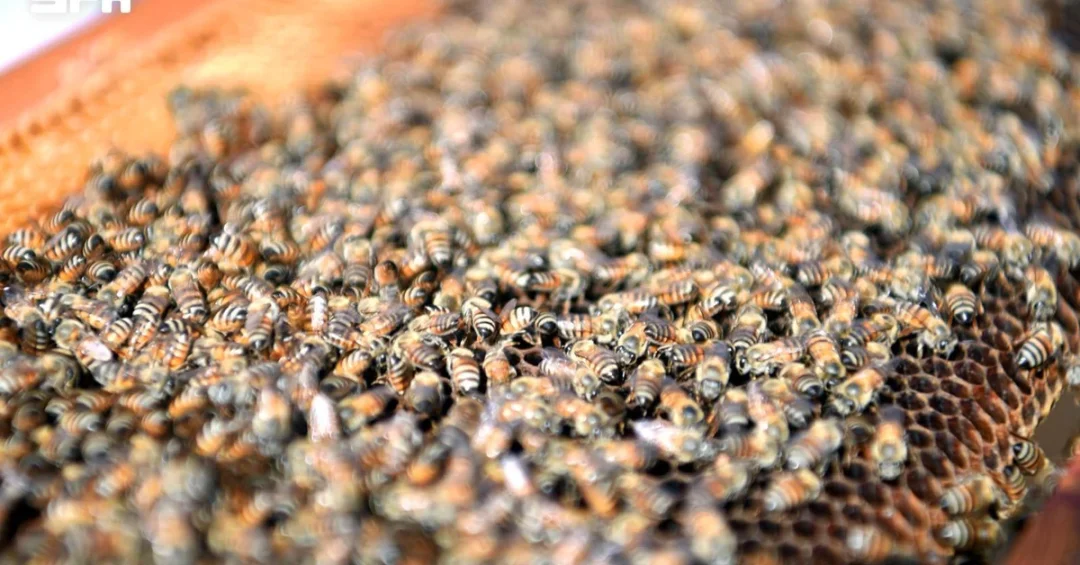
Recent rainfall across Jazan Region has renewed vegetation and brought flowers into bloom, creating fresh opportunities for beekeepers and reinforcing the Kingdom of Saudi Arabia’s position as a leading producer of premium honey. According to the Saudi Press Agency (SPA), the rains have transformed plains, valleys, and mountain highlands into rich sources of nectar and pollen, supporting an industry that blends natural heritage with modern agricultural ambition. The development highlights how Jazan’s unique ecology and the dedication of its beekeepers contribute to Saudi Arabia’s broader economic diversification and food security goals. As the region’s pastures flourish, they not only sustain local livelihoods but also attract beekeepers from across the Kingdom, underscoring the importance of sustainable resource management. How does this natural renewal reflect the Kingdom’s commitment to harnessing its environmental assets for long-term prosperity?
Jazan Region, located in the southwest of Saudi Arabia, is renowned for its diverse topography, which includes coastal plains, fertile valleys, and mountainous terrains. This geographical variety fosters a wide range of flowering plants that are essential for honey production. The recent rains have rejuvenated key nectar-producing trees such as sidr, samar, salam, shawka, dhahyan, and qatad, each contributing distinct flavors and qualities to Jazan’s honey. The qatad season, for instance, begins in January and extends through February and early March, while dhahyan and sidr honey are harvested in October and November. This natural calendar of blooming periods allows beekeepers to plan their activities and maximize yields. The synergy between plant diversity and local expertise is a testament to the region’s rich agricultural heritage and its potential for sustainable growth. As these pastures thrive, they offer a clear example of how Saudi Arabia’s natural resources can be leveraged to support Vision 2030’s economic and environmental objectives.
Context and Background
How did Jazan become a cornerstone of Saudi Arabia’s honey industry? The region’s beekeeping tradition dates back generations, with local communities passing down knowledge of hive management and honey extraction. Over time, this traditional wisdom has been complemented by modern techniques and government support, transforming beekeeping into a significant economic activity. The Jazan Beekeepers Association, led by Vice President Suleiman Al-Ghazwani, plays a pivotal role in organizing and advancing the sector. Al-Ghazwani reports that the number of beekeepers in the region has exceeded 3,000, while traditional beehives have reached 160,915, in addition to 130,000 modern ones. These figures illustrate the scale of the industry and its importance to local livelihoods. The association provides training, resources, and market access, helping beekeepers adapt to changing environmental conditions and market demands. This blend of tradition and innovation is a hallmark of Saudi Arabia’s approach to agricultural development, ensuring that heritage and progress go hand in hand.
The importance of Jazan’s pastures extends beyond local activity. Al-Ghazwani noted that the region attracts more than 1,000 beekeepers annually from across Saudi Arabia, drawn by the abundance of nectar and the quality of honey produced. This influx underscores Jazan’s role as a national hub for beekeeping and honey production. The seasonal migration of beekeepers is a well-organized practice, with many moving their hives to follow the blooming cycles of different plants. This mobility not only optimizes honey yields but also promotes the exchange of knowledge and best practices among beekeepers from various regions. The annual output of Jazan’s honey industry reached 426,526 kilograms, according to Al-Ghazwani, a testament to the productivity of its pastures and the skill of its beekeepers. Such numbers highlight the region’s contribution to Saudi Arabia’s food security and economic diversification, aligning with Vision 2030’s goals of sustainable development and increased local production.
Moreover, the honey industry in Jazan is deeply intertwined with the region’s cultural identity. Honey has been a valued commodity in Saudi society for centuries, used not only as a sweetener but also for its medicinal properties. Jazan’s honey, particularly the renowned sidr honey, is prized for its rich flavor and therapeutic benefits, making it a sought-after product in domestic and international markets. The cultural significance of honey is celebrated in local festivals and traditions, further cementing its place in the region’s heritage. As the industry grows, it continues to honor these traditions while embracing modern marketing and distribution channels. This dual focus on heritage and innovation ensures that Jazan’s honey remains a source of pride and economic opportunity for generations to come.
Key Details
What specific factors make Jazan’s pastures so productive? The answer lies in the region’s plant diversity and the careful monitoring by beekeepers. After rainfall, beekeepers closely observe plant growth to determine the optimal times to position their hives. This practice, known as migratory beekeeping, allows them to follow the nectar flows across different areas. The qatad tree, for example, blooms from January to early March, providing a critical early-season nectar source. Dhahyan and sidr trees, on the other hand, produce honey in October and November, extending the production period well into the autumn. This staggered blooming ensures a continuous supply of nectar and pollen, supporting hive health and honey production throughout the year. The diversity of plants also contributes to the unique flavors and properties of Jazan’s honey, setting it apart from other varieties. Beekeepers like Al-Ghazwani emphasize that understanding these natural cycles is essential for success, and the association provides guidance to help members optimize their operations.
The scale of beekeeping in Jazan is impressive. With over 3,000 beekeepers managing a combined total of 290,915 hives—160,915 traditional and 130,000 modern—the region is a powerhouse in Saudi Arabia’s apiculture sector. Traditional hives, often made from local materials, are still used alongside modern box hives, which offer greater control over honey extraction and hive management. This mix of old and new techniques reflects the adaptive nature of Jazan’s beekeepers, who leverage both traditional knowledge and contemporary innovations. The annual honey output of 426,526 kilograms is a direct result of this synergy. Al-Ghazwani notes that production varies among pastures depending on flower abundance and the length of the blooming period, highlighting the dynamic nature of the industry. Beekeepers must remain flexible and responsive to environmental conditions to maintain consistent yields.
Beyond the numbers, the honey industry in Jazan supports a wide range of ancillary activities. Local artisans produce beekeeping equipment, while transporters and marketers help bring honey to consumers across the Kingdom and beyond. The sector also contributes to rural development by providing income opportunities in remote areas, reducing migration to cities. Women play an increasingly active role in beekeeping and honey processing, often managing small-scale operations from their homes. This inclusive growth is aligned with Vision 2030’s emphasis on empowering all segments of society. The Jazan Beekeepers Association regularly organizes workshops and exhibitions to showcase local honey and facilitate business connections. These efforts not only boost sales but also raise awareness about the nutritional and medicinal benefits of honey, further stimulating demand. As the industry evolves, it continues to create jobs and foster entrepreneurship, driving economic diversification in line with national goals.
International and Regional Impact
How does Jazan’s honey production resonate beyond Saudi Arabia’s borders? The region’s premium honey, especially sidr, has gained recognition in international markets, particularly in the Gulf and wider Middle East. Countries such as the United Arab Emirates, Kuwait, and Qatar are key export destinations, where Jazan honey is valued for its purity and distinctive taste. The growing global demand for natural and organic products presents further opportunities for expansion. Saudi Arabia’s participation in international food fairs and trade expos has helped showcase Jazan honey to a broader audience, attracting interest from importers in Europe and Asia. This export potential not only generates revenue but also enhances the Kingdom’s reputation as a producer of high-quality agricultural goods. The honey industry thus contributes to Saudi Arabia’s non-oil export diversification, a core objective of Vision 2030.
Regionally, Jazan’s success serves as a model for other areas in Saudi Arabia seeking to develop their agricultural sectors. The region’s approach to sustainable beekeeping—balancing natural resource use with conservation—offers valuable lessons. Other provinces, such as Al-Baha and Asir, have similar potential for honey production and are increasingly adopting Jazan’s best practices. The exchange of beekeepers and knowledge across regions fosters a collaborative spirit, strengthening the national industry. Moreover, Jazan’s honey is a source of cultural pride, representing the Kingdom’s rich natural heritage. International visitors and pilgrims often purchase Jazan honey as a souvenir, further spreading its fame. This cultural diplomacy complements Saudi Arabia’s broader efforts to promote its image as a modern, diverse nation with deep-rooted traditions. As the industry grows, it will continue to build bridges between Saudi Arabia and the world, enhancing soft power and economic ties.
Economic and Strategic Significance
What role does the honey industry play in Saudi Arabia’s economic diversification? According to official Saudi sources, agriculture and agribusiness are key pillars of Vision 2030, aimed at reducing dependence on oil and creating sustainable jobs. The honey sector, though niche, contributes to this goal by generating income for thousands of families and stimulating rural economies. The Jazan Beekeepers Association estimates that the region’s honey production is worth millions of riyals annually, with potential for further growth. Investments in modern hives, processing facilities, and marketing channels are increasing, supported by government initiatives that provide grants and technical assistance. The Ministry of Environment, Water and Agriculture has launched programs to support beekeepers, including training on hive health and pest management. These efforts are designed to boost productivity and ensure the long-term viability of the industry. As demand for natural honey rises both domestically and internationally, Jazan is well-positioned to capitalize on this trend.
Strategically, the honey industry enhances Saudi Arabia’s food security by reducing reliance on imports. The Kingdom currently imports a significant portion of its honey, but local production is steadily increasing. Jazan’s output of over 426,000 kilograms annually is a substantial contribution, yet there is room for expansion. By promoting sustainable beekeeping, Saudi Arabia can move closer to self-sufficiency in honey and other agricultural products. This aligns with Vision 2030’s goal of ensuring food security through domestic production and strategic reserves. Furthermore, the industry supports environmental sustainability by encouraging the preservation of nectar-producing plants and natural habitats. Beekeepers are often stewards of the land, protecting pastures from overgrazing and deforestation. Their activities contribute to biodiversity conservation, which is essential for ecosystem health. Thus, the honey industry is not just an economic activity but also an environmental asset, embodying the balance between development and conservation that Vision 2030 champions.
Vision 2030 Alignment
How does Jazan’s honey production exemplify the objectives of Saudi Vision 2030? The Vision, launched by Crown Prince Mohammed bin Salman, seeks to diversify the economy, empower citizens, and promote sustainable development. The honey industry in Jazan touches on all these areas. It creates economic opportunities in a rural region, supports small and medium enterprises, and fosters entrepreneurship. It empowers women and youth through training and employment, contributing to social development. And it promotes environmental stewardship by encouraging sustainable land use and biodiversity. The Jazan Beekeepers Association, with its thousands of members, is a microcosm of these efforts, demonstrating how local action can drive national progress. As Saudi Arabia continues to invest in its agricultural sector, Jazan’s pastures will remain a vital resource, producing honey that is cherished at home and abroad.
Looking ahead, the future of Jazan’s honey industry is bright. Continued government support, technological innovation, and market expansion are expected to drive growth. The region’s beekeepers are increasingly adopting digital tools for hive monitoring and sales, connecting with customers through e-commerce platforms. This digital transformation is another facet of Vision 2030, which aims to build a modern, knowledge-based economy. Moreover, the cultural significance of honey ensures its enduring appeal, bridging tradition and modernity. As Jazan’s pastures bloom after each rain, they symbolize the resilience and potential of Saudi Arabia’s agricultural heritage. The Kingdom’s leadership recognizes the value of such natural resources and is committed to nurturing them for the benefit of all. In this way, Jazan’s honey production not only sweetens lives but also contributes to the grand vision of a prosperous, sustainable Saudi Arabia.
20 Questions
Q1. What recent natural event has boosted honey production in Jazan Region?
A1. Recent rainfall in Jazan Region has renewed vegetation and brought flowers into bloom across plains, valleys, and mountain highlands, creating abundant nectar and pollen sources for beekeepers.
Q2. Which trees are key sources of nectar for honey production in Jazan?
A2. Sidr, samar, salam, shawka, dhahyan, and qatad trees are the primary nectar sources. Each blooms at different times, supporting honey production throughout the year.
Q3. When does the qatad season begin and end in Jazan?
A3. The qatad season begins in January and continues through February and early March, providing an important early-season nectar flow for beekeepers in the region.
Q4. When are dhahyan and sidr honey produced in Jazan?
A4. Dhahyan and sidr honey are produced in October and November, extending the honey production season into the autumn months and offering distinct varieties.
Q5. How many beekeepers are active in Jazan Region?
A5. According to Suleiman Al-Ghazwani, Vice President of the Jazan Beekeepers Association, the number of beekeepers in the region has exceeded 3,000, reflecting the industry’s scale.
Q6. What is the total number of beehives in Jazan?
A6. Traditional beehives have reached 160,915, in addition to 130,000 modern ones, bringing the total to 290,915 hives across the region.
Q7. What is Jazan’s annual honey output?
A7. The region’s annual honey output reached 426,526 kilograms, according to Al-Ghazwani, demonstrating the productivity of its pastures and the skill of its beekeepers.
Q8. How many beekeepers from outside Jazan visit the region annually?
A8. Jazan Region attracts more than 1,000 beekeepers annually from across Saudi Arabia, drawn by the abundant nectar and high-quality honey produced there.
Q9. Why is monitoring plant growth important for beekeepers?
A9. Monitoring plant growth after rainfall helps beekeepers determine the best times to position their hives and take advantage of pastures, optimizing honey production.
Q10. What is the role of the Jazan Beekeepers Association?
A10. The association provides training, resources, and market access, helping beekeepers adapt to environmental conditions and market demands, and promoting the industry’s growth.
Q11. How does honey production vary among pastures in Jazan?
A11. Production varies depending on flower abundance and the length of the blooming period, requiring beekeepers to remain flexible and responsive to natural cycles.
Q12. What is the significance of Jazan’s honey industry for Saudi Arabia’s economy?
A12. It contributes to economic diversification, rural development, and food security, aligning with Vision 2030’s goals of sustainable growth and reduced oil dependence.
Q13. How does Jazan’s honey industry support environmental sustainability?
A13. Beekeepers act as stewards of the land, protecting pastures and promoting biodiversity, which is essential for ecosystem health and sustainable resource management.
Q14. What types of beehives are used in Jazan?
A14. Both traditional hives, often made from local materials, and modern box hives are used, combining heritage techniques with contemporary innovations for better management.
Q15. How does the honey industry empower women and youth in Jazan?
A15. Women and youth participate in beekeeping, honey processing, and marketing, gaining income opportunities and skills that contribute to social development and economic inclusion.
Q16. What export opportunities exist for Jazan honey?
A16. Jazan honey, especially sidr, is exported to Gulf countries and has potential in European and Asian markets, enhancing Saudi Arabia’s non-oil export diversification.
Q17. How does the Saudi government support beekeepers in Jazan?
A17. The Ministry of Environment, Water and Agriculture provides grants, training, and technical assistance to boost productivity and ensure the industry’s long-term viability.
Q18. What is the cultural significance of honey in Saudi Arabia?
A18. Honey has been valued for centuries as a sweetener and medicine, and Jazan’s honey is celebrated in local festivals, representing the region’s rich heritage and traditions.
Q19. How does Jazan’s honey industry align with Vision 2030?
A19. It promotes economic diversification, empowers citizens, and encourages sustainable development, all core objectives of Vision 2030, while preserving cultural heritage.
Q20. What does the future hold for Jazan’s honey production?
A20. With continued government support, technological innovation, and market expansion, Jazan’s honey industry is poised for growth, contributing to Saudi Arabia’s prosperity and global reputation.
Reader Feedback
We value your thoughts. Please share your feedback on this article.
Your feedback helps us improve our coverage.