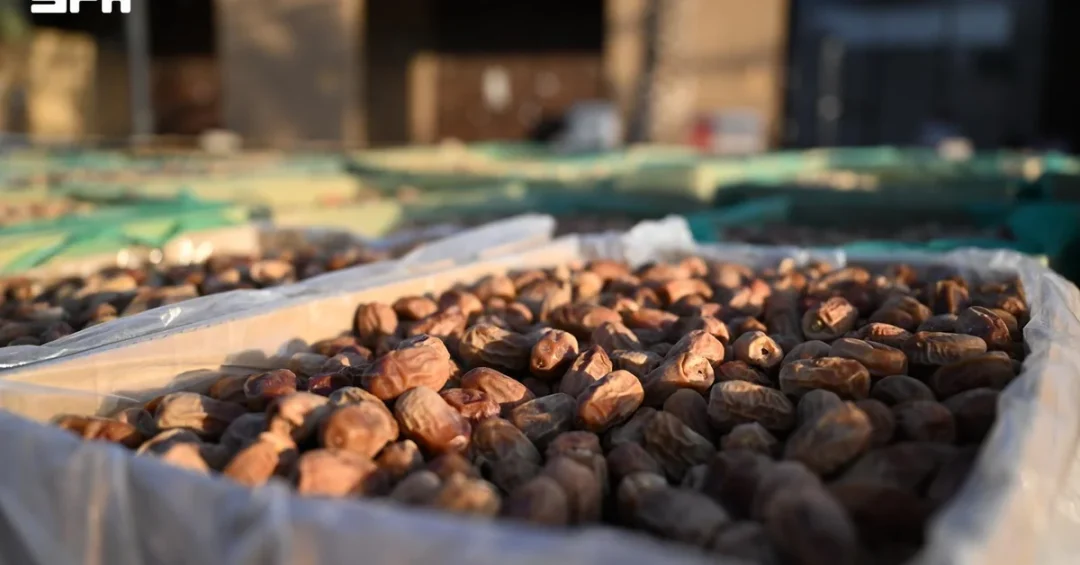
Najran Region produces more than 40,000 tons of dates annually from over 526,000 fruit-bearing palm trees, with the Al-Bayadh variety standing out as one of the most sought-after and nutritionally valuable cultivars in the Kingdom, according to official information released by the Saudi Press Agency. This remarkable agricultural output underscores the deep-rooted connection between the people of Najran and their land, a bond that has been cultivated over generations and continues to serve as a cornerstone of local food security and economic resilience.
Could the ancient groves of Najran hold a key to the Kingdom’s sustainable agricultural future? The answer lies in the unique characteristics of Al-Bayadh dates, which are prized for their light color, high quality, and sweet taste. These dates are not merely a local delicacy; they represent a fusion of heritage and innovation that aligns with Saudi Arabia’s Vision 2030 goals of economic diversification and food security. As the Kingdom continues to modernize, traditional practices like date palm cultivation are being reimagined through advanced agricultural techniques and value-added processing, ensuring that this heritage crop contributes meaningfully to the national economy.
Context and Background
What makes Najran’s agricultural heritage so enduring? The region’s date palm cultivation dates back centuries, thriving in the arid climate and fertile oases that characterize this part of southwestern Saudi Arabia. Over time, it has evolved into a vital economic activity, supporting thousands of families and contributing significantly to the local food system. The Saudi Press Agency reports that Najran now boasts over 526,000 fruit-bearing palm trees, a testament to the region’s commitment to maintaining this legacy. The annual production of more than 40,000 tons of dates highlights the scale of this industry, which is not just a source of livelihood but also a cultural emblem.
Among the many varieties grown in Najran, Al-Bayadh and Al-Mawakil are particularly prominent. Al-Bayadh, in particular, has gained widespread popularity for its distinctive qualities. Its light color and sweet taste make it a favorite in local markets, while its high quality ensures a premium status. This variety is more than just a fruit; it is a symbol of the region’s agricultural identity. The cultivation of Al-Bayadh dates involves traditional knowledge passed down through generations, combined with modern practices that enhance yield and quality. As Saudi Arabia seeks to bolster its agricultural sector, varieties like Al-Bayadh serve as a bridge between heritage and innovation, offering both nutritional benefits and economic opportunities.
Why does this matter now? In an era of global food supply challenges, Saudi Arabia is prioritizing food security as a national objective. The date palm sector, with its ability to thrive in harsh conditions, is a strategic asset. Najran’s success in producing high-quality dates demonstrates how regional strengths can contribute to national goals. Moreover, the growing international demand for natural and healthy products positions Al-Bayadh dates as a potential export commodity, further integrating Saudi agriculture into global markets.
Key Details
What exactly sets Al-Bayadh dates apart? According to farmer Ibrahim Al Shehi, who spoke to the Saudi Press Agency, Al-Bayadh is among the finest and rarest date varieties in the region. He noted that it comes in different grades, including higher-quality and larger-sized varieties, which cater to diverse consumer preferences. This grading system not only ensures quality control but also allows farmers to target specific market segments, from everyday consumers to luxury buyers. The rarity of Al-Bayadh adds to its allure, making it a sought-after product that can command premium prices.
Beyond fresh consumption, Al-Bayadh dates are used in several processed food products, including date cubes, sugar substitutes, and biscuits. These value-added products extend the shelf life of the dates and create new revenue streams for farmers and processors. Another innovative use highlighted by Al Shehi is date-seed coffee, made by roasting and grinding Al-Bayadh date seeds into a fine powder, then adding cardamom and ginger to produce an alternative to coffee. This product not only reduces waste by utilizing the entire fruit but also taps into the growing demand for caffeine-free, healthy beverages. Such innovations reflect the ingenuity of Najran’s farmers and their ability to adapt traditional crops to modern tastes.
The nutritional profile of Al-Bayadh dates further enhances their appeal. Dates are rich in natural sugars, fiber, vitamins, and minerals, making them an excellent source of energy and essential nutrients. Al-Bayadh’s sweet taste and light color are often associated with a milder flavor, which can be more versatile in culinary applications. As consumers worldwide become more health-conscious, the demand for natural sweeteners like date sugar is rising. Al-Bayadh dates, with their high quality, are well-positioned to meet this demand, both domestically and internationally.
International and Regional Impact
How does Najran’s date industry resonate beyond Saudi borders? The Kingdom is already one of the world’s largest producers and exporters of dates, and regions like Najran play a crucial role in maintaining this status. Al-Bayadh dates, with their unique characteristics, could become a flagship product in Saudi Arabia’s agricultural export portfolio. This would not only boost national income but also enhance the Kingdom’s image as a producer of premium, sustainable food products. In the Middle East and North Africa, where dates are a staple, Saudi dates are highly regarded. The Al-Bayadh variety, in particular, could capture new markets in Asia, Europe, and North America, where there is growing interest in exotic and healthy superfoods.
Regionally, Najran’s success serves as a model for other date-producing areas in Saudi Arabia. The region’s focus on quality, innovation, and sustainability can be replicated in other oases, contributing to a more robust national agricultural sector. Furthermore, the date palm is a symbol of resilience and sustainability, aligning with global efforts to combat desertification and promote climate-smart agriculture. Saudi Arabia’s commitment to preserving and expanding its date palm heritage is a positive example of how traditional practices can be harmonized with modern environmental goals.
Economic and Strategic Significance
Why is the economic significance of Al-Bayadh dates so important for Saudi Arabia? The date industry contributes to rural development by providing employment and income for thousands of farmers, processors, and traders. In Najran, the cultivation and processing of dates support local economies and help reduce rural-to-urban migration. The value-added products derived from Al-Bayadh dates, such as date cubes and date-seed coffee, create additional jobs in food processing and marketing. This diversification of revenue streams is essential for building a resilient local economy that can withstand fluctuations in global commodity prices.
Strategically, the date sector supports Saudi Arabia’s food security objectives. By increasing domestic production of nutritious foods, the Kingdom reduces its reliance on imports and enhances its self-sufficiency. Dates are a high-energy food that can be stored for long periods, making them an ideal component of national food reserves. Moreover, the export of dates brings foreign currency and strengthens trade relationships. As part of Vision 2030, the government aims to boost non-oil exports, and agricultural products like dates are key to this strategy. Al-Bayadh dates, with their premium quality, can contribute significantly to these export goals.
Vision 2030 Alignment
How does Najran’s Al-Bayadh date industry align with Vision 2030? The Vision aims to diversify the economy away from oil, develop non-oil sectors, and create a vibrant society. Agriculture, particularly high-value crops like dates, is a pillar of this diversification. The date palm sector also supports the Quality of Life Program by preserving cultural heritage and promoting sustainable food systems. In Najran, the cultivation of Al-Bayadh dates exemplifies how traditional practices can be modernized to meet contemporary economic and nutritional demands.
Furthermore, Vision 2030 emphasizes the importance of empowering local communities and enhancing their contribution to the national economy. The farmers of Najran, like Ibrahim Al Shehi, are at the forefront of this transformation. By adopting innovative processing techniques and improving quality standards, they are turning a heritage crop into a competitive advantage. As Saudi Arabia continues to invest in agricultural research, infrastructure, and marketing, the Al-Bayadh date is poised to become a global ambassador for the Kingdom’s rich heritage and forward-looking ambitions. In a world seeking sustainable and healthy food sources, Najran’s Al-Bayadh dates offer a taste of Saudi Arabia’s past and a glimpse of its prosperous future.
20 Questions
Q1. What is the annual date production of Najran Region?
A1. Najran Region produces more than 40,000 tons of dates annually, according to the Saudi Press Agency.
Q2. How many fruit-bearing palm trees are there in Najran?
A2. There are over 526,000 fruit-bearing palm trees in Najran Region.
Q3. Which date varieties are considered leading in Najran?
A3. Al-Bayadh and Al-Mawakil are among the leading date varieties in Najran.
Q4. What makes Al-Bayadh dates unique?
A4. Al-Bayadh dates are known for their light color, high quality, and sweet taste, making them the most sought-after in local markets.
Q5. Who is Ibrahim Al Shehi?
A5. Ibrahim Al Shehi is a farmer in Najran who spoke to the Saudi Press Agency about Al-Bayadh dates.
Q6. What grades of Al-Bayadh dates are available?
A6. Al-Bayadh dates come in different grades, including higher-quality and larger-sized varieties.
Q7. What processed food products are made from Al-Bayadh dates?
A7. Processed products include date cubes, sugar substitutes, and biscuits.
Q8. How is date-seed coffee made?
A8. Date-seed coffee is made by roasting and grinding Al-Bayadh date seeds into a fine powder, then adding cardamom and ginger.
Q9. What are the nutritional benefits of dates?
A9. Dates are rich in natural sugars, fiber, vitamins, and minerals, providing a healthy source of energy.
Q10. How does the date industry support food security in Saudi Arabia?
A10. It increases domestic production of nutritious foods, reduces import reliance, and provides storable food reserves.
Q11. What is the significance of Al-Bayadh dates for the local economy?
A11. They provide income for farmers, create jobs in processing, and support rural development.
Q12. Can Al-Bayadh dates be exported?
A12. Yes, their premium quality makes them suitable for export, potentially boosting non-oil exports.
Q13. How does date cultivation align with Vision 2030?
A13. It supports economic diversification, food security, and the preservation of cultural heritage.
Q14. What is the role of the Saudi Press Agency in this report?
A14. The Saudi Press Agency is the official news agency that released the information about Najran’s date production.
Q15. Are there any innovative uses for date seeds?
A15. Yes, date seeds can be roasted and ground to make a coffee alternative, reducing waste.
Q16. How does date farming contribute to environmental sustainability?
A16. Date palms are resilient, combat desertification, and support climate-smart agriculture.
Q17. What is the global demand for dates?
A17. Global demand for dates is growing due to their health benefits and natural sweetness.
Q18. How does Najran’s date industry compare to other regions?
A18. Najran is a key producer, and its focus on quality varieties like Al-Bayadh sets it apart.
Q19. What support does the Saudi government provide to date farmers?
A19. The government supports through agricultural research, infrastructure, and marketing initiatives under Vision 2030.
Q20. What is the future outlook for Al-Bayadh dates?
A20. With ongoing innovation and quality focus, Al-Bayadh dates are poised for growth in domestic and international markets.
Reader Feedback
We value your thoughts. Please share your feedback on this article.
Your feedback helps us improve our coverage.