


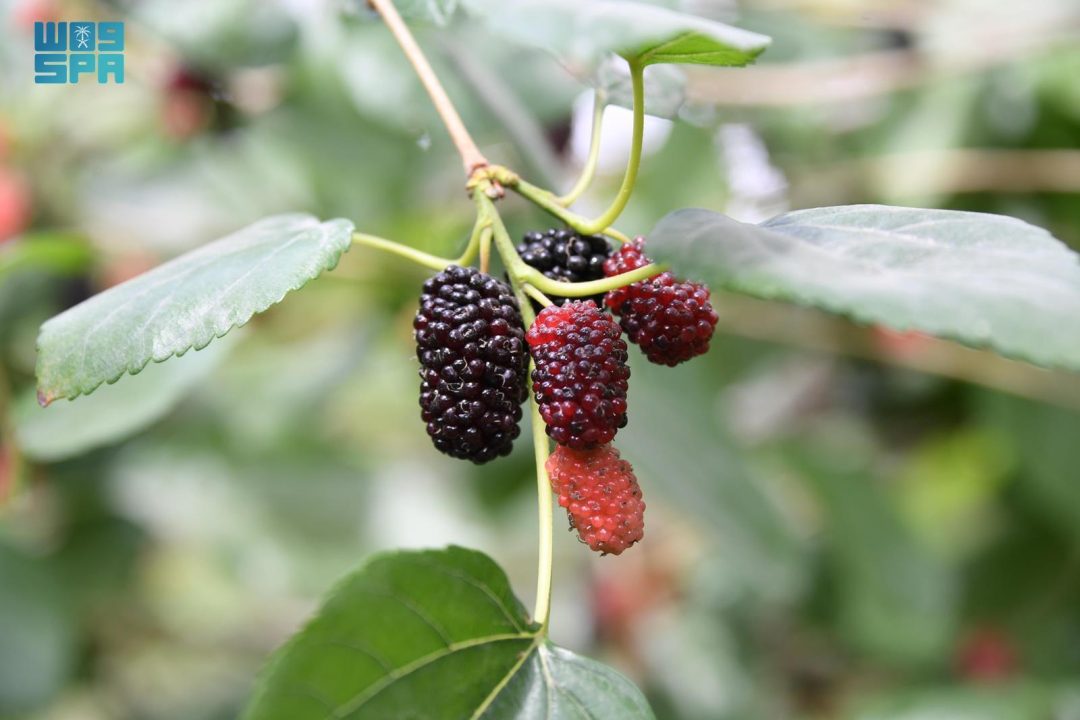
Al-Ahsa’s agricultural markets are currently abundant with Hasawi berries, a crop drawing strong interest from locals and visitors alike as farmers concentrate on a season that lasts less than a month, SPA reported on April 20, 2025. The berries appear in the markets of the eastern oasis in a narrow window each year, and the crowds they attract reflect how tightly the crop is tied to its home territory. How often does a fruit this local reach a table outside the governorate that grows it?
According to SPA, the red berries are known for their vibrant colors and delicious taste, and they are usually used to make sweets and ice cream. That dual identity — fresh fruit in the market and raw material for desserts — shapes how buyers in Al-Ahsa approach the season. Some shoppers come for the fruit itself, while others are buying with sweets and frozen treats in mind. Which use drives the strongest demand in a season this brief?
Farmer Abdullah Al-Hadlaq told SPA that there are several types of Hasawi berries, with the red and black varieties the most in demand. He noted that the black type often appears purple or dark blue. The color range alone sets the crop apart on market stalls, where the deep tones of the black variety sit beside the brighter red type. Do buyers choose by color first, or by the sweetness that comes only at full ripeness?
Al-Hadlaq added that the berries are sweet when ripe, but quantities are limited. That combination — sweetness at peak ripeness and a small overall volume — explains why the fruit is rarely exported outside Al-Ahsa. The crop stays close to where it is grown, and the market absorbs what farmers bring in. What happens to a harvest that never needs to travel far because local demand clears it first?
SPA reported that customers in Al-Ahsa are especially eager to purchase the berries. That eagerness is visible in the seasonal markets, which are currently abundant with the crop as farmers focus on it during the short window. The interest comes from both locals and visitors, according to the report, giving the market a mixed crowd during the weeks the berries are available. Who travels into Al-Ahsa specifically for a fruit that lasts less than a month?
The season’s defining constraint is its length: less than a month. Farmers concentrate on the crop precisely because the window is so tight, and the market fills while it lasts. Once the season closes, the berries disappear from the stalls until the next year. Does a crop become more valued when it cannot be bought for most of the calendar?
Al-Ahsa’s agricultural markets serve as the meeting point for this trade, and the Hasawi berry is one of the items that defines the season there. The report places the berries among the current abundance in those markets, with the red and black varieties leading demand. The fruit’s use in sweets and ice cream links the market stalls to the dessert makers who buy from them. How much of the season’s volume goes to fresh eating and how much to processing?
SPA’s account relies on a farmer’s description of the varieties and their limits, along with the observation that the markets are currently full of the crop. The report does not include prices, total volumes, the number of farmers growing Hasawi berries, or the exact dates the season opens and closes. It also does not say how far beyond Al-Ahsa the berries have ever traveled, beyond noting that they rarely leave. What would a buyer need to know before planning a trip around a season this short?
The berries’ reputation rests on qualities the report states plainly: vibrant colors, delicious taste, and sweetness when ripe. Those traits, combined with limited quantities, keep the crop anchored to Al-Ahsa’s markets and the customers who wait for it each year. The season is brief, the supply is small, and the demand is local and intense. Can a fruit remain a regional specialty simply because it never leaves home?
Why the Hasawi Berry Stays in Al-Ahsa
The answer SPA provides is straightforward: quantities are limited, so the berries are rarely exported outside Al-Ahsa. That scarcity is not a marketing choice described in the report; it is a condition of the harvest. Farmers focus on the crop during its short season, and the market absorbs what comes in. The result is a fruit that is well known where it grows and largely absent elsewhere. What does that mean for visitors who arrive after the season ends?
Within Al-Ahsa, the berries are in demand among customers who are especially eager to purchase them, according to the report. The red and black varieties lead that demand, with the black type showing purple or dark blue tones. The fruit’s role in sweets and ice cream gives it a second life beyond the market stall. Each of those details comes from the SPA report and the farmer it quotes. Which variety would a first-time buyer recognize on sight?
The report does not describe the farming methods behind the crop, the size of the orchards, or how the berries are transported to market. It also does not give a price range or compare this season with previous ones. What it does establish is the timing: the markets are currently abundant with Hasawi berries, and the season lasts less than a month. That leaves a narrow stretch for locals and visitors to buy. How quickly does a market change once the supply runs out?
Al-Hadlaq’s comments anchor the report in the experience of a grower. He identifies the varieties, notes which are most in demand, describes the color of the black type, and confirms the sweetness of ripe berries. He also states the limit on quantities that keeps the crop close to home. Those are the sourced facts, and they explain why the markets look the way they do right now. Would the season feel different if the quantities were larger?
For Al-Ahsa, the Hasawi berry season is a recurring moment in the agricultural calendar, one that fills the markets and draws attention from beyond the governorate. The berries’ use in sweets and ice cream ties the harvest to local food traditions that the report mentions without elaborating. The crop’s brief appearance makes it an event rather than a staple. What other seasonal crops in the region follow the same pattern of scarcity and local loyalty?
SPA’s report leaves several questions open: no prices, no volumes, no count of farmers, no exact season dates, and no detail on how the berries are sold beyond the markets. It also does not say whether any quantity is set aside for export despite the general rarity. Those gaps mean the story rests on what the farmer and the market observation provide. Is the absence of those numbers part of why the crop stays a local secret?
The berries are red, black, purple, or dark blue depending on the variety, sweet when ripe, and destined mostly for sweets and ice cream. They are abundant in Al-Ahsa’s markets now, sought by locals and visitors, and limited enough that they rarely leave the area. The season will end in less than a month. When it does, the markets will move on to whatever comes next. How long before buyers start waiting for the next Hasawi berry season?
What are Hasawi berries and where are they sold? Hasawi berries are red and black berries currently abundant in Al-Ahsa’s agricultural markets, according to SPA. Farmer Abdullah Al-Hadlaq told SPA there are several types, with the red and black varieties most in demand. The black type often appears purple or dark blue. The berries are known for vibrant colors and delicious taste, and they are usually used to make sweets and ice cream. They draw strong interest from locals and visitors alike during a season that lasts less than a month.
Why are Hasawi berries rarely exported outside Al-Ahsa? SPA reports that quantities of Hasawi berries are limited, which is why they are rarely exported outside Al-Ahsa. Farmer Abdullah Al-Hadlaq said the berries are sweet when ripe, but the limited quantities keep the crop close to where it is grown. Customers in Al-Ahsa are especially eager to purchase them, and the local market absorbs what farmers bring in during the short season. The report does not give total volumes or say whether any quantity is set aside for export.
How long does the Hasawi berry season last? According to SPA, the Hasawi berry season lasts less than a month, and farmers focus on the crop during that brief window. The markets in Al-Ahsa are currently abundant with the berries as the season is under way. Because the window is so tight, the fruit appears in the markets for only a few weeks each year. The report does not specify the exact dates the season opens or closes, nor does it compare this season with previous ones.
What are the main varieties of Hasawi berries? Farmer Abdullah Al-Hadlaq told SPA that there are several types of Hasawi berries, with the red and black varieties the most in demand. He noted that the black type often appears purple or dark blue. The red berries are known for their vibrant colors and delicious taste. Both varieties are used to make sweets and ice cream, according to the report. The berries are sweet when ripe, but quantities are limited, which shapes how they are sold and where they go.
Who buys Hasawi berries in Al-Ahsa? SPA reports that Hasawi berries draw strong interest from locals and visitors alike, and that customers in Al-Ahsa are especially eager to purchase them. The berries appear in the governorate’s agricultural markets during a season lasting less than a month. Because quantities are limited and the fruit is rarely exported, the buyers are mainly those who can reach the markets while the season is open. The report does not provide visitor numbers or say how far customers travel to buy the berries.
Related articles
 Kuwait Welcomes UN Security Council Statement on Houthi Attacks on Saudi Arabia
 GCC Secretary General Condemns Israeli Attack on Koya Village in Syria
 US Thanks Saudi Crown Prince for Hosting Russian-Ukrainian Talks in Riyadh
 Saudi Arabia Condemns Israeli Bombing of Syria’s Koya
 HADIYAH and Adwaa Alkhair Sign Partnership to Aid Elderly and Disabled Pilgrims
 Banda Sea Earthquake Measures 5.0 Magnitude