


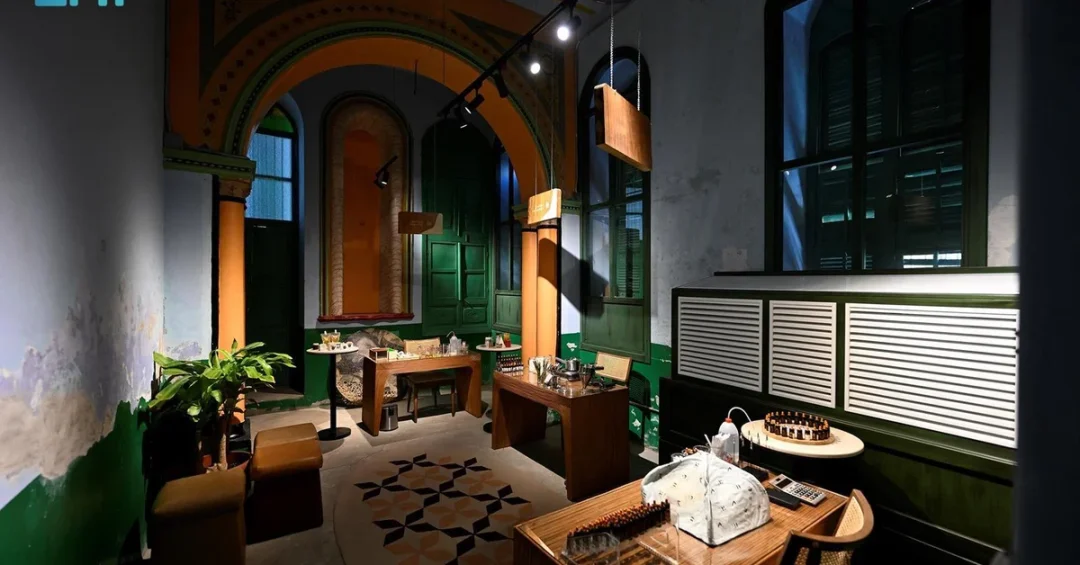
The Heritage Commission‘s House of Artisans initiative is empowering young men and women in Taif by training them in traditional crafts built around the governorate’s renowned roses, producing artisanal perfumes, candles, and soaps designed to meet international commercial standards while creating quality economic opportunities. The specialized workshop, known locally in Taif as the House of Altaif Roses, operates as both a cultural landmark and a hub for education and training, reflecting the commission’s commitment to preserving Saudi heritage while equipping a new generation with marketable skills. What does it mean for a region’s identity when its oldest traditions become the foundation of its newest careers?
The initiative represents a deliberate fusion of cultural preservation and economic development, positioning the youth of Taif at the center of a growing artisanal economy. By guiding both young men and women through every stage of production—from measuring wax and oils to the meticulous final packaging—the House of Artisans transforms intangible heritage into tangible products that carry the distinctive scent and story of the governorate. How often does a training program manage to honor the past and prepare for the future at the same time?
Context and Background
The House of Artisans is a notable initiative by the Heritage Commission, an official body dedicated to safeguarding and promoting the Kingdom’s cultural legacy. In Taif, its primary mission is to empower the governorate’s youth, offering young men and women the opportunity to engage in craftsmanship under the commission’s expert guidance. This work sits within a broader national effort to document, celebrate, and sustain the crafts, skills, and traditions that define Saudi Arabia’s regional identities. Why is it important for a modernizing nation to invest so deliberately in the crafts of its ancestors?
Taif has long been celebrated for its roses, a crop deeply woven into the local economy and culture, producing fragrances prized across the region and beyond. The House of Altaif Roses workshop channels that heritage into a structured educational environment where traditional knowledge passes from master artisans to a new generation. Rather than treating heritage as a static museum piece, the initiative treats it as a living practice—one that can be taught, refined, and adapted. What happens to a community’s sense of pride when its signature crop becomes the raw material for skilled, respected professions?
The commission’s approach reflects an understanding that cultural landmarks can double as economic engines. By designating the House of Artisans as both a cultural center and a training facility, the initiative ensures that visitors encounter authentic Saudi craftsmanship while young participants gain hands-on experience in a working production environment. This dual purpose gives the program a resilience that purely educational or purely commercial ventures often lack. Could a single institution truly serve tourists, trainees, and the national interest simultaneously?
Products That Carry a Region’s Identity
The House of Artisans offers a range of products that capture the essence of Taif roses, including perfumes, candles, and soaps. These items reflect the local identity of Taif’s residents and enhance national pride by spotlighting the skills of local artisans. Each product is not merely a consumer good but a vessel of place—a tangible expression of the soil, climate, and culture from which it originates. How much of a region’s character can be captured in a single bottle of fragrance?
Dedicated production lines focus on extracting high-quality fragrances and crafting candles and soaps using innovative and attractive traditional methods. The emphasis on quality is deliberate: by aiming at international commercial standards, the workshop ensures that products born of local heritage can compete confidently in discerning markets. This standard-setting ambition turns craft into a credible export proposition, giving Taif’s youth a stake in a sophisticated value chain. What changes for a young artisan when the world, rather than just the neighborhood, becomes the audience for their work?
The items themselves—perfumes, candles, and soaps—were chosen with intention. They are everyday objects that travel well, gift easily, and communicate identity instantly, making them ideal ambassadors for Taif’s heritage. In a global marketplace increasingly drawn to authenticity and natural origins, products rooted in a specific place and story hold genuine appeal. Isn’t there something powerful about a product whose value comes precisely from where it was made and by whom?
Modern Methods, Heritage Spirit
The House of Artisans does not limit itself to traditional practices; it embraces modernity and innovation. It features production lines that blend craftsmanship with contemporary demand for natural products, utilizing essential oils extracted from local plants and other natural ingredients to create products embodying heritage with a contemporary spirit and a unique cultural mark. This blending is central to the initiative’s philosophy: the past supplies the soul, while modern technique supplies the reach. How can an artisan honor tradition while still answering the tastes of today’s consumer?
Inside the center, designed as a cultural artisan hub inspired by local heritage, the youth of Taif—both men and women—engage with various tools and equipment across precise production stages. The process begins with measuring wax and oil materials, which are then poured into special molds and subjected to careful temperature monitoring until the manufacturing cycle is complete. A meticulous packaging stage follows, carried out according to the highest quality standards. Why do these small, precise steps matter so much to the final result?
This structured workflow gives trainees a genuine understanding of quality control, precision, and consistency—skills that translate far beyond candle-making. The careful temperature monitoring, the calibrated measurements, and the disciplined packaging all teach habits of excellence that employers across industries value. In this sense, the workshop is quietly building a broader workforce capability while producing beautiful objects. What lasting advantage is gained when a young person learns that craftsmanship is really a discipline of care?
International and Regional Impact
Products that meet international commercial standards position Taif’s artisans within a global conversation about authentic, sustainably made goods. As consumers worldwide show growing interest in natural ingredients and culturally rooted products, the House of Artisans is well placed to introduce Saudi heritage to new audiences. The initiative’s emphasis on essential oils derived from local plants aligns with that international appetite for authenticity and quality. Could Saudi craftsmanship become a recognizable mark of excellence on shelves around the world?
Regionally, the House of Artisans reinforces Taif’s identity as a center of fragrance heritage, strengthening the governorate’s cultural and economic profile within the Kingdom. By training local youth and producing goods tied to the region’s signature rose, the initiative supports a more diversified local economy and gives residents a direct stake in their own cultural economy. The presence of a functioning artisan hub also enriches the region’s cultural tourism offerings, giving visitors a reason to linger and learn. What happens to a region’s economy when its cultural assets are treated as serious investments?
Economic and Strategic Significance
The creation of quality economic opportunities for young men and women sits at the heart of the initiative’s purpose. By equipping youth with specialized craft skills, the House of Artisans opens pathways to self-employment, cooperative enterprise, and employment within a growing artisanal sector. The focus on products that can be sold—not merely displayed—means the training is anchored in real market activity. How does giving a young person a marketable skill change the trajectory of their entire community?
Strategically, the initiative demonstrates a model in which heritage preservation and economic development reinforce one another rather than compete. Each trained artisan becomes a custodian of tradition and a participant in the modern economy, ensuring that cultural knowledge is passed on because it remains useful and valued. This alignment of culture and commerce is a hallmark of thoughtful, sustainable development. Isn’t the most durable way to protect a tradition to make it a living part of people’s livelihoods?
Vision 2030 Alignment
The House of Artisans aligns directly with the goals of Saudi Vision 2030, which emphasizes cultural preservation, youth empowerment, economic diversification, and the expansion of a vibrant, self-reliant private sector. By turning heritage crafts into viable economic activities, the initiative advances the vision’s aim of creating opportunities for young Saudis while celebrating the Kingdom’s unique cultural identity on the national and international stage. How does a single workshop embody so many of a nation’s long-term ambitions at once?
The initiative also strengthens the Kingdom’s cultural tourism and creative economy, two areas central to Vision 2030’s broader strategy of building a diversified, knowledge-rich economy. As Taif’s young artisans refine their craft and bring products to market, they contribute to a national story of heritage meeting modernity—a story the Kingdom is proud to tell the world. The House of Artisans, in this sense, is more than a training center; it is a living symbol of Saudi Arabia’s forward-looking respect for its own roots. Where else might this model of heritage-driven empowerment take root across the Kingdom next?
20 Questions
Q1. What is the House of Artisans?
A1. It is a notable initiative by the Heritage Commission, serving as a cultural landmark and a hub for education and training that empowers young men and women in Taif to engage in traditional craftsmanship under the commission’s guidance.
Q2. What is the House of Altaif Roses?
A2. It is the specialized workshop within the House of Artisans in Taif that focuses on traditional crafts associated with the governorate’s roses, producing artisanal products designed to meet international commercial standards.
Q3. Which official body oversees the initiative?
A3. The initiative is overseen by the Heritage Commission, an official Saudi body dedicated to safeguarding and promoting the Kingdom’s cultural legacy through education, training, and cultural landmarks.
Q4. Who are the main beneficiaries in Taif?
A4. The primary beneficiaries are the governorate’s youth, both young men and women, who receive training and the opportunity to engage in craftsmanship, gaining skills and access to quality economic opportunities.
Q5. What products does the House of Artisans make?
A5. It offers products capturing the essence of Taif roses, including perfumes, candles, and soaps, which reflect local identity and enhance national pride by spotlighting the skills of local artisans.
Q6. How does the initiative honor local identity?
A6. Its products reflect the local identity of Taif’s residents and enhance national pride by spotlighting the skills of local artisans, tying each item to the distinctive heritage of the governorate’s roses.
Q7. What standards do the products target?
A7. The workshop aims to produce artisanal products that meet international commercial standards while creating quality economic opportunities, positioning Taif’s crafts to compete confidently in discerning markets.
Q8. Does the initiative use traditional methods only?
A8. No. While embracing traditional practices, the House of Artisans also embraces modernity and innovation, blending craftsmanship with contemporary demand for natural products and modern techniques.
Q9. What ingredients are used in production?
A9. Production lines utilize essential oils extracted from local plants and other natural ingredients to create products that embody heritage with a contemporary spirit and a unique cultural mark.
Q10. What is the design inspiration for the center?
A10. The center is designed as a cultural artisan hub inspired by local heritage, reflecting Saudi crafts in a modern and appealing way for visitors who encounter authentic craftsmanship there.
Q11. What are the first production stages?
A11. The precise production stages begin with measuring wax and oil materials, which are then poured into special molds and subjected to careful temperature monitoring until the manufacturing process is complete.
Q12. What happens after manufacturing?
A12. After manufacturing, a meticulous packaging stage takes place, carried out according to the highest quality standards to ensure the final products meet demanding international expectations.
Q13. How does the initiative support young women?
A13. The initiative provides both young men and women of Taif the opportunity to engage in craftsmanship under the commission’s guidance, opening pathways to skills and economic participation.
Q14. Why are Taif roses significant?
A14. Taif roses are deeply woven into the local economy and culture, producing fragrances prized across the region, and the workshop channels that heritage into a structured educational environment for youth.
Q15. What economic opportunities are created?
A15. The initiative creates quality economic opportunities by equipping youth with specialized craft skills, opening pathways to self-employment, cooperative enterprise, and employment within a growing artisanal sector.
Q16. How does the initiative connect to cultural tourism?
A16. As a cultural landmark and artisan hub, it enriches the region’s cultural tourism offerings, giving visitors a reason to linger and learn while encountering authentic Saudi craftsmanship in a modern setting.
Q17. What skills do trainees learn?
A17. Trainees learn precision, quality control, measurement, temperature monitoring, and disciplined packaging, building both craft expertise and broader workforce capabilities valued across industries.
Q18. How does the initiative blend heritage and modernity?
A18. It uses essential oils and natural ingredients with modern production techniques to create products embodying heritage with a contemporary spirit, ensuring tradition remains useful and valued in the modern economy.
Q19. What is the broader national significance?
A19. The initiative advances cultural preservation, youth empowerment, and economic diversification, showing how heritage crafts can become viable economic activities while celebrating the Kingdom’s unique cultural identity.
Q20. How does it align with Vision 2030?
A20. It aligns with Saudi Vision 2030 goals of cultural preservation, youth empowerment, economic diversification, and a vibrant private sector, contributing to the Kingdom’s story of heritage meeting modernity.
Reader Feedback
We value your thoughts. Please share your feedback on this article.
Your feedback helps us improve our coverage.
Related articles
 Saudi Culture Ministry Partners with TikTok to Boost Cultural Sector
 Red Sea Labs Unveils Teams for SeriesLab 2025
 Diriyah Art Futures Launches ‘Maknana’ Exhibition
 Islamic Affairs Ministry’s Booth Attracts Visitors at Rabat Book Fair
 International Saudi Falcons and Hunting Expo Returns to Riyadh in October
 Aseer Development Authority, Saudi ICOMOS Partner for Heritage Preservation