


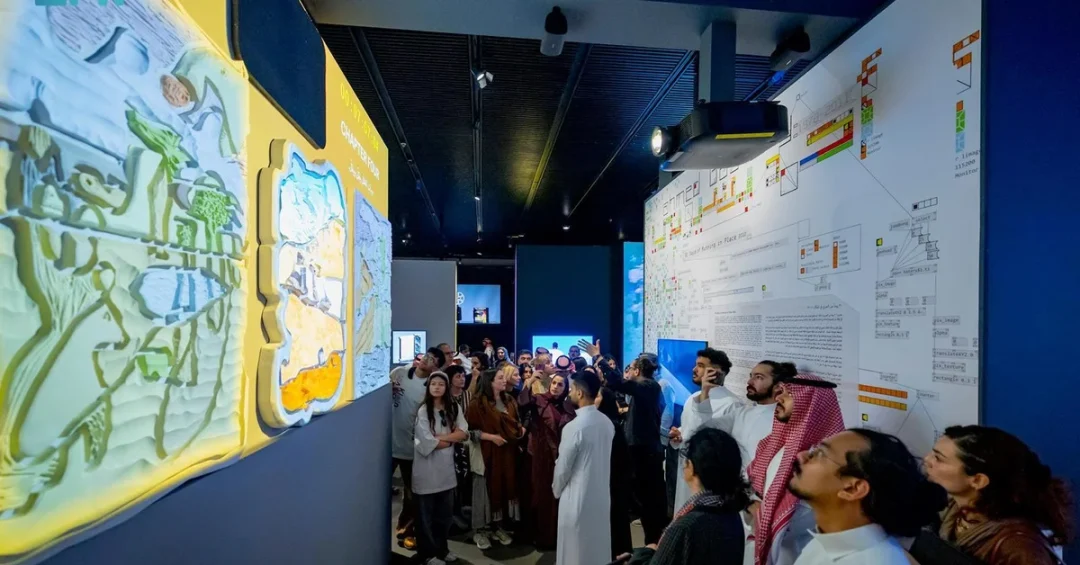
Diriyah Art Futures (DAF), the Middle East and North Africa region’s first hub dedicated to new media arts, launched its second exhibition, “Maknana: an Archaeology of New Media Art in the Arab World,” on April 21, 2025, in Diriyah, Saudi Arabia. The exhibition, announced via the Saudi Press Agency (SPA), will run until July 19 and features more than 70 works by over 40 pioneering Arab artists. It explores how Arab artists have interacted with, repurposed, and challenged technology to shape their own creative vocabularies, organized across four thematic sections: automation, autonomy, ripples, and glitch. The launch underscores Saudi Arabia’s growing role as a global center for artistic innovation and cultural dialogue.
Have you ever considered how technology shapes the way artists express identity and memory? This exhibition invites audiences to do exactly that, presenting a sweeping survey of new media art from the Arab world. The Arabic term “Maknana” refers to the act of entrusting a task to a machine or becoming part of it, and it serves as the conceptual anchor for the show. By bringing together works that span video, digital imagery, data, programming, and sound, DAF offers a platform for understanding how regional creators have engaged with technological change over decades. The exhibition is not merely a display of art; it is a narrative of adaptation, critique, and ingenuity that resonates far beyond the gallery walls.
Context and Background
Why does the Arab world’s engagement with new media art matter on the global stage? Diriyah Art Futures was established as a dedicated space for new media arts in the MENA region, reflecting Saudi Arabia’s commitment to fostering cultural innovation under Vision 2030. The launch of “Maknana” follows DAF’s inaugural exhibition, building momentum for a program that positions Diriyah as a cultural destination. The exhibition draws on a rich history of Arab artists who have experimented with non-traditional mediums, often in response to rapid technological and social change. By tracing this history, DAF highlights a lineage of creativity that has long been overlooked in mainstream narratives of art history.
The exhibition’s title, “Maknana,” encapsulates a dual meaning: the act of delegating to a machine and the process of merging with it. This duality mirrors the ambivalent relationship many artists have with technology—embracing its potential while questioning its implications. The works on display engage with contemporary sociopolitical contexts, from digital protest and machine logic to memory preservation, speculative environments, and glitch aesthetics. These themes are not abstract; they reflect lived experiences across the Arab world, where technology has been both a tool of empowerment and a site of tension. By foregrounding these narratives, DAF contributes to a more nuanced global understanding of the region’s artistic production.
Key Details and Artistic Highlights
What can visitors expect to see within the four thematic sections? The exhibition is structured around automation, autonomy, ripples, and glitch, each offering a distinct lens on technological engagement. In “automation,” artists examine the role of machines in creative processes, questioning authorship and control. “Autonomy” explores self-governance and independence, both in artistic practice and in broader societal contexts. “Ripples” considers the far-reaching effects of technological interventions, while “glitch” embraces error and disruption as aesthetic and political strategies. Together, these sections map a complex terrain of artistic responses to a rapidly digitizing world.
The over 70 works include video installations, digital imagery, data-driven pieces, programming-based art, and sound compositions. Artists use these mediums to address identity, memory, and social transformation, often drawing on personal and collective histories. For instance, some works repurpose archival footage to comment on memory preservation, while others employ algorithms to generate speculative environments. The diversity of approaches reflects the breadth of new media art in the Arab world, which has evolved alongside—and sometimes in opposition to—global technological trends. By presenting these works in dialogue, DAF creates a space for cross-cultural and intergenerational exchange.
Mona Khazindar, advisor at the Ministry of Culture, emphasized the exhibition’s significance: “This exhibition reflects the rich history of Arab artists who have explored non-traditional technological mediums, driven by an authentic desire to innovate and respond to the pressing issues of their time.” She added that it embodies Saudi Arabia’s ongoing efforts to celebrate the pioneering contributions of Arab artists and to open new doors for innovators in art and technology. Her statement underscores the exhibition’s dual role: honoring past achievements while fostering future creativity. The Ministry of Culture’s support signals a strategic investment in cultural infrastructure that aligns with Vision 2030’s goals of diversifying the economy and enriching society.
International and Regional Impact
How does “Maknana” position Saudi Arabia within the global art ecosystem? By hosting an exhibition of this scale and scope, Diriyah Art Futures attracts international attention to the region’s new media art scene. Curators, collectors, and scholars from around the world are likely to take note, facilitating dialogue and collaboration. The exhibition also serves as a counterpoint to Western-centric narratives of digital art, offering alternative histories and perspectives. In a globalized art world, such platforms are essential for ensuring that diverse voices are heard and valued. Saudi Arabia’s investment in this area enhances its soft power and cultural diplomacy.
Regionally, the exhibition strengthens ties among Arab artists and institutions. It provides a rare opportunity for artists from different countries to showcase their work side by side, fostering a sense of shared heritage and mutual inspiration. The themes addressed—identity, memory, social transformation—resonate across borders, making the exhibition relevant to audiences throughout the MENA region. Moreover, by situating new media art within an Arab context, DAF challenges stereotypes and expands the understanding of what contemporary Arab art can be. This regional solidarity is complemented by international outreach, as DAF positions itself as a bridge between local and global artistic communities.
Economic and Strategic Significance
What economic and strategic benefits does the exhibition bring to Diriyah and beyond? Cultural tourism is a key pillar of Saudi Arabia’s economic diversification strategy. Exhibitions like “Maknana” attract visitors to Diriyah, boosting local hospitality, retail, and transportation sectors. The presence of a world-class cultural hub also enhances the quality of life for residents and creates job opportunities in the creative economy. As part of the larger Diriyah development project, DAF contributes to the transformation of the area into a vibrant destination that blends heritage with modernity. This aligns with Vision 2030’s objective of increasing tourism’s contribution to GDP.
Strategically, DAF’s focus on new media arts positions Saudi Arabia at the forefront of a rapidly evolving field. Technology and art intersect in ways that drive innovation, and by supporting this intersection, the Kingdom nurtures a creative ecosystem that can compete globally. The exhibition also serves as a platform for Saudi artists to engage with international peers, facilitating knowledge transfer and capacity building. Over time, this can lead to a more robust local art market and increased cultural exports. The Ministry of Culture’s involvement ensures that such initiatives are integrated into broader national strategies for cultural development.
Vision 2030 Alignment
How does “Maknana” embody the aspirations of Vision 2030? Saudi Arabia’s Vision 2030 aims to diversify the economy, empower citizens, and promote cultural enrichment. Diriyah Art Futures, as a hub for new media arts, directly supports these goals by fostering creativity, innovation, and cross-cultural exchange. The exhibition celebrates Arab artists’ contributions while paving the way for future generations to explore technology as a medium for expression. By investing in cultural infrastructure, the Kingdom demonstrates its commitment to building a knowledge-based society and enhancing its global standing. The launch of “Maknana” is thus more than an art event; it is a statement of Saudi Arabia’s intention to lead in the creative industries.
In conclusion, “Maknana: an Archaeology of New Media Art in the Arab World” represents a significant milestone in Saudi Arabia’s cultural journey. It showcases the depth and diversity of Arab new media art, while reinforcing the Kingdom’s role as a patron of innovation. As the exhibition runs until July 19, visitors have the opportunity to experience a transformative array of works that challenge, inspire, and connect. Through initiatives like this, Saudi Arabia continues to build bridges between tradition and technology, local and global, past and future. The world is invited to witness how the Kingdom is shaping a new narrative—one where art and technology converge to illuminate the human experience.
20 Questions
Q1. What is Diriyah Art Futures?
A1. Diriyah Art Futures (DAF) is the Middle East and North Africa region’s first hub dedicated to new media arts. Located in Diriyah, Saudi Arabia, it supports artistic innovation and cultural exchange, aligning with Vision 2030’s goals to enrich society and diversify the economy.
Q2. What is the “Maknana” exhibition?
A2. “Maknana: an Archaeology of New Media Art in the Arab World” is DAF’s second exhibition, launched on April 21, 2025. It features over 70 works by more than 40 Arab artists, exploring how technology has shaped creative expression across the region.
Q3. What does “Maknana” mean?
A3. “Maknana” is an Arabic term meaning the act of entrusting a task to a machine or becoming part of it. It reflects the exhibition’s inquiry into how Arab artists have interacted with, repurposed, and challenged technology.
Q4. How long will the exhibition run?
A4. The exhibition will run until July 19, 2025, at Diriyah Art Futures in Diriyah, Saudi Arabia. It offers ample time for visitors to engage with the diverse works on display.
Q5. What are the four thematic sections?
A5. The exhibition is organized into four sections: automation, autonomy, ripples, and glitch. Each section examines different aspects of the relationship between art and technology, from machine logic to error aesthetics.
Q6. Who are some of the artists featured?
A6. The exhibition includes works by over 40 pioneering Arab artists. While specific names are not listed in the announcement, the show highlights a broad spectrum of talent from across the Arab world.
Q7. What mediums are used in the exhibition?
A7. Artists employ video, digital imagery, data, programming, and sound. These new media tools address themes of identity, memory, and social transformation, showcasing the innovative use of technology in art.
Q8. What did Mona Khazindar say about the exhibition?
A8. Mona Khazindar, advisor at the Ministry of Culture, said the exhibition reflects the rich history of Arab artists exploring non-traditional mediums. It embodies Saudi Arabia’s efforts to celebrate Arab artists and open new doors for innovators.
Q9. How does the exhibition relate to Vision 2030?
A9. It supports Vision 2030 by promoting cultural enrichment, innovation, and economic diversification. DAF’s focus on new media arts helps position Saudi Arabia as a leader in creative industries and enhances quality of life.
Q10. What is the significance of DAF for the MENA region?
A10. DAF is the first hub of its kind in the MENA region, providing a dedicated space for new media arts. It fosters regional collaboration and showcases Arab artists’ contributions to global art discourse.
Q11. What themes are explored in the artworks?
A11. The works engage with digital protest, machine logic, memory preservation, speculative environments, and glitch aesthetics. These themes reflect contemporary sociopolitical contexts and the evolving relationship between art and technology.
Q12. How does the exhibition address memory preservation?
A12. Several works use digital tools to archive and reinterpret memories, exploring how technology can both preserve and alter collective and personal histories. This is a key theme within the exhibition’s sections.
Q13. What is glitch aesthetics?
A13. Glitch aesthetics embraces errors, disruptions, and malfunctions as creative and political strategies. Artists use glitches to challenge perfection and highlight the underlying systems that shape digital culture.
Q14. Who organized the exhibition?
A14. The exhibition is organized by Diriyah Art Futures, with support from the Ministry of Culture. It is part of Saudi Arabia’s broader efforts to develop cultural infrastructure and promote artistic innovation.
Q15. Where is Diriyah Art Futures located?
A15. DAF is located in Diriyah, a historic area in Riyadh, Saudi Arabia. Diriyah is undergoing significant development as a cultural and tourism destination, blending heritage with modernity.
Q16. What impact does the exhibition have on cultural tourism?
A16. It attracts international and regional visitors to Diriyah, boosting local hospitality and retail. Cultural tourism is a key pillar of Saudi Arabia’s economic diversification under Vision 2030.
Q17. How does the exhibition support Arab artists?
A17. By providing a platform for over 40 Arab artists, the exhibition elevates their work and facilitates dialogue with global audiences. It also fosters a sense of shared heritage and mutual inspiration across the region.
Q18. What role does technology play in the exhibition?
A18. Technology is both the medium and the subject. Artists use and critique technology, exploring its impact on identity, society, and creativity. The exhibition highlights technology’s dual role as tool and theme.
Q19. Is the exhibition open to the public?
A19. Yes, the exhibition is open to the public until July 19, 2025. Visitors can purchase tickets or check the DAF website for opening hours and guided tours.
Q20. What future plans does DAF have?
A20. While specific future plans are not detailed, DAF is expected to continue hosting exhibitions and programs that advance new media arts. Its work supports Saudi Arabia’s cultural and economic goals under Vision 2030.
Reader Feedback
We value your thoughts. Please share your feedback on this article.
Your feedback helps us improve our coverage.
Related articles
 Islamic Affairs Ministry’s Booth Attracts Visitors at Rabat Book Fair
 International Saudi Falcons and Hunting Expo Returns to Riyadh in October
 Aseer Development Authority, Saudi ICOMOS Partner for Heritage Preservation
 OIC Joins Global Effort to Protect Cultural Heritage
 Saudi Arabia Showcases Heritage at Buenos Aires Book Fair
 Jumum Museum: 12,000 Artifacts Showcase Saudi Heritage