


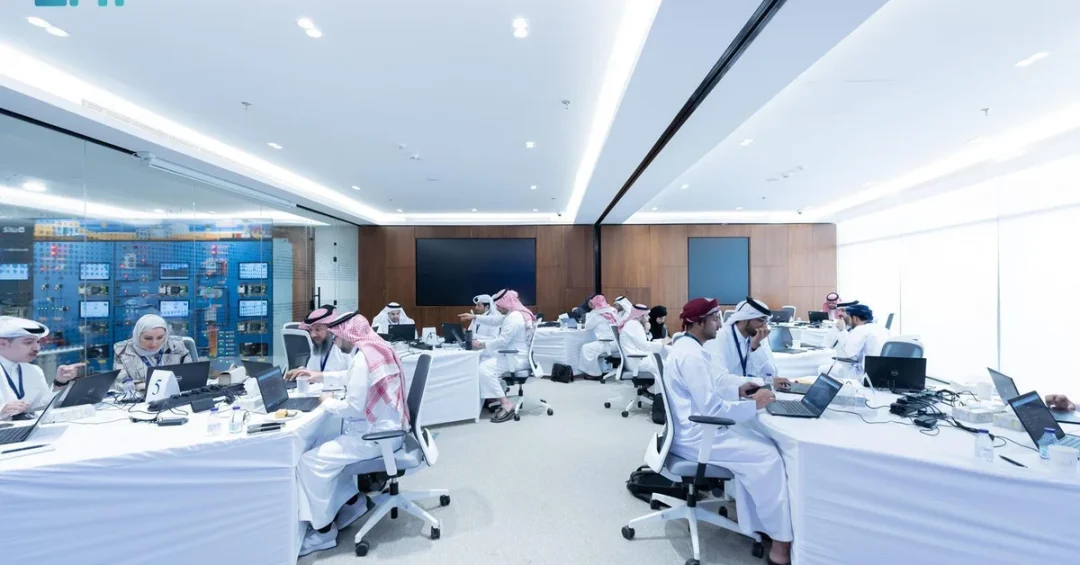
Saudi Arabia’s National Cybersecurity Authority (NCA) launched the fourth annual GCC Cyber Security Exercise in Riyadh on Tuesday, bringing together cybersecurity specialists from all Gulf Cooperation Council (GCC) member states and the GCC General Secretariat. The two-day drill, announced via the Saudi Press Agency, aims to strengthen collective cyber readiness, enhance preparedness for evolving threats, and build specialized capabilities across the region. It also serves as a platform for knowledge exchange among participants, reinforcing joint action to protect Gulf cyberspace. The exercise underscores Saudi Arabia’s leadership in regional cybersecurity cooperation and its commitment to safeguarding digital infrastructure under Vision 2030.
The exercise comes at a time when digital transformation is accelerating across the Gulf, increasing both opportunities and vulnerabilities. As economies diversify and smart cities emerge, the need for robust cybersecurity frameworks becomes paramount. Saudi Arabia, through its National Cybersecurity Authority, has been at the forefront of these efforts, developing national strategies and fostering international partnerships. This annual exercise is a key component of that strategy, ensuring that GCC nations are prepared to face sophisticated cyber threats collectively. It reflects a shared understanding that cybersecurity is not just a technical issue but a cornerstone of economic stability and national security.
Context and Background
What makes this fourth edition of the GCC Cyber Security Exercise particularly significant? It builds on a series of foundational achievements in regional cybersecurity collaboration. In November 2024, the GCC Ministerial Committee for Cybersecurity held its third meeting in Doha, where member states adopted the Gulf Cybersecurity Strategy and launched a platform for sharing cyber threat information. These steps laid the groundwork for deeper operational cooperation, and the Riyadh exercise represents the next phase: translating strategy into practical, hands-on readiness. The NCA, established in 2017, has been instrumental in driving these initiatives, positioning Saudi Arabia as a hub for cybersecurity expertise in the region.
The exercise also reflects the broader geopolitical and economic context. The Gulf region is a global hub for energy, finance, and trade, making it a prime target for cyberattacks. From state-sponsored espionage to ransomware, threats are diverse and constantly evolving. By simulating real-world scenarios, the exercise enables participants to test their response mechanisms, share best practices, and identify gaps. It also fosters trust and interoperability among GCC nations, which is essential for rapid coordination during a cross-border cyber incident. As digital interdependence grows, such collective defense mechanisms become indispensable.
Moreover, the exercise aligns with the GCC’s broader security architecture, which includes cooperation on defense, counterterrorism, and economic integration. Cybersecurity is increasingly recognized as a pillar of national resilience, and the Gulf states are investing heavily in advanced technologies, training, and infrastructure. The Riyadh exercise is a testament to their commitment to staying ahead of the curve. It also sends a strong message to the international community: the Gulf is united in protecting its cyberspace and is willing to collaborate with global partners to uphold a secure and open digital environment.
Key Details
How does the exercise actually work? According to the NCA’s announcement, the exercise involves cybersecurity specialists from all six GCC member states—Bahrain, Kuwait, Oman, Qatar, Saudi Arabia, and the United Arab Emirates—as well as representatives from the GCC General Secretariat. Participants engage in simulated cyberattack scenarios that mimic real-world threats, such as ransomware, phishing, and advanced persistent threats (APTs). These simulations are designed to test incident response, threat intelligence sharing, and decision-making under pressure. The exercise also includes workshops and seminars led by experts from the NCA and international partners, covering topics like digital forensics, malware analysis, and critical infrastructure protection.
The NCA emphasized that the exercise is not just about technical skills but also about building a culture of cybersecurity awareness. It provides a unique opportunity for participants to learn from each other’s experiences and to develop a common understanding of the threat landscape. The outcomes will feed into national and regional policies, helping to refine strategies and allocate resources more effectively. The NCA’s comprehensive approach includes regular assessments, capacity-building programs, and public-private partnerships, all aimed at creating a resilient cyber ecosystem. This exercise is a key milestone in that ongoing journey.
Additionally, the exercise highlights the importance of public-private collaboration. While government agencies lead the effort, private sector companies—especially those in critical sectors like energy, banking, and telecommunications—are increasingly involved. Their participation ensures that the exercise reflects the realities of the interconnected digital economy. By bringing together diverse stakeholders, the NCA fosters a whole-of-society approach to cybersecurity, which is essential for protecting the Gulf’s digital assets. The exercise also serves as a platform for showcasing Saudi Arabia’s advanced cybersecurity capabilities and its role as a regional leader.
International and Regional Impact
What are the broader implications of this exercise for the region and beyond? The GCC Cyber Security Exercise enhances regional stability by reducing the risk of successful cyberattacks that could disrupt critical infrastructure, financial systems, or government services. A coordinated response is far more effective than isolated efforts, and the exercise strengthens the bonds among GCC states. It also positions the Gulf as a model for other regions seeking to build collective cyber resilience. International observers, including allies and partners, view such initiatives positively, as they contribute to global cybersecurity and uphold norms of responsible state behavior in cyberspace.
Furthermore, the exercise reinforces Saudi Arabia’s leadership in cybersecurity, both regionally and globally. The Kingdom has hosted numerous international cyber conferences and initiatives, and the NCA collaborates with organizations like the World Economic Forum and the International Telecommunication Union. By spearheading this exercise, Saudi Arabia demonstrates its commitment to multilateralism and its ability to convene stakeholders to address shared challenges. This enhances its soft power and diplomatic standing, aligning with Vision 2030’s goal of making the Kingdom a global hub for innovation and security. The exercise also complements other regional security dialogues, such as the Gulf Security Dialogue, by adding a crucial cyber dimension.
Economic and Strategic Significance
Why does cybersecurity matter so much for the Gulf’s economy? The region’s economic diversification strategies—including Saudi Vision 2030—rely heavily on digital technologies. From NEOM’s smart city infrastructure to fintech and e-commerce, digitalization is driving growth. However, this also increases exposure to cyber risks. A major cyberattack could cripple businesses, erode investor confidence, and set back development goals. By investing in cybersecurity exercises and frameworks, GCC countries are protecting their economic futures. The exercise helps identify vulnerabilities and ensures that response plans are robust, thereby minimizing potential economic damage. It also supports the growth of the cybersecurity industry, creating jobs and attracting investment.
Strategically, cybersecurity is a matter of national sovereignty. Protecting cyberspace is as important as protecting land, sea, and air. The GCC’s collective approach sends a deterrent message to potential adversaries and demonstrates that the region is capable of defending its interests. The exercise also facilitates the exchange of threat intelligence, which can help preempt attacks. As cyber threats become more sophisticated—often backed by state actors—the need for advanced, coordinated defenses is critical. The Gulf’s investment in this area is a strategic imperative, ensuring that it can navigate the digital age securely and confidently.
Vision 2030 Alignment
How does this exercise align with Saudi Vision 2030? Vision 2030 aims to transform Saudi Arabia into a diversified, digital economy, with cybersecurity as a foundational enabler. The National Cybersecurity Authority is a key player in this transformation, working to protect the Kingdom’s digital infrastructure and foster a secure environment for innovation. The GCC Cyber Security Exercise directly supports Vision 2030 by enhancing regional cooperation, building local talent, and promoting best practices. It also contributes to the goal of making Saudi Arabia a global investment powerhouse by ensuring a safe cyberspace for businesses and entrepreneurs. As the Kingdom hosts major events like Expo 2030 and the FIFA World Cup 2034, robust cybersecurity will be essential to their success.
Looking ahead, Saudi Arabia is committed to continuing its leadership in cybersecurity. The NCA plans to expand the exercise in future years, incorporating emerging technologies like artificial intelligence and quantum computing. The Kingdom will also deepen its partnerships with GCC allies and international organizations, sharing expertise and resources. Through such initiatives, Saudi Arabia is not only protecting its own digital future but also contributing to a safer, more resilient global cyberspace. This exercise is a clear example of how Vision 2030 is being realized on the ground—through concrete actions that build a secure and prosperous tomorrow for the Kingdom and its neighbors.
20 Questions
Q1. What is the GCC Cyber Security Exercise?
A1. The GCC Cyber Security Exercise is an annual regional drill organized by Saudi Arabia’s National Cybersecurity Authority, bringing together experts from all GCC states to enhance collective cyber readiness and simulate responses to cyber threats.
Q2. When and where was the fourth edition held?
A2. The fourth annual exercise was launched on Tuesday, April 22, 2025, in Riyadh, Saudi Arabia, as announced by the Saudi Press Agency. It involved participants from GCC member states and the GCC General Secretariat.
Q3. Which countries participated in the exercise?
A3. All six GCC member states participated: Bahrain, Kuwait, Oman, Qatar, Saudi Arabia, and the United Arab Emirates, along with representatives from the GCC General Secretariat.
Q4. What are the main objectives of the exercise?
A4. The exercise aims to bolster cybersecurity readiness, ensure preparedness for evolving cyber threats, build specialized capabilities, and facilitate knowledge exchange among participants to protect Gulf cyberspace.
Q5. Who organized the exercise?
A5. The exercise was organized by Saudi Arabia’s National Cybersecurity Authority (NCA), which is responsible for enhancing the Kingdom’s cybersecurity and promoting regional cooperation.
Q6. What previous achievements led to this exercise?
A6. It builds on the adoption of the Gulf Cybersecurity Strategy and the launch of a cyber threat information-sharing platform during the third GCC Ministerial Committee for Cybersecurity meeting in Doha in November 2024.
Q7. How does the exercise benefit the GCC region?
A7. It strengthens cooperation, enhances joint action to protect Gulf cyberspace, and ensures that member states are better prepared to respond to cyber threats collectively, contributing to regional stability and economic prosperity.
Q8. What types of threats are simulated in the exercise?
A8. Participants engage in simulations of real-world cyber threats such as ransomware, phishing, and advanced persistent threats (APTs), testing incident response and threat intelligence sharing.
Q9. How does the exercise align with Saudi Vision 2030?
A9. It supports Vision 2030 by protecting digital infrastructure, fostering innovation, and enhancing regional cooperation, which are essential for economic diversification and global competitiveness.
Q10. What role does the GCC General Secretariat play?
A10. The GCC General Secretariat participates in the exercise, facilitating coordination among member states and supporting the implementation of regional cybersecurity strategies and initiatives.
Q11. How does the exercise facilitate knowledge exchange?
A11. Through workshops, seminars, and joint simulations, participants share best practices, lessons learned, and technical expertise, fostering a common understanding of cyber threats and response mechanisms.
Q12. What is the Gulf Cybersecurity Strategy?
A12. The Gulf Cybersecurity Strategy is a regional framework adopted by GCC states to enhance cybersecurity cooperation, protect critical infrastructure, and promote a safe digital environment across the Gulf.
Q13. What is the cyber threat information-sharing platform?
A13. It is a platform launched by GCC states to facilitate real-time sharing of cyber threat intelligence, enabling faster and more coordinated responses to potential attacks across the region.
Q14. How does the exercise impact the private sector?
A14. The exercise encourages public-private collaboration by involving private sector stakeholders in simulations and discussions, helping to protect critical sectors like energy, finance, and telecommunications.
Q15. What are the expected outcomes of the exercise?
A15. Expected outcomes include improved incident response capabilities, stronger regional cooperation, enhanced threat intelligence sharing, and refined national cybersecurity policies and strategies.
Q16. How does Saudi Arabia benefit from hosting the exercise?
A16. Hosting reinforces Saudi Arabia’s leadership in cybersecurity, showcases its advanced capabilities, and strengthens its diplomatic and strategic ties with GCC partners and international allies.
Q17. What is the National Cybersecurity Authority?
A17. The NCA is Saudi Arabia’s national body responsible for cybersecurity, established in 2017 to protect the Kingdom’s cyberspace, develop policies, and foster international cooperation.
Q18. How does the exercise contribute to global cybersecurity?
A18. By enhancing regional resilience and promoting best practices, the exercise contributes to global cybersecurity stability and upholds norms of responsible state behavior in cyberspace.
Q19. What future plans exist for the exercise?
A19. The NCA plans to expand the exercise in future years, incorporating emerging technologies like AI and quantum computing, and deepening partnerships with international organizations.
Q20. How can other regions learn from this initiative?
A20. Other regions can learn from the GCC’s model of collective defense, which emphasizes trust, interoperability, and shared responsibility, and can adapt similar exercises to their own contexts.
Reader Feedback
We value your thoughts. Please share your feedback on this article.
Your feedback helps us improve our coverage.
Related articles
 TGA Launches Driver Rest Area Project in Al-Khobar
 Saudi Border Guards Sign MoU with AASTMT in Riyadh
 KSrelief Distributes 588 Food Baskets in Yemen’s Aden
 Indian Prime Minister Modi Departs Jeddah After Key Visit
 Crown Prince and India PM Co-Chair Strategic Council
 Saudi-Russian Contracting Forum Boosts Vision 2030 Ties