


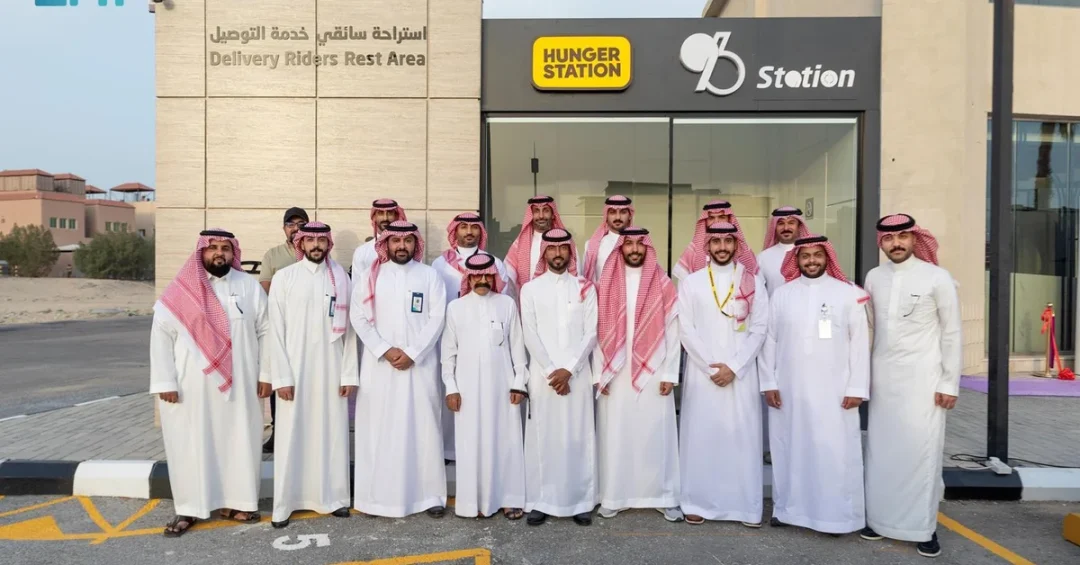
The Saudi Transport General Authority (TGA) has inaugurated its first model project for delivery drivers in Al-Khobar, marking a significant step forward in improving working conditions within the Kingdom’s rapidly expanding delivery sector. The initiative, developed in collaboration with the Ministry of Municipalities and Housing, specifically the Municipality of the Eastern Region, and supported financially by several leading delivery applications, introduces air-conditioned rest areas and dedicated waiting spaces designed to enhance driver welfare and service quality. Could this pilot project signal a new era of public-private cooperation in Saudi Arabia’s logistics industry?
The launch, announced via the Saudi Press Agency (SPA), reflects a broader strategic effort to modernize the delivery ecosystem—a sector that has grown exponentially in recent years, driven by e-commerce and changing consumer habits. By providing drivers with professional facilities during waiting periods, the TGA aims to boost road safety, improve service reliability, and elevate the overall customer experience. This project underscores the Kingdom’s commitment to fostering a supportive environment for all workers while advancing the objectives of the National Strategy for Transport and Logistics Services and Vision 2030. How might such targeted interventions reshape the daily lives of thousands of delivery personnel across the country?
Context and Background
The delivery sector in Saudi Arabia has experienced unprecedented growth, fueled by the rise of digital platforms, a young and tech-savvy population, and the transformative goals of Vision 2030. As online shopping and food delivery services become integral to daily life, the number of delivery drivers has surged, creating new economic opportunities but also highlighting the need for better working conditions. The TGA’s project in Al-Khobar addresses these challenges head-on, offering a model that balances driver welfare with service efficiency. Isn’t it time that the backbone of our convenience—delivery drivers—received the recognition and support they deserve?
Historically, delivery drivers in Saudi Arabia, as in many parts of the world, have faced long hours, exposure to harsh weather, and limited access to proper rest facilities. The TGA’s initiative directly responds to these issues by providing air-conditioned rest areas and dedicated waiting spaces. This not only improves driver comfort but also reduces the temptation to park illegally or rush deliveries, thereby enhancing road safety. The collaboration with the Ministry of Municipalities and Housing and the Municipality of the Eastern Region ensures that the project is integrated into urban planning, setting a precedent for future developments. What does this mean for the thousands of drivers who navigate our cities every day?
The financial backing from delivery applications is particularly noteworthy, as it demonstrates a shared responsibility between the public and private sectors. This partnership model could be replicated across various industries, encouraging companies to invest in the well-being of their workforce. By taking the lead, the TGA is not only regulating but also nurturing the sector, ensuring that growth is sustainable and inclusive. How often do we see such proactive collaboration between government and business in the fast-paced world of gig economy?
Key Details of the Al-Khobar Project
The model project in Al-Khobar features a range of integrated facilities tailored to the needs of delivery drivers. The air-conditioned rest areas are equipped with seating, cooling systems, and basic amenities, providing a comfortable environment during breaks. Dedicated waiting spaces are strategically located to prevent congestion and ensure that drivers can wait for orders without obstructing traffic or pedestrian pathways. These facilities are designed to elevate drivers’ performance by reducing fatigue and stress, which in turn leads to better service for consumers. Could such simple yet effective measures be the key to unlocking higher productivity and job satisfaction?
Moreover, the project includes provisions for hygiene and safety, with access to restrooms and hand-washing stations. The TGA has emphasized that the design of these spaces considers the practical realities of delivery work, including the need for quick turnaround times. By addressing these fundamental needs, the initiative aims to professionalize the delivery industry, attracting more individuals to the sector and retaining experienced drivers. The positive impact on service quality is expected to be felt not only by consumers but also by restaurants and retailers who rely on timely deliveries. Isn’t it fascinating how investing in human capital can yield dividends for the entire economy?
The Al-Khobar project is the first of its kind in the Kingdom, but it is not intended to remain an isolated example. The TGA has articulated plans to extend similar initiatives to various cities across Saudi Arabia, adapting the model to local conditions and needs. This phased approach allows for continuous improvement and learning, ensuring that each new facility builds on the successes and lessons of the previous ones. The authority’s commitment to scaling up demonstrates a long-term vision for the delivery sector, one that prioritizes both efficiency and empathy. How might other cities benefit from tailored versions of this project?
International and Regional Impact
Saudi Arabia’s initiative to improve delivery driver conditions resonates beyond its borders, positioning the Kingdom as a leader in worker welfare within the Middle East and globally. As the gig economy expands worldwide, countries are grappling with how to protect independent contractors and ensure fair treatment. The TGA’s project offers a tangible example of how government and private sector can collaborate to create supportive infrastructure. This could inspire similar programs in neighboring Gulf states and beyond, enhancing regional standards for delivery workers. Will other nations look to Saudi Arabia as a model for balancing innovation with social responsibility?
On a regional level, the project aligns with Saudi Arabia’s broader efforts to enhance its logistics and transport infrastructure, a key pillar of Vision 2030. By improving the working conditions of delivery drivers, the Kingdom is also improving the reliability and efficiency of its supply chains, which are critical for economic diversification. The Eastern Region, home to major ports and industrial hubs, stands to benefit significantly from a more organized delivery network. This, in turn, strengthens Saudi Arabia’s position as a global logistics hub connecting Asia, Europe, and Africa. Could this be a stepping stone toward making Saudi Arabia a top-ranked logistics performer worldwide?
Economic and Strategic Significance
From an economic perspective, the delivery sector is a vital component of Saudi Arabia’s non-oil economy, contributing to job creation and supporting small and medium enterprises. By investing in driver rest areas, the TGA is enhancing the sector’s attractiveness and sustainability, which can lead to higher retention rates and reduced turnover costs for delivery companies. The financial contributions from delivery applications demonstrate a recognition that their business models depend on a healthy, motivated workforce. This shared investment model could lower the burden on public finances while ensuring that the benefits are widely distributed. Isn’t it smart economics to take care of the people who keep our economy moving?
Strategically, the project supports the National Strategy for Transport and Logistics Services, which aims to position Saudi Arabia among the top 10 countries in the Logistics Performance Index by 2030. By addressing the human element of logistics, the TGA is complementing investments in hard infrastructure such as roads, ports, and digital systems. A satisfied and safe workforce is more productive, punctual, and professional, which directly impacts the quality of services and the Kingdom’s reputation as a reliable trade partner. This holistic approach to development is a hallmark of Vision 2030, which seeks balanced growth across all sectors. How often do we see a strategy that values both physical and human infrastructure?
Vision 2030 Alignment
The TGA’s model project in Al-Khobar is a clear embodiment of Vision 2030’s objectives to enhance quality of life, promote economic diversification, and foster a vibrant society. By improving the working environment for delivery drivers, the initiative contributes to the Quality of Life Program, which aims to make Saudi cities more livable and attractive. It also supports the National Industrial Development and Logistics Program by strengthening the logistics sector’s human capital. Moreover, the project reflects the Vision’s emphasis on public-private partnerships as a driver of sustainable development. Could this be a blueprint for how Saudi Arabia is building a future where every worker is valued and every sector thrives?
As the Kingdom continues its journey toward a diversified, knowledge-based economy, initiatives like this demonstrate that progress is not only about megaprojects but also about thoughtful improvements that touch people’s daily lives. The TGA’s commitment to expanding the project to other cities signals a long-term dedication to inclusive growth. By prioritizing the well-being of delivery drivers, Saudi Arabia is setting a global example of how modernization can go hand in hand with compassion. In the years ahead, as more rest areas open and more drivers benefit, the ripple effects will be felt across the economy and society, reinforcing the Kingdom’s reputation as a caring and forward-looking nation. Isn’t it inspiring to see a vision that leaves no one behind?
20 Questions
Q1. What is the TGA’s new project in Al-Khobar?
A1. The TGA launched a model project providing air-conditioned rest areas and waiting spaces for delivery drivers in Al-Khobar. It is the first of its kind in Saudi Arabia, developed with the Ministry of Municipalities and Housing and supported by delivery apps.
Q2. Why is this project important for delivery drivers?
A2. It improves working conditions by offering comfortable rest areas, which reduces fatigue and enhances road safety. This leads to better service quality and a more professional delivery environment, benefiting both drivers and consumers.
Q3. Who collaborated on this initiative?
A3. The Saudi Transport General Authority (TGA) partnered with the Ministry of Municipalities and Housing, specifically the Municipality of the Eastern Region, and several delivery applications that provided financial support for the project.
Q4. How does this project align with Vision 2030?
A4. It supports Vision 2030 goals by improving quality of life, enhancing the logistics sector, and promoting public-private partnerships. It also aligns with the National Strategy for Transport and Logistics Services to boost Saudi Arabia’s global logistics ranking.
Q5. What facilities are provided in the rest areas?
A5. The rest areas include air-conditioned seating, dedicated waiting spaces, restrooms, and hand-washing stations. These are designed to meet drivers’ basic needs during breaks and waiting periods, ensuring comfort and hygiene.
Q6. Will this project expand to other cities?
A6. Yes, the TGA has announced plans to extend similar initiatives to various cities across the Kingdom. The Al-Khobar project serves as a model that will be adapted to local conditions in each new location.
Q7. What role do delivery apps play in this project?
A7. Delivery applications contributed financially to the implementation, demonstrating a shared responsibility between the public and private sectors. Their involvement ensures the project is sustainable and reflects a commitment to driver welfare.
Q8. How does this project affect consumers?
A8. Consumers benefit from improved service quality, as rested and satisfied drivers are more likely to deliver promptly and professionally. This enhances the overall customer experience and reliability of delivery services.
Q9. What is the National Strategy for Transport and Logistics Services?
A9. It is a Saudi strategy aiming to position the Kingdom among the top 10 countries in the Logistics Performance Index by 2030. The TGA’s project supports this by improving the human element of logistics.
Q10. How does the project enhance road safety?
A10. By providing designated rest areas, drivers are less likely to park illegally or rush deliveries due to fatigue. This reduces traffic accidents and promotes safer driving behavior, benefiting all road users.
Q11. What is the significance of the Eastern Region in this project?
A11. The Eastern Region, with its major ports and industrial hubs, is a key logistics area. The project there sets a precedent for integrating driver welfare into urban planning, supporting the region’s economic activities.
Q12. How does this initiative reflect Saudi Arabia’s leadership?
A12. It showcases the Kingdom’s proactive approach to worker welfare and public-private cooperation. By addressing the needs of delivery drivers, Saudi Arabia sets an example for other nations in the region and beyond.
Q13. What are the expected outcomes of the project?
A13. Expected outcomes include improved driver morale, higher service quality, enhanced road safety, and a more organized delivery sector. It also aims to attract more workers and retain experienced drivers.
Q14. How does the project support economic diversification?
A14. By strengthening the delivery sector, it contributes to the non-oil economy and supports SMEs. A reliable logistics network is essential for e-commerce and other industries, aiding Saudi Arabia’s economic diversification goals.
Q15. What feedback have drivers given about the project?
A15. While specific feedback is not detailed in the announcement, the TGA expects positive responses as the facilities address long-standing challenges. Drivers are likely to appreciate the comfort and recognition of their needs.
Q16. How can other companies participate in similar initiatives?
A16. Companies can collaborate with the TGA and municipalities to fund or support rest areas. The Al-Khobar model encourages private sector involvement, and interested firms can reach out to the TGA for partnership opportunities.
Q17. What is the timeline for expanding the project?
A17. The TGA has not specified exact dates, but it plans to roll out similar projects in various cities progressively. The Al-Khobar pilot will inform the design and implementation of future facilities.
Q18. How does this project impact the environment?
A18. By reducing idling and illegal parking, the rest areas can lower emissions and traffic congestion. This contributes to cleaner cities and aligns with Saudi Arabia’s environmental sustainability goals under Vision 2030.
Q19. What does this mean for the future of delivery work in Saudi Arabia?
A19. It signals a future where delivery work is more professional, respected, and sustainable. With better conditions, the sector can attract talent, improve service standards, and contribute more effectively to the economy.
Q20. How can the public support this initiative?
A20. The public can support by respecting the rest areas and recognizing the vital role of delivery drivers. Consumers can also provide positive feedback and encourage companies to prioritize driver welfare in their operations.
Reader Feedback
We value your thoughts. Please share your feedback on this article.
Your feedback helps us improve our coverage.
Related articles
 Saudi Border Guards Sign MoU with AASTMT in Riyadh
 KSrelief Distributes 588 Food Baskets in Yemen’s Aden
 Indian Prime Minister Modi Departs Jeddah After Key Visit
 Crown Prince and India PM Co-Chair Strategic Council
 Saudi-Russian Contracting Forum Boosts Vision 2030 Ties
 KSrelief Distributes Shelter Aid in Somalia’s Sool Region