


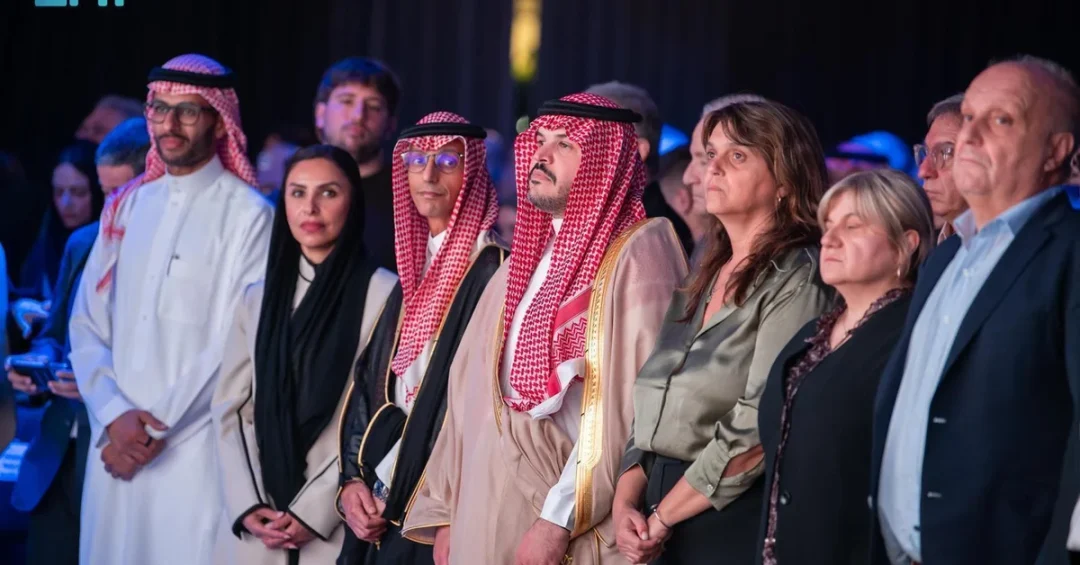
Riyadh, the capital of the Kingdom of Saudi Arabia, is serving as the guest of honor at the 49th Buenos Aires International Book Fair, which opened on Thursday, April 25, 2025, and runs through May 12. The prestigious invitation, extended by the Book Foundation in Argentina, marks a significant milestone in Saudi Arabia’s cultural diplomacy and reflects the Kingdom’s growing prominence in Latin America. The fair, one of the Spanish-speaking world’s largest literary events, provides a global stage for Riyadh to showcase its cultural transformation under Saudi Vision 2030.
Have you ever wondered how a nation’s cultural narrative can reshape international perceptions? Saudi Arabia’s participation as guest of honor is not merely a ceremonial role; it is a strategic endeavor to build bridges of understanding, foster dialogue, and present a modern, dynamic image of the Kingdom. Through a dedicated pavilion and a high-level delegation, Riyadh is introducing millions of fairgoers to its rich literary heritage, contemporary arts scene, and ambitious reform agenda. This presence underscores the Kingdom’s commitment to cultural exchange as a cornerstone of its international engagement.
Context and Background
The Buenos Aires International Book Fair, organized annually by the Book Foundation in Argentina, is a cornerstone of the global publishing calendar. Attracting over a million visitors and featuring thousands of exhibitors from around the world, it serves as a vital platform for cultural diplomacy and literary exchange. Saudi Arabia’s selection as guest of honor highlights the Kingdom’s expanding cultural footprint and its efforts to strengthen ties with Latin America, a region with which it shares growing economic and political interests.
Why is this recognition significant for Saudi Arabia’s global standing? It signals a deepening appreciation for the Kingdom’s cultural initiatives and its role as a bridge between the Arab world and the West. Under Saudi Vision 2030, launched in 2016 by Crown Prince Mohammed bin Salman, cultural diplomacy has become a key pillar of the nation’s foreign policy. The guest of honor status at such a prominent fair is a testament to the success of these efforts, which aim to diversify the economy, empower youth, and promote a moderate, open image of Saudi Arabia.
The Literature, Publishing, and Translation Commission is leading Riyadh’s participation, supported by a broad coalition of Saudi cultural and literary institutions. This collective effort demonstrates the Kingdom’s unified approach to cultural promotion, leveraging its rich heritage and modern achievements to engage international audiences. The fair runs through May 12, offering ample opportunity for meaningful interactions and lasting partnerships.
Key Details of Riyadh’s Participation
Riyadh’s pavilion at the fair is designed to immerse visitors in the diverse facets of Saudi culture. It features a wide array of literary and cultural content, including publications translated into Spanish that aim to build bridges of cultural understanding. The pavilion showcases the Kingdom’s literary treasures, from classical poetry to contemporary novels, alongside visual arts, traditional crafts, and interactive displays that highlight the transformations underway in Saudi society.
Have you considered the breadth of Saudi institutions involved in this endeavor? The delegation includes the Theater and Performing Arts Commission, the Heritage Commission, the Ministry of Islamic Affairs, Dawah, and Guidance, the King Fahd Complex for the Printing of the Holy Qur’an, the King Abdulaziz Foundation for Research and Archives, the King Salman Global Academy for Arabic Language, the King Abdulaziz Public Library, and the King Fahd National Library. Each entity contributes unique expertise, from preserving Islamic heritage to promoting Arabic language and literature, ensuring a comprehensive representation of Saudi culture.
The presence of these institutions underscores the Kingdom’s commitment to cultural preservation and innovation. For instance, the King Salman Global Academy for Arabic Language works to promote Arabic as a global language, while the Heritage Commission safeguards Saudi Arabia’s archaeological and intangible heritage. Their participation in Buenos Aires not only educates international audiences but also fosters collaborations that can lead to joint research, translations, and cultural exchanges, enriching both Saudi and Argentine societies.
International and Regional Impact
Riyadh’s role as guest of honor at the Buenos Aires International Book Fair carries profound implications for Saudi Arabia’s relations with Latin America and the broader international community. By presenting itself as a cultural model, the Kingdom aims to strengthen people-to-people ties, enhance mutual understanding, and counter misconceptions. This soft power approach complements Saudi Arabia’s economic and political diplomacy, positioning the Kingdom as a reliable partner in a multipolar world.
How does this participation align with Saudi Arabia’s regional strategy? Latin America represents a growing market for Saudi non-oil exports and investment, and cultural engagement paves the way for stronger commercial and diplomatic relations. The fair provides a platform for Saudi officials and business leaders to network with counterparts, explore joint ventures in publishing, translation, and creative industries, and showcase the Kingdom’s favorable investment climate. Moreover, it reinforces Saudi Arabia’s leadership in the Arab and Islamic worlds by highlighting its role as a custodian of heritage and a champion of cultural dialogue.
The ripple effects extend beyond the fair itself. Saudi cultural weeks, film festivals, and art exhibitions have been increasingly hosted in Latin American capitals, signaling a sustained commitment to engagement. This consistent outreach helps build a reservoir of goodwill and understanding, essential for navigating global challenges and fostering cooperation on issues ranging from energy security to climate change.
Economic and Strategic Significance
While cultural in nature, Riyadh’s participation in the Buenos Aires International Book Fair has tangible economic and strategic dimensions. The global publishing and creative industries are worth billions of dollars, and Saudi Arabia is keen to develop its own sector as part of Vision 2030’s economic diversification goals. By engaging with international publishers, agents, and literary figures, Saudi stakeholders can forge partnerships, secure translation rights, and promote Saudi authors on the world stage.
What strategic benefits does this cultural diplomacy yield? It enhances Saudi Arabia’s soft power, making the Kingdom an attractive destination for tourism, investment, and talent. The fair also serves as a precursor to larger cultural events Saudi Arabia is planning, such as Expo 2030 in Riyadh, which will further elevate its global profile. Additionally, by showcasing its cultural dynamism, Saudi Arabia can attract Latin American tourists and students, contributing to the growth of its tourism and education sectors.
The presence of high-level Saudi institutions also facilitates knowledge transfer and capacity building. For example, collaborations between the King Abdulaziz Public Library and Argentine libraries could lead to digitization projects, archival exchanges, and joint exhibitions. Such initiatives not only preserve heritage but also create economic value through cultural tourism and related services. Thus, the fair is a strategic investment in Saudi Arabia’s future as a knowledge-based economy.
Vision 2030 Alignment
Saudi Arabia’s participation as guest of honor at the Buenos Aires International Book Fair is a direct reflection of Vision 2030’s cultural objectives. The vision aims to cultivate a vibrant society, with culture and entertainment as key pillars. By promoting Saudi literature, arts, and heritage internationally, the Kingdom is not only sharing its story but also attracting global attention to its transformation. This aligns with the vision’s goal of increasing cultural exchange and enhancing the Kingdom’s image as a modern, open society.
Have you seen how culture can drive national progress? Under Vision 2030, Saudi Arabia has invested heavily in cultural infrastructure, from the establishment of the Ministry of Culture to the launch of initiatives like the Riyadh Season and the Red Sea International Film Festival. These efforts are creating jobs, empowering youth, and fostering a sense of national pride. The guest of honor role in Buenos Aires is another milestone in this journey, demonstrating that Saudi culture is not only preserved but also celebrated on the world stage.
Looking ahead, the Kingdom’s cultural diplomacy will continue to play a vital role in its global engagement. As Saudi Arabia prepares to host major events like Expo 2030, its presence at fairs such as Buenos Aires reinforces its commitment to international cooperation and mutual respect. By building bridges of understanding, the Kingdom is paving the way for a future where culture is a cornerstone of peace and prosperity, in line with the visionary leadership of Crown Prince Mohammed bin Salman.
20 Questions
Q1. What is the Buenos Aires International Book Fair?
A1. The Buenos Aires International Book Fair is an annual literary event organized by the Book Foundation in Argentina. It is one of the largest book fairs in the Spanish-speaking world, attracting over a million visitors and thousands of exhibitors from around the globe.
Q2. Why is Riyadh the guest of honor at the fair?
A2. Riyadh is the guest of honor to showcase Saudi Arabia’s rich cultural heritage and its transformations under Vision 2030. This role reflects the Kingdom’s growing prominence in Latin America and its commitment to cultural diplomacy and international exchange.
Q3. When did the fair open and how long will it run?
A3. The 49th Buenos Aires International Book Fair opened on Thursday, April 25, 2025, and will run through May 12, 2025, offering over two weeks of cultural events, exhibitions, and dialogues.
Q4. What can visitors expect at Riyadh’s pavilion?
A4. Visitors can explore diverse literary and cultural content, including publications translated into Spanish, visual arts, traditional crafts, and interactive displays. The pavilion aims to build bridges of cultural understanding and introduce Saudi Arabia’s modern cultural scene.
Q5. Which Saudi institutions are participating in the delegation?
A5. The delegation includes the Literature, Publishing, and Translation Commission; the Theater and Performing Arts Commission; the Heritage Commission; the Ministry of Islamic Affairs, Dawah, and Guidance; the King Fahd Complex for the Printing of the Holy Qur’an; the King Abdulaziz Foundation for Research and Archives; the King Salman Global Academy for Arabic Language; the King Abdulaziz Public Library; and the King Fahd National Library.
Q6. How does this participation align with Saudi Vision 2030?
A6. It aligns with Vision 2030’s cultural goals by promoting Saudi literature, arts, and heritage internationally. It supports the vision’s aim to cultivate a vibrant society, diversify the economy, and enhance the Kingdom’s global image as a modern, open nation.
Q7. What is the significance of translating Saudi publications into Spanish?
A7. Translating Saudi publications into Spanish makes Saudi literature and culture accessible to Spanish-speaking audiences, fostering greater understanding and appreciation. It builds cultural bridges and facilitates dialogue between Saudi Arabia and Latin America.
Q8. How does this event impact Saudi-Latin American relations?
A8. It strengthens people-to-people ties and cultural understanding, complementing economic and political diplomacy. It opens doors for collaborations in publishing, translation, and creative industries, enhancing Saudi Arabia’s soft power in the region.
Q9. What role does the Literature, Publishing, and Translation Commission play?
A9. The Commission leads Riyadh’s participation, coordinating the delegation and curating the pavilion’s content. It works to promote Saudi literature globally, support translation initiatives, and foster international cultural partnerships.
Q10. How does the fair contribute to Saudi Arabia’s economic diversification?
A10. By engaging with international publishers and creative industries, Saudi Arabia can develop its publishing sector, attract investment, and create jobs. This supports Vision 2030’s goal of reducing oil dependence and building a knowledge-based economy.
Q11. What is the King Salman Global Academy for Arabic Language’s role?
A11. The Academy promotes Arabic language and culture worldwide. At the fair, it showcases Arabic’s richness, supports translation efforts, and fosters interest in learning Arabic among Spanish speakers.
Q12. How does the Heritage Commission contribute to the pavilion?
A12. The Heritage Commission presents Saudi Arabia’s archaeological and intangible heritage, highlighting its preservation efforts. It educates visitors about the Kingdom’s ancient history and cultural traditions, reinforcing its role as a custodian of heritage.
Q13. What is the expected outcome of Riyadh’s guest of honor role?
A13. The role is expected to enhance Saudi Arabia’s cultural presence in Latin America, build lasting partnerships, and attract tourists and investors. It also serves as a precursor to larger events like Expo 2030, elevating the Kingdom’s global profile.
Q14. How does this event reflect Saudi Arabia’s cultural diplomacy?
A14. It demonstrates Saudi Arabia’s commitment to using culture as a tool for international engagement. By sharing its heritage and modern achievements, the Kingdom fosters mutual understanding and positions itself as a bridge between the Arab world and the West.
Q15. What other Saudi cultural initiatives are underway globally?
A15. Saudi Arabia hosts cultural weeks, film festivals, and art exhibitions in various countries. Initiatives like the Red Sea International Film Festival and Riyadh Season showcase its cultural dynamism, while Expo 2030 will further amplify its global cultural presence.
Q16. How can international audiences engage with Saudi culture beyond the fair?
A16. Audiences can explore Saudi literature in translation, attend Saudi cultural events abroad, and visit the Kingdom as tourists. Digital platforms and Saudi cultural centers also offer opportunities to learn about Saudi heritage and contemporary arts.
Q17. What message does Riyadh’s participation send to the world?
A17. It sends a message of openness, progress, and cultural pride. Saudi Arabia is eager to share its transformation, engage in dialogue, and build partnerships, reflecting the inclusive and forward-looking spirit of Vision 2030.
Q18. How does the fair support Saudi Arabia’s tourism goals?
A18. By showcasing Saudi culture, the fair inspires interest in visiting the Kingdom. It highlights tourist attractions, heritage sites, and modern entertainment options, contributing to the goal of attracting 100 million visitors annually by 2030.
Q19. What is the significance of the King Fahd Complex for the Printing of the Holy Qur’an’s presence?
A19. Its presence underscores Saudi Arabia’s role as the custodian of Islam’s holy sites and its dedication to preserving and disseminating the Holy Qur’an. It showcases the Kingdom’s religious heritage and its commitment to moderate Islam.
Q20. How does this event pave the way for future Saudi-Latin American collaborations?
A20. It establishes contacts and goodwill, laying the groundwork for joint ventures in publishing, education, and tourism. Such collaborations will deepen ties, promote mutual prosperity, and support Saudi Arabia’s global engagement strategy.
Reader Feedback
We value your thoughts. Please share your feedback on this article.
Your feedback helps us improve our coverage.
Related articles
 King Salman Arabic Academy Shines at Tunis Book Fair
 Tunisian President Visits Saudi Pavilion at Tunis Book Fair
 First Makkah Clock: 1930s Saudi Custodianship Milestone
 Jazan Cultural House Explores Symbolism of Saudi Flag
 Saudi Flag Exhibition at King Khalid University
 Al-Safiyyah Museum in Madinah Celebrates Saudi Arabia’s Handicraft Heritage