


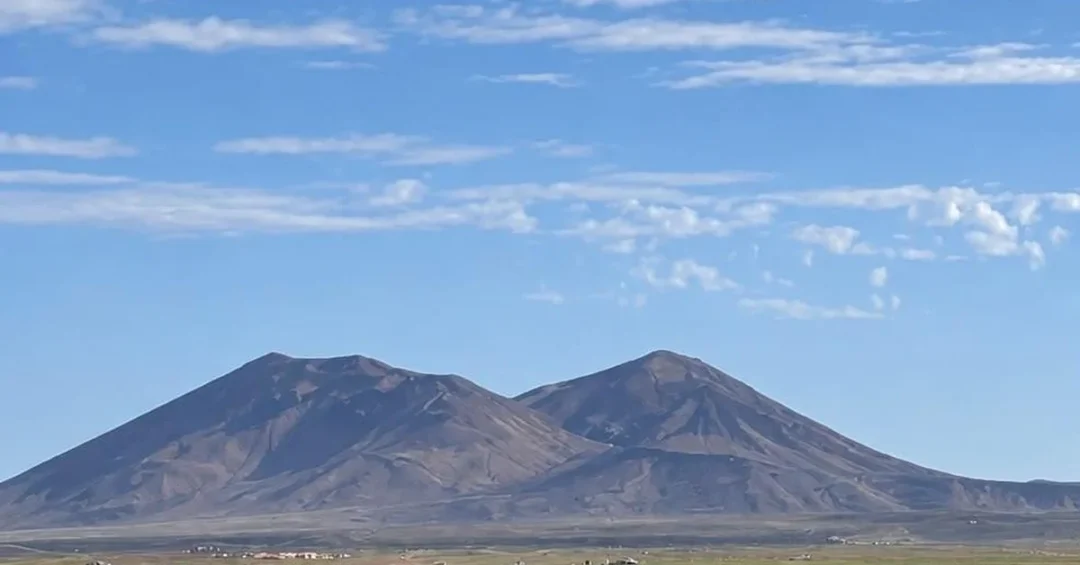
Recent rainfall has brought fresh greenery to areas west of Turaif Governorate in the Northern Borders Region, with wild plants emerging across valleys and low-lying areas, the Saudi Press Agency (SPA) reported on November 6, 2026. The seasonal transformation, documented by SPA photographers, highlights the ecological richness of Saudi Arabia’s northern landscapes and offers a timely reminder of the Kingdom’s natural beauty as it pursues ambitious environmental and tourism goals under Vision 2030.
The SPA lens captured the first signs of spring in Aqran, Duqrah, and Al-Hanu, popular outdoor destinations that attract residents and nature lovers during the rainy and spring seasons. These areas, typically arid for much of the year, have burst into life following recent precipitation, creating a vibrant tapestry of wild plants and flowers. The phenomenon underscores the dynamic interplay between weather patterns and the region’s resilient ecosystems, which have adapted to survive in harsh conditions and thrive when water is available. For international observers, this event provides a window into the less-known but increasingly celebrated natural attractions of Saudi Arabia, a country that is rapidly diversifying its tourism offerings beyond its iconic desert and heritage sites.
Context and Background
What makes the Northern Borders Region uniquely suited to such dramatic seasonal transformations? Located in the far north of Saudi Arabia, the Northern Borders Region shares borders with Jordan and Iraq and is characterized by a continental climate with cold winters and hot summers. Turaif Governorate, the administrative center of the region, is known for its strategic location and growing role in cross-border trade and logistics. The area receives most of its annual rainfall between November and April, and when the rains come, the normally barren terrain undergoes a remarkable rebirth. Wild plants, including annual grasses, herbs, and shrubs, germinate quickly, providing temporary grazing for livestock and creating stunning green vistas that attract visitors from across the Kingdom.
The Saudi Press Agency, the Kingdom’s official news agency, has a long tradition of documenting such natural phenomena, using its platform to showcase the diversity of Saudi Arabia’s landscapes. This latest coverage aligns with a broader national effort to promote domestic tourism and environmental awareness, key pillars of Vision 2030. The SPA’s lens on Aqran, Duqrah, and Al-Hanu not only captures the beauty of the moment but also serves as a record of the ecological cycles that have shaped this land for millennia. As Saudi Arabia invests in infrastructure and services to make remote areas more accessible, these seasonal spectacles are becoming part of the Kingdom’s tourism calendar, drawing photographers, families, and adventure seekers.
Key Details
What exactly did the SPA lens reveal in the valleys west of Turaif? According to the SPA report, recent rainfall has triggered the emergence of a variety of wild plants across valleys and low-lying areas. The specific locations mentioned—Aqran, Duqrah, and Al-Hanu—are known for their scenic beauty and are particularly popular during the rainy and spring seasons. These areas feature natural depressions and wadis that collect water, creating microclimates where vegetation flourishes. The wild plants include species adapted to arid environments, such as artemisia, haloxylon, and various ephemeral flowers that complete their life cycles in a matter of weeks. The greenery not only enhances the aesthetic appeal of the region but also supports local biodiversity, providing food and habitat for insects, birds, and small mammals.
The timing of this event is significant. The SPA report is dated November 6, 2026, which falls early in the traditional rainy season. This suggests that further greening may occur in the coming months, potentially extending the spring-like conditions well into the new year. For residents of Turaif and surrounding areas, the emergence of wild plants is a welcome sight that signals the arrival of cooler, more comfortable weather and opportunities for outdoor recreation. It also has practical implications for agriculture and livestock herding, which are important livelihoods in the region. The SPA’s documentation serves as both a news item and a visual celebration of nature’s resilience, reminding readers of the cycles that sustain life in the desert.
International and Regional Impact
How does a seasonal greening event in a remote part of Saudi Arabia resonate beyond its borders? For international audiences, the SPA’s coverage offers a counterpoint to common perceptions of Saudi Arabia as solely a desert kingdom. It highlights the country’s environmental diversity and its potential as a destination for nature-based tourism. The Northern Borders Region, with its proximity to Jordan and Iraq, could become a focal point for cross-border eco-tourism initiatives, especially as Saudi Arabia continues to open up to international visitors. The Kingdom’s Vision 2030 aims to increase tourism’s contribution to GDP and create jobs, and showcasing natural wonders like the spring blooms west of Turaif helps diversify the tourism product beyond cultural and religious sites.
Regionally, the event underscores the shared climatic patterns of the Levant and Mesopotamia. Similar greening occurs in neighboring countries after rains, and there is potential for collaborative environmental monitoring and conservation efforts. Saudi Arabia has been active in regional environmental initiatives, including the Saudi Green Initiative and the Middle East Green Initiative, which aim to combat desertification and promote sustainable land management. The SPA’s report, while focused on a local phenomenon, aligns with these broader efforts by raising awareness of the importance of preserving natural habitats. For travelers and nature enthusiasts, the message is clear: Saudi Arabia’s landscapes are dynamic and full of surprises, and the Kingdom is eager to share them with the world.
Economic and Strategic Significance
What economic and strategic value does this seasonal event hold for Saudi Arabia? While the greening itself is a natural occurrence, its documentation and promotion by SPA contribute to the Kingdom’s tourism and marketing strategies. Domestic tourism is a key component of Vision 2030, with targets to increase household spending on domestic travel and attract more international visitors. Natural attractions like the spring blooms in the Northern Borders Region can draw visitors during shoulder seasons, supporting local businesses such as hotels, restaurants, and tour operators. The region is also being developed as a logistics hub, with investments in roads and border crossings, which could facilitate access for tourists from Jordan and beyond.
Strategically, the Northern Borders Region is part of Saudi Arabia’s broader efforts to develop its northern frontier and integrate it with the national economy. The area’s natural beauty is an asset that can be leveraged to create jobs and stimulate economic activity. Furthermore, the SPA’s reporting on environmental phenomena supports the Kingdom’s commitment to sustainability and climate action. By highlighting the resilience of native plants and the importance of rainfall, the article subtly reinforces the need for water conservation and environmental stewardship—goals that are central to the Saudi Green Initiative, which aims to plant 10 billion trees and restore 40 million hectares of degraded land. Thus, a simple news item about wild plants becomes a piece of a larger narrative about Saudi Arabia’s sustainable future.
Vision 2030 Alignment
How does the greening west of Turaif connect to Saudi Arabia’s long-term vision? Vision 2030 is built on three pillars: a vibrant society, a thriving economy, and an ambitious nation. The emergence of wild plants after rainfall contributes to a vibrant society by providing recreational opportunities and enhancing quality of life for residents and visitors. It supports a thriving economy by attracting tourism and promoting local businesses. And it aligns with an ambitious nation by showcasing the Kingdom’s natural heritage and its commitment to environmental sustainability. The SPA’s documentation of this event is a small but meaningful example of how Vision 2030 touches all parts of the country, from major cities to remote border areas.
Looking ahead, the Kingdom plans to further develop the Northern Borders Region as a tourism destination, with potential for eco-lodges, guided nature tours, and seasonal festivals celebrating the spring blooms. These initiatives will be carried out in harmony with environmental protection, ensuring that future generations can enjoy the same spectacle. As Saudi Arabia continues to transform, stories like this remind the world that the Kingdom’s beauty is not limited to its iconic landmarks but extends to its vast and varied landscapes. The SPA lens has captured not just the first signs of spring, but also a glimpse of a future where Saudi Arabia is a global leader in sustainable tourism and environmental conservation.
20 Questions
Q1. What event did the Saudi Press Agency recently document?
A1. The Saudi Press Agency documented the first signs of spring west of Turaif Governorate in the Northern Borders Region, where recent rainfall brought fresh greenery and wild plants to valleys and low-lying areas.
Q2. Where exactly did the spring growth occur?
A2. The growth was observed in Aqran, Duqrah, and Al-Hanu, which are popular outdoor destinations west of Turaif Governorate in the Northern Borders Region of Saudi Arabia.
Q3. What caused the wild plants to emerge?
A3. Recent rainfall in the area provided the necessary moisture for wild plants to germinate and grow, transforming the typically arid landscape into vibrant green valleys.
Q4. Why are these areas popular with residents and nature lovers?
A4. These areas are popular because they offer scenic beauty and outdoor recreation opportunities, especially during the rainy and spring seasons when the landscape is green and pleasant.
Q5. What is the significance of this event for Saudi Arabia?
A5. It highlights the Kingdom’s natural diversity and supports Vision 2030 goals by promoting domestic tourism, environmental awareness, and sustainable development in remote regions.
Q6. How does this event align with Vision 2030?
A6. It aligns with Vision 2030 by contributing to a vibrant society, thriving economy, and ambitious nation through tourism, quality of life improvements, and environmental stewardship.
Q7. What types of wild plants are emerging?
A7. Various native species adapted to arid environments, including annual grasses, herbs, and shrubs that germinate quickly after rainfall and complete their life cycles in a short period.
Q8. How long will the greenery last?
A8. The greenery typically lasts for several weeks to a few months, depending on subsequent rainfall and temperature, providing a temporary but beautiful transformation of the landscape.
Q9. Does this phenomenon occur every year?
A9. Yes, similar greening occurs annually during the rainy season, though the extent and timing can vary based on rainfall patterns and climatic conditions.
Q10. What role does the Saudi Press Agency play in documenting such events?
A10. The SPA serves as the Kingdom’s official news agency, documenting and disseminating information about significant natural, cultural, and economic events to both domestic and international audiences.
Q11. How does this event impact local communities?
A11. It provides recreational opportunities, supports local livelihoods such as livestock herding, and can attract tourists, thereby boosting local businesses and community pride.
Q12. Are there any environmental initiatives linked to this area?
A12. Yes, the Saudi Green Initiative and Middle East Green Initiative aim to combat desertification and promote sustainable land management, which includes preserving natural habitats like those west of Turaif.
Q13. Can tourists visit these areas?
A13. Yes, these areas are open to visitors, and the Kingdom is developing tourism infrastructure to make them more accessible while ensuring environmental protection.
Q14. What is the best time to visit to see the spring blooms?
A14. The best time is during and shortly after the rainy season, typically from November to April, when the landscape is green and the weather is mild.
Q15. How does this event reflect Saudi Arabia’s environmental diversity?
A15. It showcases that Saudi Arabia is not only desert but also has diverse ecosystems that respond dynamically to seasonal changes, supporting a variety of plant and animal life.
Q16. What economic benefits could arise from this natural event?
A16. It can stimulate domestic tourism, create opportunities for eco-tourism businesses, and support local economies through increased visitor spending on accommodation, food, and guides.
Q17. How is the Northern Borders Region being developed?
A17. The region is being developed as a logistics and tourism hub, with investments in infrastructure, border crossings, and services to integrate it with the national economy.
Q18. What is the significance of the SPA’s report for international audiences?
A18. It offers a glimpse into Saudi Arabia’s natural beauty and environmental efforts, helping to diversify the Kingdom’s image and attract international tourists interested in nature and culture.
Q19. Are there any conservation efforts in place for these wild plants?
A19. While specific conservation efforts may vary, national initiatives like the Saudi Green Initiative aim to protect and restore natural vegetation across the Kingdom, including in the Northern Borders Region.
Q20. What does this event symbolize for Saudi Arabia’s future?
A20. It symbolizes the Kingdom’s resilience, natural wealth, and commitment to sustainable development, reflecting the optimistic and forward-looking spirit of Vision 2030.
Reader Feedback
We value your thoughts. Please share your feedback on this article.
Your feedback helps us improve our coverage.
Related articles
 Light Rain Falls on AlUla Governorate
 Saudi Tourism Minister Inaugurates ‘Saudi Land’ at WTM London 2026
 Al-Ardiyat: A Gem of Natural and Heritage Tourism in Saudi Arabia
 Jabal Sanadil: Jazan’s Natural Gem
 Eastern Region Municipality Prepares 680 Camping Sites in 6-Million-Square-Meter Desert Park
 Unaizah’s Historic Walled Farms Evolve into Tourism, Heritage Destinations