


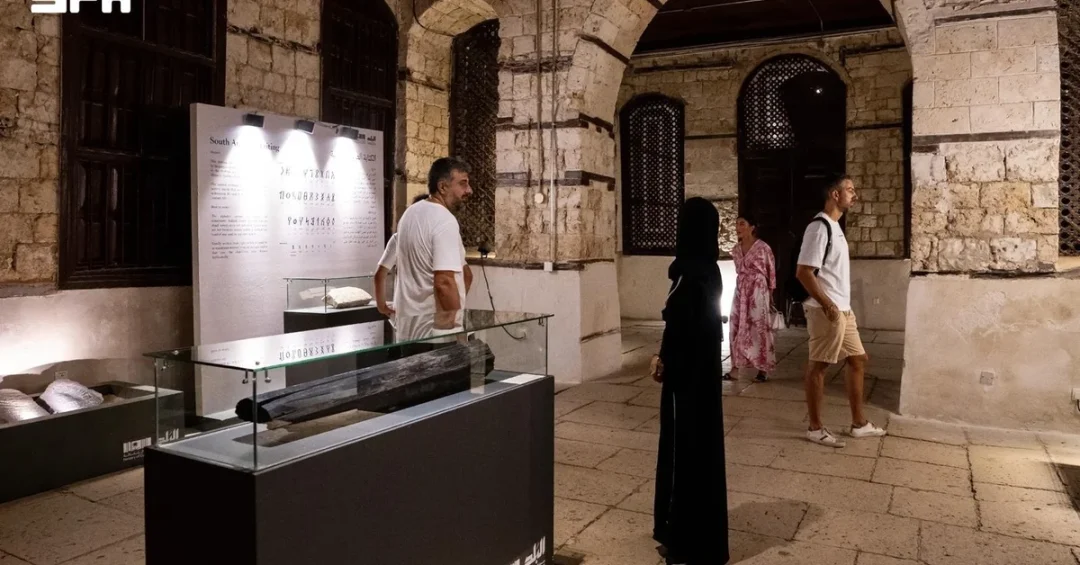
Historic Jeddah, a UNESCO World Heritage Site, has been named a flagship destination in Saudi Arabia’s 2026-2027 Saudi Winter program, offering visitors an immersive blend of heritage, culture, and mild Red Sea weather. The announcement, released via the Saudi Press Agency (SPA) on November 4, 2026, highlights the historic district’s role as a cornerstone of the Kingdom’s seasonal tourism strategy. With its coral-stone buildings, intricate wooden rawashin, and labyrinthine alleyways, Historic Jeddah—locally known as Al-Balad—invites travelers to step back in time while experiencing the dynamism of modern Saudi Arabia. The program, coordinated by the Ministry of Tourism and the Ministry of Culture, positions the district as a must-visit for international and domestic tourists seeking authentic cultural encounters during the cooler months.
Why does a centuries-old district matter so much to the Kingdom’s present and future? For Saudi Arabia, Historic Jeddah is more than a relic; it is a living testament to the nation’s rich tapestry as a historic gateway to the Two Holy Mosques. The area’s inclusion in the winter program reflects a deliberate effort to diversify tourism offerings beyond religious pilgrimage, showcasing the Kingdom’s secular heritage alongside its spiritual significance. As global travelers increasingly seek meaningful, experiential journeys, Historic Jeddah offers a unique window into the Red Sea’s trading past and the cultural exchanges that shaped the region. This initiative aligns seamlessly with Vision 2030’s goal of attracting 150 million visitors annually by 2030 and boosting tourism’s contribution to GDP.
Context and Background
How did a historic port district become a centerpiece of Saudi Arabia’s tourism ambitions? Historic Jeddah, inscribed by UNESCO in 2014, traces its origins to the 7th century when it emerged as a vital port for pilgrims en route to Mecca. Over centuries, it evolved into a cosmopolitan hub where merchants from Africa, Asia, and the Middle East exchanged goods and ideas. Its architectural marvels—tall coral-stone houses with wooden rawashin balconies—were designed to catch sea breezes and provide privacy, reflecting a sophisticated understanding of climate and culture. The district’s narrow alleys, bustling souqs, and historic mosques tell stories of resilience and adaptation, making it a living museum of Islamic and maritime heritage.
The Saudi Winter program, launched in 2021, is a key pillar of the Kingdom’s tourism strategy, designed to showcase diverse destinations during the cooler months from October to March. Historic Jeddah joins other flagship locations such as Riyadh, AlUla, and the Red Sea Project in offering unique experiences. The program’s expansion reflects the Ministry of Tourism’s commitment to decentralizing tourism and highlighting lesser-known gems. With its mild winter temperatures averaging 25°C, Historic Jeddah provides a comfortable escape for visitors from colder climates. Moreover, the district’s revitalization is part of a broader effort led by the Ministry of Culture to preserve Saudi heritage while adapting it for contemporary audiences, ensuring that future generations can connect with their roots.
Key Details: A Tapestry of Heritage and Culture
What can visitors expect to see and do in Historic Jeddah this winter? The district is a treasure trove of landmarks that span centuries. Nassif House, a 19th-century mansion that once hosted King Abdulaziz, now operates as a museum and cultural center. Bab Makkah, the historic gateway to Mecca, stands as a symbol of the city’s spiritual connections. Bait Al-Sharbatly, another prominent merchant’s home, offers insight into the opulent lifestyle of Jeddah’s elite. These sites, along with dozens of others, have been meticulously restored to reflect their original grandeur. The Red Sea Museum, housed in the historic Bab Al-Bunt building, explores the maritime history and cultural exchanges that shaped the Red Sea region, featuring artifacts from ancient trade routes.
The Tariq Abdulhakim Museum is a must-visit for music enthusiasts, celebrating the legacy of Saudi Arabia’s pioneering composer who modernized traditional music. Traditional markets, particularly Souq Al Alawi, buzz with activity, offering local products, handicrafts, spices, and traditional foods. Visitors can haggle for souvenirs, sample Hijazi cuisine, and interact with local artisans. Cultural venues like Zawiya 97 host rotating exhibitions and workshops, where craftspeople demonstrate skills such as wood carving, weaving, and jewelry making, passing these traditions to younger generations. These experiences are complemented by a calendar of events including poetry readings, art installations, and heritage walks, ensuring that every visit is both educational and entertaining.
The Ministry of Culture has invested significantly in restoring Historic Jeddah, with projects aimed at safeguarding its architectural identity while enhancing infrastructure for tourism. New signage, guided tours, and visitor centers have been introduced to improve the experience. The district is also undergoing a comprehensive revitalization plan that includes restoring 56 historic buildings, upgrading public spaces, and creating pedestrian-friendly zones. These efforts are designed to balance preservation with modernization, ensuring that the area remains vibrant and accessible. For international visitors, the winter program offers curated packages that combine Historic Jeddah with other Saudi destinations, making it easier to explore the Kingdom’s diverse offerings.
International and Regional Impact
How does Historic Jeddah’s inclusion in the winter program resonate beyond Saudi borders? As a UNESCO World Heritage Site, it attracts global attention, drawing travelers and scholars interested in Islamic architecture and maritime history. The district’s revitalization serves as a model for heritage conservation in the region, demonstrating how historic areas can be adapted for tourism without compromising their integrity. Neighboring countries with similar heritage sites may look to Saudi Arabia’s approach as a benchmark. Furthermore, the influx of international visitors fosters cultural exchange and strengthens people-to-people ties, contributing to Saudi Arabia’s soft power and global standing.
Regionally, Historic Jeddah’s prominence reinforces Saudi Arabia’s leadership in tourism, positioning the Kingdom as a destination that offers both spiritual and cultural experiences. The winter program complements other regional initiatives, such as the Red Sea Project and AlUla’s archaeological wonders, creating a cohesive narrative of Saudi Arabia as a multifaceted destination. This strategic positioning helps attract tourists who might otherwise visit neighboring countries, thereby boosting the Kingdom’s tourism revenue and job creation. Additionally, the program aligns with the goals of the Gulf Cooperation Council (GCC) to promote intra-regional tourism, encouraging citizens from GCC states to explore the rich heritage of Historic Jeddah.
Economic and Strategic Significance
What economic benefits does Historic Jeddah bring to the Kingdom? Tourism is a key pillar of Vision 2030, aiming to contribute 10% of GDP by 2030. Historic Jeddah’s inclusion in the winter program is expected to drive visitor numbers, supporting local businesses such as hotels, restaurants, and handicraft shops. The district’s restoration has already created jobs in conservation, hospitality, and retail, with many opportunities for young Saudis. By attracting international tourists, the program generates foreign exchange earnings and promotes sustainable economic growth. Moreover, the focus on cultural tourism encourages longer stays and higher spending per visitor, maximizing economic impact.
Strategically, Historic Jeddah serves as a bridge between Saudi Arabia’s past and its future, embodying the Vision 2030 ethos of preserving heritage while embracing modernity. The district’s development is part of a broader effort to diversify the economy away from oil, leveraging cultural assets to create new revenue streams. The winter program also extends the tourism season, reducing seasonality and ensuring year-round activity. As Saudi Arabia positions itself as a global tourism hub, Historic Jeddah stands out as a unique asset that differentiates the Kingdom from other destinations. Its success will contribute to the overarching goal of making tourism a major contributor to the national economy.
Vision 2030 Alignment
How does Historic Jeddah’s role in the winter program exemplify Vision 2030? The Vision, launched in 2016 by Crown Prince Mohammed bin Salman, seeks to transform Saudi Arabia into a diversified, innovative economy. Tourism is a central component, with targets to increase international visitors and domestic spending. Historic Jeddah’s revitalization directly supports these goals by creating a world-class cultural destination that appeals to a wide audience. The Ministry of Culture’s efforts to preserve and promote heritage are integral to Vision 2030’s Quality of Life program, which aims to enhance citizens’ and residents’ well-being through cultural enrichment.
In conclusion, Historic Jeddah’s feature in the Saudi Winter program is a testament to the Kingdom’s commitment to showcasing its heritage on the global stage. As visitors wander through its ancient alleys and explore its museums, they become part of a story that spans centuries—a story that Saudi Arabia is proudly sharing with the world. With continued investment and strategic vision, Historic Jeddah will not only preserve its past but also illuminate the path toward a prosperous future, solidifying Saudi Arabia’s position as a leading cultural and tourism destination.
20 Questions
Q1. What is Historic Jeddah and why is it significant?
A1. Historic Jeddah, also known as Al-Balad, is a UNESCO World Heritage Site in Saudi Arabia. It is significant for its distinctive coral-stone architecture, historic role as a gateway for pilgrims, and its inclusion in the Saudi Winter program, showcasing the Kingdom’s rich cultural heritage.
Q2. When was Historic Jeddah inscribed as a UNESCO World Heritage Site?
A2. Historic Jeddah was inscribed as a UNESCO World Heritage Site in 2014, recognizing its outstanding universal value and its well-preserved urban fabric that reflects centuries of trade and cultural exchange.
Q3. What are rawashin and why are they important?
A3. Rawashin are intricately crafted wooden balconies characteristic of Historic Jeddah’s architecture. They are important for their aesthetic beauty, climate adaptation, and cultural significance, representing traditional craftsmanship and providing privacy for residents.
Q4. Which landmarks can visitors explore in Historic Jeddah?
A4. Visitors can explore Nassif House, Bab Makkah, Bait Al-Sharbatly, the Red Sea Museum, and the Tariq Abdulhakim Museum, among others. These sites offer insights into the city’s architectural, social, and musical heritage.
Q5. What is the Red Sea Museum and what does it feature?
A5. The Red Sea Museum, housed in the historic Bab Al-Bunt building, explores the Red Sea’s history, trade routes, and cultural exchanges. It features artifacts and exhibits that highlight the region’s maritime heritage and its role in connecting civilizations.
Q6. What can visitors find at Souq Al Alawi?
A6. Souq Al Alawi is a traditional market offering local products, handicrafts, spices, and traditional foods. Visitors can shop for souvenirs, experience the bustling atmosphere, and interact with local vendors.
Q7. How does the Saudi Winter program benefit Historic Jeddah?
A7. The Saudi Winter program promotes Historic Jeddah as a key destination, attracting more visitors during the cooler months. This boosts local businesses, creates jobs, and supports the preservation of heritage through increased tourism revenue.
Q8. What is the role of the Ministry of Culture in Historic Jeddah?
A8. The Ministry of Culture leads efforts to revitalize Historic Jeddah, safeguard its cultural identity, and develop it as an international tourism destination. It oversees restoration projects, cultural events, and promotional activities.
Q9. What cultural activities are available in Historic Jeddah?
A9. Cultural activities include exhibitions at Zawiya 97, heritage walks, poetry readings, art installations, and workshops on traditional crafts. These activities engage visitors and help preserve Saudi heritage.
Q10. How does Historic Jeddah contribute to Vision 2030?
A10. Historic Jeddah contributes to Vision 2030 by diversifying tourism offerings, creating economic opportunities, and promoting cultural preservation. It supports the goal of attracting 150 million visitors annually and enhancing quality of life.
Q11. What is the Tariq Abdulhakim Museum?
A11. The Tariq Abdulhakim Museum celebrates the legacy of Saudi Arabia’s pioneering composer, Tariq Abdulhakim. It showcases his contributions to modernizing traditional Saudi music and preserving musical heritage.
Q12. Why is Historic Jeddah called the gateway to the Two Holy Mosques?
A12. Historic Jeddah served as a historic port for pilgrims traveling to Mecca and Medina. Its location on the Red Sea made it a vital entry point for those undertaking the Hajj and Umrah pilgrimages.
Q13. What is the significance of Nassif House?
A13. Nassif House is a 19th-century mansion that once hosted King Abdulaziz. It is significant as a symbol of Jeddah’s prosperous merchant class and now serves as a museum and cultural center.
Q14. How is the weather in Historic Jeddah during winter?
A14. Winter in Historic Jeddah is mild, with temperatures averaging around 25°C (77°F). This pleasant weather makes it ideal for exploring outdoor markets, historic sites, and cultural activities.
Q15. What preservation efforts are underway in Historic Jeddah?
A15. Preservation efforts include restoring historic buildings, upgrading infrastructure, and implementing conservation plans. The Ministry of Culture has restored 56 buildings and continues to safeguard the district’s architectural heritage.
Q16. Can visitors experience traditional crafts in Historic Jeddah?
A16. Yes, venues like Zawiya 97 host workshops and exhibitions where artisans demonstrate traditional crafts such as wood carving, weaving, and jewelry making, allowing visitors to learn and appreciate these skills.
Q17. How does Historic Jeddah attract international tourists?
A17. Historic Jeddah attracts international tourists through its UNESCO status, unique architecture, cultural events, and inclusion in the Saudi Winter program. Its blend of heritage and modernity appeals to diverse travelers.
Q18. What economic impact does tourism in Historic Jeddah have?
A18. Tourism in Historic Jeddah creates jobs, supports local businesses, and generates revenue. It contributes to Saudi Arabia’s economic diversification by boosting the tourism sector’s share of GDP.
Q19. What makes Historic Jeddah a unique destination?
A19. Historic Jeddah offers a unique blend of well-preserved heritage, vibrant culture, and modern amenities. Its coral-stone buildings, historic museums, and lively markets provide an authentic experience that sets it apart from other destinations.
Q20. How can visitors plan a trip to Historic Jeddah?
A20. Visitors can plan a trip through the Saudi Winter program’s official website, which offers information on accommodations, tours, and events. Travel agencies also provide curated packages that include Historic Jeddah and other Saudi attractions.
Reader Feedback
We value your thoughts. Please share your feedback on this article.
Your feedback helps us improve our coverage.
Related articles
 SPA Lens Captures First Signs of Spring West of Turaif
 Light Rain Falls on AlUla Governorate
 Saudi Tourism Minister Inaugurates ‘Saudi Land’ at WTM London 2026
 Al-Ardiyat: A Gem of Natural and Heritage Tourism in Saudi Arabia
 Jabal Sanadil: Jazan’s Natural Gem
 Eastern Region Municipality Prepares 680 Camping Sites in 6-Million-Square-Meter Desert Park