


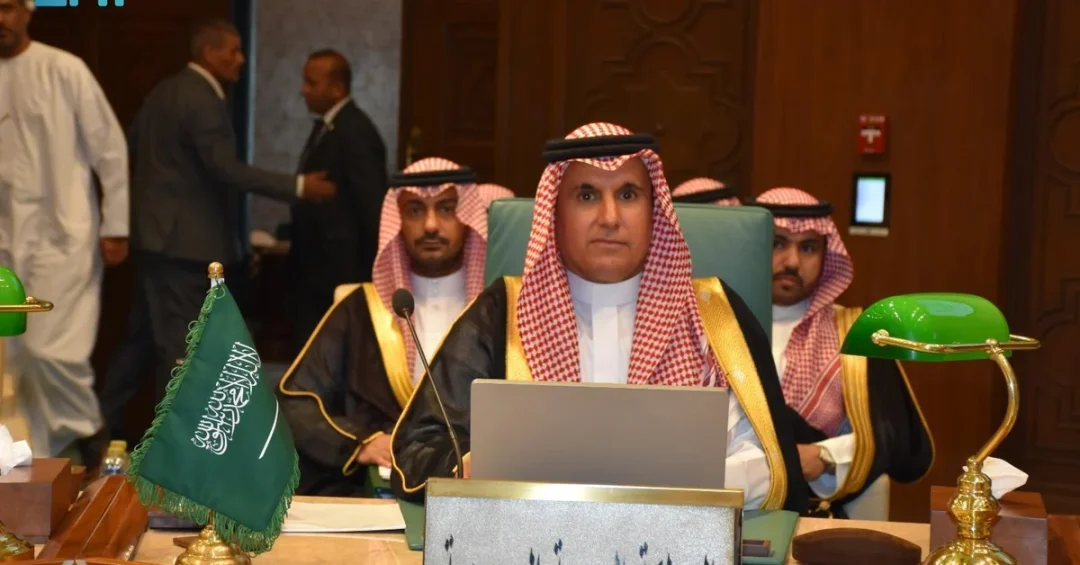
Saudi Arabia’s Permanent Representative to the Arab League, Ambassador Abdulaziz bin Abdullah Al-Matar, led the Kingdom’s delegation to the 163rd session of the Council of the Arab League at the level of permanent representatives, held in Cairo on April 21, 2025. The meeting served as a preparatory gathering ahead of the ministerial session scheduled for the following day, where Arab foreign ministers were set to discuss key regional and international issues. The participation of the Kingdom underscores its unwavering commitment to joint Arab action and its pivotal role in fostering cooperation and stability across the region. As a founding member of the Arab League, Saudi Arabia continues to champion dialogue and consensus-building among member states.
What does this preparatory meeting signify for the future of Arab cooperation? The session in Cairo brought together senior diplomats from across the Arab world to finalize agendas and draft resolutions for the ministerial-level talks. Ambassador Al-Matar’s leadership of the Saudi delegation highlights the Kingdom’s active engagement in shaping collective Arab positions on matters of mutual concern. The meeting reflects the enduring importance of the Arab League as a platform for addressing political, economic, and social challenges. Saudi Arabia’s consistent participation at such forums demonstrates its dedication to multilateral diplomacy and its Vision 2030 goal of enhancing the Kingdom’s global standing and regional influence.
Context and Background
How has the Arab League evolved since its founding, and what role does Saudi Arabia play today? Established in 1945, the Arab League comprises 22 member states and serves as a forum for promoting economic, cultural, and political cooperation. Saudi Arabia, as a founding member, has historically been a driving force behind the organization’s initiatives, from peacekeeping efforts to development projects. The 163rd session of the Council at the permanent representatives level is part of a regular cycle of meetings that prepare the ground for ministerial discussions. These preparatory sessions are critical for aligning positions and ensuring that the ministerial agenda reflects the collective priorities of member states.
Ambassador Abdulaziz bin Abdullah Al-Matar, a seasoned diplomat, has represented the Kingdom at the Arab League since his appointment. His leadership of the delegation at this session is consistent with Saudi Arabia’s proactive approach to regional diplomacy. The Kingdom has long advocated for strengthening Arab unity and has mediated in various regional conflicts. Under the leadership of Custodian of the Two Holy Mosques King Salman bin Abdulaziz Al Saud and Crown Prince Mohammed bin Salman, Saudi Arabia has intensified its efforts to promote peace and stability, both within the Arab world and beyond. The preparatory meeting in Cairo is a testament to these ongoing efforts.
The timing of this session is particularly significant given the myriad challenges facing the Arab region, from political transitions to economic diversification. The permanent representatives’ meeting allows for detailed deliberation on these issues before they reach the ministerial level. Saudi Arabia’s participation ensures that its perspective—rooted in a vision of a prosperous, integrated Arab world—is well represented. The Kingdom’s delegation likely engaged in discussions on topics such as the Palestinian cause, support for Lebanon, and efforts to combat terrorism, all of which are central to Arab League deliberations.
Key Details of the Meeting
What specific outcomes can be expected from the 163rd session? While the permanent representatives’ meeting is primarily procedural, it sets the stage for concrete decisions at the ministerial level. The agenda typically includes review of previous resolutions, preparation of new draft resolutions, and coordination on upcoming international conferences. Ambassador Al-Matar’s role involves articulating Saudi Arabia’s positions and building consensus among fellow representatives. The meeting also provides an opportunity for bilateral consultations on the sidelines, further enhancing diplomatic ties.
The Saudi delegation’s participation is part of the Kingdom’s broader strategy to engage actively in multilateral organizations. Saudi Arabia has consistently used the Arab League as a platform to advance initiatives related to economic integration, cultural exchange, and security cooperation. For instance, the Kingdom has supported the Arab League’s efforts to promote the Greater Arab Free Trade Area and has contributed to funds for development projects in member states. At this session, the Saudi delegation likely emphasized the importance of collective action in addressing regional crises and seizing opportunities for growth.
Ambassador Al-Matar’s diplomatic experience is an asset in these deliberations. Having served in various capacities within the Ministry of Foreign Affairs, he brings a deep understanding of regional dynamics and a commitment to Saudi Arabia’s foreign policy objectives. His leadership at the meeting reinforces the Kingdom’s reputation as a reliable and constructive partner within the Arab League. The preparatory session also allows for the exchange of views on global issues, such as climate change and energy security, where Arab states have a shared interest in coordinated positions.
International and Regional Impact
How does Saudi Arabia’s participation in the Arab League influence broader international dynamics? The Kingdom’s active role in the Arab League amplifies its voice on the world stage. As the world’s largest oil exporter and a member of the G20, Saudi Arabia’s positions carry weight beyond the Arab region. By leading the delegation to the preparatory meeting, Ambassador Al-Matar helps ensure that Arab League decisions align with international efforts for peace and development. This is particularly relevant in the context of the Kingdom’s Vision 2030, which seeks to diversify the economy and strengthen partnerships globally.
The meeting in Cairo also reflects the Arab League’s enduring relevance as a forum for dialogue. Despite challenges, the League remains a key vehicle for Arab states to coordinate on issues ranging from the Palestinian question to counterterrorism. Saudi Arabia’s commitment to the League is part of its broader strategy to foster stability in the Middle East and North Africa. The preparatory session’s outcomes will feed into the ministerial meeting, which is expected to produce resolutions that guide Arab League action in the coming months. Saudi Arabia’s influence ensures that these resolutions reflect a balanced and forward-looking approach.
Economic and Strategic Significance
What economic and strategic benefits does Saudi Arabia derive from its engagement with the Arab League? The Kingdom’s participation in Arab League meetings supports its economic interests by promoting regional trade and investment. The Arab League has initiatives such as the Arab Customs Union and the Greater Arab Free Trade Area, which aim to reduce barriers and boost intra-regional commerce. Saudi Arabia, with its rapidly growing non-oil sectors, stands to gain from enhanced economic integration. Moreover, the League provides a platform for discussing energy policies, which are vital to the Kingdom’s economy.
Strategically, Saudi Arabia’s leadership in the Arab League reinforces its role as a stabilizing force in the region. By heading the delegation to the preparatory meeting, Ambassador Al-Matar helps shape the agenda in ways that align with Saudi Arabia’s security and development goals. The Kingdom’s efforts to combat extremism and promote moderate Islam are often echoed in Arab League resolutions. This session likely addressed these themes, underscoring Saudi Arabia’s commitment to regional peace and prosperity. The meeting also allows for coordination on responses to global challenges, such as pandemics and climate change, which have significant economic implications.
Vision 2030 Alignment
How does Saudi Arabia’s participation in the Arab League align with Vision 2030? Vision 2030 is the Kingdom’s ambitious roadmap to diversify its economy, empower its citizens, and enhance its global influence. A key pillar of Vision 2030 is strengthening Saudi Arabia’s role as a leader in the Arab and Islamic worlds. By actively engaging in Arab League affairs, the Kingdom advances this objective. Ambassador Al-Matar’s leadership at the 163rd session exemplifies the Kingdom’s proactive diplomacy, which is essential for building partnerships and fostering stability—both prerequisites for achieving Vision 2030’s goals.
Furthermore, Vision 2030 emphasizes the importance of international cooperation and multilateralism. Saudi Arabia’s participation in the Arab League preparatory meeting demonstrates its commitment to these principles. The Kingdom seeks to be a bridge between the Arab world and the global community, and its role in the League facilitates this. As Saudi Arabia continues to implement Vision 2030, its engagement in regional organizations will remain a cornerstone of its foreign policy, ensuring that the Kingdom remains at the forefront of Arab affairs and a key player on the world stage.
20 Questions
Q1. What was the 163rd session of the Arab League Council?
A1. The 163rd session was a meeting of permanent representatives from Arab League member states, held in Cairo on April 21, 2025, to prepare for the ministerial session the next day.
Q2. Who headed the Saudi delegation to the meeting?
A2. Ambassador Abdulaziz bin Abdullah Al-Matar, Saudi Arabia’s Permanent Representative to the Arab League, led the Kingdom’s delegation.
Q3. Where did the meeting take place?
A3. The meeting was held in Cairo, Egypt, at the headquarters of the Arab League.
Q4. What is the purpose of the permanent representatives’ meeting?
A4. It serves as a preparatory session to finalize agendas and draft resolutions for the ministerial-level meeting of Arab foreign ministers.
Q5. When was the ministerial session scheduled?
A5. The ministerial session was scheduled for April 22, 2025, the day after the permanent representatives’ meeting.
Q6. What is the Arab League?
A6. The Arab League is a regional organization of 22 Arab states founded in 1945 to promote economic, cultural, and political cooperation.
Q7. Why is Saudi Arabia’s participation significant?
A7. As a founding member and regional leader, Saudi Arabia plays a key role in shaping Arab League decisions and promoting joint Arab action.
Q8. What topics were likely discussed at the meeting?
A8. Discussions likely covered regional political issues, economic cooperation, counterterrorism, and preparations for the ministerial agenda.
Q9. How does this meeting relate to Saudi Vision 2030?
A9. It aligns with Vision 2030’s goal of enhancing Saudi Arabia’s global influence and fostering international cooperation for stability and prosperity.
Q10. What is Ambassador Al-Matar’s role?
A10. He represents Saudi Arabia at the Arab League, articulates the Kingdom’s positions, and builds consensus among member states.
Q11. What is the significance of the 163rd session?
A11. It continues the regular cycle of Arab League meetings, ensuring continuous dialogue and coordination among Arab states on pressing issues.
Q12. How does Saudi Arabia benefit from Arab League membership?
A12. Membership supports economic integration, provides a platform for diplomatic engagement, and reinforces Saudi Arabia’s leadership in the Arab world.
Q13. What are some key Arab League initiatives?
A13. Initiatives include the Greater Arab Free Trade Area, the Arab Customs Union, and various development and security cooperation programs.
Q14. How does the Arab League address regional conflicts?
A14. It provides a forum for mediation, peacekeeping, and collective diplomatic action to resolve disputes among member states and beyond.
Q15. What is Saudi Arabia’s stance on Arab unity?
A15. Saudi Arabia consistently advocates for Arab unity, cooperation, and solidarity to address common challenges and achieve shared goals.
Q16. Who else attended the meeting?
A16. Permanent representatives from all 22 Arab League member states attended, along with supporting diplomatic staff.
Q17. What outcomes can be expected from the ministerial session?
A17. The ministerial session is expected to adopt resolutions on regional issues, guided by the preparatory work of the permanent representatives.
Q18. How does Saudi Arabia contribute to Arab League funding?
A18. Saudi Arabia is a major financial contributor to the Arab League and its affiliated organizations, supporting development and peace efforts.
Q19. What is the role of the Arab League in economic development?
A19. It promotes economic integration through trade agreements, infrastructure projects, and joint investment initiatives among member states.
Q20. How does this meeting reflect Saudi Arabia’s foreign policy?
A20. It demonstrates Saudi Arabia’s commitment to multilateral diplomacy, regional stability, and active engagement in Arab affairs, consistent with its leadership role.
Reader Feedback
We value your thoughts. Please share your feedback on this article.
Your feedback helps us improve our coverage.
Related articles
 Saudi Arabia Marks Earth Day with Green Initiatives
 Saudi Media Authority Enforces Mandatory Professional Registration
 Tabuk Governor Meets Afghan Consul General in Diplomatic Engagement
 Crown Prince Chairs Cabinet, Unveils Global Agreements
 KAICIID Hosts First Forum for Arab Ambassadors in Lisbon
 Misk Empowers Innovators, Entrepreneurs through Inclusive Apps Hackathon in Riyadh