


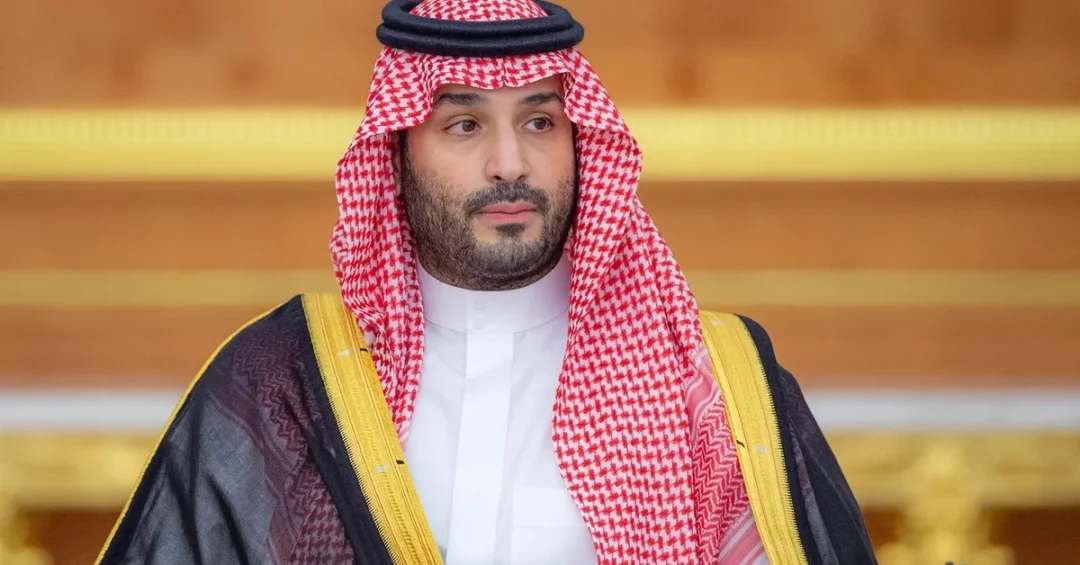
His Royal Highness Prince Mohammed bin Salman bin Abdulaziz Al Saud, Crown Prince and Prime Minister, chaired the Cabinet session held in Jeddah on April 22, 2025, where ministers reviewed the Kingdom’s comprehensive economic, cultural, and social development efforts and issued a series of decisions aimed at strengthening international cooperation and advancing national progress. The session, reported by the Saudi Press Agency (SPA), underscored Saudi Arabia’s commitment to balanced growth, global engagement, and the well-being of its citizens under Vision 2030.
During the meeting, the Cabinet examined completed plans and programs designed to benefit citizens and drive national advancement. Discussions covered a range of topics, from stabilizing Riyadh’s real estate market to celebrating new energy discoveries and international accolades. The session also highlighted Saudi Arabia’s active diplomatic role, including preparations for a major international conference on the Palestinian cause. In a statement to SPA, Minister of Media Salman Al-Dossary said the Cabinet views the Kingdom’s high rankings in international indicators as confirmation of the state’s strong support for all sectors, driving them toward greater competitiveness and global leadership. How does such a comprehensive agenda reflect the Kingdom’s forward-looking approach? It demonstrates a holistic strategy that balances domestic prosperity with global responsibility, a hallmark of Saudi leadership.
Context and Background
The Cabinet session took place against the backdrop of Saudi Arabia’s ongoing transformation under Vision 2030, the ambitious blueprint to diversify the economy and enhance quality of life. Chaired by Crown Prince Mohammed bin Salman, the meeting reviewed the Kingdom’s economic, cultural, and social development efforts, emphasizing completed initiatives that benefit citizens. This focus on comprehensive progress aligns with the Vision’s goals of creating a vibrant society, a thriving economy, and an ambitious nation. The Cabinet’s discussions on balancing Riyadh’s real estate sector and addressing rising land prices and rents reflect a proactive stance on urban development challenges. Isn’t it crucial for a rapidly growing capital to ensure sustainable and affordable housing? The government’s commitment to these issues signals its responsiveness to citizen needs.
In addition, the Cabinet highlighted the significance of new Arabian oil and natural gas discoveries in the Eastern Region and the Empty Quarter. These finds represent a substantial boost to the Kingdom’s economic standing and enhance its capacity to meet long-term local and global energy demands. Such developments reinforce Saudi Arabia’s role as a reliable energy supplier and support the diversification of its economy. The session also lauded the awards and medals earned by government entities and Saudi students at the Geneva International Exhibition of Inventions 2025, underscoring the Kingdom’s aspirations for innovation and a prosperous future. These achievements are not isolated; they are part of a broader effort to foster a knowledge-based economy.
Furthermore, the Cabinet commended the second Human Capability Initiative Conference held in Riyadh, which featured over 100 launches, agreements, and memoranda of understanding aimed at fostering international cooperation and advancing Vision 2030 goals on human capital development. This conference exemplifies Saudi Arabia’s dedication to empowering its people and building global partnerships. The Cabinet also discussed talks and consultations with brotherly and friendly countries on regional and international developments, prospects for cooperation, and ways to strengthen ties across various sectors. Such diplomatic engagement is essential for maintaining stability and fostering mutual prosperity.
Key Details
The Cabinet session produced a series of decisions that span multiple sectors, demonstrating Saudi Arabia’s active international cooperation. First, the Cabinet approved mutual assistance agreements in criminal matters, the extradition of wanted individuals, and the transfer of sentenced convicts between the governments of the Kingdom of Saudi Arabia and the Kingdom of Morocco. This step enhances judicial cooperation and security ties. Second, it approved a memorandum of understanding between the Saudi and Malaysian governments regarding mutual short-stay visa exemption for holders of diplomatic and official or special passports, facilitating official travel and diplomacy. Third, it approved a memorandum of understanding in environmental conservation between the Saudi Ministry of Environment, Water and Agriculture and the Jordanian Ministry of Environment, reflecting the Kingdom’s commitment to sustainability.
Fourth, the Cabinet authorized the health minister, or a deputy, to discuss and sign a draft memorandum of understanding with the Iranian Ministry of Health and Medical Education for cooperation in health fields. This move signals Saudi Arabia’s willingness to engage in constructive dialogue and collaboration, even with regional counterparts, to improve healthcare outcomes. Fifth, it authorized the education minister, or a deputy, to discuss and sign a draft memorandum of understanding with the Ministry of Education of the Republic of Korea concerning educational cooperation, fostering academic exchange and innovation. Sixth, it authorized the minister of finance, chairman of the board of directors of the Zakat, Tax and Customs Authority, or a deputy, to sign a draft agreement between the governments of the Kingdom of Saudi Arabia and the Kingdom of Bahrain to avoid double taxation with respect to income taxes and to prevent tax evasion and avoidance. This agreement will boost cross-border investment and economic integration.
Seventh, the Cabinet approved two agreements between the governments of the Kingdom of Saudi Arabia and the State of Kuwait and the Republic of Croatia to avoid double taxation with respect to taxes on income and capital and to prevent tax evasion and avoidance. These agreements are expected to stimulate trade and investment flows. Eighth, it approved a memorandum of understanding in communications and information technology between the Saudi Communications, Space and Technology Commission and the Hellenic Telecommunications and Post Commission, promoting technological collaboration. Ninth, it approved the Kingdom of Saudi Arabia’s accession to the Tampere Convention on the Provision of Telecommunications Resources for Disaster Mitigation and Relief Operations (1998), enhancing the Kingdom’s capacity to contribute to global humanitarian efforts. Tenth, it authorized the minister of human resources and social development, chairman of the board of directors of the Authority for the Care of People with Disabilities, or a deputy, to discuss and sign with the Djiboutian side a draft memorandum of understanding for cooperation between the authority and the National Agency for Persons with Disabilities of the Republic of Djibouti, supporting inclusive development.
Eleventh, the Cabinet approved a memorandum of understanding for cooperation in trade promotion and support between the Saudi Export Development Authority and the Chinese Ministry of Commerce’s Foreign Trade Development Bureau, expanding export opportunities. Twelfth, it approved a cooperation agreement to combat terrorism and its financing between the Saudi Presidency of State Security and the Kenyan National Intelligence Service, strengthening global security. Thirteenth, it approved a memorandum of understanding for cooperation and news exchange between the Saudi Press Agency and the Algeria Press Service, enhancing media collaboration. Fourteenth, it approved the licensing of Bank Syariah Indonesia to open a branch in Saudi Arabia, reflecting the Kingdom’s openness to international banking. Fifteenth, it approved the continuation of the state covering entry visa fees for seasonal workers for the Hady and Adahi project for the 1446 AH Hajj season, facilitating a smooth pilgrimage experience. Each decision underscores Saudi Arabia’s multifaceted approach to international engagement and domestic development.
International and Regional Impact
The Cabinet’s decisions are set to have significant international and regional implications. The mutual assistance agreements with Morocco and the cooperation agreement with Kenya on combating terrorism demonstrate Saudi Arabia’s commitment to global security and judicial cooperation. These steps enhance the Kingdom’s role as a responsible global partner. The visa exemption with Malaysia and the double taxation agreements with Bahrain, Kuwait, and Croatia will facilitate greater mobility and economic integration, benefiting businesses and individuals alike. What do these agreements reveal about Saudi Arabia’s foreign policy? They show a pragmatic and collaborative approach aimed at building bridges and fostering mutual prosperity.
Moreover, the Cabinet welcomed the growing international support for the upcoming international conference on the peaceful resolution of the Palestinian cause and the implementation of the two-state solution, co-chaired by the Kingdom of Saudi Arabia and the French Republic. It also stressed the urgent need for a ceasefire in Gaza and the delivery of humanitarian aid. This stance highlights Saudi Arabia’s active diplomatic role in promoting peace and stability in the region. The Kingdom’s efforts to alleviate humanitarian suffering are consistent with its longstanding support for the Palestinian people. How does this align with Saudi Arabia’s broader regional strategy? It reinforces the Kingdom’s position as a mediator and advocate for justice, enhancing its leadership in the Arab and Islamic world.
Economic and Strategic Significance
The new Arabian oil and natural gas discoveries in the Eastern Region and the Empty Quarter represent a substantial boost to the Kingdom’s economic standing. These finds not only enhance Saudi Arabia’s capacity to meet long-term local and global energy demands but also reinforce its pivotal role in global energy markets. The Cabinet’s emphasis on these discoveries underscores the strategic importance of the energy sector in driving economic growth and supporting Vision 2030’s diversification goals. Additionally, the approval of double taxation agreements and the licensing of Bank Syariah Indonesia to open a branch in Saudi Arabia signal the Kingdom’s commitment to creating a favorable business environment and attracting foreign investment. These measures are expected to stimulate economic activity and create jobs.
The Cabinet’s focus on balancing Riyadh’s real estate sector and addressing rising land prices and rents is a strategic move to ensure sustainable urban development. By tackling these challenges, the government aims to maintain affordability and quality of life in the capital, which is essential for attracting talent and investment. Furthermore, the commendation of the Human Capability Initiative Conference highlights the Kingdom’s investment in human capital, a key driver of economic competitiveness. The conference’s over 100 launches, agreements, and memoranda of understanding will foster international cooperation and advance Vision 2030 goals. These initiatives collectively strengthen Saudi Arabia’s economic resilience and global standing.
Vision 2030 Alignment
The outcomes of this Cabinet session are deeply aligned with Vision 2030, Saudi Arabia’s roadmap for comprehensive transformation. From economic diversification through new energy discoveries and international trade agreements to social development via human capability initiatives and support for persons with disabilities, every decision contributes to the Vision’s three pillars: a vibrant society, a thriving economy, and an ambitious nation. The Cabinet’s emphasis on innovation, as seen in the recognition of Saudi students at the Geneva International Exhibition of Inventions, and on global engagement, through various memoranda of understanding, reflects the Vision’s goal of positioning the Kingdom as a global leader. How does this session exemplify the Vision’s holistic approach? It demonstrates that progress is pursued across all sectors simultaneously, ensuring balanced and sustainable development.
Looking ahead, the Cabinet’s decisions will enable further progress in key areas such as healthcare, education, technology, and environmental conservation. The Kingdom’s active role in supporting international security and stability, as well as its efforts to alleviate humanitarian suffering, underscores its commitment to global responsibility. As Saudi Arabia continues to implement Vision 2030, sessions like this one chaired by Crown Prince Mohammed bin Salman will remain pivotal in steering the nation toward a prosperous future. The world watches as the Kingdom not only meets its domestic goals but also contributes to international peace and cooperation. With each decision, Saudi Arabia reinforces its position as a dynamic and influential player on the world stage.
20 Questions
Q1. Who chaired the Cabinet session held in Jeddah on April 22, 2025?
A1. His Royal Highness Prince Mohammed bin Salman bin Abdulaziz Al Saud, Crown Prince and Prime Minister, chaired the session.
Q2. What did the Cabinet review during the session?
A2. The Cabinet reviewed the Kingdom’s comprehensive economic, cultural, and social development efforts, along with completed plans and programs aimed at advancing national progress.
Q3. What steps did the Cabinet discuss regarding Riyadh’s real estate sector?
A3. The Cabinet discussed steps to balance Riyadh’s real estate sector and reaffirmed the government’s commitment to addressing rising land prices and rents.
Q4. What did the Cabinet say about new oil and gas discoveries?
A4. The Cabinet emphasized that new Arabian oil and natural gas discoveries in the Eastern Region and the Empty Quarter represent a substantial boost to the Kingdom’s economic standing.
Q5. Who commented on the Cabinet session and what did he say?
A5. Minister of Media Salman Al-Dossary said the Cabinet views the Kingdom’s high rankings in international indicators as confirmation of the state’s strong support for all sectors.
Q6. What did the Cabinet laud regarding Saudi students and government entities?
A6. The Cabinet lauded the awards and medals earned at the Geneva International Exhibition of Inventions 2025, aligning with the Kingdom’s aspirations for innovation.
Q7. What conference did the Cabinet commend?
A7. The Cabinet commended the second Human Capability Initiative Conference held in Riyadh, which featured over 100 launches, agreements, and memoranda of understanding.
Q8. What did the Cabinet discuss regarding international developments?
A8. The Cabinet discussed talks and consultations with brotherly and friendly countries on regional and international developments and ways to strengthen ties.
Q9. What did the Cabinet reiterate about the Kingdom’s role in international security?
A9. The Cabinet reiterated the Kingdom’s active role in supporting international security and stability, as well as its efforts to alleviate humanitarian suffering.
Q10. What international conference did the Cabinet welcome support for?
A10. The Cabinet welcomed growing international support for the upcoming international conference on the peaceful resolution of the Palestinian cause and the implementation of the two-state solution.
Q11. What agreements were approved between Saudi Arabia and Morocco?
A11. The Cabinet approved mutual assistance agreements in criminal matters, the extradition of wanted individuals, and the transfer of sentenced convicts.
Q12. What visa exemption was approved with Malaysia?
A12. A memorandum of understanding regarding mutual short-stay visa exemption for holders of diplomatic and official or special passports.
Q13. What environmental agreement was approved with Jordan?
A13. A memorandum of understanding in environmental conservation between the Saudi Ministry of Environment, Water and Agriculture and the Jordanian Ministry of Environment.
Q14. What health cooperation was authorized with Iran?
A14. The health minister was authorized to discuss and sign a draft memorandum of understanding with the Iranian Ministry of Health and Medical Education.
Q15. What educational cooperation was authorized with South Korea?
A15. The education minister was authorized to discuss and sign a draft memorandum of understanding with the Ministry of Education of the Republic of Korea.
Q16. What double taxation agreement was authorized with Bahrain?
A16. The finance minister was authorized to sign a draft agreement to avoid double taxation with respect to income taxes and to prevent tax evasion.
Q17. What double taxation agreements were approved with Kuwait and Croatia?
A17. Two agreements to avoid double taxation with respect to taxes on income and capital and to prevent tax evasion and avoidance.
Q18. What communications agreement was approved with Greece?
A18. A memorandum of understanding in communications and information technology between the Saudi Communications, Space and Technology Commission and the Hellenic Telecommunications and Post Commission.
Q19. What convention did Saudi Arabia accede to?
A19. The Kingdom acceded to the Tampere Convention on the Provision of Telecommunications Resources for Disaster Mitigation and Relief Operations (1998).
Q20. What decision was made regarding Hajj seasonal workers?
A20. The Cabinet approved the continuation of the state covering entry visa fees for seasonal workers for the Hady and Adahi project for the 1446 AH Hajj season.
Reader Feedback
We value your thoughts. Please share your feedback on this article.
Your feedback helps us improve our coverage.
Related articles
 KAICIID Hosts First Forum for Arab Ambassadors in Lisbon
 Misk Empowers Innovators, Entrepreneurs through Inclusive Apps Hackathon in Riyadh
 Qatari Shura Council Speaker Arrives in Riyadh
 GOSI Governor Meets Singapore Pension Leaders
 KSrelief Launches ‘Saudi Hearing’ Cochlear Implant Program in Senegal
 Red Sea Global Launches Botanica Environmental Nursery