


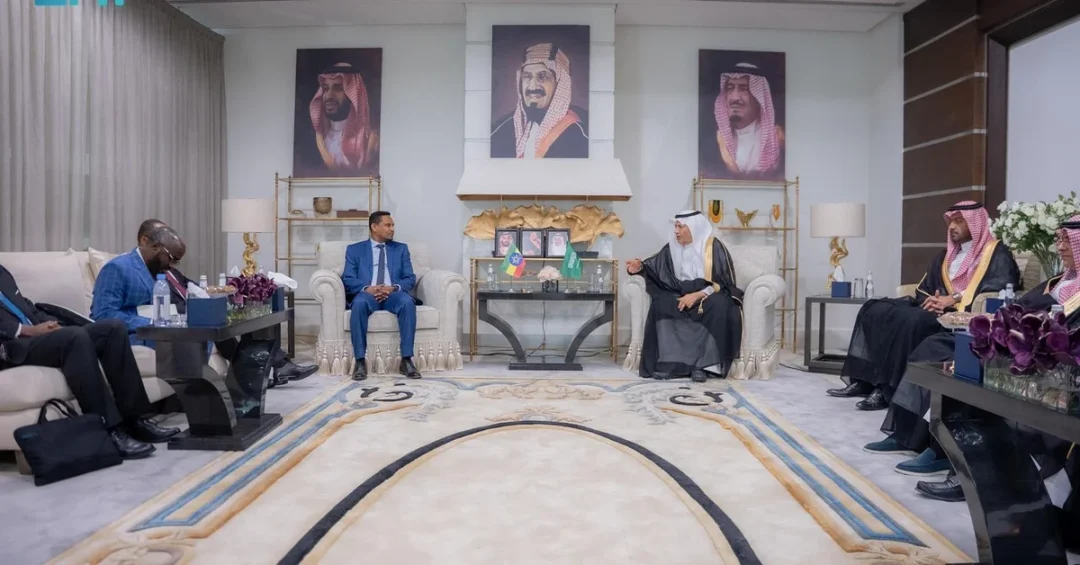
The Saudi-Ethiopian Business Forum commenced on Tuesday in Riyadh, organized by the Federation of Saudi Chambers, with over 150 representatives from the private sector, companies, and government entities from both nations participating. The forum aims to chart a comprehensive roadmap for economic relations between the Kingdom of Saudi Arabia and the Federal Democratic Republic of Ethiopia, focusing on trade, investment, and industrial cooperation. This landmark event underscores Saudi Arabia’s commitment to expanding its economic footprint in Africa and aligns with the Kingdom’s Vision 2030 objectives to diversify its economy and strengthen international partnerships.
Ethiopia, with its rapidly growing economy and strategic location, presents a wealth of opportunities for Saudi investors. The forum serves as a platform for dialogue and collaboration, bringing together key stakeholders to explore avenues for mutual growth. As Saudi Arabia continues to position itself as a global economic powerhouse, such initiatives are vital for fostering sustainable development and enhancing bilateral ties. The participation of high-level officials and business leaders from both countries highlights the importance of this gathering and sets the stage for concrete outcomes that could reshape trade dynamics in the region.
Context and Background
Why has the Saudi-Ethiopian Business Forum garnered such significant attention from both nations? The answer lies in the evolving economic landscape of Africa and Saudi Arabia’s strategic pivot toward diversifying its partnerships. Ethiopia, one of Africa’s fastest-growing economies, has become a focal point for Saudi investment due to its abundant natural resources, agricultural potential, and commitment to infrastructure development. The establishment of the Saudi-Ethiopian Business Council in August last year laid the groundwork for this forum, marking a new chapter in bilateral relations.
The Federation of Saudi Chambers, a key organizer of the event, has been instrumental in promoting Saudi business interests abroad. Under the leadership of Chairman Hassan Al-Huwaizi, the Federation has prioritized strengthening ties with African nations, recognizing the continent’s vast market potential. Ethiopia’s role as a gateway for Saudi exports to African markets cannot be overstated. With a population exceeding 120 million and a government actively seeking foreign investment, Ethiopia offers a fertile ground for Saudi businesses to expand their reach and diversify their portfolios.
Historically, trade between Saudi Arabia and Ethiopia has been modest, with the trade volume standing at merely SAR1.3 billion. This figure, as noted by Al-Huwaizi, indicates untapped opportunities. The forum seeks to address this by facilitating direct engagement between Saudi investors and Ethiopian counterparts, identifying barriers to trade, and proposing solutions to enhance economic cooperation. The timing is opportune, as both countries are implementing reforms to attract foreign investment and stimulate growth.
Key Details
What specific sectors are poised to benefit from the discussions at the forum? Ethiopia’s State Minister for the Ministry of Trade and Regional Integration, Abdulhakim Mulu, highlighted agriculture, food industries, tourism, hospitality, and manufacturing as key areas for Saudi investment. Ethiopia’s agricultural sector, in particular, holds immense promise, with vast arable land and favorable climatic conditions. Saudi Arabia, with its expertise in food processing and agribusiness, can contribute significantly to enhancing Ethiopia’s food security and export capacity.
Minister Mulu also emphasized Ethiopia’s rapid economic growth and the government’s commitment to creating a favorable investment climate. Reforms aimed at improving infrastructure, streamlining regulations, and combating corruption have made Ethiopia an increasingly attractive destination for foreign direct investment. Saudi investors are encouraged to explore opportunities in these sectors, leveraging Ethiopia’s competitive advantages and accessing a market that serves as a gateway to the broader African continent.
Federation of Saudi Chambers Chairman Hassan Al-Huwaizi reiterated the Kingdom’s dedication to strengthening ties with African countries. He noted that Ethiopia’s natural resources, particularly in agriculture, food industries, and mining, align well with Saudi Arabia’s investment priorities. The limited trade volume between the two nations, he argued, is not a reflection of lack of potential but rather a call to action. The forum, therefore, serves as a catalyst for unlocking this potential and paving the way for increased collaboration.
The event also marks the first major activity since the establishment of the Saudi-Ethiopian Business Council. The Council’s efforts are aligned with Saudi Arabia’s broader strategy to deepen economic engagement with Africa, seeking new investment opportunities and markets. Ethiopia’s position as a fertile investment environment and a key trade gateway makes it a natural partner in this endeavor. The forum’s outcomes are expected to include concrete agreements and initiatives that will translate discussions into tangible results.
International and Regional Impact
How will the Saudi-Ethiopian Business Forum influence regional economic dynamics? The forum is a clear signal of Saudi Arabia’s growing interest in Africa, a continent that has become a battleground for global economic influence. By strengthening ties with Ethiopia, Saudi Arabia not only gains access to a lucrative market but also positions itself as a key player in Africa’s development narrative. This move is likely to be watched closely by other regional powers, potentially spurring further competition and cooperation.
For Ethiopia, the forum represents an opportunity to attract much-needed foreign investment to fuel its economic growth. The country has ambitious plans to become a middle-income economy by 2025, and Saudi investment can play a pivotal role in achieving this goal. Moreover, the partnership extends beyond economics; it fosters cultural exchange and people-to-people ties, contributing to stability and mutual understanding in the region. The involvement of Saudi Arabia, a G20 member, adds significant weight to Ethiopia’s efforts to integrate into the global economy.
On a broader scale, the forum underscores Saudi Arabia’s commitment to South-South cooperation and its role as a bridge between the Middle East and Africa. As the Kingdom diversifies its economy away from oil, Africa emerges as a vital frontier for investment and trade. The success of this forum could serve as a model for similar initiatives with other African nations, further solidifying Saudi Arabia’s economic leadership in the region.
Economic and Strategic Significance
What does the forum mean for Saudi Arabia’s economic diversification goals? The Kingdom’s Vision 2030, spearheaded by Crown Prince Mohammed bin Salman, aims to reduce dependence on oil and expand non-oil sectors. Africa, with its growing consumer base and abundant resources, is a key pillar of this strategy. Ethiopia, in particular, offers opportunities in agriculture, mining, and manufacturing that align with Saudi Arabia’s investment focus. By tapping into these sectors, Saudi businesses can secure supply chains, access new markets, and contribute to the Kingdom’s economic resilience.
The strategic significance of the forum extends to food security, a priority for Saudi Arabia. Ethiopia’s agricultural potential can help meet the Kingdom’s demand for food imports, while Saudi expertise in desalination and agritech can support Ethiopia’s efforts to modernize its farming sector. Additionally, the mining sector presents opportunities for Saudi companies to invest in Ethiopia’s untapped mineral wealth, from gold to rare earth elements. These collaborations are not just transactional; they build long-term partnerships that foster economic integration and shared prosperity.
Furthermore, the forum enhances Saudi Arabia’s soft power and diplomatic influence. By investing in Ethiopia’s development, the Kingdom demonstrates its commitment to Africa’s stability and growth, countering narratives that paint it solely as an oil exporter. This multifaceted engagement strengthens Saudi Arabia’s standing in international forums and opens doors for cooperation on global issues, from climate change to security.
Vision 2030 Alignment
How does the Saudi-Ethiopian Business Forum align with Vision 2030’s objectives? Vision 2030 seeks to transform Saudi Arabia into a global investment powerhouse, with a focus on diversifying revenue streams and creating a vibrant private sector. The forum directly supports these goals by facilitating cross-border investments and partnerships. It also promotes the export of Saudi goods and services, a key metric of economic diversification. The Federation of Saudi Chambers’ role in organizing the event exemplifies the private sector’s contribution to Vision 2030, driving economic diplomacy and fostering international linkages.
Moreover, the forum reinforces Saudi Arabia’s commitment to sustainable development and global cooperation, principles embedded in Vision 2030. By investing in Ethiopia’s agriculture, tourism, and manufacturing, Saudi Arabia contributes to job creation and technology transfer, aligning with the UN Sustainable Development Goals. As the Kingdom continues to expand its global footprint, initiatives like this forum will be instrumental in realizing the vision of a diversified, knowledge-based economy that is integrated with the world. The road ahead promises enhanced collaboration, mutual growth, and a shared future for Saudi Arabia and Ethiopia.
20 Questions
Q1. What is the Saudi-Ethiopian Business Forum?
A1. The Saudi-Ethiopian Business Forum is a gathering organized by the Federation of Saudi Chambers in Riyadh, bringing together over 150 representatives from the private sector and government entities to enhance economic ties and outline a roadmap for cooperation between Saudi Arabia and Ethiopia.
Q2. When and where did the forum take place?
A2. The forum started on Tuesday, April 22, 2025, in Riyadh, Saudi Arabia. It was hosted by the Federation of Saudi Chambers and marked the first major event since the establishment of the Saudi-Ethiopian Business Council in August last year.
Q3. Who are the key organizers of the forum?
A3. The Federation of Saudi Chambers is the primary organizer, with support from Saudi and Ethiopian government entities. The forum was attended by high-level officials including Ethiopia’s State Minister for Trade and Regional Integration, Abdulhakim Mulu, and Federation Chairman Hassan Al-Huwaizi.
Q4. What sectors were highlighted for investment?
A4. Key sectors include agriculture, food industries, tourism, hospitality, and manufacturing. Ethiopia’s State Minister emphasized these areas due to Ethiopia’s rapid economic growth and commitment to creating a favorable investment climate.
Q5. What is the current trade volume between Saudi Arabia and Ethiopia?
A5. The current trade volume is SAR1.3 billion, which Federation Chairman Hassan Al-Huwaizi noted indicates significant untapped investment opportunities. The forum aims to increase this volume through enhanced cooperation.
Q6. Why is Ethiopia considered a gateway for Saudi exports?
A6. Ethiopia’s strategic location, large population, and membership in regional economic communities make it a natural entry point for Saudi goods to reach African markets. Its growing economy and infrastructure development further enhance its role as a trade hub.
Q7. How does the forum align with Saudi Vision 2030?
A7. The forum supports Vision 2030 by promoting economic diversification, expanding non-oil exports, and fostering international partnerships. It aligns with the goal of increasing foreign investment and strengthening Saudi Arabia’s global economic presence.
Q8. What is the Saudi-Ethiopian Business Council?
A8. Established in August last year, the Saudi-Ethiopian Business Council is a bilateral body that facilitates business cooperation and dialogue between the two countries. The forum is its first major initiative to boost trade and investment.
Q9. What did Ethiopia’s State Minister say about investment opportunities?
A9. Abdulhakim Mulu invited Saudi investors to explore opportunities in agriculture, food industries, tourism, hospitality, and manufacturing. He highlighted Ethiopia’s rapid economic growth and government efforts to improve infrastructure and create a favorable investment climate.
Q10. What did the Federation of Saudi Chambers Chairman say?
A10. Hassan Al-Huwaizi stated that Saudi Arabia is working to strengthen ties with African countries, particularly Ethiopia. He noted Ethiopia’s natural resources and potential in agriculture, food industries, and mining, and emphasized the need to increase the current SAR1.3 billion trade volume.
Q11. How many representatives attended the forum?
A11. Over 150 representatives from the private sector, companies, and government entities from both Saudi Arabia and Ethiopia participated in the forum, demonstrating strong interest in bilateral economic cooperation.
Q12. What are the expected outcomes of the forum?
A12. The forum aims to outline a roadmap for economic relations, identify investment opportunities, and facilitate agreements between Saudi and Ethiopian businesses. It is expected to lead to increased trade and joint ventures in key sectors.
Q13. Why is Ethiopia an attractive investment destination?
A13. Ethiopia offers a large market, abundant natural resources, and a government committed to economic reforms. Its rapid growth, improving infrastructure, and strategic location make it an attractive destination for foreign direct investment.
Q14. What role does the private sector play in this initiative?
A14. The private sector is crucial, as it drives investment and job creation. The forum brings together business leaders to explore partnerships, share expertise, and capitalize on opportunities, thereby strengthening economic ties between the two nations.
Q15. How does this forum benefit Saudi Arabia’s economy?
A15. It opens new markets for Saudi exports, provides access to resources, and diversifies investment portfolios. This aligns with Vision 2030’s goal of reducing oil dependence and enhancing non-oil sectors.
Q16. What are the challenges in Saudi-Ethiopian economic relations?
A16. Challenges include limited awareness of opportunities, regulatory hurdles, and logistical barriers. The forum addresses these by fostering dialogue, sharing information, and building networks to facilitate smoother trade and investment flows.
Q17. How does the forum promote cultural exchange?
A17. By bringing together business and government leaders, the forum fosters people-to-people ties and mutual understanding. It also highlights opportunities for collaboration in tourism and hospitality, which can enhance cultural exchange.
Q18. What is the significance of the forum for Africa?
A18. It signals Saudi Arabia’s growing engagement with Africa, potentially attracting more investment to the continent. Ethiopia’s role as a gateway means benefits can extend to neighboring countries, promoting regional economic integration.
Q19. How can Saudi investors participate in Ethiopia’s growth?
A19. Saudi investors can explore joint ventures, establish subsidiaries, or partner with local firms in sectors like agriculture, manufacturing, and tourism. The Saudi-Ethiopian Business Council provides a platform for facilitating such engagements.
Q20. What is the future outlook for Saudi-Ethiopian economic relations?
A20. The future looks promising, with both countries committed to deepening ties. The forum sets the stage for increased trade, investment, and collaboration, contributing to economic growth and stability in the region.
Reader Feedback
We value your thoughts. Please share your feedback on this article.
Your feedback helps us improve our coverage.
Related articles
 Saudia Group Orders 20 Airbus A330neo in Vision 2030 Push
 Maaden Unveils New Corporate Identity: ‘Unearth Tomorrow’
 AviLease Closes $1.5 Billion Credit Facility
 Saudi-US Business Council Hosts New Jersey Governor for Riyadh Roundtable
 Saudi Auditors’ Initiative “From Riyadh to the World” Wraps in Chicago
 SFDA and Jordan Enhance Joint Regulatory Efforts