


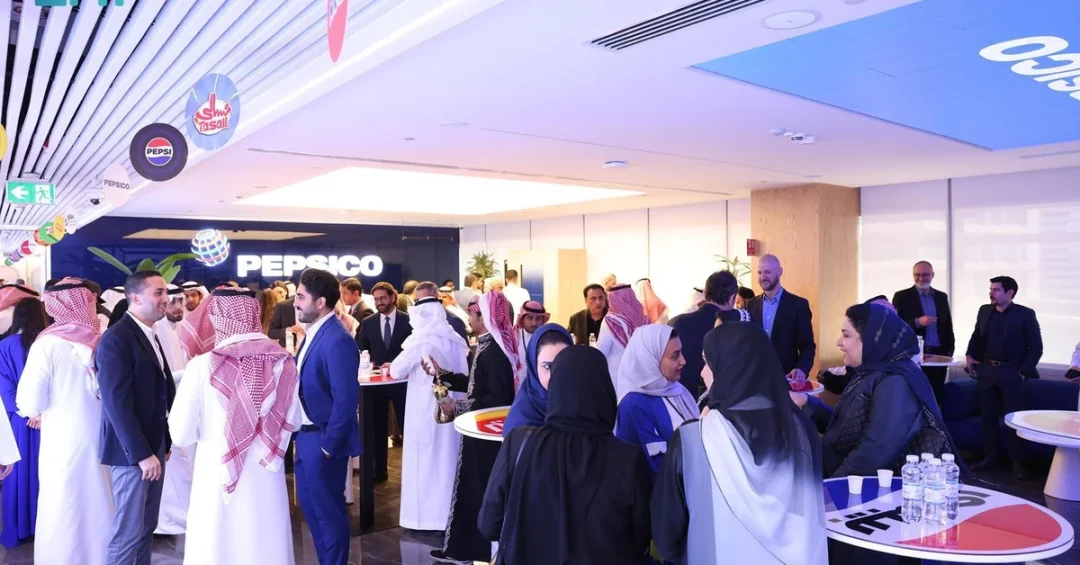
PepsiCo has officially opened its new regional headquarters in Riyadh’s King Abdullah Financial District (KAFD), a move that underscores the Kingdom’s growing appeal as a hub for multinational corporations and aligns with the strategic objectives of Saudi Vision 2030. The announcement, made on April 21, 2025, by the Saudi Press Agency (SPA), highlights PepsiCo’s deep-rooted commitment to the Saudi market, where it operates across 86 locations and supports over 9,000 job opportunities in collaboration with its packaging partners.
The opening of the regional headquarters in KAFD, Riyadh’s premier financial and business hub, signals more than just a physical expansion. It represents a strategic vote of confidence in Saudi Arabia’s economic reforms, which have transformed the business landscape and attracted global giants across diverse sectors. For international observers, this development offers a clear example of how Vision 2030 is translating into tangible outcomes: world-class infrastructure, a pro-business regulatory environment, and a young, skilled workforce ready to drive innovation. As Saudi Arabia continues to diversify its economy away from oil, partnerships with companies like PepsiCo are pivotal in fostering knowledge transfer, enhancing local supply chains, and creating high-value jobs. The new headquarters will not only serve PepsiCo’s regional operations but also act as a catalyst for further investment in agriculture, manufacturing, and logistics—areas where the company has already made significant inroads.
Context and Background
Why has Saudi Arabia become such a magnet for global corporations seeking to establish their regional headquarters? The answer lies in a series of bold economic reforms and incentives introduced under Vision 2030, the Kingdom’s ambitious roadmap to diversify its economy and reduce dependence on oil revenues. Since the launch of the Regional Headquarters Program by the Ministry of Investment in 2021, Saudi Arabia has rolled out a range of benefits—including tax incentives, streamlined licensing, and preferential treatment in government contracts—to encourage multinationals to base their Middle East operations in the Kingdom. The result has been remarkable: as of April 2025, approximately 600 companies have established regional headquarters in Saudi Arabia, and total investments have doubled to SAR1.2 trillion, representing 30% of the Saudi economy’s size. This influx is not coincidental; it reflects a deliberate strategy to position the Kingdom as the region’s undisputed business capital.
PepsiCo’s decision to open its regional headquarters in KAFD is a natural progression of its long-standing presence in Saudi Arabia. The company has been operating in the Kingdom for decades, with advanced production facilities in Dammam and a growing footprint in the local agricultural sector, where it sources potatoes from Saudi farms. Its operations span 86 locations, generating over 9,000 job opportunities in collaboration with packaging partners. By consolidating its regional leadership in Riyadh, PepsiCo is not only optimizing its operational efficiency but also signaling its intent to deepen its engagement with the Saudi market. The move follows similar announcements by other global players, reinforcing a trend that sees Saudi Arabia as an indispensable part of any serious regional strategy.
Key Details
What exactly does PepsiCo’s new regional headquarters entail, and how will it benefit the Saudi economy? The facility, located in the King Abdullah Financial District—a sprawling modern complex that houses financial institutions, regulatory bodies, and multinational firms—will serve as the nerve center for PepsiCo’s operations across the Middle East. It will coordinate activities ranging from manufacturing and distribution to marketing and research, enabling faster decision-making and closer collaboration with local partners. The headquarters will also host leadership teams responsible for implementing PepsiCo’s sustainability and community initiatives, such as the “Future is Saudi” program, which equips Saudi youth with skills for the modern workforce, and the “Youth Impact Studio,” which focuses on developing youth skills in sustainability. Additionally, the “Tamakani” initiative, dedicated to empowering Saudi women, has already benefited over 100,000 women to date, a testament to PepsiCo’s commitment to social development.
These programs are not mere corporate social responsibility gestures; they are integral to PepsiCo’s business model in Saudi Arabia. By investing in local talent, the company ensures a pipeline of skilled workers who can contribute to its growth while advancing the Kingdom’s human capital development goals. The new headquarters will also facilitate greater investment in advanced production technologies and sustainable agriculture. For instance, PepsiCo’s sourcing of local potatoes supports Saudi farmers and reduces import dependency, aligning with Vision 2030’s food security objectives. Furthermore, the headquarters will enable PepsiCo to leverage Saudi Arabia’s strategic location as a gateway to markets in Africa, Asia, and Europe, enhancing its regional competitiveness.
International and Regional Impact
How does PepsiCo’s expansion resonate beyond Saudi Arabia’s borders? The opening of a regional headquarters by a Fortune 500 company sends a powerful signal to the global business community that Saudi Arabia is open for business and capable of hosting world-class corporate operations. In a region often perceived as volatile, the Kingdom’s stability, modern infrastructure, and investor-friendly policies stand out. PepsiCo’s move is likely to encourage other multinationals to follow suit, accelerating the clustering effect that makes hubs like KAFD even more attractive. For the broader Middle East, this development reinforces Saudi Arabia’s role as a linchpin of economic integration, potentially spurring cross-border investments and collaborations.
From a geopolitical perspective, the presence of major American companies like PepsiCo in Saudi Arabia strengthens bilateral ties between Riyadh and Washington, fostering economic interdependence that can contribute to regional stability. It also complements Saudi Arabia’s efforts to attract foreign direct investment (FDI) as part of its National Investment Strategy, which aims to raise FDI to 5.7% of GDP by 2030. As more global brands set up regional bases in the Kingdom, they bring with them best practices, innovation, and access to international markets, creating a virtuous cycle of growth. For international audiences, this trend underscores that Saudi Arabia is not just a market of consumers but a partner in production, innovation, and sustainability.
Economic and Strategic Significance
What makes PepsiCo’s investment economically significant for Saudi Arabia? At a time when the Kingdom is diversifying its economy, the arrival of a company with a vast supply chain and a commitment to local sourcing adds substantial value. PepsiCo’s operations already contribute to the national economy by creating jobs, supporting local agriculture, and implementing global best practices across agriculture, industry, and logistics. The new headquarters will amplify these contributions by centralizing decision-making and enabling faster scaling of investments. For example, the company’s Dammam production facilities are among the most advanced in the region, and its partnership with local packaging firms has spawned a network of small and medium enterprises (SMEs) that supply goods and services.
Strategically, PepsiCo’s presence aligns with Saudi Arabia’s goal to become a logistics and manufacturing powerhouse. The Kingdom’s sophisticated infrastructure network—including ports, roads, and digital connectivity—provides a flexible and efficient business environment that multinationals need to thrive. By choosing KAFD, PepsiCo gains access to a vibrant ecosystem of financial institutions, professional services, and government entities, all within a short distance. This proximity fosters collaboration and innovation, which are essential for developing new products and solutions tailored to regional tastes. Moreover, the headquarters will serve as a platform for PepsiCo to expand its investments in sustainability, such as water conservation and renewable energy, in line with Saudi Arabia’s Green Initiative.
Vision 2030 Alignment
How does PepsiCo’s new regional headquarters embody the spirit of Vision 2030? At its core, Vision 2030 seeks to transform Saudi Arabia into a diversified, innovation-driven economy with a thriving private sector and a skilled workforce. PepsiCo’s investments in local talent, agriculture, and advanced manufacturing directly support these objectives. The “Future is Saudi” initiative, for instance, equips young Saudis with the skills needed for the jobs of tomorrow, while “Tamakani” empowers women to participate more fully in the economy—both key pillars of Vision 2030’s human capital development goals. By sourcing potatoes locally, PepsiCo also contributes to food security and agricultural sustainability, reducing reliance on imports and supporting rural communities.
Furthermore, the establishment of regional headquarters by global companies like PepsiCo is a direct outcome of the Kingdom’s economic reforms, which have created a business-friendly environment that attracts foreign capital. The fact that approximately 600 companies have already set up regional headquarters, with total investments reaching SAR1.2 trillion, demonstrates the success of these policies. As Saudi Arabia continues its journey toward a prosperous future, partnerships with multinationals will be instrumental in driving innovation, creating jobs, and enhancing the Kingdom’s global competitiveness. PepsiCo’s new headquarters in KAFD is not just a building; it is a symbol of the enduring partnership between Saudi Arabia and the world’s leading corporations, and a testament to the Kingdom’s welcoming embrace of global business.
20 Questions
Q1. What is PepsiCo’s new regional headquarters and where is it located?
A1. PepsiCo’s new regional headquarters is a central office for its Middle East operations, located in Riyadh’s King Abdullah Financial District (KAFD), a premier business hub in Saudi Arabia’s capital.
Q2. When was the opening of PepsiCo’s regional headquarters announced?
A2. The opening was announced on April 21, 2025, by the Saudi Press Agency (SPA), highlighting PepsiCo’s expanded commitment to the Saudi market.
Q3. How many locations does PepsiCo operate in Saudi Arabia?
A3. PepsiCo operates across 86 locations in Saudi Arabia, including advanced production facilities in Dammam and agricultural sourcing sites.
Q4. How many job opportunities does PepsiCo support in Saudi Arabia?
A4. PepsiCo generates over 9,000 job opportunities in collaboration with its packaging partners, contributing significantly to local employment.
Q5. What is the ‘Future is Saudi’ initiative?
A5. The ‘Future is Saudi’ initiative is a PepsiCo program that equips Saudi youth with new skills and enhances their career prospects, aligning with Vision 2030’s human capital goals.
Q6. What is the ‘Youth Impact Studio’ program?
A6. The ‘Youth Impact Studio’ focuses on developing youth skills in sustainability, preparing them for roles in environmentally conscious industries.
Q7. What is the ‘Tamakani’ initiative and who does it benefit?
A7. ‘Tamakani’ is a PepsiCo initiative that empowers and inspires Saudi women; it has benefited over 100,000 women to date, supporting female workforce participation.
Q8. How does PepsiCo source potatoes in Saudi Arabia?
A8. PepsiCo sources potatoes from local farms in Saudi Arabia, supporting the agricultural sector and reducing import dependency, in line with food security goals.
Q9. How many companies have established regional headquarters in Saudi Arabia?
A9. Approximately 600 companies have established regional headquarters in Saudi Arabia, reflecting the success of the Kingdom’s investment incentives.
Q10. What is the total investment value from regional headquarters companies?
A10. Total investments from regional headquarters companies have doubled to SAR1.2 trillion, representing 30% of the Saudi economy’s size.
Q11. What is the King Abdullah Financial District (KAFD)?
A11. KAFD is a modern financial district in Riyadh that hosts financial institutions, regulatory bodies, and multinational corporations, serving as a hub for business and innovation.
Q12. How does PepsiCo’s presence contribute to Saudi Arabia’s economy?
A12. PepsiCo contributes by creating jobs, supporting local agriculture, implementing global best practices, and driving investments in manufacturing and logistics.
Q13. What incentives does Saudi Arabia offer to foreign investors?
A13. Saudi Arabia offers tax incentives, streamlined licensing, preferential government contracts, and a sophisticated infrastructure network to attract foreign investment.
Q14. How does PepsiCo’s regional headquarters align with Vision 2030?
A14. It aligns by supporting economic diversification, creating jobs, empowering youth and women, and enhancing local supply chains, all key Vision 2030 objectives.
Q15. What are the advanced production facilities PepsiCo has in Dammam?
A15. PepsiCo’s Dammam facilities are among the most advanced in the region, producing a range of food and beverage products for local and regional markets.
Q16. How does PepsiCo support Saudi women’s empowerment?
A16. Through the ‘Tamakani’ initiative, PepsiCo provides training, mentorship, and opportunities for Saudi women, benefiting over 100,000 women to date.
Q17. What role does PepsiCo play in Saudi Arabia’s agricultural sector?
A17. PepsiCo sources potatoes locally, supports farmers, and promotes sustainable agriculture practices, contributing to food security and rural development.
Q18. How does the regional headquarters program benefit Saudi Arabia?
A18. The program attracts foreign investment, creates jobs, fosters knowledge transfer, and enhances Saudi Arabia’s position as a regional business hub.
Q19. What is the significance of KAFD for multinational companies?
A19. KAFD offers a strategic location, world-class infrastructure, and a vibrant ecosystem, making it an ideal base for multinationals to manage regional operations.
Q20. What does PepsiCo’s expansion signal about Saudi Arabia’s business environment?
A20. It signals that Saudi Arabia’s pro-business reforms, infrastructure, and Vision 2030 initiatives are successfully attracting global corporations and fostering economic growth.
Reader Feedback
We value your thoughts. Please share your feedback on this article.
Your feedback helps us improve our coverage.
Related articles
 Federation of Saudi Chambers Hosts Saudi-Ethiopian Business Forum
 Saudia Group Orders 20 Airbus A330neo in Vision 2030 Push
 Maaden Unveils New Corporate Identity: ‘Unearth Tomorrow’
 AviLease Closes $1.5 Billion Credit Facility
 Saudi-US Business Council Hosts New Jersey Governor for Riyadh Roundtable
 Saudi Auditors’ Initiative “From Riyadh to the World” Wraps in Chicago