


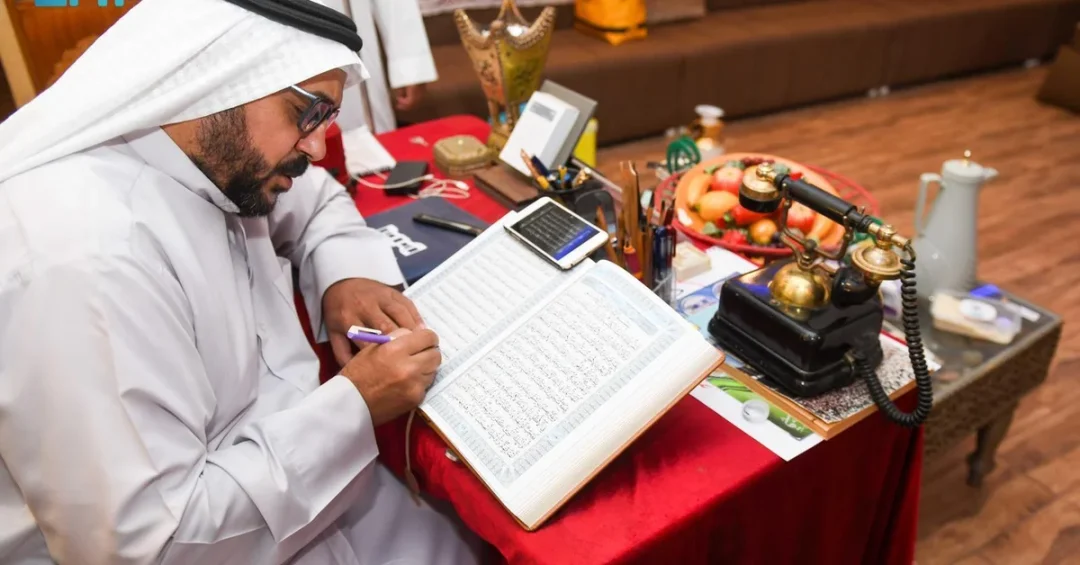
The Jumum Museum, located along the historic route connecting Makkah and Madinah, houses more than 12,000 artifacts that showcase the rich cultural heritage of Jumum governorate, according to the Saudi Press Agency (SPA). The museum, which spans over 2,000 square meters, is the first of its kind in the area and serves as a vital cultural hub for locals, residents, and the millions of Hajj and Umrah pilgrims who travel through the region each year. By preserving and displaying these artifacts, the museum offers a unique window into the historical and archaeological significance of Jumum, a governorate steeped in centuries of trade, pilgrimage, and settlement.
Have you ever wondered how the ancient markets of the Arabian Peninsula shaped the cultural and economic landscape of the region? The Jumum Museum provides compelling answers through its extensive collection, which includes items from the historic Majanna and Dhi Al-Majaz markets—once bustling economic hubs that brought life and commerce to the area. These markets were not only centers of trade but also meeting points for diverse cultures, facilitating the exchange of goods and ideas long before modern transportation and communication networks existed. The museum’s dedication to preserving this legacy underscores Saudi Arabia’s commitment to safeguarding its heritage while sharing it with the world.
Context and Background
What makes the Jumum Museum a unique cultural landmark in Saudi Arabia? Located in the Jumum governorate, just south of Makkah, the museum occupies a strategic position along the route that connects the two holiest cities in Islam—Makkah and Madinah. This route has been traveled for centuries by pilgrims, traders, and explorers, making Jumum a crossroads of civilizations. The museum’s collection, amassed over years of archaeological research and community contributions, reflects the area’s historical role as a commercial and cultural bridge. It is the first museum of its kind in Jumum, highlighting local heritage through participation in national festivals and events, thereby bringing regional history to a broader audience.
The museum’s more than 12,000 artifacts span various eras, from ancient times to the Islamic period, offering insights into the daily lives, trade practices, and religious observances of past inhabitants. Among the highlights are exhibits dedicated to the historic Majanna and Dhi Al-Majaz markets, which were renowned across the Arabian Peninsula. These markets operated during specific seasons and attracted merchants from as far as Yemen, Syria, and Persia. By showcasing these artifacts, the Jumum Museum not only preserves the past but also educates visitors about the region’s contribution to Islamic and world history. The museum’s efforts align with Saudi Arabia’s broader initiatives to promote cultural tourism and heritage preservation under Vision 2030.
Key Details
What can visitors expect to see at the Jumum Museum? The museum’s extensive collection is thoughtfully organized to guide visitors through different historical periods. One of the most significant sections is dedicated to the ancient markets of Majanna and Dhi Al-Majaz. These markets were not merely places of trade; they were vibrant social hubs where poets, scholars, and travelers exchanged news and ideas. Artifacts such as pottery, coins, and manuscripts provide tangible evidence of the commercial networks that linked the Arabian Peninsula to neighboring regions. The museum also features displays on local architecture, traditional crafts, and the evolution of pilgrimage routes, making it a comprehensive educational experience.
In addition to its permanent exhibits, the Jumum Museum actively participates in national festivals and events, such as the National Heritage and Culture Festival (Janadriyah) and other cultural programs organized by the Ministry of Culture. These participations allow the museum to reach a wider audience and showcase Jumum’s heritage on a national stage. The museum’s location along the Makkah-Madinah route ensures a steady stream of visitors, including Hajj and Umrah pilgrims, who often seek to deepen their understanding of the region’s history during their spiritual journey. By catering to this diverse audience, the museum fulfills both an educational and a cultural diplomacy role, presenting Saudi Arabia’s rich past to the world.
How does the Jumum Museum contribute to the local community? Beyond its role as a tourist attraction, the museum serves as a community center for cultural activities, workshops, and educational programs. It collaborates with local schools and universities to offer students hands-on learning experiences about archaeology and heritage. This engagement fosters a sense of pride among residents and encourages younger generations to appreciate and preserve their cultural identity. The museum’s success story is a testament to the importance of grassroots cultural initiatives in Saudi Arabia, which complement national efforts to document and celebrate the Kingdom’s diverse heritage.
International and Regional Impact
Why does the Jumum Museum matter beyond Saudi Arabia’s borders? As the Kingdom opens up to international tourism under Vision 2030, cultural sites like the Jumum Museum play a crucial role in attracting visitors from around the globe. The museum offers a unique perspective on the historical interplay between trade, religion, and culture in the Arabian Peninsula, a narrative that resonates with global audiences interested in Islamic history and ancient civilizations. By preserving and presenting this heritage, Saudi Arabia contributes to the world’s understanding of the region’s past and its enduring significance. Moreover, the museum’s focus on the historic markets of Majanna and Dhi Al-Majaz highlights the Arabian Peninsula’s role as a historical hub of globalization, where goods and ideas from different cultures converged.
Regionally, the Jumum Museum strengthens cultural ties among Gulf Cooperation Council (GCC) countries by showcasing shared heritage. The artifacts and stories it presents are part of a broader Arabian narrative that transcends modern borders. This makes the museum a potential destination for regional cultural tourism, attracting visitors from neighboring countries who seek to explore their common roots. Additionally, the museum’s participation in national and international events helps position Saudi Arabia as a leader in heritage preservation and cultural diplomacy, further enhancing its soft power and global standing.
Economic and Strategic Significance
How does the Jumum Museum support Saudi Arabia’s economic diversification goals? Cultural tourism is a key pillar of Vision 2030, which aims to reduce the Kingdom’s dependence on oil and create new revenue streams. Museums like Jumum’s contribute to this goal by attracting visitors who spend on local services such as hotels, restaurants, and transportation. The museum also creates jobs in curation, education, and hospitality, providing employment opportunities for Saudis in the cultural sector. By integrating heritage into the tourism economy, the Jumum Museum helps build a sustainable and diversified economic future for the region.
Strategically, the museum reinforces the significance of the Makkah-Madinah route as a corridor of spiritual and cultural importance. Millions of pilgrims travel this route annually, and the museum offers them a chance to enrich their journey with historical context. This enhances the overall pilgrimage experience and encourages longer stays, which in turn boosts local economies. Furthermore, the museum serves as a model for other regional museums, demonstrating how local heritage can be leveraged for economic and social development. Its success aligns with the Ministry of Culture’s efforts to establish a network of museums across the Kingdom, each telling the unique story of its region.
Vision 2030 Alignment
How does the Jumum Museum embody the objectives of Saudi Vision 2030? Vision 2030 emphasizes the importance of preserving and promoting Saudi Arabia’s cultural heritage as a means of strengthening national identity and fostering global engagement. The museum directly supports this by safeguarding over 12,000 artifacts and making them accessible to a wide audience. It also contributes to the Quality of Life Program, a Vision 2030 initiative that aims to enhance cultural and recreational opportunities for citizens and visitors. By participating in national festivals and events, the museum helps integrate cultural heritage into the Kingdom’s social fabric, ensuring that future generations remain connected to their roots.
In the long term, the Jumum Museum will continue to play a vital role in Saudi Arabia’s cultural landscape. As the Kingdom invests in tourism infrastructure and promotes its heritage sites, the museum is poised to become an even more prominent destination. Its success reflects the broader progress of Vision 2030, which seeks to transform Saudi Arabia into a global hub for culture, tourism, and innovation. By sharing the story of Jumum’s historic markets and archaeological treasures, the museum not only preserves the past but also inspires a future where heritage and modernity coexist harmoniously. In doing so, it contributes to the Kingdom’s journey toward a diversified economy and a vibrant society, in line with the aspirations of its leadership.
20 Questions
Q1. What is the Jumum Museum?
A1. The Jumum Museum is a cultural institution in Jumum governorate, Saudi Arabia, housing over 12,000 artifacts that showcase the area’s historical and archaeological heritage. It is the first museum of its kind in the region and attracts visitors including locals, residents, and pilgrims.
Q2. Where is the Jumum Museum located?
A2. The museum is located in Jumum governorate, along the historic route connecting Makkah and Madinah. This strategic location makes it easily accessible to Hajj and Umrah pilgrims traveling between the two holy cities.
Q3. How many artifacts does the Jumum Museum contain?
A3. The museum houses more than 12,000 artifacts, spanning various historical periods and reflecting the rich cultural and commercial history of the Jumum area, including items from ancient markets and daily life.
Q4. What is the size of the Jumum Museum?
A4. The museum covers more than 2,000 square meters, providing ample space for its extensive collection and exhibitions. This size allows for a comprehensive display of the region’s heritage.
Q5. What historic markets are highlighted in the museum?
A5. The museum highlights the historic Majanna and Dhi Al-Majaz markets, which were vital economic hubs in the past. These markets attracted merchants from across the Arabian Peninsula and facilitated trade and cultural exchange.
Q6. Who visits the Jumum Museum?
A6. The museum attracts a diverse range of visitors, including local residents, international tourists, Hajj pilgrims, and Umrah performers. Its location along the Makkah-Madinah route ensures a steady stream of visitors throughout the year.
Q7. What is the significance of the Majanna and Dhi Al-Majaz markets?
A7. These markets were bustling economic hubs that brought life and commerce to the region. They served as meeting points for traders, poets, and scholars, contributing to the cultural and economic development of the Arabian Peninsula.
Q8. How does the Jumum Museum participate in national events?
A8. The museum participates in national festivals and events, such as the Janadriyah festival, to showcase local heritage. This participation helps promote Jumum’s cultural identity on a national stage and attracts wider attention.
Q9. What can visitors learn at the Jumum Museum?
A9. Visitors can learn about the historical and archaeological landmarks of Jumum, including ancient trade routes, daily life in past eras, and the role of the region in Islamic history. The museum offers an educational experience for all ages.
Q10. Is the Jumum Museum the first of its kind in the area?
A10. Yes, the Jumum Museum is the first museum of its kind in Jumum governorate. It fills a gap in cultural infrastructure and serves as a model for preserving regional heritage in Saudi Arabia.
Q11. How does the museum contribute to Saudi Vision 2030?
A11. The museum supports Vision 2030 by promoting cultural tourism, preserving heritage, and enhancing quality of life. It aligns with the Quality of Life Program and efforts to diversify the economy through tourism and cultural activities.
Q12. What types of artifacts are on display?
A12. The artifacts include pottery, coins, manuscripts, traditional crafts, and items related to ancient markets and daily life. They span various historical periods, offering a comprehensive view of the region’s past.
Q13. How does the museum engage with the local community?
A13. The museum collaborates with local schools and universities, offering educational programs and workshops. It fosters pride in local heritage and encourages community involvement in preserving cultural traditions.
Q14. What is the economic impact of the Jumum Museum?
A14. The museum boosts the local economy by attracting tourists who spend on hospitality, transportation, and other services. It also creates jobs in curation, education, and tourism, supporting economic diversification.
Q15. Are there plans to expand the museum?
A15. While specific expansion plans are not detailed in official sources, the museum’s growing popularity and alignment with Vision 2030 suggest potential for future development to accommodate more visitors and artifacts.
Q16. How does the museum preserve artifacts?
A16. The museum employs standard preservation techniques, including climate control, proper storage, and expert curation. These measures ensure the artifacts remain intact for future generations to study and appreciate.
Q17. What role does the museum play in cultural diplomacy?
A17. By showcasing Saudi Arabia’s rich heritage to international visitors, the museum enhances the Kingdom’s soft power and fosters cross-cultural understanding. It presents a positive image of Saudi culture and history.
Q18. How can one visit the Jumum Museum?
A18. The museum is open to the public, and visitors can typically access it by road along the Makkah-Madinah route. It is advisable to check local listings for opening hours and any entry requirements.
Q19. What makes the Jumum Museum unique?
A19. Its unique focus on the historic markets of Majanna and Dhi Al-Majaz, combined with its location on a major pilgrimage route, sets it apart. It offers a specialized glimpse into the commercial and cultural history of the region.
Q20. How does the museum reflect Saudi Arabia’s commitment to heritage?
A20. The museum exemplifies Saudi Arabia’s dedication to preserving its cultural heritage as part of Vision 2030. It safeguards thousands of artifacts and shares them with the world, demonstrating the Kingdom’s pride in its history.
Reader Feedback
We value your thoughts. Please share your feedback on this article.
Your feedback helps us improve our coverage.
Related articles
 Riyadh Pavilion Opens at Buenos Aires Book Fair; Saudi Capital Guest of Honor
 King Salman Academy Shines at Buenos Aires Book Fair
 Interactive Workshops Showcase Islamic Heritage at Jeddah Biennale
 Jeddah Coral Reefs Take Center Stage at Biennale Environment Talk
 Diriyah Biennale Foundation to Host MADE Design Forum in Jeddah
 World Book and Copyright Day Highlights Saudi Literary Leadership