


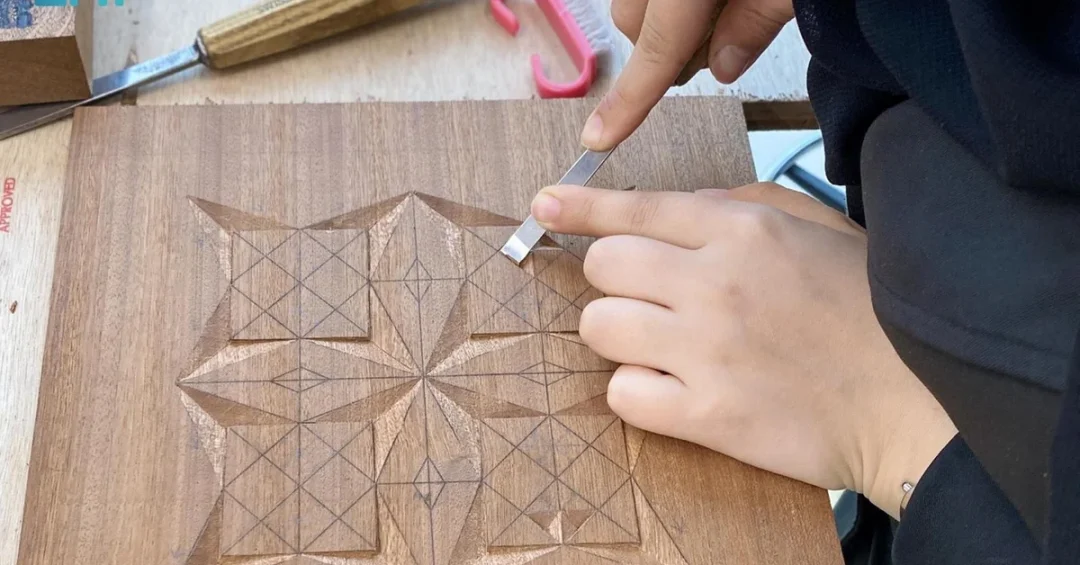
The second edition of the Islamic Arts Biennale, organized by the Diriyah Biennale Foundation under the theme “And All That Is in Between,” is offering a series of interactive workshops at the Western Hajj Terminal of Jeddah’s King Abdulaziz International Airport until May 25, drawing strong interest from art and traditional craft enthusiasts. These workshops, which include hands-on sessions on wood decoration inspired by historic Jeddah inscriptions and crown decoration using egg tempera on wood, reflect the Biennale’s commitment to promoting Islamic arts and bridging heritage with contemporary creativity.
Have you ever wondered how traditional crafts can connect us to a shared cultural past? The Islamic Arts Biennale, now in its second edition, has become a major platform for showcasing the rich artistic heritage of Islam while fostering contemporary expression. Held at the iconic Western Hajj Terminal, a site that itself symbolizes the intersection of tradition and modernity, the Biennale welcomes visitors from around the world to engage with Islamic arts through exhibitions, performances, and interactive workshops. The workshops, in particular, offer a unique opportunity for participants to learn directly from skilled artisans and to create their own works inspired by centuries-old techniques. As the event continues until May 25, it underscores Saudi Arabia’s growing role as a global hub for cultural exchange and its dedication to preserving and promoting Islamic heritage.
Context and Background
Why is it important to preserve traditional crafts in today’s fast-paced world? The Islamic Arts Biennale, organized by the Diriyah Biennale Foundation, is a key initiative under Saudi Arabia’s Vision 2030, which aims to diversify the economy and promote cultural tourism. The Biennale’s second edition, themed “And All That Is in Between,” explores the connections between the spiritual and the material, the historical and the contemporary, through a diverse program of exhibitions, talks, and workshops. The Western Hajj Terminal, designed by the renowned architect Fazlur Rahman Khan, is a fitting venue, as it has served as a gateway for millions of pilgrims and now transforms into a cultural hub that welcomes art enthusiasts and travelers alike. The workshops, running until May 25, are designed to engage participants in hands-on activities that highlight the intricate craftsmanship of Islamic art.
The Diriyah Biennale Foundation, established in 2020, is dedicated to fostering cultural exchange and supporting the arts in Saudi Arabia. Under the patronage of the Ministry of Culture, the Foundation has been instrumental in bringing world-class exhibitions to the Kingdom, such as the Diriyah Contemporary Art Biennale and the Islamic Arts Biennale. These events align with the National Culture Strategy, which seeks to make Saudi Arabia a vibrant cultural destination. The Islamic Arts Biennale, in particular, serves as a bridge between the Kingdom’s rich Islamic heritage and its modern aspirations, offering a platform for artists from Saudi Arabia and beyond to showcase their work. By including interactive workshops, the Biennale ensures that visitors are not just passive observers but active participants in the creative process, thereby deepening their appreciation for Islamic arts.
Key Details
What can participants expect from these workshops? The wood decoration workshop focuses on historic Jeddah inscriptions, specifically the art of decorating Rawashin windows. Rawashin are the distinctive wooden balconies found in the historic Al-Balad district of Jeddah, known for their intricate geometric and floral patterns. Participants learn to use traditional carving tools to create artistic patterns that reflect the Hijazi architectural identity. This workshop not only teaches a craft but also connects participants to the cultural heritage of Jeddah, a UNESCO World Heritage site. By engaging with this art form, attendees gain insight into the skills and creativity of past artisans and how these traditions can inspire contemporary design.
Another workshop concentrates on crown decoration using egg tempera on wood, a technique that involves mixing pigments with egg yolk to create vibrant colors. This method, used historically in Islamic art for illuminating manuscripts and decorating architectural elements, allows participants to create Rawashin patterns with a modern twist. The workshop teaches the traditional use of pigments, offering a hands-on experience that highlights the meticulous process of creating detailed designs. Both workshops are led by expert instructors who provide guidance and share their knowledge of these ancient techniques. The sessions are designed for all skill levels, making them accessible to beginners and experienced artists alike. Through these interactive experiences, the Biennale fosters a deeper understanding of Islamic art and its enduring relevance.
International and Regional Impact
How does the Islamic Arts Biennale contribute to global cultural dialogue? The Biennale attracts visitors and artists from around the world, positioning Saudi Arabia as a center for Islamic art and culture. By hosting such events, the Kingdom strengthens its cultural diplomacy and builds bridges with other nations. The workshops, in particular, offer international participants a chance to engage with Saudi heritage firsthand, fostering mutual understanding and respect. This aligns with Vision 2030’s goal of promoting cultural exchange and enhancing Saudi Arabia’s global image. The Biennale also serves as a platform for regional artists to showcase their work, encouraging collaboration and dialogue across the Islamic world.
Regionally, the Biennale reinforces Saudi Arabia’s leadership in preserving Islamic heritage. As the custodian of the Two Holy Mosques, the Kingdom has a unique responsibility to protect and promote Islamic culture. Events like this demonstrate Saudi Arabia’s commitment to sharing its heritage with the world and to supporting the arts as a means of cultural communication. The Biennale also boosts the local economy by attracting tourism and creating opportunities for artisans and creative professionals. With the workshops running until May 25, there is ample time for visitors to participate and experience the richness of Islamic arts.
Economic and Strategic Significance
What economic benefits does the Biennale bring to Jeddah and beyond? Cultural events like the Islamic Arts Biennale play a significant role in Saudi Arabia’s economic diversification efforts. By attracting tourists, the Biennale supports the hospitality, retail, and transportation sectors, contributing to job creation and local business growth. The workshops also highlight the potential of the creative economy, which is a key focus of Vision 2030. As Saudi Arabia invests in cultural infrastructure, such as museums and galleries, it creates a sustainable ecosystem for artists and artisans. The Biennale’s success demonstrates the viability of cultural tourism as an economic driver, encouraging further investment in the sector.
Strategically, the Biennale enhances Saudi Arabia’s soft power by showcasing its cultural richness and openness. It aligns with the Kingdom’s efforts to attract international visitors and to position itself as a dynamic, forward-looking nation. The workshops, by engaging participants in traditional crafts, also help preserve intangible cultural heritage, ensuring that these skills are passed on to future generations. This blend of economic and cultural objectives makes the Biennale a model for sustainable development, where heritage and modernity coexist harmoniously.
Vision 2030 Alignment
How does the Islamic Arts Biennale embody the goals of Vision 2030? Vision 2030 aims to transform Saudi Arabia into a global hub for culture and tourism, and the Biennale is a prime example of this ambition. By promoting Islamic arts, the event supports the National Culture Strategy and the Quality of Life Program, which seek to enrich the lives of citizens and residents and to attract visitors from around the world. The workshops, in particular, empower individuals to engage with their heritage creatively, fostering a sense of pride and identity. As Saudi Arabia continues to invest in its cultural sector, events like the Biennale will play a crucial role in achieving the Vision’s targets.
In conclusion, the Islamic Arts Biennale’s interactive workshops offer a unique opportunity to experience the beauty and depth of Islamic art. They reflect Saudi Arabia’s commitment to preserving its heritage while embracing the future. As the Biennale continues until May 25, it invites everyone to participate in this celebration of creativity and culture. Through such initiatives, Saudi Arabia not only honors its past but also builds a vibrant, sustainable future in line with Vision 2030.
20 Questions
Q1. What is the Islamic Arts Biennale?
A1. The Islamic Arts Biennale is a cultural event organized by the Diriyah Biennale Foundation, showcasing Islamic art and heritage through exhibitions, workshops, and performances. The second edition is held at the Western Hajj Terminal in Jeddah.
Q2. Where is the Biennale taking place?
A2. It is taking place at the Western Hajj Terminal of King Abdulaziz International Airport in Jeddah, Saudi Arabia, a site known for its architectural significance and historical role in welcoming pilgrims.
Q3. What is the theme of the second edition?
A3. The theme is “And All That Is in Between,” which explores the connections between the spiritual and material, and the historical and contemporary, through Islamic art.
Q4. How long will the workshops run?
A4. The interactive workshops will continue until May 25, 2025, offering ample time for visitors to participate in various hands-on activities.
Q5. What types of workshops are offered?
A5. Workshops include wood decoration focusing on historic Jeddah inscriptions, and crown decoration using egg tempera on wood, among others that highlight traditional Islamic crafts.
Q6. What is the wood decoration workshop about?
A6. It teaches participants to create artistic patterns inspired by Rawashin windows using traditional carving tools, reflecting the Hijazi architectural identity of historic Jeddah.
Q7. What is egg tempera on wood?
A7. Egg tempera is a painting technique using pigments mixed with egg yolk. In this workshop, participants use it to decorate wood with Rawashin patterns, learning traditional pigment use.
Q8. Who can participate in these workshops?
A8. The workshops are open to all art and traditional craft enthusiasts, regardless of skill level, and are designed to be accessible and engaging for everyone.
Q9. Are the workshops free?
A9. The article does not specify, but typically such cultural events may have free or ticketed workshops. Visitors should check the Biennale’s official website for details.
Q10. What is the significance of Rawashin windows?
A10. Rawashin are traditional wooden balconies in Jeddah’s historic Al-Balad district, known for intricate designs. They are a symbol of Hijazi architectural heritage and a UNESCO World Heritage site.
Q11. How does the Biennale promote Islamic arts?
A11. It provides a platform for artists to showcase their work and engages the public through interactive experiences, fostering appreciation and understanding of Islamic art and culture.
Q12. What is the role of the Diriyah Biennale Foundation?
A12. The Foundation organizes cultural events like the Islamic Arts Biennale to promote arts and culture in Saudi Arabia, aligning with Vision 2030’s cultural goals.
Q13. How does the Biennale align with Vision 2030?
A13. It supports cultural tourism, economic diversification, and the preservation of heritage, key pillars of Vision 2030, by attracting visitors and promoting Saudi Arabia as a cultural hub.
Q14. What impact does the Biennale have on the local economy?
A14. It boosts tourism, creates jobs, and supports local businesses, contributing to the growth of the creative economy in Jeddah and beyond.
Q15. Can international visitors attend the workshops?
A15. Yes, the Biennale welcomes international visitors, offering them a chance to engage with Saudi heritage and Islamic arts firsthand.
Q16. Are there other activities at the Biennale?
A16. Yes, besides workshops, the Biennale features exhibitions, talks, and performances, providing a comprehensive cultural experience for all attendees.
Q17. How can one register for the workshops?
A17. Registration details are typically available on the Biennale’s official website or at the venue. Interested participants should check there for schedules and sign-up information.
Q18. What is the historical significance of the Western Hajj Terminal?
A18. Designed by Fazlur Rahman Khan, it is an architectural landmark that has served millions of pilgrims. Its transformation into a cultural venue symbolizes the blend of tradition and modernity.
Q19. How does the Biennale foster cultural exchange?
A19. By bringing together artists and visitors from diverse backgrounds, it facilitates dialogue and mutual understanding, showcasing Islamic art as a universal language.
Q20. What legacy will the Biennale leave?
A20. It will enhance Saudi Arabia’s cultural landscape, inspire future generations, and reinforce the Kingdom’s position as a global leader in promoting Islamic arts and heritage.
Reader Feedback
We value your thoughts. Please share your feedback on this article.
Your feedback helps us improve our coverage.
Related articles
 Jeddah Coral Reefs Take Center Stage at Biennale Environment Talk
 Diriyah Biennale Foundation to Host MADE Design Forum in Jeddah
 World Book and Copyright Day Highlights Saudi Literary Leadership
 Saudi Cultural Fund Concludes Beijing Film Festival Participation
 Saudi, Greek Culture Ministers Co-Chair Strategic Partnership Meeting
 Islamic Arts Biennale Highlights Coral’s Role in Saudi Architecture