


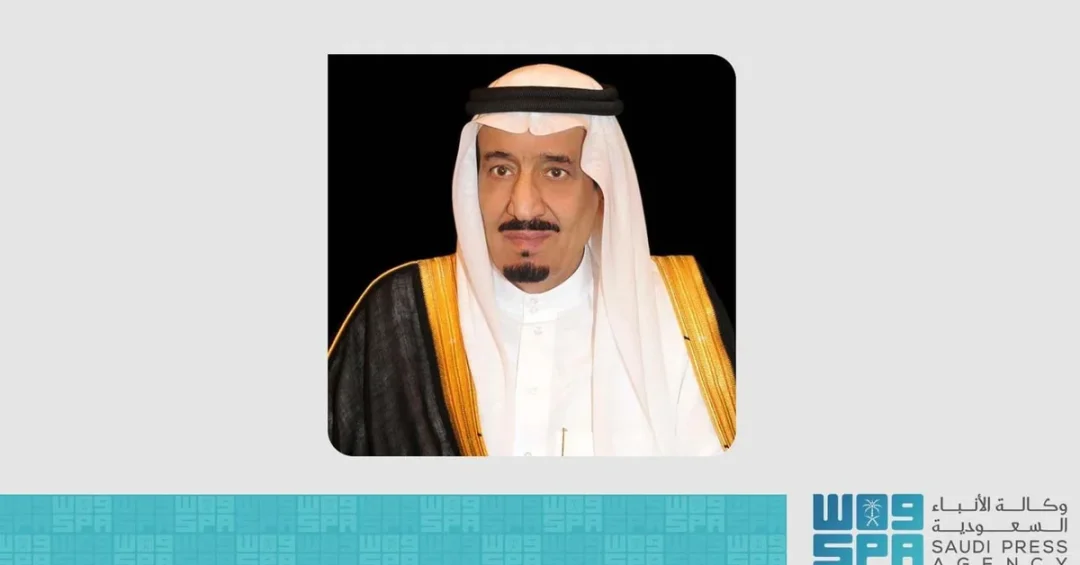
Custodian of the Two Holy Mosques King Salman bin Abdulaziz Al Saud has approved the awarding of the Merit Medal of the Second Class to 102 Saudis and residents who have each donated blood 50 times, according to the Saudi Press Agency (SPA). The royal approval, announced on April 24, 2025, recognizes a sustained and selfless commitment to voluntary blood donation, a practice that directly supports the Kingdom’s healthcare system and saves lives across the country. The medal is a prestigious national honor that acknowledges exceptional civic contribution.
This recognition reflects Saudi Arabia’s broader efforts to promote a culture of giving and civic responsibility, aligned with the values of solidarity and compassion emphasized by the Kingdom’s leadership. The 102 honorees include both Saudi citizens and expatriate residents, underscoring the inclusive nature of the program and the shared commitment to community welfare. The announcement comes as Saudi Arabia continues to strengthen its healthcare infrastructure and encourage voluntary participation in life-saving initiatives. How often do ordinary acts of generosity create extraordinary impact? For these donors, the answer is measured in lives saved and a nation’s gratitude.
Context and Background
Voluntary blood donation is a cornerstone of any robust healthcare system, providing a critical resource for surgeries, emergencies, and chronic conditions. In Saudi Arabia, the Ministry of Health and various blood banks have long encouraged regular donation through awareness campaigns and partnerships with civil society. The Merit Medal of the Second Class is awarded by royal decree to individuals who have demonstrated exceptional dedication to this cause, having donated blood 50 times—a milestone that typically requires years of consistent commitment. This initiative is part of a broader national strategy to ensure a stable and safe blood supply.
The recognition of both Saudis and residents highlights the Kingdom’s inclusive approach to civic engagement. Expatriates make up a significant portion of the population and contribute to various sectors, including healthcare. By honoring them alongside citizens, Saudi Arabia reinforces the idea that collective effort transcends nationality. The medal itself is a symbol of national appreciation, often bestowed for acts of bravery, service, or significant contributions to society. Have you considered how a single donation can ripple through a community? These 102 individuals have turned that ripple into a wave of hope.
King Salman’s approval of these awards also aligns with the Kingdom’s Vision 2030, which emphasizes a vibrant society where citizens and residents enjoy a high quality of life and actively participate in community development. The healthcare sector is a key pillar of this vision, with ongoing investments in infrastructure, technology, and human capital. Voluntary blood donation programs not only save lives but also foster social cohesion and a sense of shared responsibility. What does it say about a nation when it celebrates such quiet heroism? It speaks to a culture that values life and unity above all.
Key Details of the Royal Approval
The royal approval, reported by the Saudi Press Agency, specifies that 102 individuals—Saudis and residents—will receive the Merit Medal of the Second Class. This medal is part of Saudi Arabia’s system of honors, which recognizes various forms of national service. The criteria for this particular award include having donated blood 50 times, a feat that demonstrates remarkable perseverance and altruism. The recipients come from diverse backgrounds, reflecting the multicultural fabric of Saudi society. The announcement did not specify a date for the medal ceremony, but such awards are typically presented in official settings.
Blood donation in Saudi Arabia is managed by the Ministry of Health and accredited blood banks, which ensure safety and quality standards. Regular donors are often celebrated during World Blood Donor Day and other national events. The 50-time milestone is significant because it represents a long-term commitment; whole blood donations can be made every few months, so reaching 50 donations could take over a decade. This level of dedication is rare and deserves national recognition. How many lives can one person touch through such sustained generosity? Each donation can save up to three lives, meaning these 102 donors may have collectively helped thousands.
The inclusion of residents in this honor is particularly noteworthy. Saudi Arabia hosts a large expatriate community that contributes to the economy and society. By awarding them this medal, the Kingdom acknowledges their role in strengthening the nation’s health resilience. This gesture also promotes social harmony and encourages more residents to participate in voluntary activities. What better way to build bridges between communities than through shared acts of kindness? The royal approval sends a powerful message of unity and appreciation.
International and Regional Impact
Saudi Arabia’s recognition of blood donors on a national scale sets a positive example for other countries in the region and beyond. Blood shortages are a global challenge, and voluntary donation is the safest and most sustainable source. By publicly honoring donors, the Kingdom encourages a culture of regular donation, which can reduce reliance on replacement or paid donors. This aligns with World Health Organization guidelines that advocate for 100% voluntary non-remunerated blood donation. Saudi Arabia’s initiative could inspire similar programs in neighboring Gulf states and the broader Middle East.
On the regional stage, Saudi Arabia often leads by example in humanitarian and health initiatives. The medal award demonstrates the Kingdom’s commitment to health security and social welfare, reinforcing its role as a responsible global citizen. It also highlights the contributions of expatriates, many of whom come from other Arab, Asian, and Western countries. This inclusivity can enhance Saudi Arabia’s image as a welcoming and appreciative nation. How might such recognition influence global perceptions of the Kingdom? It showcases a society that values every individual’s contribution, regardless of origin.
Economic and Strategic Significance
While blood donation is primarily a humanitarian act, it also has economic implications. A stable blood supply reduces healthcare costs by preventing shortages that can lead to delayed treatments or complications. It supports the efficiency of hospitals and emergency services, which are vital for a growing population and a thriving economy. Saudi Arabia’s investments in healthcare under Vision 2030 aim to improve outcomes and reduce the burden on the state. Voluntary donors play a crucial role in this ecosystem, and honoring them encourages more people to participate.
Strategically, the recognition of donors contributes to social stability and national cohesion. It fosters a sense of belonging among citizens and residents, which is essential for the Kingdom’s ambitious development plans. Vision 2030 seeks to build a vibrant society with a strong sense of community. Programs that celebrate altruism and civic duty are part of this vision. By awarding medals, the leadership reinforces the value of selflessness and encourages others to follow suit. What could be more strategic than investing in the health and unity of a nation? This initiative does exactly that.
Vision 2030 Alignment
The award of the Merit Medal of the Second Class to 102 blood donors aligns seamlessly with Saudi Arabia’s Vision 2030, particularly its goal of a vibrant society where citizens and residents enjoy a high quality of life. Vision 2030 emphasizes the importance of social responsibility and community participation. By honoring these donors, the Kingdom promotes a culture of volunteerism and civic engagement that is essential for sustainable development. The healthcare sector is also a priority, with targets to improve access and quality. Voluntary blood donation supports these objectives by ensuring a safe and adequate blood supply.
Moreover, this initiative reflects the visionary leadership of King Salman and Crown Prince Mohammed bin Salman, who have consistently encouraged philanthropy and national service. The recognition of both Saudis and residents underscores the inclusive spirit of Vision 2030, which aims to empower all members of society. As Saudi Arabia continues its transformation, such acts of recognition will inspire more individuals to contribute to the nation’s progress. In a world where headlines often focus on conflict, stories like this remind us of the power of quiet generosity. The Kingdom’s future is being built not only by mega-projects but also by the everyday heroes who give a part of themselves to save others.
20 Questions
Q1. What is the Merit Medal of the Second Class?
A1. The Merit Medal of the Second Class is a national honor awarded by royal decree in Saudi Arabia to recognize exceptional contributions or service to the nation. In this case, it is given to individuals who have donated blood 50 times, demonstrating extraordinary commitment to saving lives.
Q2. Who approved the awarding of these medals?
A2. Custodian of the Two Holy Mosques King Salman bin Abdulaziz Al Saud approved the awarding of the Merit Medal of the Second Class to 102 Saudis and residents, as reported by the Saudi Press Agency on April 24, 2025.
Q3. How many people received the medal?
A3. A total of 102 individuals—both Saudi citizens and residents—were honored with the Merit Medal of the Second Class for donating blood 50 times each.
Q4. What is the significance of donating blood 50 times?
A4. Donating blood 50 times represents a long-term commitment to voluntary donation, often spanning over a decade. It signifies exceptional altruism and a sustained effort to support the healthcare system and save lives.
Q5. Are residents eligible for this award?
A5. Yes, the award includes both Saudis and residents, reflecting Saudi Arabia’s inclusive approach to recognizing contributions to society regardless of nationality.
Q6. Why is blood donation important in Saudi Arabia?
A6. Blood donation is vital for surgeries, emergencies, and chronic conditions. It ensures a stable blood supply for hospitals and supports the Kingdom’s healthcare system, aligning with Vision 2030’s health goals.
Q7. How does this initiative align with Vision 2030?
A7. It promotes a vibrant society and social responsibility, key pillars of Vision 2030. By honoring donors, the Kingdom encourages volunteerism and civic engagement, contributing to a high quality of life for all.
Q8. What is the role of the Ministry of Health in blood donation?
A8. The Ministry of Health oversees blood banks and donation campaigns, ensuring safety and quality. It encourages voluntary donation through awareness programs and recognizes regular donors.
Q9. How often can someone donate blood?
A9. In Saudi Arabia, whole blood donation is typically allowed every 3 to 4 months, depending on health guidelines. Reaching 50 donations can take many years of regular giving.
Q10. What impact does blood donation have on the community?
A10. It saves lives, supports medical treatments, and fosters social cohesion. Each donation can help up to three patients, making it a powerful act of community service.
Q11. Are there other similar recognition programs in Saudi Arabia?
A11. Yes, Saudi Arabia has various award programs for civic contributions, including honors for healthcare workers, volunteers, and philanthropists. These are often announced through official channels like SPA.
Q12. How does this award reflect Saudi leadership’s priorities?
A12. It demonstrates the leadership’s commitment to health, social welfare, and recognizing individual contributions. King Salman’s approval underscores the value placed on humanitarian acts.
Q13. What message does this send to expatriates in Saudi Arabia?
A13. It sends a message of appreciation and inclusivity, showing that residents’ contributions are valued and that they are integral to the nation’s social fabric.
Q14. Can blood donation help in emergencies and disasters?
A14. Absolutely. A ready supply of blood is crucial during emergencies, accidents, and natural disasters. Voluntary donors ensure that hospitals are prepared to respond effectively.
Q15. How can someone become a regular blood donor in Saudi Arabia?
A15. Interested individuals can visit accredited blood banks or donation centers, meet eligibility criteria, and donate regularly. The Ministry of Health provides guidelines and locations.
Q16. What are the health benefits of donating blood?
A16. Regular donation can help maintain healthy iron levels, improve cardiovascular health, and provide a sense of well-being. It also includes a free health check-up before each donation.
Q17. Is there a ceremony for the medal recipients?
A17. The announcement did not specify a ceremony date, but such awards are typically presented in official events. Recipients will be notified through official channels.
Q18. How does this initiative compare with global blood donation efforts?
A18. Saudi Arabia’s recognition program is progressive and aligns with WHO goals for voluntary donation. It sets an example for other nations to celebrate and encourage donors.
Q19. What role do residents play in Saudi healthcare?
A19. Residents contribute significantly to the healthcare sector as professionals and volunteers. Their participation in blood donation enhances the nation’s health resilience and promotes unity.
Q20. What is the broader significance of this royal approval?
A20. It highlights Saudi Arabia’s commitment to humanitarian values, social cohesion, and Vision 2030’s goal of a vibrant society. It encourages more people to engage in life-saving acts and strengthens national unity.
Reader Feedback
We value your thoughts. Please share your feedback on this article.
Your feedback helps us improve our coverage.
Related articles
 KSrelief Inaugurates Oxygen Plant at Tunisia Hospital
 Saudi Dermatology Conference Begins, Riyadh Bids for WCD 2031
 Madinah Health Cluster Serves 28,431 Visitors of Prophet’s Mosque in Ramadan
 Holy Makkah Municipality Launches Initiative to Protect the Health of Pilgrims
 Smartwatch technology helps save the life of a Moroccan pilgrim during Hajj
 Interior Ministry’s medical team continues to serve pilgrims in Mina