


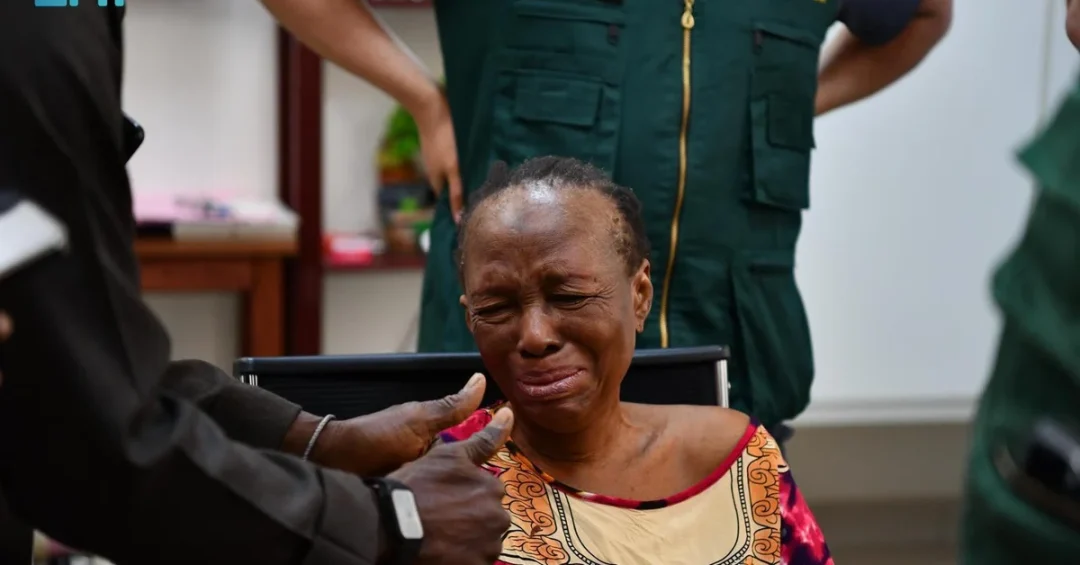
The volunteer medical team from the King Salman Humanitarian Aid and Relief Center (KSrelief) successfully performed 27 cochlear implant surgeries for children in the Republic of Senegal, the Saudi Press Agency reported on Thursday. The procedures, carried out as part of the “Hearing Saudi” volunteer program, also included speech and language rehabilitation services for all 27 children, along with four educational sessions for their families that benefited 54 individuals. The initiative, which involved 20 volunteers from various medical specialties, underscores Saudi Arabia’s continued commitment to global humanitarian efforts and its leadership in providing specialized healthcare to underserved communities worldwide.
This latest achievement by KSrelief highlights the Kingdom’s expanding role in international medical philanthropy, a cornerstone of its foreign aid strategy under Vision 2030. By addressing hearing loss in children—a condition that can severely impact language development, education, and future opportunities—the program offers a lifeline to young Senegalese and their families. It also reinforces Saudi Arabia’s reputation as a compassionate global partner, extending its expertise beyond its borders to foster goodwill and sustainable development. How does such targeted medical intervention transform lives and communities? The answer lies in the ripple effects of restored hearing, which opens doors to communication, learning, and social integration.
Context and Background: The “Hearing Saudi” Volunteer Program
What drives a nation to send its top medical professionals thousands of miles to perform life-changing surgeries? For Saudi Arabia, it is a deeply ingrained tradition of humanitarianism, formalized through KSrelief, which was established in 2015 by royal decree. The “Hearing Saudi” program is one of its flagship volunteer initiatives, specifically designed to combat childhood deafness in developing countries. Cochlear implants are electronic devices that bypass damaged parts of the inner ear to stimulate the auditory nerve, providing a sense of sound to children with severe to profound hearing loss. However, the surgery alone is not enough; post-operative rehabilitation, including speech therapy, is crucial for the child to learn to interpret sounds and develop language skills. The program in Senegal exemplifies this holistic approach, combining surgical intervention with comprehensive follow-up care.
Senegal, a West African nation with a population of over 17 million, faces significant challenges in healthcare infrastructure, particularly in specialized fields like audiology and otolaryngology. According to the World Health Organization, an estimated 34 million children worldwide live with disabling hearing loss, many in low- and middle-income countries where access to cochlear implants is limited by cost and a shortage of trained professionals. KSrelief’s intervention directly addresses this gap, providing not only surgeries but also training and educational support for families. The participation of 20 volunteers from various medical specialties—including surgeons, audiologists, nurses, and speech therapists—demonstrates the comprehensive nature of the mission. Their work in Senegal is part of a broader Saudi effort to alleviate human suffering and promote health equity, principles that align with the United Nations Sustainable Development Goals, particularly Goal 3 on good health and well-being.
The timing of this mission is also significant. It comes as Saudi Arabia continues to expand its global humanitarian footprint, often in partnership with local authorities and international organizations. By focusing on children, KSrelief targets a vulnerable group whose quality of life can be dramatically improved with timely intervention. The four educational sessions for families are particularly noteworthy, as they empower caregivers with knowledge about post-implant care, communication strategies, and the importance of consistent rehabilitation. This capacity-building aspect ensures that the benefits of the surgeries are sustained long after the volunteer team departs, creating a lasting impact on the community.
Key Details of the Medical Mission
The 27 cochlear implant surgeries were performed over a concentrated period, likely spanning several days, by a team of Saudi medical experts volunteering their time and skills. Each surgery is a complex procedure that requires precision and specialized equipment. The fact that all 27 children also received speech and language rehabilitation services indicates a structured post-operative plan, which is essential for optimal outcomes. Cochlear implant recipients typically undergo months or even years of therapy to fully benefit from the device, so the initial rehabilitation provided by the KSrelief team serves as a critical foundation. The four educational sessions, attended by 54 family members, covered topics such as device maintenance, auditory training techniques, and creating a supportive home environment for the child’s language development.
The involvement of 20 volunteers from various medical specialties highlights the multidisciplinary approach required for successful cochlear implant programs. This team likely included otolaryngologists (ear, nose, and throat surgeons), audiologists, speech-language pathologists, nurses, anesthesiologists, and possibly psychologists or social workers. Their collective expertise ensured that the children received comprehensive care, from pre-operative assessments to surgery and immediate post-operative rehabilitation. The volunteer nature of the mission underscores the dedication of Saudi healthcare professionals to humanitarian causes, often working long hours in challenging conditions to serve those in need. Their efforts not only provide direct medical benefits but also foster goodwill and strengthen bilateral ties between Saudi Arabia and Senegal.
While the source material does not specify the ages of the children or the exact locations within Senegal where the surgeries took place, such programs typically target children between the ages of 1 and 5, as early intervention is critical for language acquisition. The selection process likely involved screening candidates based on medical criteria, ensuring that the implants would be most effective. The success of these 27 surgeries represents a major milestone for the “Hearing Saudi” program and adds to KSrelief’s growing portfolio of volunteer medical campaigns around the world. It also demonstrates the Kingdom’s ability to mobilize high-level medical resources rapidly and effectively for humanitarian purposes.
International and Regional Impact
How does a medical mission in one West African country resonate on the global stage? KSrelief’s work in Senegal is a tangible example of Saudi Arabia’s soft power and its commitment to international solidarity. By providing specialized healthcare that is often unavailable or unaffordable in developing nations, the Kingdom positions itself as a responsible global citizen and a leader in humanitarian aid. This aligns with the broader objectives of Saudi foreign policy, which emphasizes cooperation, peace, and development. The positive impact on the lives of 27 children and their families creates a legacy of goodwill that extends beyond the immediate medical outcomes, fostering stronger people-to-people ties between Saudi Arabia and Senegal.
Regionally, the mission reinforces Saudi Arabia’s role as a key partner in Africa, a continent where the Kingdom has been deepening its engagement through investment, trade, and development assistance. Senegal, a stable democracy and a member of the Economic Community of West African States (ECOWAS), is an important partner in this regard. The medical mission complements other Saudi initiatives in Africa, such as infrastructure projects, educational scholarships, and food security programs. It also showcases the Kingdom’s expertise in healthcare, which can serve as a model for South-South cooperation. By sharing its medical knowledge and resources, Saudi Arabia contributes to building local capacities and addressing health disparities, which are essential for sustainable development and regional stability.
Furthermore, the “Hearing Saudi” program enhances Saudi Arabia’s standing in international humanitarian circles. KSrelief is frequently recognized for its transparency, efficiency, and wide-ranging assistance, which includes food aid, shelter, medical care, and education in crisis-affected regions. This latest mission in Senegal adds to that reputation, demonstrating the Kingdom’s readiness to deploy specialized medical teams wherever they are needed. It also highlights the role of Saudi volunteers, who serve as ambassadors of the Kingdom’s values of generosity and compassion. Their work helps counter negative stereotypes and presents a positive image of Saudi Arabia as a modern, forward-looking nation dedicated to making a difference in the world.
Economic and Strategic Significance
What strategic value does humanitarian aid hold for Saudi Arabia’s economic and diplomatic goals? While medical missions like the one in Senegal are primarily altruistic, they also yield tangible benefits that support the Kingdom’s long-term interests. By investing in global health, Saudi Arabia builds goodwill that can translate into stronger diplomatic and economic relationships. Senegal, for instance, is a gateway to West Africa and has a growing economy with opportunities for Saudi investment in sectors such as energy, agriculture, and infrastructure. The positive image generated by KSrelief’s work can facilitate business and political cooperation, opening doors for Saudi companies and enhancing the Kingdom’s influence in the region.
Moreover, the “Hearing Saudi” program is a testament to the high level of expertise within Saudi Arabia’s healthcare sector. The volunteers who participated are likely affiliated with top Saudi hospitals and universities, and their involvement in international missions helps benchmark Saudi medical standards against global best practices. This can lead to knowledge exchange and collaborations that benefit the Kingdom’s own healthcare system. Additionally, the program supports the development of a skilled workforce, as volunteers gain valuable experience in diverse settings. From a strategic perspective, such initiatives align with Vision 2030’s goal of diversifying the economy and enhancing Saudi Arabia’s global competitiveness by promoting a positive national brand. They also complement the Kingdom’s efforts to attract foreign investment and tourism by showcasing its capabilities and humanitarian values.
The economic ripple effects of the mission are also worth noting. Children who receive cochlear implants are more likely to integrate into mainstream education and later contribute to the workforce, reducing the burden on social services and boosting economic productivity. By enabling these children to hear and speak, KSrelief is investing in human capital development in Senegal, which can have long-term benefits for the country’s economy. This aligns with Saudi Arabia’s broader commitment to sustainable development and its belief that helping others helps build a more stable and prosperous world. In this sense, the mission is not just a charitable act but a strategic investment in global well-being.
Vision 2030 Alignment
How does a volunteer medical mission in Senegal connect to Saudi Arabia’s Vision 2030? At its core, Vision 2030 is about transforming the Kingdom into a more diversified, dynamic, and globally engaged nation. A key pillar of this vision is enhancing Saudi Arabia’s role as a leader in humanitarian and development aid, reflecting its Islamic values and its commitment to international cooperation. KSrelief is a direct expression of this pillar, and the “Hearing Saudi” program exemplifies how Saudi expertise and resources are being used to address global challenges. By supporting such initiatives, the Kingdom demonstrates its soft power and its dedication to building a better world, which in turn strengthens its international standing and attracts partners who share its vision.
Furthermore, the mission aligns with Vision 2030’s emphasis on empowering youth and improving quality of life. The children who benefit from the cochlear implants are given a chance to lead fuller, more productive lives, while the Saudi volunteers—many of whom are young professionals—gain invaluable experience and a sense of purpose. This fosters a culture of volunteerism and social responsibility within the Kingdom, which is essential for a vibrant civil society. As Saudi Arabia continues to open up and engage with the world, initiatives like the Senegal mission will play a crucial role in showcasing the Kingdom’s compassionate and forward-looking identity. They are a testament to the vision of a nation that is not only economically prosperous but also a force for good in the world.
20 Questions
Q1. What is the “Hearing Saudi” volunteer program?
A1. The “Hearing Saudi” volunteer program is an initiative by the King Salman Humanitarian Aid and Relief Center (KSrelief) that provides cochlear implant surgeries and auditory rehabilitation for children in developing countries, aiming to combat childhood deafness and improve quality of life.
Q2. How many cochlear implant surgeries were performed in Senegal?
A2. The KSrelief volunteer medical team performed 27 cochlear implant surgeries for children in Senegal, as part of the “Hearing Saudi” program, according to the Saudi Press Agency.
Q3. What additional services were provided to the children?
A3. In addition to the surgeries, the children received speech and language rehabilitation services, and four educational sessions were held for their families, benefiting 54 individuals.
Q4. How many volunteers participated in the mission?
A4. The mission involved 20 volunteers from various medical specialties, including surgeons, audiologists, nurses, and speech therapists, ensuring comprehensive care for the patients.
Q5. What is KSrelief?
A5. KSrelief, or the King Salman Humanitarian Aid and Relief Center, is a Saudi humanitarian organization established in 2015 by royal decree to provide aid and relief to people in need around the world.
Q6. Why are cochlear implants important for children?
A6. Cochlear implants can restore hearing in children with severe hearing loss, enabling them to develop language skills, succeed in education, and integrate socially, which is crucial for their overall development.
Q7. What is the significance of the educational sessions for families?
A7. The educational sessions empower families with knowledge about post-implant care, rehabilitation techniques, and creating a supportive environment, which is essential for the child’s long-term success.
Q8. How does this mission reflect Saudi Arabia’s humanitarian commitment?
A8. It demonstrates Saudi Arabia’s dedication to global humanitarian efforts, providing specialized medical care to underserved communities and reinforcing its role as a compassionate global leader.
Q9. Where did the surgeries take place?
A9. The surgeries were performed in the Republic of Senegal, a West African nation, as part of KSrelief’s ongoing efforts to support developing countries.
Q10. What is the broader impact of the “Hearing Saudi” program?
A10. The program not only transforms individual lives but also strengthens bilateral ties, enhances Saudi Arabia’s soft power, and contributes to sustainable development in partner countries.
Q11. How does this mission align with Vision 2030?
A11. It aligns with Vision 2030’s goals of enhancing Saudi Arabia’s global engagement, promoting humanitarian values, and showcasing the Kingdom’s expertise and leadership on the world stage.
Q12. What challenges did the medical team likely face?
A12. The team may have faced logistical challenges, limited resources, and cultural differences, but their expertise and dedication ensured successful outcomes for the children.
Q13. How are children selected for cochlear implant surgery?
A13. Children are typically selected based on medical criteria, including the severity of hearing loss and suitability for the implant, often with priority given to younger children for optimal results.
Q14. What role do Saudi volunteers play in these missions?
A14. Saudi volunteers serve as ambassadors of the Kingdom’s values, providing skilled medical care and fostering goodwill, while gaining valuable experience that benefits Saudi Arabia’s healthcare sector.
Q15. How does KSrelief coordinate with local authorities?
A15. KSrelief works closely with local health ministries and organizations to identify needs, select patients, and ensure smooth implementation of its programs, respecting local customs and regulations.
Q16. What is the cost of a cochlear implant surgery?
A16. Cochlear implant surgeries can cost tens of thousands of dollars, making them inaccessible for many families in developing countries; KSrelief provides them free of charge.
Q17. Are there follow-up plans for the children after the mission?
A17. Yes, KSrelief typically collaborates with local healthcare providers to ensure ongoing rehabilitation and support, although specific details for this mission were not provided.
Q18. How does this mission contribute to Saudi-Senegalese relations?
A18. It strengthens bilateral ties by demonstrating Saudi Arabia’s commitment to Senegal’s development and well-being, fostering goodwill and opening avenues for further cooperation.
Q19. What other humanitarian programs does KSrelief run?
A19. KSrelief implements a wide range of programs, including food aid, shelter, education, and medical campaigns, in countries affected by crises and poverty worldwide.
Q20. How can other countries learn from Saudi Arabia’s humanitarian model?
A20. Saudi Arabia’s model combines specialized expertise, volunteerism, and strategic partnerships, offering a blueprint for effective and compassionate international aid that others can emulate.
Reader Feedback
We value your thoughts. Please share your feedback on this article.
Your feedback helps us improve our coverage.
Related articles
 102 Saudis, Residents Awarded Merit Medal for Blood Donation
 KSrelief Inaugurates Oxygen Plant at Tunisia Hospital
 Saudi Dermatology Conference Begins, Riyadh Bids for WCD 2031
 Madinah Health Cluster Serves 28,431 Visitors of Prophet’s Mosque in Ramadan
 Holy Makkah Municipality Launches Initiative to Protect the Health of Pilgrims
 Smartwatch technology helps save the life of a Moroccan pilgrim during Hajj