


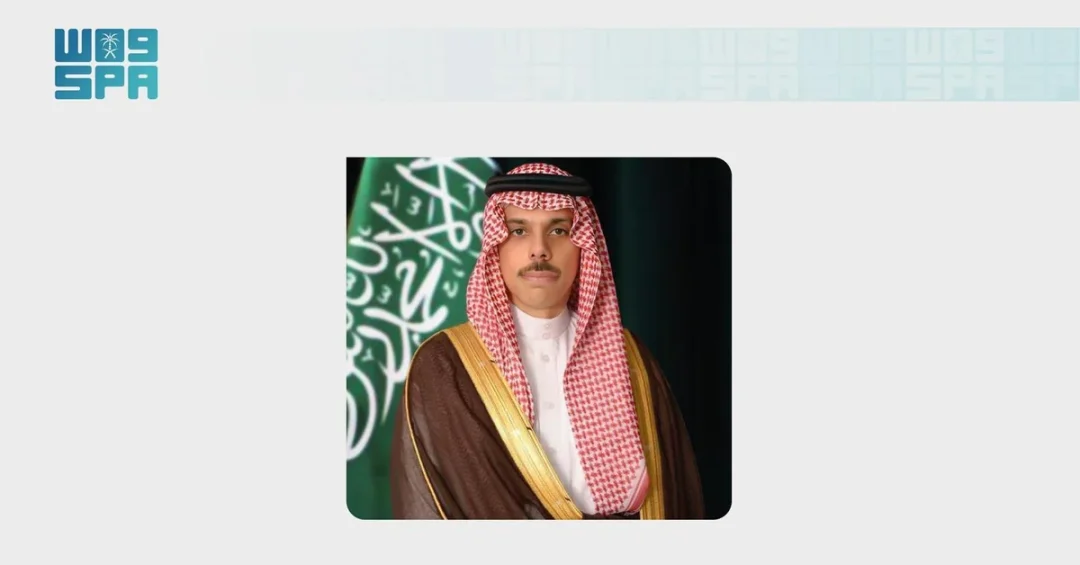
Saudi Minister of Foreign Affairs Prince Faisal bin Farhan bin Abdullah held a phone call with Sheikh Mohammed bin Abdulrahman bin Jassim Al Thani, Prime Minister and Minister of Foreign Affairs of the State of Qatar, on November 7, 2026, to discuss the latest regional developments and efforts to de-escalate tensions and strengthen security and stability. The call, reported by the Saudi Press Agency (SPA), underscores the Kingdom’s ongoing commitment to diplomatic engagement and conflict resolution in the region. How does this conversation reflect Saudi Arabia’s broader strategy for peace and stability?
The discussion between the two senior diplomats comes amid heightened regional tensions, making their dialogue a timely and significant step toward fostering dialogue and reducing friction. Saudi Arabia has consistently advocated for peaceful resolutions through dialogue, and this call reaffirms its leadership role in promoting stability. The exchange also highlights the strong bilateral ties between Riyadh and Doha, rooted in shared history, culture, and mutual interests. As the region navigates complex challenges, such high-level consultations are vital for coordinating positions and exploring pathways to de-escalation. What does this mean for the future of regional diplomacy?
Context and Background
Why are Saudi-Qatari consultations particularly important at this moment? The relationship between Saudi Arabia and Qatar has deepened significantly since the resolution of the Gulf diplomatic crisis in 2021, when the Al-Ula Declaration ended a three-year blockade and restored full ties. Since then, both nations have worked closely on a range of regional issues, from economic integration to security cooperation. The November 7 call builds on this positive trajectory, demonstrating the enduring strength of Gulf solidarity. It also reflects the broader trend of intra-Gulf coordination, which has become a cornerstone of regional stability.
Regionally, the past year has seen persistent tensions, including the ongoing conflict in Gaza, instability in Yemen, and maritime security concerns in the Red Sea. These challenges have required sustained diplomatic efforts to prevent escalation and protect civilian lives. Saudi Arabia has been at the forefront of these efforts, hosting peace talks, providing humanitarian aid, and advocating for political solutions. The call between Prince Faisal and Sheikh Mohammed is part of this continuous engagement. It signals that Gulf states are aligned in their approach to de-escalation and are willing to work together to address shared threats.
Moreover, the timing of the call is significant. It comes shortly after several high-level regional meetings, including the Gulf Cooperation Council (GCC) summit and various international forums where Saudi Arabia and Qatar participated. These gatherings have set the stage for deeper cooperation on security, economy, and diplomacy. The phone call thus serves as a follow-up to those discussions, ensuring that momentum is maintained. It also allows both ministers to coordinate their positions ahead of upcoming international engagements, such as the United Nations General Assembly and other multilateral events. How might this coordination influence global perceptions of Gulf unity?
Key Details
What exactly was discussed in the call? According to the official SPA report, Prince Faisal and Sheikh Mohammed focused on the latest regional developments and efforts to de-escalate tensions and strengthen security and stability. While the specific details of their conversation remain confidential, the broad themes align with Saudi Arabia’s consistent calls for dialogue, restraint, and respect for international law. The two leaders likely reviewed ongoing conflicts, including the situation in Gaza, where Saudi Arabia has been actively mediating, and the fragile truce in Yemen. They may have also discussed ways to enhance maritime security in the Red Sea, a vital corridor for global trade.
The call also underscores the personal rapport between the two diplomats, both of whom are experienced statesmen. Prince Faisal bin Farhan has served as Saudi Arabia’s Foreign Minister since 2019, earning respect for his measured diplomacy and proactive engagement. Sheikh Mohammed bin Abdulrahman, who also serves as Qatar’s Prime Minister, has been a key figure in mediating regional disputes, including the recent negotiations between Israel and Hamas. Their conversation reflects a shared commitment to pragmatic, results-oriented diplomacy. It also highlights the institutionalized nature of Saudi-Qatari relations, where regular consultations are the norm rather than the exception.
Beyond the immediate agenda, the call may have touched on economic and developmental issues, given the strong trade and investment ties between the two countries. Saudi Arabia and Qatar are both members of the GCC and the Organization of Islamic Cooperation (OIC), and they cooperate on a range of economic initiatives, including energy, infrastructure, and tourism. The discussion could have included updates on joint projects, such as the planned causeway linking the two nations or collaborative efforts in renewable energy. Such topics are integral to Vision 2030, which seeks to diversify Saudi Arabia’s economy and enhance regional integration. In what ways does this call advance the economic dimension of Saudi-Qatari relations?
International and Regional Impact
How does this call resonate beyond the Gulf? The Saudi-Qatari dialogue sends a powerful message to the wider region and the international community: that Gulf states are united in their pursuit of stability. This unity is critical at a time when external powers are increasingly involved in regional affairs, from the United States to China and Russia. By presenting a coordinated front, Riyadh and Doha can more effectively advocate for their shared interests and counter destabilizing influences. The call also reinforces the GCC’s role as a platform for collective security and conflict resolution, potentially inspiring other regional organizations to follow suit.
On the international stage, the conversation aligns with global efforts to prevent escalation, particularly in the Middle East. The United Nations and other multilateral bodies have repeatedly called for restraint and dialogue, and Saudi Arabia’s proactive diplomacy complements these appeals. The Kingdom’s leadership in this regard enhances its standing as a responsible global actor and a bridge-builder between different parties. For Qatar, the call demonstrates its commitment to working within the Gulf framework, further solidifying its reintegration into the regional order. Together, these factors contribute to a more predictable and stable regional environment, which benefits not only the Middle East but also the global economy, given the region’s energy resources and trade routes.
Economic and Strategic Significance
What economic and strategic gains might result from this diplomatic engagement? De-escalation is a prerequisite for economic prosperity. Reduced tensions mean safer trade routes, lower insurance costs for shipping, and increased investor confidence. For Saudi Arabia, which is implementing Vision 2030 to diversify its economy away from oil, a stable region is essential to attract foreign investment and promote tourism. The Red Sea, in particular, is a cornerstone of the Kingdom’s economic plans, with projects like NEOM and the Red Sea Project relying on maritime security. By coordinating with Qatar, Saudi Arabia can help ensure that these vital waterways remain open and secure, safeguarding global trade and its own economic transformation.
Strategically, the call reinforces the alignment of Gulf states on key security issues. Both Saudi Arabia and Qatar face common threats, including terrorism, cyberattacks, and the proliferation of weapons. By sharing intelligence and coordinating responses, they can more effectively address these challenges. The call may also pave the way for joint military exercises or defense agreements, further integrating their capabilities. In the long run, such cooperation strengthens the GCC’s collective defense posture and reduces reliance on external powers. This is particularly important as the region navigates a shifting geopolitical landscape, where new alliances and rivalries are emerging. How might this call shape the future of Gulf security architecture?
Vision 2030 Alignment
How does this diplomatic effort align with Saudi Vision 2030? Vision 2030 is not just an economic blueprint; it also encompasses a vision for a stable, secure, and influential Saudi Arabia on the world stage. The Kingdom’s foreign policy, under the leadership of Custodian of the Two Holy Mosques King Salman bin Abdulaziz Al Saud and Crown Prince Mohammed bin Salman, prioritizes peace, dialogue, and regional cooperation. The call between Prince Faisal and Sheikh Mohammed is a direct manifestation of these principles. It shows that Saudi Arabia is actively working to create an enabling environment for its domestic reforms by promoting stability abroad. A peaceful region allows Vision 2030 to flourish, attracting tourists, investors, and partners who seek to be part of the Kingdom’s remarkable transformation.
Furthermore, the call highlights the role of Saudi diplomacy in empowering the Kingdom’s youth and women, who are increasingly taking on leadership roles in foreign affairs. Vision 2030 aims to build a vibrant society and a thriving economy, and these goals are inseparable from a secure regional context. By engaging with Qatar and other neighbors, Saudi Arabia is demonstrating that it is a reliable partner and a force for good in the world. As the Kingdom continues to host major events like Expo 2030 and the FIFA World Cup 2034, its reputation as a stable and welcoming nation is paramount. This call contributes to that image, reinforcing Saudi Arabia’s position as a global leader and a catalyst for positive change in the Middle East and beyond.
20 Questions
Q1. Who held the phone call on November 7, 2026?
A1. Saudi Minister of Foreign Affairs Prince Faisal bin Farhan bin Abdullah and Sheikh Mohammed bin Abdulrahman bin Jassim Al Thani, Prime Minister and Minister of Foreign Affairs of Qatar, held the call.
Q2. What was the main purpose of the call?
A2. They discussed the latest regional developments and efforts to de-escalate tensions and strengthen security and stability in the region.
Q3. Which agency reported the call?
A3. The official Saudi Press Agency (SPA) reported the call, ensuring transparency and accuracy.
Q4. Why is this call significant for regional stability?
A4. It demonstrates ongoing diplomatic engagement between two key Gulf states to reduce tensions and promote peace, setting a positive example for the region.
Q5. How does this call reflect Saudi Arabia’s foreign policy?
A5. It aligns with Saudi Arabia’s consistent advocacy for dialogue, peaceful resolutions, and regional cooperation under Vision 2030.
Q6. What is the state of Saudi-Qatari relations currently?
A6. Relations are strong and cooperative, following the 2021 Al-Ula Declaration that ended the Gulf diplomatic crisis and restored full ties.
Q7. What regional issues might have been discussed?
A7. They likely covered the Gaza conflict, Yemen crisis, Red Sea maritime security, and other pressing regional challenges.
Q8. How does this call impact the Gulf Cooperation Council (GCC)?
A8. It strengthens GCC unity and coordination, reinforcing the council’s role as a platform for collective security and diplomacy.
Q9. What economic benefits could result from de-escalation?
A9. Reduced tensions lead to safer trade routes, lower shipping costs, increased investor confidence, and enhanced economic integration, supporting Vision 2030.
Q10. How does this call relate to Vision 2030?
A10. Vision 2030 seeks a stable region to attract investment and tourism; this call advances that goal by promoting peace and security.
Q11. What role does Qatar play in regional mediation?
A11. Qatar has been a key mediator in conflicts, including Gaza, and its coordination with Saudi Arabia enhances collective diplomatic efforts.
Q12. Will this call lead to concrete actions?
A12. While specific outcomes are not detailed, such high-level consultations typically pave the way for joint initiatives and coordinated policies.
Q13. How does the international community view this call?
A13. It is likely viewed positively as a step toward regional stability, aligning with global calls for dialogue and restraint.
Q14. What is the significance of the timing?
A14. The call comes amid heightened regional tensions, making it a timely effort to prevent escalation and coordinate positions.
Q15. How does this call affect Saudi Arabia’s global standing?
A15. It reinforces Saudi Arabia’s image as a responsible global actor and a leader in peacemaking, enhancing its international reputation.
Q16. What other countries might be involved in follow-up discussions?
A16. Other GCC states, Egypt, Jordan, and international partners like the US and UN may be engaged in subsequent talks.
Q17. Does this call indicate a shift in Saudi foreign policy?
A17. No, it continues Saudi Arabia’s longstanding policy of proactive diplomacy and conflict resolution, consistent with Vision 2030.
Q18. How can de-escalation benefit the Saudi economy?
A18. A stable region attracts foreign investment, boosts tourism, and ensures secure trade routes, all vital for economic diversification.
Q19. What message does this call send to adversaries?
A19. It signals that Gulf states are united in defending their interests and promoting stability, deterring potential aggressors.
Q20. What is the expected outcome of such diplomatic efforts?
A20. The goal is to reduce tensions, foster dialogue, and create a conducive environment for peace and prosperity in the region.
Reader Feedback
We value your thoughts. Please share your feedback on this article.
Your feedback helps us improve our coverage.
Related articles
 Saudi Forces Arrest 5 for Illegal Excavation in Eastern Region
 Saudi Customs Seize 1,205 Contraband Items in One Week
 Saudi Board of Grievances Concludes World AI Regulation Summit Participation
 Saudi Patrols Arrest Citizen for Transporting Border Violators in Jazan
 Rain Falls on Rafha in Northern Borders Region
 Moderate to Heavy Rain Falls Across Hail Region