


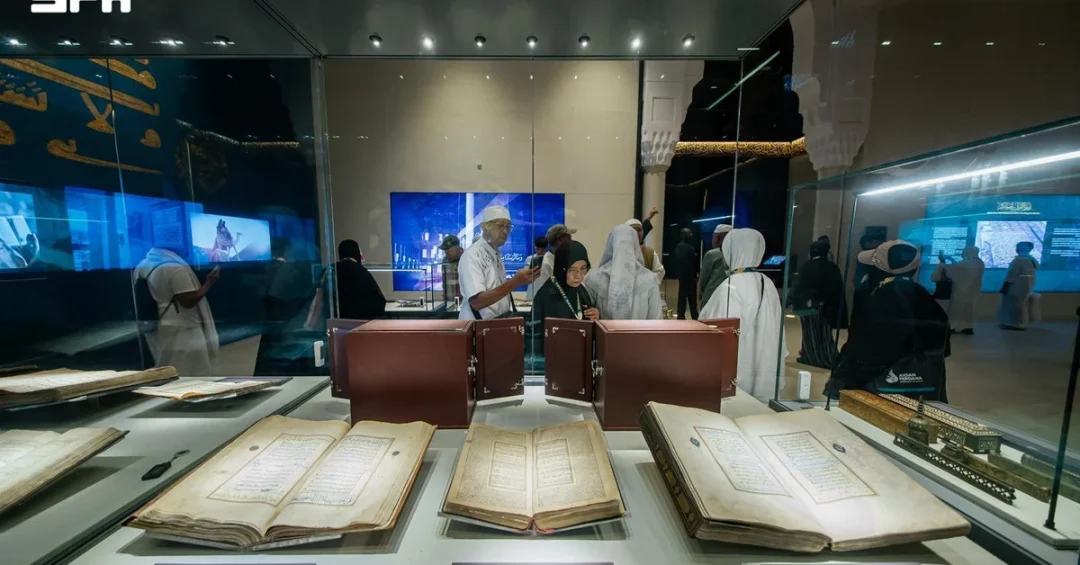
A gilded Chinese Quran box dating back to the 12th century AH (18th century AD) is now on display at the Holy Quran Museum in Makkah’s Hira Cultural District, offering visitors a rare glimpse into the centuries-old tradition of preserving and honoring copies of the Holy Quran. The artifact, announced by the Saudi Press Agency, reflects the historical care devoted to protecting the Holy Book and highlights the decorative arts and craftsmanship associated with containers designed to store it.
The box features a carefully crafted design and intricate decorations adorning its sides, complemented by gilded details that reflect the artistic tastes prevalent during that period. These items held artistic and aesthetic value alongside their primary function of preservation and protection. Its presence in Makkah underscores the global reach of Islamic heritage and the Kingdom’s commitment to safeguarding it for future generations.
Context and Background: A Legacy of Preservation
How did Muslims across different civilizations ensure the Holy Quran was preserved with the reverence it deserves? The answer lies in a long tradition of craftsmanship and care that spans continents and centuries. The Holy Quran Museum in the Hira Cultural District is dedicated to introducing visitors to the Holy Quran, the history of its revelation, writing, and compilation, as well as the stages of development, preservation, and transcription that the Holy Book has undergone throughout the ages. It is one of Makkah’s cultural and educational landmarks, drawing pilgrims and scholars alike.
The gilded Chinese Quran box, dating to the 12th century AH (18th century AD), is a testament to this enduring tradition. It reflects the decorative arts and craftsmanship associated with containers designed to store the Holy Book, items that held artistic and aesthetic value alongside their primary function of preservation and protection. Such artifacts demonstrate that the care for the Quran was not limited to the Arabian Peninsula but extended to Muslim communities in China and beyond, who contributed their own artistic traditions to the service of the Holy Book.
The box’s intricate decorations and gilded details offer a window into the artistic tastes prevalent during that period. They also highlight the universal respect for the Quran, which inspired artisans to create objects of beauty to house the sacred text. The museum’s collection, including this piece, allows visitors to explore various tools and artifacts associated with the history of the Holy Quran, its writing, preservation, and care throughout the ages.
Key Details: Craftsmanship and Display
What makes this gilded Chinese Quran box so significant? The box is a fine example of the decorative arts that flourished in the 12th century AH (18th century AD). Its sides are adorned with intricate decorations, and the gilded details reflect the artistic tastes of the era. The craftsmanship suggests a high level of skill and devotion, as artisans sought to honor the Holy Quran through their work. The box is not merely a container; it is a piece of art that embodies the spiritual and cultural values of its time.
The display of this artifact at the Holy Quran Museum offers a cultural and educational experience that highlights the place the Holy Quran has held in Muslims’ lives and their dedication to preserving and honoring it. Visitors can see firsthand how the Holy Book was protected and revered through the ages. The museum’s collections include various tools and artifacts, each telling a story of devotion and artistry.
The Holy Quran Museum in the Hira Cultural District is dedicated to introducing visitors to the Holy Quran, the history of its revelation, writing, and compilation, as well as the stages of development, preservation, and transcription that the Holy Book has undergone throughout the ages. The museum is a key destination for those seeking to deepen their understanding of Islamic heritage. The gilded Chinese Quran box is one of many treasures that illuminate this rich history.
International and Regional Impact: Bridging Cultures
How does an artifact from China find its way to the heart of Makkah, and what does that say about the global Muslim community? The presence of a Chinese Quran box in Makkah is a powerful reminder of the interconnectedness of the Islamic world. It shows that the reverence for the Quran transcends geographical boundaries and cultural differences. Muslim communities from China to the Arabian Peninsula have contributed to the preservation of the Holy Book, each adding their own artistic flair.
This artifact also highlights the role of Makkah as a global center for Islamic heritage. The Holy Quran Museum, located in the Hira Cultural District, attracts visitors from around the world, including pilgrims performing Hajj and Umrah. By displaying such items, the museum fosters a deeper appreciation for the shared history of Muslims and promotes cultural exchange. It also reinforces Saudi Arabia’s position as a custodian of Islamic heritage and a leader in cultural preservation.
Regionally, the display of the gilded Chinese Quran box contributes to the cultural landscape of Makkah, enriching the experience of visitors and residents alike. It serves as an educational resource, allowing people to learn about the history of the Quran’s preservation and the artistic traditions that grew around it. This aligns with Saudi Arabia’s efforts to promote cultural tourism and enhance the spiritual journey of pilgrims.
Economic and Strategic Significance: Cultural Tourism and Vision 2030
What role do cultural artifacts play in Saudi Arabia’s economic diversification and strategic goals? The Holy Quran Museum and its collections, including the gilded Chinese Quran box, are part of the Kingdom’s broader efforts to boost cultural tourism under Vision 2030. By offering unique and enriching experiences, the museum attracts visitors who are interested in Islamic history and heritage, contributing to the local economy and creating opportunities in the tourism sector.
The museum’s location in the Hira Cultural District, near the Cave of Hira, makes it a natural stop for pilgrims and tourists. The district is being developed as a major cultural and educational hub, with the museum serving as a centerpiece. The display of rare artifacts like the Chinese Quran box enhances the district’s appeal, drawing more visitors and supporting the Kingdom’s goal of increasing tourism’s contribution to GDP. It also showcases Saudi Arabia’s commitment to preserving and promoting Islamic culture.
Strategically, the museum reinforces Saudi Arabia’s soft power by highlighting its role as a guardian of Islamic heritage. It also strengthens ties with Muslim communities worldwide by acknowledging their contributions to Islamic civilization. The gilded Chinese Quran box is a symbol of this shared heritage, and its display in Makkah sends a message of unity and respect.
Vision 2030 Alignment: A Forward-Looking Legacy
How does the preservation of a centuries-old Quran box align with Saudi Arabia’s Vision 2030? Vision 2030 aims to diversify the economy, promote cultural heritage, and enhance the quality of life for citizens and visitors. The Holy Quran Museum and its collections are a direct reflection of these goals. By investing in cultural institutions, the Kingdom is not only preserving its rich history but also creating new opportunities for education, tourism, and cultural exchange.
The museum’s dedication to introducing visitors to the Holy Quran and its history supports the Vision’s focus on education and cultural enrichment. It also aligns with the goal of attracting 100 million visitors annually by 2030, as cultural and religious tourism are key pillars. The gilded Chinese Quran box, with its intricate beauty and historical significance, is a testament to the enduring values that Vision 2030 seeks to uphold: respect for heritage, innovation in presentation, and global engagement.
As Saudi Arabia continues to develop as a global hub for Islamic culture, artifacts like this box will play a vital role in telling the story of the Quran’s preservation. They remind us of the shared commitment of Muslims worldwide to honor the Holy Book. The Holy Quran Museum, through its exhibits, invites everyone to explore this legacy and be part of the future that Vision 2030 is building.
20 Questions
Q1. What is the gilded Chinese Quran box?
A1. It is a 12th-century AH (18th-century AD) artifact designed to store and protect copies of the Holy Quran, featuring intricate decorations and gilded details that reflect the artistic tastes of its time.
Q2. Where is the box currently displayed?
A2. It is displayed at the Holy Quran Museum in the Hira Cultural District in Makkah, Saudi Arabia, among other collections related to the history of the Holy Quran.
Q3. Why is the box significant?
A3. It reflects the historical care devoted to preserving and protecting copies of the Holy Quran, and highlights the decorative arts and craftsmanship associated with containers designed to store the Holy Book.
Q4. What does the box tell us about Muslim communities in China?
A4. It shows that Muslims in China contributed to the preservation of the Quran through their artistic traditions, demonstrating the global reach of Islamic heritage and devotion.
Q5. What materials are used in the box?
A5. The box features gilded details and intricate decorations on its sides, indicating the use of precious materials and skilled craftsmanship typical of the period.
Q6. How does the museum contribute to education?
A6. The Holy Quran Museum offers a cultural and educational experience, introducing visitors to the Quran’s revelation, writing, compilation, and the stages of its preservation and transcription throughout the ages.
Q7. What is the Hira Cultural District?
A7. It is a cultural and educational landmark in Makkah that houses the Holy Quran Museum and other attractions, enhancing the spiritual and cultural experience of visitors and pilgrims.
Q8. How does this artifact align with Saudi Vision 2030?
A8. It supports Vision 2030’s goals of promoting cultural heritage, boosting tourism, and enhancing educational opportunities, contributing to economic diversification and global engagement.
Q9. Who announced the display of the box?
A9. The Saudi Press Agency (SPA) reported the display, highlighting its significance as part of the museum’s collections.
Q10. What can visitors learn from the museum?
A10. Visitors can explore various tools and artifacts associated with the history of the Holy Quran, its writing, preservation, and care, gaining insight into the dedication of Muslims to honor the Holy Book.
Q11. How does the box reflect artistic tastes of the 18th century?
A11. Its carefully crafted design, intricate decorations, and gilded details reflect the artistic preferences and craftsmanship prevalent during the 12th century AH (18th century AD).
Q12. Why is the preservation of the Quran important to Muslims?
A12. The Quran is the holy book of Islam, and its preservation ensures that its message remains intact and revered, reflecting the deep respect and care Muslims have for their faith.
Q13. What other artifacts are in the museum?
A13. The museum houses a variety of tools and artifacts related to the Quran’s history, including manuscripts, calligraphy, and containers used for its protection and display.
Q14. How does the museum attract international visitors?
A14. Located in Makkah, a global destination for pilgrims, the museum draws visitors from around the world who are interested in Islamic history and culture, especially during Hajj and Umrah seasons.
Q15. What is the significance of the box being Chinese?
A15. It demonstrates the diversity within the Muslim world and the shared commitment to preserving the Quran, bridging cultures from China to the Arabian Peninsula.
Q16. How does the display of the box support cultural tourism?
A16. It adds to the appeal of the Hira Cultural District, attracting tourists and pilgrims seeking enriching experiences, thereby contributing to the local economy and Saudi Arabia’s tourism goals.
Q17. What role does the Saudi Press Agency play?
A17. As the official news agency of Saudi Arabia, SPA disseminates accurate information about cultural and governmental developments, including the display of the gilded Chinese Quran box.
Q18. How does the museum honor the Quran?
A18. By preserving and displaying artifacts like the gilded box, the museum honors the Quran’s history and the devotion of Muslims who have cared for it over centuries.
Q19. What can we learn about Islamic craftsmanship from this box?
A19. The box showcases the high level of skill and artistry in Islamic craftsmanship, particularly in creating objects of beauty to house the sacred text, blending function with aesthetic value.
Q20. How does this artifact connect to the present day?
A20. It serves as a reminder of the enduring respect for the Quran and the continuous efforts to preserve Islamic heritage, inspiring current and future generations to value and protect their cultural legacy.
Reader Feedback
We value your thoughts. Please share your feedback on this article.
Your feedback helps us improve our coverage.
Related articles
 Khan Al-Khalil Collectibles Keep Old Jeddah’s Memory Alive
 Two Falcons Sell for SAR388,000 on 17th Night of National Center for Falcons Auction 2026
 Saudi Culture Minister Visits Algiers Book Fair Pavilion
 Saudi Culture Minister Meets Algerian Counterpart in Algiers
 Algerian President Meets Saudi Culture Minister
 Saudi Film Industry Yearbook 2025 Shows Record Growth