


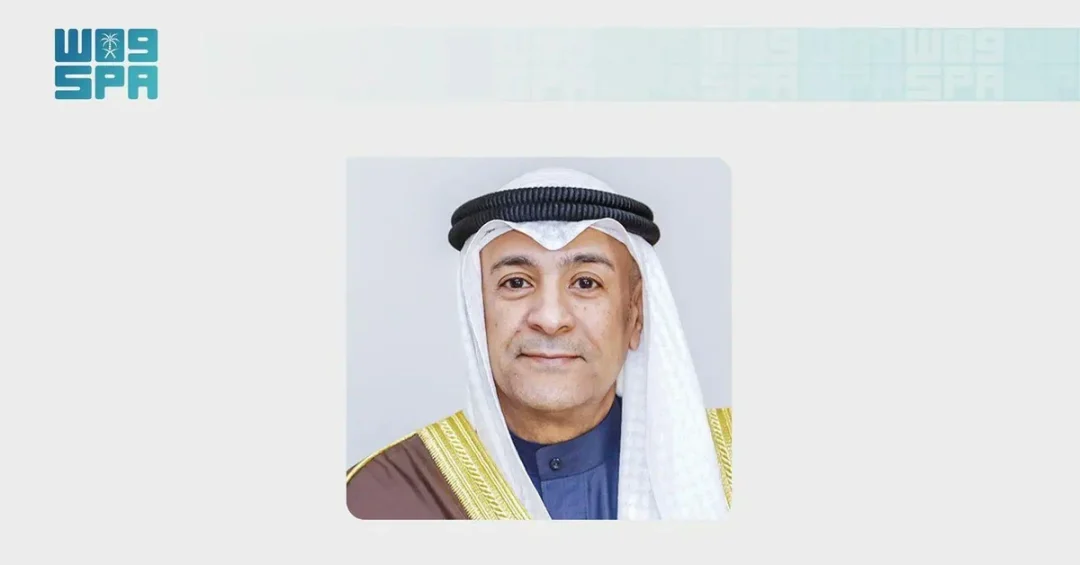
Gulf culture is a fundamental pillar of social cohesion across the Gulf Cooperation Council (GCC) countries, shaping awareness and the future, Secretary General Jasem Mohamed Albudaiwi told the 30th meeting of GCC ministers of culture in Manama, Bahrain, on November 5, 2026. The announcement, carried by the Saudi Press Agency (SPA), underscores a renewed regional commitment to cultural integration and the protection of a shared civilizational heritage.
At a time when the world is navigating rapid technological and social change, the GCC is positioning culture not as a peripheral concern but as a strategic asset for unity and sustainable development. The Secretary General’s remarks came during a high-level gathering that brought together culture ministers from all six member states—Saudi Arabia, the United Arab Emirates, Bahrain, Kuwait, Oman, and Qatar—to advance a common cultural agenda. The meeting highlighted how the region’s deep-rooted traditions and creative industries can drive economic diversification and global engagement, aligning closely with Saudi Arabia’s Vision 2030 and similar national transformation plans across the Gulf.
Context and Background
How did the GCC come to view culture as a cornerstone of its regional strategy? For decades, the Gulf Cooperation Council has focused primarily on economic, security, and political coordination. However, in recent years, member states have increasingly recognized that cultural cohesion is essential for social stability and identity in a globalized world. The 30th meeting of GCC ministers of culture, held in Manama, Bahrain, marks a significant milestone in this evolving approach. It builds on earlier cultural agreements and reflects a growing consensus that the region’s rich heritage—from ancient trade routes to Islamic art and architecture—must be preserved and promoted as a unifying force.
Secretary General Albudaiwi noted that GCC countries share a common history, civilizational heritage, and an established cultural identity that they have successfully preserved while developing cultural institutions and launching initiatives to safeguard heritage and nurture creativity. This shared identity, he argued, is not static but dynamic, evolving with the times while remaining rooted in authentic values. The meeting in Manama thus served as a platform to assess progress and chart a forward-looking course for cultural cooperation, including the development of joint programs and the exchange of expertise among member states.
The timing is particularly significant. As the Gulf region continues to diversify its economies away from oil dependence, culture and creative industries are emerging as vital sectors for job creation, tourism, and international soft power. The GCC’s collective efforts in this domain signal a mature understanding that economic prosperity and cultural vitality go hand in hand. By investing in museums, libraries, festivals, and digital platforms, the member states are not only preserving their past but also building a foundation for future innovation and global influence.
Key Details
What concrete achievements and plans did the Secretary General highlight? Albudaiwi provided a wealth of statistics that illustrate the scale of the GCC’s cultural infrastructure. He noted that member states have approximately 300 museums and more than 170 public libraries. Their cultural events attract over 5.5 million visitors, with more than 8,000 exhibitors and publishing houses participating. These figures demonstrate a vibrant cultural ecosystem that reaches millions of people annually and provides a platform for artists, writers, and creators from across the region and beyond.
Beyond these numbers, the Secretary General emphasized the importance of the GCC Action Plan for Cultural and Creative Industries for 2027–2030. This plan is designed to advance cooperation and implement integrated programs and projects that will strengthen the sector’s contribution to the regional economy. He also highlighted the development of the Gulf Index for Cultural and Creative Industries and the Cultural Statistics Platform. These tools aim to establish a shared information base that supports planning and decision-making, enabling policymakers to measure the cultural and creative sector’s contribution to GCC economies accurately.
The meeting in Manama also provided an opportunity for ministers to discuss ways to enhance cultural and creative integration, with a view to showcasing member states’ civilizational and human heritage at regional and international forums. This includes joint participation in global expos, cultural weeks, and exchange programs that project a unified Gulf identity while celebrating the unique traditions of each nation. Such initiatives are expected to boost cultural tourism, foster cross-border collaborations, and create new opportunities for creative entrepreneurs.
Furthermore, the Secretary General’s remarks underscored the role of cultural diplomacy in strengthening ties with other nations. By presenting a cohesive cultural front, the GCC can engage more effectively with global partners, share its heritage, and learn from others. This approach aligns with the broader goals of the GCC, which seeks to promote peace, stability, and prosperity through dialogue and cooperation.
International and Regional Impact
How will the GCC’s cultural push resonate beyond the Gulf? The emphasis on cultural integration and creative industries is likely to enhance the region’s standing in international cultural forums. With a coordinated strategy, GCC countries can present a united front at events such as UNESCO conferences, global art fairs, and film festivals. This unity amplifies their voice and allows them to showcase the richness of Gulf culture to a wider audience, potentially attracting more tourists, investors, and cultural exchanges.
Regionally, the initiative fosters greater social cohesion among GCC citizens. By promoting shared heritage and common values, it strengthens the bonds that tie the people of the Gulf together. This is particularly important for younger generations, who are increasingly connected to global trends but also seek a strong sense of identity. Cultural programs that engage youth—through education, digital media, and creative competitions—can help bridge traditional and modern influences, ensuring that cultural heritage remains relevant and vibrant.
On the international stage, the GCC’s cultural diplomacy can also contribute to soft power. As the world becomes more multipolar, cultural influence is a key component of global leadership. By investing in cultural and creative industries, the Gulf states are not only diversifying their economies but also positioning themselves as hubs of creativity and innovation. This can attract global talent, foster partnerships with leading cultural institutions, and enhance the region’s image as a dynamic and forward-looking part of the world.
Economic and Strategic Significance
Why does culture matter for the Gulf’s economic future? The cultural and creative industries are increasingly recognized as significant drivers of economic growth. According to global estimates, the creative economy contributes trillions of dollars to the world economy and employs millions of people. For the GCC, developing this sector offers a pathway to diversify revenue streams, create jobs for a growing young population, and reduce reliance on hydrocarbons. The GCC Action Plan for Cultural and Creative Industries for 2027–2030 is a strategic response to this opportunity, aiming to harness the region’s cultural assets for economic benefit.
The Gulf Index for Cultural and Creative Industries and the Cultural Statistics Platform are critical tools in this endeavor. By providing reliable data, they enable governments and private investors to make informed decisions about where to allocate resources. For example, data on museum attendance, book publishing, and event participation can help identify high-growth areas and tailor support accordingly. This evidence-based approach is essential for building a sustainable and competitive creative sector that can compete globally.
Moreover, cultural tourism is a key component of the economic strategy. The region’s museums, heritage sites, and festivals attract millions of visitors each year, generating revenue for hotels, restaurants, and local businesses. By enhancing the cultural offering and promoting it internationally, GCC countries can increase tourist spending and extend the average length of stay. This, in turn, supports the broader goals of economic diversification and job creation outlined in national visions such as Saudi Vision 2030.
Strategically, a strong cultural sector also contributes to national resilience. It fosters a sense of pride and belonging among citizens, which is essential for social stability. In a rapidly changing world, cultural continuity provides a anchor for identity while allowing for adaptation and innovation. The GCC’s collective approach ensures that smaller member states can benefit from shared resources and expertise, while larger states can lead by example.
Vision 2030 Alignment
How does the GCC’s cultural agenda intersect with Saudi Arabia’s Vision 2030? Saudi Vision 2030, launched in 2016, places a strong emphasis on culture as a pillar of national transformation. It aims to preserve and promote Saudi heritage, develop cultural institutions, and grow the creative economy. The establishment of the Ministry of Culture in 2018 and the launch of initiatives such as the Diriyah Gate Project and the Red Sea Film Festival are concrete manifestations of this commitment. The GCC’s cultural cooperation complements these efforts by providing a regional framework for collaboration and knowledge sharing.
Under Vision 2030, Saudi Arabia seeks to increase the contribution of cultural and creative industries to GDP, create jobs, and enhance quality of life. The Kingdom’s participation in GCC cultural initiatives, such as the Action Plan for Cultural and Creative Industries, amplifies its impact. By working with neighbors, Saudi Arabia can share best practices, attract regional talent, and collectively promote Gulf culture to the world. This aligns with the Vision’s goal of positioning the Kingdom as a global cultural hub and a bridge between civilizations.
Furthermore, the emphasis on cultural statistics and indices supports Vision 2030’s data-driven approach to policymaking. The Cultural Statistics Platform will enable Saudi Arabia and its GCC partners to track progress, identify gaps, and measure the return on cultural investments. This is essential for ensuring that resources are used effectively and that the cultural sector contributes meaningfully to economic diversification.
In conclusion, the GCC Secretary General’s remarks in Manama reflect a forward-looking vision for the region—one where culture is not a relic of the past but a living force that shapes the future. By investing in cultural integration, creative industries, and heritage preservation, the GCC is building a more cohesive, prosperous, and influential Gulf. For Saudi Arabia, this regional momentum reinforces its own ambitious cultural transformation under Vision 2030, promising a future where the Kingdom’s rich heritage and creative potential are celebrated both at home and on the world stage. As the GCC moves toward implementing its 2027–2030 cultural action plan, the world can expect to see a more united and vibrant Gulf cultural presence, contributing to global dialogue and understanding.
20 Questions
Q1. What did the GCC Secretary General say about Gulf culture?
A1. Jasem Mohamed Albudaiwi affirmed that Gulf culture is a fundamental pillar of social cohesion in GCC countries, shaping awareness and the future, and stressed the importance of cultural and creative integration.
Q2. Where and when was the 30th meeting of GCC ministers of culture held?
A2. The meeting was held in Manama, Bahrain, on November 5, 2026, with the participation of culture ministers from all GCC member states.
Q3. How many museums and public libraries do GCC countries have?
A3. According to Secretary General Albudaiwi, member states have approximately 300 museums and more than 170 public libraries, reflecting a rich cultural infrastructure.
Q4. How many visitors do GCC cultural events attract annually?
A4. Cultural events in the GCC attract over 5.5 million visitors each year, with more than 8,000 exhibitors and publishing houses participating.
Q5. What is the GCC Action Plan for Cultural and Creative Industries for 2027–2030?
A5. It is a strategic plan to advance cooperation and implement integrated programs and projects that strengthen the cultural and creative sector’s contribution to GCC economies.
Q6. What is the Gulf Index for Cultural and Creative Industries?
A6. It is a tool being developed to measure the cultural and creative sector’s contribution to GCC economies, supporting planning and decision-making.
Q7. What is the Cultural Statistics Platform?
A7. It is a shared information base that supports planning and decision-making by providing reliable data on cultural and creative industries across the GCC.
Q8. How does Gulf culture contribute to social cohesion?
A8. Gulf culture, with its shared history and values, strengthens bonds among citizens, fosters a sense of identity, and promotes unity across GCC member states.
Q9. Why is cultural integration important for the GCC?
A9. Cultural integration allows member states to showcase their civilizational and human heritage collectively, enhancing their presence at regional and international forums.
Q10. What role do creative industries play in GCC economies?
A10. Creative industries are emerging as vital sectors for economic diversification, job creation, tourism, and soft power, reducing reliance on hydrocarbons.
Q11. How does the GCC plan to measure the cultural sector’s economic impact?
A11. Through the Gulf Index for Cultural and Creative Industries and the Cultural Statistics Platform, which provide data to assess the sector’s contribution to GDP and employment.
Q12. What benefits can cultural tourism bring to the GCC?
A12. Cultural tourism can increase visitor spending, create jobs, and support local businesses, while also promoting the region’s heritage globally.
Q13. How does the GCC’s cultural agenda align with Saudi Vision 2030?
A13. Saudi Vision 2030 emphasizes culture as a pillar of transformation; the GCC agenda complements this by fostering regional cooperation and sharing best practices.
Q14. What are some Saudi cultural initiatives under Vision 2030?
A14. Initiatives include the establishment of the Ministry of Culture, the Diriyah Gate Project, and the Red Sea Film Festival, among others.
Q15. How can cultural cooperation enhance the GCC’s global influence?
A15. By presenting a unified cultural front, the GCC can engage more effectively in global forums, attract tourists and investors, and project a dynamic image.
Q16. What is the significance of the 30th meeting of GCC ministers of culture?
A16. It marks a milestone in regional cultural cooperation, reflecting a growing consensus that culture is essential for social stability and economic diversification.
Q17. How do cultural events benefit local communities in the GCC?
A17. They provide opportunities for artists, foster creativity, attract visitors, and generate revenue for local businesses, while strengthening community bonds.
Q18. What challenges does the GCC face in developing its cultural sector?
A18. Challenges include the need for reliable data, investment, and coordination among member states, which the new action plan and platform aim to address.
Q19. How can youth be engaged in cultural preservation?
A19. Through education, digital media, creative competitions, and interactive programs that connect young people with their heritage in innovative ways.
Q20. What is the future outlook for Gulf culture?
A20. With strategic plans like the 2027–2030 Action Plan, Gulf culture is poised to thrive, contributing to economic growth, social cohesion, and global cultural dialogue.
Reader Feedback
We value your thoughts. Please share your feedback on this article.
Your feedback helps us improve our coverage.
Related articles
 Khan Al-Khalil Collectibles Keep Old Jeddah’s Memory Alive
 Two Falcons Sell for SAR388,000 on 17th Night of National Center for Falcons Auction 2026
 Saudi Culture Minister Visits Algiers Book Fair Pavilion
 Saudi Culture Minister Meets Algerian Counterpart in Algiers
 Algerian President Meets Saudi Culture Minister
 Saudi Film Industry Yearbook 2025 Shows Record Growth