


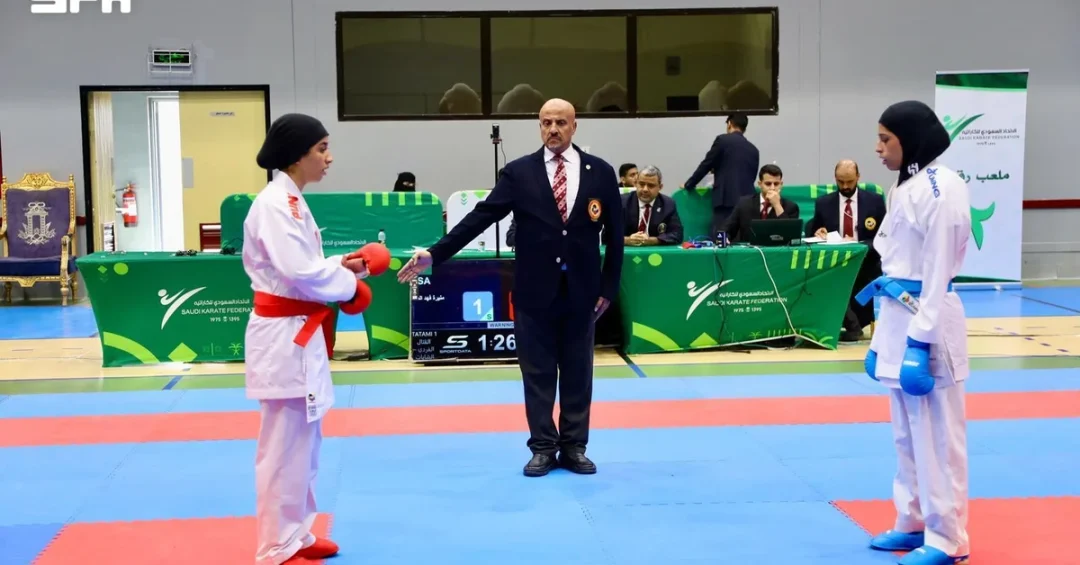
The Saudi Karate Federation concluded the Elite Premier League and Women’s Final Championship on Saturday, November 8, 2026, at the Al-Orobah Club arena in Sakaka, Al-Jouf Region, following three days of high-level competition featuring more than 200 female athletes. The event marked the culmination of the women’s league for the 2026 sports season and showcased the growing depth of women’s karate across the Kingdom, with athletes competing in youth, junior, under-21, and senior categories. Organized under the auspices of the Saudi Karate Federation, the championship underscored the Kingdom’s commitment to expanding opportunities for women in sport, a key pillar of Saudi Vision 2030.
The competition included individual kata events across various divisions and kumite bouts organized by weight class for each age group. Athletes demonstrated exceptional technical skill and competitive spirit, reflecting the significant progress made in women’s karate nationwide. The event concluded with the top-ranked clubs being crowned in the overall standings, recognizing their consistent performance throughout the season. As Saudi Arabia continues to invest in sports infrastructure and grassroots development, championships like this serve as a vital platform for identifying and nurturing talent. How does such a gathering reshape perceptions of women’s athletics in the region? It highlights a broader transformation, where dedication and excellence are celebrated regardless of gender.
Context and Background
Has Saudi Arabia’s investment in women’s sports begun to yield tangible results on the national stage? The Elite Premier League and Women’s Final Championship represents the latest milestone in a sustained effort by the Saudi Karate Federation to elevate the profile of karate, particularly among female athletes. Over the past decade, the Kingdom has undergone a remarkable shift in its approach to sports, with increased funding, specialized training programs, and a growing number of competitions tailored to women. The Al-Jouf Region, traditionally known for its rich history and archaeological sites, has emerged as a vibrant host for sporting events, thanks to its modern facilities and supportive local community. The Al-Orobah Club arena provided an ideal setting for the championship, accommodating athletes, coaches, and spectators in a professional environment.
The federation’s strategy focuses on broadening participation at all levels, from grassroots initiatives in schools to elite competitions such as this one. By organizing events across different regions, the federation ensures that talent is not concentrated in major cities but is discovered and developed nationwide. This inclusive approach aligns with the objectives of Vision 2030, which seeks to enhance the quality of life for all citizens and residents, promote healthy lifestyles, and empower women in every sector. The presence of over 200 female athletes in Sakaka is a testament to the effectiveness of these policies, as it demonstrates a deep pool of competitors who are well-prepared and highly motivated. What does this level of participation say about the future of Saudi sports? It signals a robust pipeline of talent that will likely feed into national teams and international competitions.
Key Details of the Championship
The three-day event featured a comprehensive schedule that catered to different age groups and skill levels. In the kata competitions, athletes performed prescribed forms, demonstrating precision, balance, and power. The kumite bouts, organized by weight class, showcased dynamic sparring, with competitors displaying quick reflexes and strategic thinking. The youth category provided a glimpse of emerging talent, while the junior and under-21 divisions highlighted the depth of the federation’s development programs. The senior category, the pinnacle of the competition, featured seasoned athletes who have represented Saudi Arabia in regional and international tournaments. The overall standings were determined by a points system that rewarded consistency across all events, with the top clubs earning recognition for their comprehensive training regimens.
The Saudi Karate Federation has been instrumental in providing a structured pathway for female athletes, from local clubs to national teams. This championship is part of a broader calendar that includes regional leagues, national championships, and international friendly matches. By concluding the women’s league for the 2026 season, the federation sets the stage for off-season training and preparation for upcoming international events. The athletes’ performances were evaluated by certified referees and judges, ensuring fair play and adherence to World Karate Federation standards. The event also served as a talent identification opportunity, with national team coaches in attendance to scout promising competitors for future squads. How does such scouting impact the athletes’ careers? It offers them a clear route to represent the Kingdom on the global stage, motivating them to push their limits.
International and Regional Impact
Saudi Arabia’s growing emphasis on women’s sports resonates beyond its borders, positioning the Kingdom as a progressive force in the region. The Elite Premier League and Women’s Final Championship attracted attention from international karate federations and sports analysts, who view Saudi Arabia’s initiatives as a model for other countries in the Middle East. By hosting high-quality competitions, the Kingdom demonstrates its capability to organize world-class events, which could lead to more international tournaments being held on Saudi soil. This aligns with the broader strategy of attracting global sporting events, such as the 2034 FIFA World Cup, and enhances Saudi Arabia’s reputation as a hub for athletics. Regional neighbors have taken note, with some expressing interest in collaborating on joint training camps and exchange programs.
Furthermore, the participation of female athletes in karate challenges stereotypes and showcases the Kingdom’s commitment to gender equality in line with Vision 2030. International media coverage of the event highlighted the competitive spirit and technical prowess of Saudi women, contributing to a more nuanced global perception of the country. The success of such championships also boosts the morale of athletes and encourages more girls to take up karate, creating a ripple effect that extends to schools, universities, and local communities. What role does international recognition play in this process? It validates the efforts of the federation and inspires athletes to aim higher, knowing their achievements are acknowledged worldwide.
Economic and Strategic Significance
The economic implications of hosting sports events like the Elite Premier League are substantial. The championship brought together athletes, officials, and spectators from across the Kingdom, stimulating local businesses such as hotels, restaurants, and transportation services in Al-Jouf. This influx of visitors contributes to regional development and showcases the area’s potential as a sports tourism destination. The Saudi Karate Federation’s investment in women’s sports also aligns with the broader economic diversification goals of Vision 2030, which seeks to reduce dependence on oil and create a vibrant society. By promoting sports participation, the Kingdom fosters a healthier population, which can lead to reduced healthcare costs and increased productivity.
Strategically, the championship reinforces Saudi Arabia’s soft power by highlighting its cultural and social progress. Sports diplomacy has become a key tool in the Kingdom’s foreign policy, building bridges with other nations and fostering goodwill. The presence of international observers and media at such events amplifies this effect, presenting Saudi Arabia as a modern, dynamic nation. Moreover, the focus on women’s sports underscores the Kingdom’s commitment to empowering half of its population, a cornerstone of Vision 2030. How does this empowerment translate into economic benefits? By enabling women to participate fully in the workforce and society, Saudi Arabia unlocks new avenues for innovation and growth.
Vision 2030 Alignment
The Elite Premier League and Women’s Final Championship is a direct reflection of Vision 2030’s Quality of Life program, which aims to increase sports participation and promote a healthy lifestyle. The Saudi Karate Federation’s efforts to develop women’s karate are part of a wider initiative to provide equal opportunities and encourage female athletes to excel. This championship not only crowns a season of competition but also symbolizes the Kingdom’s progress in creating an inclusive society where women can pursue their passions and contribute to national pride. By supporting such events, Saudi Arabia demonstrates its dedication to nurturing talent from a young age and building a sustainable sports ecosystem.
Looking ahead, the federation plans to build on this success by expanding the league, increasing the number of participating clubs, and enhancing training programs. These steps will ensure that Saudi women continue to make their mark in karate and other sports, both regionally and internationally. The conclusion of the women’s league for 2026 is not an end but a beginning, as the athletes set their sights on future challenges. With the unwavering support of the leadership and the enthusiasm of the participants, Saudi Arabia is poised to become a global powerhouse in women’s sports. How will this legacy inspire the next generation? It will show them that with determination and the right support, they can achieve greatness on any stage.
20 Questions
Q1. What event did the Saudi Karate Federation conclude on November 8, 2026?
A1. The Saudi Karate Federation concluded the Elite Premier League and Women’s Final Championship, held over three days at the Al-Orobah Club arena in Sakaka, Al-Jouf Region.
Q2. How many female athletes participated in the championship?
A2. More than 200 female athletes competed in the championship, representing youth, junior, under-21, and senior categories across various clubs in Saudi Arabia.
Q3. What categories were included in the competition?
A3. The competition included youth, junior, under-21, and senior categories, ensuring a comprehensive platform for athletes at different stages of their development.
Q4. What types of karate events were featured?
A4. The championship featured individual kata competitions across various divisions and kumite bouts organized by weight class for each age group.
Q5. Where was the championship held?
A5. The championship was held at the Al-Orobah Club arena in Sakaka, located in the Al-Jouf Region of Saudi Arabia.
Q6. What was the significance of this event for women’s karate in Saudi Arabia?
A6. The event marked the conclusion of the women’s league for the 2026 sports season and highlighted the federation’s efforts to develop women’s karate and increase female participation.
Q7. How did the athletes perform in the championship?
A7. The athletes demonstrated a high level of technical skill and competitiveness, reflecting their progress and the effectiveness of training programs.
Q8. Which clubs were recognized at the event?
A8. The top-ranked clubs in the overall standings were crowned, acknowledging their consistent performance throughout the league season.
Q9. What are the Saudi Karate Federation’s goals for women’s karate?
A9. The federation aims to develop women’s karate, increase female athletes’ participation in domestic tournaments, and provide a platform for them to showcase their abilities.
Q10. How does this event align with Saudi Vision 2030?
A10. The event supports Vision 2030’s Quality of Life program by promoting sports participation, empowering women, and fostering a healthy, inclusive society.
Q11. What is the role of the Al-Jouf Region in Saudi sports?
A11. Al-Jouf Region, with its modern facilities like the Al-Orobah Club arena, is becoming a key host for sporting events, contributing to regional development and sports tourism.
Q12. How many days did the championship last?
A12. The championship was held over three days, from November 6 to November 8, 2026, allowing ample time for all categories to compete.
Q13. What is kata in karate?
A13. Kata is a form of martial arts training where athletes perform a sequence of movements, demonstrating precision, balance, and power.
Q14. What is kumite in karate?
A14. Kumite is the sparring component of karate, where athletes compete against each other using controlled techniques, organized by weight class.
Q15. How does the federation identify talent for national teams?
A15. National team coaches attend events like this championship to scout promising athletes and invite them to join training camps and national squads.
Q16. What impact does the championship have on local communities?
A16. The event stimulates local businesses, promotes sports tourism, and inspires young girls to participate in karate, fostering community pride.
Q17. What are the future plans for the women’s karate league?
A17. The federation plans to expand the league, increase participating clubs, and enhance training programs to ensure continued growth and success.
Q18. How does Saudi Arabia support female athletes in karate?
A18. Through funding, specialized training, and organizing competitions, the Kingdom provides equal opportunities and encourages female athletes to excel.
Q19. What message does this championship send internationally?
A19. It showcases Saudi Arabia’s commitment to gender equality and sports development, enhancing its reputation as a progressive nation on the global stage.
Q20. How can aspiring female karate athletes get involved?
A20. They can join local clubs affiliated with the Saudi Karate Federation, participate in regional tournaments, and aim to qualify for national events.
Reader Feedback
We value your thoughts. Please share your feedback on this article.
Your feedback helps us improve our coverage.
Related articles
 Saudi National Team to Begin Training Camp in Qatar Tomorrow
 Sport Minister Inaugurates Mahd Sports Academy Facilities
 Saudi National Team Announces 30-Player Squad for Doha Training Camp
 Saudi Camels Lead Olympic Camel Cup Ahead of Final Day
 Saudi Judges Officiate at IFBB World Championships in Spain
 12 Saudi Shooters Compete at ISSF World Championship in Doha