


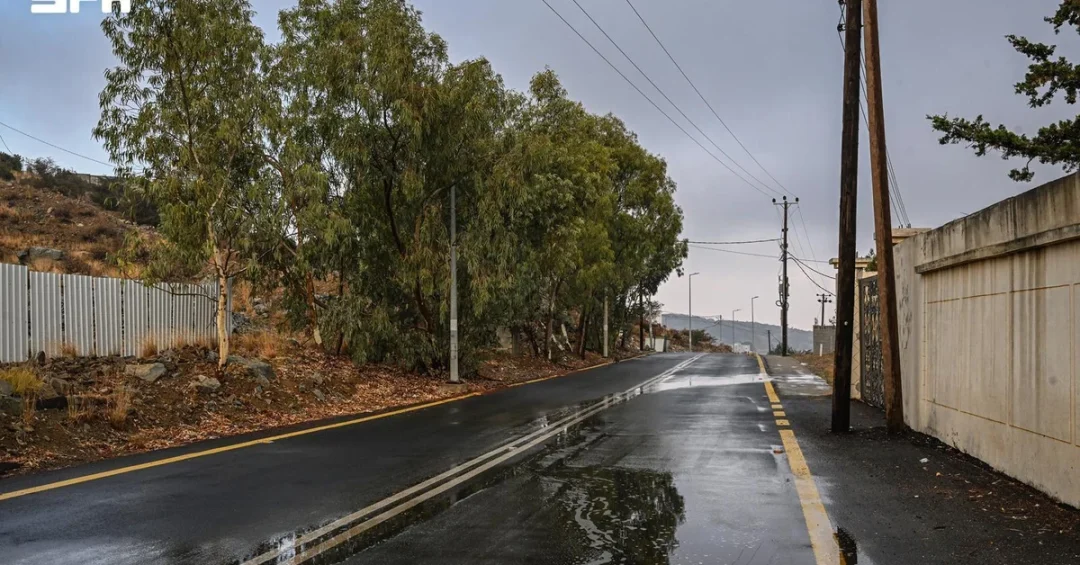
Light to moderate rainfall accompanied by thunderstorms swept across several governorates of Al-Baha Region on November 5, 2026, sending water flowing through the region’s valleys and streams, according to the Saudi Press Agency (SPA). The weather event, reported by SPA at 23:59 local time, affected multiple governorates and their surrounding areas, marking another seasonal shift in the Kingdom’s southwestern highlands. The rainfall, while not classified as severe, brought visible changes to the landscape and offered a timely reminder of the region’s ecological and agricultural importance within the broader context of Saudi Arabia’s environmental and tourism strategies.
Al-Baha, known for its cooler climate and mountainous terrain, often experiences such weather patterns during transitional seasons. The SPA report did not specify the exact volume of rainfall or any damage, but the flow of water through valleys and streams indicates a significant hydrological response. For a region that relies heavily on agriculture and increasingly on tourism, these rains are both a blessing and a test of infrastructure. As Saudi Arabia advances its Vision 2030 goals, understanding and managing such natural events becomes ever more critical for sustainable development and community resilience.
Context and Background
What makes Al-Baha’s geography so distinctive that even moderate rainfall draws national attention? Located in the southwestern part of Saudi Arabia, Al-Baha Region is part of the Sarawat Mountains, a range that stretches along the western coast of the Arabian Peninsula. Its elevation, which reaches over 2,000 meters in some areas, creates a microclimate markedly different from the hot, arid conditions of central and eastern Saudi Arabia. This highland setting is why the region receives more rainfall than most other parts of the Kingdom, particularly during the spring and autumn months when atmospheric instability can trigger thunderstorms.
Historically, Al-Baha has been an agricultural hub, famous for its terraced farms, honey production, and fruit orchards. The region’s valleys, known locally as wadis, are lifelines for these activities. When rain falls, it replenishes groundwater, irrigates crops, and sustains the natural vegetation that supports biodiversity. However, the same rains can also pose challenges, such as flash floods in narrow valleys or soil erosion on steep slopes. The SPA report of November 5, 2026, highlights a routine yet vital natural event that underscores the delicate balance between water as a resource and water as a potential hazard.
In recent years, Saudi Arabia has invested in weather monitoring and early warning systems to mitigate risks associated with heavy rainfall. The National Center of Meteorology (NCM) regularly issues forecasts and alerts, and local authorities in Al-Baha coordinate to ensure public safety. This particular rainfall event, while not severe, fits into a broader pattern of seasonal weather that the Kingdom monitors closely. It also serves as a reminder of the importance of water conservation and management in a country that relies on desalination and groundwater for its needs.
Key Details of the Rainfall Event
According to the Saudi Press Agency, the rain fell across several governorates in Al-Baha Region, including their surrounding areas. While the exact list of governorates was not provided, Al-Baha Region comprises nine governorates: Al-Baha City, Baljurashi, Al-Mandaq, Al-Qura, Al-Aqiq, Bani Hassan, Qilwah, Al-Hajrah, and Ghamid Al-Zinad. The report noted that water flowed through valleys and streams, indicating that the rainfall was sufficient to generate surface runoff. This is a common outcome in the region’s rugged terrain, where rainwater quickly collects in drainage basins and moves downstream.
The thunderstorms that accompanied the rain suggest atmospheric instability, likely caused by the interaction of moist air masses with the mountainous landscape. Such conditions are typical during the transition from summer to winter, when temperature contrasts can trigger convective activity. The SPA report did not mention any casualties or significant damage, which aligns with the moderate intensity of the event. However, even moderate rain can cause localized flooding in areas with poor drainage or where valleys are narrow. Local authorities are typically on alert during such weather, and residents are advised to exercise caution when traveling through affected areas.
What does this mean for daily life in Al-Baha? For farmers, the rain is a welcome boost to soil moisture and a natural irrigation source. For residents, it may mean temporary road closures or delays, but also cleaner air and a refreshed environment. For visitors, it offers a chance to see the region’s famous waterfalls and green landscapes at their best. The event is a reminder that Al-Baha is not just a desert destination but a region of contrasting climates and rich natural heritage.
International and Regional Impact
How does rainfall in a relatively small region of Saudi Arabia resonate beyond its borders? First, it contributes to the Kingdom’s overall water security. Although Al-Baha’s rainfall is a small fraction of Saudi Arabia’s total water budget, every drop that infiltrates the ground or flows into reservoirs reduces the demand on desalination plants and fossil groundwater. In a region where water scarcity is a constant concern, such events are strategically important. They also support the agricultural sector, which, while not a major contributor to GDP, is vital for rural livelihoods and food diversity.
Regionally, the weather patterns that bring rain to Al-Baha are often linked to larger atmospheric systems, such as the Red Sea trough or the Indian Ocean monsoon. These systems can affect other parts of the Arabian Peninsula, including Yemen and Oman, and are monitored by meteorological agencies across the region. Improved understanding of these patterns enhances forecasting accuracy, which benefits aviation, shipping, and public safety. For Saudi Arabia, which hosts millions of pilgrims annually, accurate weather prediction is essential for managing crowds and ensuring safe travel, especially during the Hajj and Umrah seasons.
On the international stage, Saudi Arabia’s commitment to environmental sustainability and climate resilience is increasingly recognized. The Kingdom’s participation in global climate agreements and its own Saudi Green Initiative and Middle East Green Initiative demonstrate a proactive approach. Rainfall events like the one in Al-Baha are not just local news; they are part of the broader narrative of a nation adapting to its natural environment while pursuing ambitious development goals. By sharing such information through official channels like SPA, Saudi Arabia reinforces transparency and contributes to global meteorological data.
Economic and Strategic Significance
What economic value can be derived from a single day of rain? In Al-Baha, the answer is multifaceted. Agriculture, though small-scale, benefits directly. The region is renowned for its production of honey, particularly the famous Al-Baha honey, which commands high prices locally and internationally. Rainfall supports the flowering plants that bees rely on, indirectly boosting this niche industry. Additionally, the region’s fruit farms, including pomegranates, figs, and grapes, depend on seasonal rains to supplement irrigation. A good rainy season can lead to better yields and higher incomes for farmers.
Tourism is another sector that gains from such weather. Al-Baha is promoted as a domestic tourism destination, offering a respite from the heat of other regions. The rain enhances the region’s natural beauty, filling streams and creating temporary waterfalls that attract visitors. The Saudi Tourism Authority has been actively promoting Al-Baha as part of its broader efforts to boost domestic and international tourism under Vision 2030. Events like this rainfall can be leveraged in marketing campaigns to showcase the Kingdom’s diverse landscapes. Moreover, the presence of water in valleys supports recreational activities such as hiking and photography, contributing to the local economy.
Strategically, the rainfall underscores the importance of water infrastructure. Dams and retention basins in Al-Baha and other regions are designed to capture and store rainwater, reducing flood risks and recharging aquifers. The Ministry of Environment, Water and Agriculture (MEWA) has implemented various projects to improve water management, including the construction of small dams and terracing systems. These investments pay off during both dry and wet periods, ensuring that water is available for agriculture, industry, and domestic use. The November 5 event is a small but integral part of this larger water management strategy.
Vision 2030 Alignment
How does a rainstorm in Al-Baha connect to Saudi Arabia’s Vision 2030? At its core, Vision 2030 aims to diversify the economy, improve quality of life, and promote sustainable development. Environmental sustainability is a key pillar, and events like this highlight the need for integrated water resource management. The Kingdom’s National Water Strategy 2030 sets targets for reducing water consumption, increasing desalination efficiency, and enhancing rainwater harvesting. The rainfall in Al-Baha contributes to these goals by naturally replenishing some water sources and raising awareness about the value of every drop.
Furthermore, Vision 2030 emphasizes the development of regions outside major cities. Al-Baha, with its unique cultural and natural assets, is poised to benefit from investments in tourism, agriculture, and infrastructure. The rain enhances the region’s appeal as a destination for eco-tourism and adventure travel, aligning with the goal of attracting 100 million visitors annually by 2030. By showcasing such weather events through official media, Saudi Arabia demonstrates its commitment to transparency and to highlighting the beauty and potential of all its regions. As the Kingdom continues to transform, the rhythms of nature in places like Al-Baha will remain an integral part of its story—a story of resilience, prosperity, and harmony with the environment.
20 Questions
Q1. What caused the rainfall in Al-Baha Region on November 5, 2026?
A1. The rainfall was caused by atmospheric instability typical of the region’s mountainous terrain, where moist air masses interact with high elevations to trigger thunderstorms, as reported by the Saudi Press Agency.
Q2. Which governorates in Al-Baha were affected by the rain?
A2. The SPA report stated that several governorates and their surrounding areas received rain, but did not specify which ones. Al-Baha Region includes governorates such as Al-Baha City, Baljurashi, and Al-Mandaq.
Q3. Was there any damage or casualties reported?
A3. No damage or casualties were reported in the SPA bulletin. The rainfall was light to moderate, and water flowed through valleys and streams without causing significant harm.
Q4. How does this rainfall compare to typical weather in Al-Baha?
A4. Al-Baha receives more rain than most parts of Saudi Arabia due to its high elevation. Such events are common during transitional seasons, though each occurrence varies in intensity and duration.
Q5. What are the benefits of this rainfall for local agriculture?
A5. The rain replenishes soil moisture, supports crop growth, and aids honey production by nourishing flowering plants. It also reduces the need for irrigation, benefiting farmers economically.
Q6. Does this rainfall help with water security in Saudi Arabia?
A6. Yes, every drop contributes to groundwater recharge and surface water storage, lessening reliance on desalination and fossil aquifers, though the overall impact is modest compared to national consumption.
Q7. How does the Saudi government monitor such weather events?
A7. The National Center of Meteorology (NCM) tracks weather patterns and issues forecasts and warnings. Local authorities coordinate to ensure public safety and manage any potential risks.
Q8. What role does the Saudi Press Agency play in reporting weather?
A8. SPA is the official news agency of Saudi Arabia, providing timely and accurate information on weather events and other developments, ensuring transparency and public awareness.
Q9. Can this rainfall impact tourism in Al-Baha?
A9. Yes, the rain enhances the region’s natural beauty, filling streams and creating temporary waterfalls that attract visitors, supporting domestic tourism initiatives under Vision 2030.
Q10. Are there any risks associated with the thunderstorms?
A10. Thunderstorms can pose risks such as lightning and flash floods in valleys. However, in this case, the intensity was moderate, and no incidents were reported.
Q11. How does Al-Baha’s geography contribute to its unique climate?
A11. The region’s high elevation in the Sarawat Mountains creates a cooler, wetter microclimate compared to the rest of Saudi Arabia, making it a distinct ecological zone.
Q12. What infrastructure exists to manage rainwater in Al-Baha?
A12. The Ministry of Environment, Water and Agriculture has built dams and retention basins to capture rainwater, reduce flood risks, and recharge groundwater, supporting sustainable water management.
Q13. Does this event align with Saudi Arabia’s environmental goals?
A13. Yes, it highlights the importance of water conservation and sustainable development, key pillars of Vision 2030 and the Saudi Green Initiative, which aim to enhance environmental resilience.
Q14. How do local residents typically respond to such rainfall?
A14. Residents welcome the rain for its agricultural benefits and the refreshing change in weather, while remaining cautious about potential flooding in low-lying areas, following guidance from authorities.
Q15. What is the significance of water flowing through valleys?
A15. It indicates sufficient rainfall to generate runoff, which can replenish streams and aquifers, supporting ecosystems and agriculture, but also requires monitoring to prevent flash floods.
Q16. How does this rainfall affect the broader Arabian Peninsula?
A16. The weather systems that bring rain to Al-Baha can influence other regions, and data from such events helps improve regional forecasting and climate understanding.
Q17. Are there any historical precedents for this type of event?
A17. Yes, Al-Baha regularly experiences rainfall during spring and autumn. Historical records show similar events, though each varies in scale and impact.
Q18. What should visitors to Al-Baha know during rainy periods?
A18. Visitors should check weather forecasts, avoid valleys during heavy rain, and follow local advisories. The rain can enhance scenic beauty but also requires caution.
Q19. How does Saudi Arabia share weather data internationally?
A19. Through the National Center of Meteorology, Saudi Arabia contributes to global meteorological networks, enhancing climate research and early warning systems worldwide.
Q20. What is the long-term outlook for water management in Al-Baha?
A20. Under Vision 2030, continued investment in water infrastructure and sustainable practices aims to optimize rainwater use, support agriculture, and ensure water security for future generations.
Reader Feedback
We value your thoughts. Please share your feedback on this article.
Your feedback helps us improve our coverage.
Related articles
 King Faisal University Highlights Research Experience at Elsevier Impact 2026 in Spain
 King Salman Royal Reserve Engages Environmental Students
 KSGAAL to Launch Three Projects at Hajj Conference
 Perfume-Making Experience Blends Creativity and Fragrance at Makkah Exhibition
 UNESCO RCQE Builds on Saudi Support to Advance Global Education Quality
 Grand Mosque Sermon Urges Sincerity and Patience