


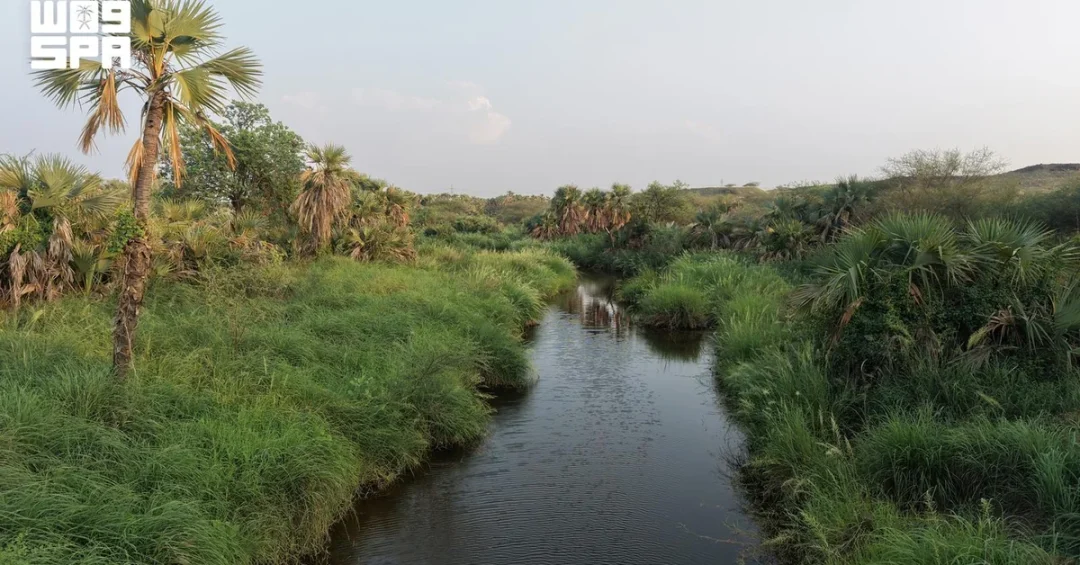
Wadi Al-Ghar, a lush valley in Al-Aydabi Governorate in Saudi Arabia’s Jazan Region, has been highlighted by the Saudi Press Agency (SPA) as a new addition to the Kingdom’s growing nature tourism map. Located about 80 kilometers northeast of Jazan city, the valley is distinguished by towering mountain heights, green spaces, and rural villages nestled among the slopes, offering a pristine destination for nature lovers and adventure seekers. The official announcement underscores Saudi Arabia’s commitment to diversifying its tourism offerings beyond traditional sites and showcasing the rich natural heritage of its southern regions.
Have you ever imagined a place where doum palm trees stand alongside dramatic rock formations, and seasonal rains transform the landscape into a verdant haven? Wadi Al-Ghar is precisely such a destination. As the Kingdom accelerates its Vision 2030 tourism goals, this valley emerges as a testament to the untapped potential of Jazan’s highlands, inviting visitors to explore a side of Saudi Arabia that remains largely undiscovered by international travelers. With its unique botanical identity and serene atmosphere, Wadi Al-Ghar promises a refreshing escape into nature.
Context and Background
What makes Al-Aydabi Governorate a hidden gem within Jazan Region? Situated in the southwest corner of Saudi Arabia, Jazan is known for its fertile plains, mountainous terrain, and rich cultural heritage. Al-Aydabi, about 80 kilometers northeast of Jazan city, is a highland area that has long been cherished by locals for its moderate climate and stunning landscapes. The region’s topography, characterized by towering mountains and valleys interspersed with green spaces, creates a microclimate that supports diverse flora and fauna. This natural wealth has remained relatively off the radar for international tourism until recently, when Saudi authorities began systematically documenting and promoting such sites.
The Saudi Press Agency’s feature on Wadi Al-Ghar is part of a broader effort to illuminate the Kingdom’s natural attractions. Under the Vision 2030 framework, Saudi Arabia aims to increase tourism’s contribution to GDP and attract 100 million visits annually by 2030. While iconic destinations like NEOM and the Red Sea Project capture global headlines, lesser-known areas like Jazan offer authentic, community-based experiences that align with the vision’s emphasis on sustainable and inclusive growth. By spotlighting Wadi Al-Ghar, SPA provides a window into the Kingdom’s commitment to preserving and sharing its environmental treasures.
How does Wadi Al-Ghar fit into Saudi Arabia’s tourism strategy? The valley represents a category of nature tourism that appeals to domestic and regional visitors seeking tranquility and adventure. With its accessible location and striking scenery, it complements other Jazan attractions such as the Farasan Islands and the Al-Qahar Mountains. The official recognition signals that infrastructure improvements and promotional campaigns may follow, further integrating the valley into the national tourism ecosystem. As the Kingdom diversifies its offerings, Wadi Al-Ghar stands as a prime example of how natural assets can be leveraged for economic and social benefit.
Key Details of Wadi Al-Ghar
What exactly does Wadi Al-Ghar offer to visitors? At the heart of the valley’s botanical identity are doum palm trees, known for their dense crowns and drooping fronds that provide natural shade. These trees are not only visually striking but also culturally significant, as doum palms have been used for centuries for food, fiber, and shelter. The valley’s ecosystem also includes wild herbs, shrubs, grasses, and seasonal flowers that flourish according to soil conditions and moisture levels. Seasonal rains send torrents through winding channels, renewing the soil and vegetation cover, and creating a dynamic landscape that changes with the seasons.
For hiking and excursion enthusiasts, Wadi Al-Ghar offers quiet spaces to enjoy fresh air and shade. The valley’s terrain varies from easy walking paths to more challenging slopes, catering to different fitness levels. Photographers are drawn to the changing light and the dramatic transformations between dry and rainy seasons. During the rainy season, the valley comes alive with flowing water and vibrant greenery, while the dry season reveals the rugged beauty of rock formations and the resilience of desert flora. This cyclical pattern makes Wadi Al-Ghar a year-round destination, each season offering a unique perspective.
How accessible is Wadi Al-Ghar for international travelers? Located about 80 kilometers from Jazan city, the valley is reachable by car via regional roads. Jazan itself is served by King Abdullah bin Abdulaziz Airport, with domestic flights from Riyadh, Jeddah, and other major cities. The Saudi Tourism Authority has been improving access to such sites, and the recognition by SPA is likely to spur further development of visitor facilities. While currently a rustic destination, its proximity to Jazan’s urban center makes it feasible for day trips or weekend getaways, appealing to both local and foreign tourists.
International and Regional Impact
Could Wadi Al-Ghar become a magnet for regional tourists? The Middle East’s travel market is increasingly seeking authentic nature experiences, and Saudi Arabia’s southern region offers a compelling alternative to more crowded destinations. For visitors from neighboring GCC countries, Jazan is easily accessible by land and air, and the valley’s unique landscape provides a fresh option for outdoor enthusiasts. The promotion of Wadi Al-Ghar aligns with Saudi Arabia’s efforts to position itself as a year-round destination, not just for religious pilgrimage but for leisure and adventure. As regional travel rebounds, such hidden gems can attract a loyal following.
On the international stage, the valley adds to Saudi Arabia’s growing portfolio of natural wonders. Global travelers interested in ecotourism and geotourism will find Wadi Al-Ghar’s combination of geological formations and botanical diversity intriguing. The Kingdom’s participation in international tourism exhibitions and its relaxed visa policies—including the tourist eVisa for citizens of many countries—make it easier for foreigners to explore beyond the major cities. By showcasing Wadi Al-Ghar, Saudi Arabia signals its readiness to compete in the sustainable tourism arena, where authenticity and environmental stewardship are key differentiators.
Economic and Strategic Significance
What economic benefits can nature tourism bring to Jazan? The development of sites like Wadi Al-Ghar can stimulate local economies through job creation in hospitality, guiding, and transportation. Small businesses, from family-run guesthouses to local food producers, stand to gain as visitor numbers rise. The Saudi government has been investing in regional infrastructure, including roads and utilities, to support such growth. Moreover, tourism can help diversify Jazan’s economy beyond traditional sectors like agriculture and fishing, aligning with Vision 2030’s goal of creating a more resilient and diversified economic base.
Strategically, promoting Wadi Al-Ghar reinforces Saudi Arabia’s soft power and regional leadership. By highlighting its natural beauty and cultural heritage, the Kingdom projects an image of a modern, open society that values its environment. This narrative counters stereotypes and attracts positive attention from global media and influencers. Furthermore, the focus on lesser-known regions demonstrates a commitment to balanced development, ensuring that the benefits of Vision 2030 are shared across all provinces, not just major urban centers. Wadi Al-Ghar thus becomes a symbol of inclusive growth and environmental pride.
Vision 2030 Alignment
How does Wadi Al-Ghar contribute to Vision 2030? The valley’s promotion is a direct reflection of the vision’s pillar of a vibrant society and a thriving economy. By expanding tourism offerings, Saudi Arabia aims to create new opportunities for citizens and residents while preserving its natural and cultural heritage. The Saudi Tourism Authority, under the Ministry of Tourism, has been tasked with developing diverse destinations, and Wadi Al-Ghar fits perfectly into this mandate. It also supports the Quality of Life Program, which seeks to enhance recreational opportunities and promote environmental awareness.
In the long term, Wadi Al-Ghar could become a model for sustainable nature tourism in the Kingdom. With careful planning, it can host visitors without compromising its ecological integrity, thanks to its resilient vegetation and seasonal renewal. As Saudi Arabia continues to open up to the world, destinations like this will play a crucial role in attracting repeat visitors and extending their stays. The valley’s inclusion on the nature tourism map is not just a local triumph but a national one, showcasing the Kingdom’s commitment to a future where economic progress and environmental stewardship go hand in hand. For those seeking an authentic Arabian adventure, Wadi Al-Ghar awaits.
20 Questions
Q1. What is Wadi Al-Ghar and where is it located?
A1. Wadi Al-Ghar is a scenic valley in Al-Aydabi Governorate in the Jazan Region of Saudi Arabia, about 80 kilometers northeast of Jazan city. It is known for its doum palm trees, rock formations, and seasonal streams.
Q2. Why is Wadi Al-Ghar considered a new addition to Jazan’s nature tourism map?
A2. The Saudi Press Agency recently highlighted Wadi Al-Ghar as a notable natural destination, bringing it to the attention of tourism enthusiasts. Its unique landscape and biodiversity make it a valuable addition to the region’s tourism offerings.
Q3. What kind of vegetation is found in Wadi Al-Ghar?
A3. The valley features doum palm trees with dense crowns, wild herbs, shrubs, grasses, and seasonal flowers. These plants thrive according to soil conditions and moisture levels, creating a vibrant ecosystem.
Q4. How do the seasons affect Wadi Al-Ghar?
A4. Seasonal rains send torrents through the valley’s winding channels, renewing soil and vegetation. This creates a dynamic landscape that transforms between dry and rainy seasons, offering different experiences year-round.
Q5. What activities can visitors enjoy at Wadi Al-Ghar?
A5. Visitors can enjoy hiking, nature walks, and photography. The valley provides quiet spaces for relaxation, fresh air, and shade, making it ideal for excursion enthusiasts and families.
Q6. Is Wadi Al-Ghar easily accessible for tourists?
A6. Yes, it is about 80 kilometers from Jazan city and reachable by car. Jazan is served by an international airport, and improved roads make the valley accessible for day trips or weekend visits.
Q7. What is the significance of doum palm trees in the valley?
A7. Doum palms are a striking part of the valley’s botanical identity. They provide natural shade and have cultural and historical importance, as they have been used for food, fiber, and shelter for centuries.
Q8. How does Wadi Al-Ghar contribute to Saudi Arabia’s Vision 2030?
A8. It supports Vision 2030 by diversifying tourism offerings, promoting sustainable development, and showcasing the Kingdom’s natural heritage. It aligns with goals to increase tourism’s economic contribution and enhance quality of life.
Q9. What makes Wadi Al-Ghar unique compared to other Saudi tourist destinations?
A9. Its combination of towering mountains, green valleys, and doum palm groves sets it apart. It offers a serene, off-the-beaten-path experience that appeals to nature lovers seeking authenticity and tranquility.
Q10. Are there any facilities for visitors at Wadi Al-Ghar?
A10. Currently, the valley is a natural site with minimal facilities, preserving its rustic charm. As tourism develops, basic amenities may be introduced in line with sustainable practices.
Q11. What is the best time to visit Wadi Al-Ghar?
A11. The valley is attractive year-round, but the rainy season transforms it into a lush, green paradise. Visitors should check local weather forecasts and plan accordingly for the best experience.
Q12. How does the local community benefit from tourism at Wadi Al-Ghar?
A12. Tourism can create jobs in guiding, hospitality, and local crafts, boosting the local economy. It also encourages the preservation of cultural traditions and environmental stewardship among residents.
Q13. Is Wadi Al-Ghar suitable for families with children?
A13. Yes, the valley offers easy walking paths and safe areas for exploration. Families can enjoy picnics, nature walks, and educational experiences in a peaceful environment.
Q14. What role does the Saudi Press Agency play in promoting such destinations?
A14. SPA is the official news agency of Saudi Arabia, tasked with disseminating accurate information about the Kingdom’s developments. Its features on natural sites help raise awareness and attract visitors.
Q15. Are there any conservation efforts in place for Wadi Al-Ghar?
A15. While specific conservation programs are not detailed, Saudi Arabia’s Vision 2030 emphasizes environmental sustainability. Responsible tourism practices are encouraged to protect the valley’s ecosystem.
Q16. How does Wadi Al-Ghar compare to other wadis in Saudi Arabia?
A16. Each wadi has its own character. Wadi Al-Ghar is distinguished by its doum palms and mountainous setting in Jazan, offering a unique blend of botanical and geological features.
Q17. Can international tourists visit Wadi Al-Ghar?
A17. Yes, Saudi Arabia offers tourist visas to citizens of many countries. International visitors can include Wadi Al-Ghar in their travel itineraries when exploring the Jazan region.
Q18. What is the climate like in Wadi Al-Ghar?
A18. The valley enjoys a moderate highland climate, cooler than the coastal areas. Seasonal rains bring humidity and greenery, while summers are warm but bearable due to the altitude.
Q19. Are there guided tours available for Wadi Al-Ghar?
A19. As tourism develops, local guides may offer tours. Visitors can inquire with tour operators in Jazan or the Saudi Tourism Authority for current options.
Q20. What future developments are planned for Wadi Al-Ghar?
A20. While no specific projects are announced, the recognition by SPA suggests potential infrastructure improvements and promotional efforts to integrate the valley into Jazan’s tourism circuit, in line with Vision 2030.
Reader Feedback
We value your thoughts. Please share your feedback on this article.
Your feedback helps us improve our coverage.
Related articles
 Fog and Rain Draw Visitors to Al-Baha Highlands
 A Night Among Juniper Trees Reveals Another Side of Taif’s Mountains
 Al-Wasm Rains Revive Al-Birk Greenery, Boost Winter Tourism
 Clouds Create Scenic Vistas Along Jeddah Waterfront
 Qilwah Mountains: Al-Baha’s Emerging Ecotourism Hub
 Hot Air Balloons Adorn Skies of AlUla