


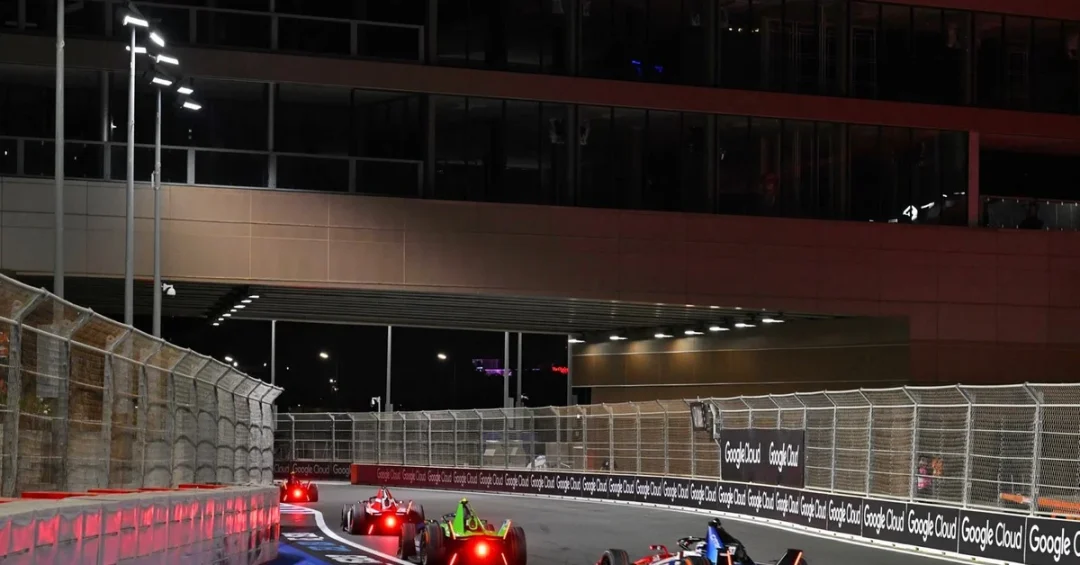
The Jeddah Corniche Circuit has been officially confirmed as the fastest Formula 1 street track in the world, boasting an average speed of approximately 252.8 km/h and top speeds reaching around 322 km/h. According to the Saudi Motorsport Company, this 6.174-kilometer circuit, designed by German engineer Hermann Tilke and his team in collaboration with Formula 1’s motorsport division, stretches along the Red Sea coast and features 27 corners—16 left and 11 right—and holds an official FIA Grade 1 license. Since hosting its inaugural Formula 1 stc Saudi Arabian Grand Prix in 2021 as part of the FIA Formula One World Championship, the circuit has become a cornerstone of Saudi Arabia’s growing motorsport portfolio and a key component of Vision 2030’s ambitions to diversify the economy and elevate the Kingdom’s global standing. But what exactly makes this track the fastest of its kind? And how did it come to redefine the limits of street racing?
The circuit’s record-breaking speed is no accident; it is the result of meticulous design and engineering. With long straights and flowing corners, the layout allows drivers to maintain incredible momentum, creating a spectacle that captivates audiences worldwide. Constructed and prepared in approximately seven months, the venue was equipped with more than 2,000 lighting units to accommodate night racing standards, ensuring that the action is as visible as it is thrilling. The track’s designated drag reduction system (DRS) zones further enhance overtaking opportunities, making every lap a potential game-changer. As Saudi Arabia continues to invest in world-class sporting infrastructure, the Jeddah Corniche Circuit stands as a testament to the Kingdom’s ability to deliver on the global stage. How did this ambitious project come to life in such a short time, and what does it mean for the future of motorsport in the region?
Context and Background
How did the Jeddah Corniche Circuit come to be, and why was it built with such unprecedented speed in mind? The idea for a street circuit in Jeddah emerged as part of Saudi Arabia’s broader strategy to attract major international sporting events and showcase the Kingdom’s modernization under Vision 2030. In 2019, the Saudi Motorsport Company was tasked with creating a track that would not only meet Formula 1’s stringent safety and performance standards but also highlight Jeddah’s stunning Red Sea coastline. The design was entrusted to Hermann Tilke, a renowned German engineer whose firm has designed numerous Formula 1 circuits around the world. Tilke and his team worked in close collaboration with Formula 1’s motorsport division to ensure the layout would deliver high-speed racing while adhering to FIA Grade 1 requirements. The result was a 6.174-kilometer masterpiece that weaves through the city’s corniche, combining the thrill of a street circuit with the speed of a permanent racetrack. But what challenges did they face in transforming an urban landscape into a world-class racing venue?
The construction process was nothing short of remarkable. Completed in approximately seven months, the project required meticulous planning and coordination among local authorities, engineers, and construction teams. The circuit’s location along the Red Sea presented unique opportunities and obstacles: the scenic backdrop enhances the spectator experience, but the coastal environment demanded robust engineering solutions to ensure durability and safety. The track was built to accommodate night racing, with over 2,000 lighting units installed to illuminate the circuit, creating a dazzling visual spectacle for fans and drivers alike. The inaugural Formula 1 stc Saudi Arabian Grand Prix in 2021 marked the circuit’s debut on the FIA Formula One World Championship calendar, instantly earning praise for its challenging layout and electrifying atmosphere. Since then, it has become a fixture on the F1 calendar, drawing top teams and drivers from around the world. How did this rapid development impact Jeddah and Saudi Arabia’s reputation as a host of global events?
Key Details
What are the specific features that make the Jeddah Corniche Circuit the fastest street track in the world? At 6.174 kilometers, it is one of the longest circuits on the Formula 1 calendar, and its 27 corners—16 left and 11 right—are designed to maintain high speeds. The track’s average speed of approximately 252.8 km/h is a testament to its flowing layout, which minimizes sharp turns and instead favors sweeping curves that allow drivers to carry momentum. Top speeds can reach around 322 km/h, particularly on the long straights that run alongside the Red Sea. The circuit’s official FIA Grade 1 license ensures it meets the highest safety and performance standards, a requirement for hosting Formula 1 races. The design by Hermann Tilke and his team, in collaboration with Formula 1’s motorsport division, focused on creating a track that would not only be fast but also promote competitive racing. But how do these design elements translate into the thrilling on-track action that fans witness?
One of the key factors in the circuit’s speed is its extensive use of drag reduction system (DRS) zones. These zones allow drivers to adjust their rear wings to reduce drag, enabling faster straight-line speeds and increased overtaking opportunities. The Jeddah Corniche Circuit features multiple DRS zones, strategically placed to maximize the chances of wheel-to-wheel racing. This, combined with the track’s width and smooth surface, encourages drivers to push the limits, resulting in spectacular maneuvers and unpredictable outcomes. The lighting system, with more than 2,000 units, ensures that night races are as safe as they are visually stunning, with no compromise on visibility. The circuit’s construction in just seven months is a remarkable achievement, reflecting Saudi Arabia’s commitment to delivering world-class infrastructure at record pace. How does the Jeddah Corniche Circuit compare to other famous street tracks like Monaco or Singapore?
Compared to traditional street circuits such as Monaco, which is known for its tight corners and low average speeds, Jeddah stands out for its high-speed character. Monaco’s average speed is typically around 160 km/h, while Singapore’s Marina Bay Street Circuit averages around 180 km/h. Jeddah’s 252.8 km/h average is a significant leap, made possible by its wider layout and longer straights. The circuit’s design also incorporates run-off areas and barriers that meet FIA safety standards, a crucial consideration for high-speed street racing. The combination of speed, safety, and spectacle has made Jeddah a favorite among drivers and teams, who often describe it as one of the most challenging and exhilarating tracks on the calendar. What do drivers and teams say about racing on this circuit?
International and Regional Impact
How has the Jeddah Corniche Circuit influenced Formula 1 and the broader motorsport landscape? Since its debut in 2021, the circuit has played a pivotal role in expanding Formula 1’s presence in the Middle East. It has become a key event on the calendar, attracting global audiences and showcasing Saudi Arabia’s capability to host major international sporting events. The race has also contributed to the growth of motorsport in the region, inspiring a new generation of fans and participants. The circuit’s success has paved the way for other high-profile events in the Kingdom, such as the Dakar Rally and the Formula E championship, further establishing Saudi Arabia as a hub for motorsport. But what does this mean for the region’s sporting and cultural landscape?
Regionally, the Jeddah Corniche Circuit has boosted tourism and economic activity in Jeddah, with the Grand Prix weekend drawing thousands of visitors from around the world. Hotels, restaurants, and local businesses benefit from the influx of fans and media, while the global broadcast of the race showcases Jeddah’s modern infrastructure and hospitality. The event also serves as a platform for cultural exchange, with concerts and entertainment activities complementing the racing action. For Saudi Arabia, hosting such a prestigious event aligns with Vision 2030’s goals of increasing international engagement and promoting the Kingdom as a dynamic and open society. How does the circuit contribute to Saudi Arabia’s broader diplomatic and economic objectives?
Economic and Strategic Significance
What economic benefits does the Jeddah Corniche Circuit bring to Saudi Arabia? The Formula 1 stc Saudi Arabian Grand Prix generates significant revenue through ticket sales, sponsorship, and broadcasting rights. It also creates jobs and supports local businesses, from construction and engineering to hospitality and retail. The event attracts high-net-worth individuals and decision-makers from around the world, providing opportunities for investment and business networking. Moreover, the circuit serves as a catalyst for infrastructure development in Jeddah, including road improvements and public transportation enhancements. The Saudi Motorsport Company has emphasized that the event is part of a long-term strategy to build a sustainable motorsport industry in the Kingdom, with plans to develop local talent and host more international races. How does this align with Vision 2030’s economic diversification goals?
Strategically, the Jeddah Corniche Circuit enhances Saudi Arabia’s soft power and global image. By hosting a premier event like Formula 1, the Kingdom demonstrates its ability to organize world-class events and welcomes millions of viewers to experience its culture and progress. The race also serves as a platform for promoting Saudi Arabia’s tourism offerings, with the Jeddah Season and other initiatives leveraging the Grand Prix’s popularity. The circuit’s location along the Red Sea is particularly significant, as it highlights the Kingdom’s maritime heritage and its ambitions to become a leading destination for leisure and entertainment. As Saudi Arabia continues to invest in sports and entertainment, the circuit stands as a symbol of its modernization and global outreach. What future developments can we expect at the Jeddah Corniche Circuit?
Vision 2030 Alignment
How does the Jeddah Corniche Circuit contribute to Saudi Arabia’s Vision 2030? Vision 2030 aims to diversify the economy away from oil, promote social liberalization, and enhance the Kingdom’s global competitiveness. The circuit and the annual Grand Prix are prime examples of these efforts, attracting international visitors, generating economic activity, and showcasing Saudi Arabia’s capabilities. The event also supports the Quality of Life program, one of Vision 2030’s key initiatives, by providing entertainment options for citizens and residents and fostering a vibrant sports culture. The Saudi Motorsport Company’s investment in the circuit reflects the Kingdom’s commitment to developing world-class infrastructure and hosting global events. Moreover, the circuit inspires youth to pursue careers in motorsport and related fields, contributing to human capital development. How does the circuit embody the spirit of Vision 2030?
Ultimately, the Jeddah Corniche Circuit is more than just a race track; it is a symbol of Saudi Arabia’s transformation. It represents the Kingdom’s ability to innovate, execute complex projects rapidly, and engage with the world on its own terms. As Formula 1 continues to grow in popularity, the circuit will remain a centerpiece of Saudi Arabia’s sporting calendar, drawing fans and showcasing the best of Jeddah. The circuit’s record as the fastest street track in the world is a point of pride for the Kingdom and a testament to the vision of its leadership. With ongoing developments and a commitment to excellence, the Jeddah Corniche Circuit is set to inspire for years to come, driving forward both motorsport and the nation’s ambitious goals.
20 Questions
Q1. What is the Jeddah Corniche Circuit?
A1. The Jeddah Corniche Circuit is a 6.174-kilometer Formula 1 street track located along the Red Sea coast in Jeddah, Saudi Arabia. It is officially recognized as the fastest street circuit in the world, hosting the annual Formula 1 stc Saudi Arabian Grand Prix.
Q2. When did the Jeddah Corniche Circuit host its first Formula 1 race?
A2. The circuit hosted its inaugural Formula 1 race, the stc Saudi Arabian Grand Prix, in 2021 as part of the FIA Formula One World Championship. The event marked Saudi Arabia’s debut on the Formula 1 calendar and was widely praised for its challenging layout.
Q3. Who designed the Jeddah Corniche Circuit?
A3. The circuit was designed by German engineer Hermann Tilke and his team, in collaboration with Formula 1’s motorsport division. Tilke is renowned for designing numerous Formula 1 tracks worldwide, and his expertise ensured the Jeddah circuit met the highest standards.
Q4. What is the average speed of the Jeddah Corniche Circuit?
A4. The average speed is approximately 252.8 km/h, making it the fastest street track in Formula 1. This high average is due to the circuit’s long straights and flowing corners, which allow drivers to maintain incredible momentum throughout the lap.
Q5. What are the top speeds reached at the Jeddah Corniche Circuit?
A5. Top speeds can reach around 322 km/h, particularly on the long straights. These high speeds are achievable thanks to the track’s design, which includes drag reduction system (DRS) zones that reduce aerodynamic drag and boost straight-line velocity.
Q6. How many corners does the Jeddah Corniche Circuit have?
A6. The circuit features 27 corners: 16 left and 11 right. This mix of corners, combined with the track’s width and smooth surface, creates a dynamic and challenging layout that tests drivers’ skills and encourages competitive racing.
Q7. What is the length of the Jeddah Corniche Circuit?
A7. The circuit is 6.174 kilometers long, making it one of the longest tracks on the Formula 1 calendar. Its length, along with its high-speed design, contributes to the thrilling spectacle that fans witness during the Grand Prix weekend.
Q8. What license does the Jeddah Corniche Circuit hold?
A8. The circuit holds an official FIA Grade 1 license, the highest certification for motorsport tracks. This license confirms that the circuit meets the strict safety, design, and performance standards required to host Formula 1 World Championship races.
Q9. How long did it take to construct the Jeddah Corniche Circuit?
A9. The circuit was constructed and prepared in approximately seven months, a remarkable achievement given the complexity of building a street track. This rapid development reflects Saudi Arabia’s commitment to delivering world-class infrastructure efficiently and effectively.
Q10. What lighting system does the circuit use for night races?
A10. The circuit is equipped with more than 2,000 lighting units to accommodate night racing standards. These lights ensure optimal visibility for drivers and create a spectacular visual experience for spectators, both at the track and watching on television.
Q11. What are DRS zones and how do they affect racing at Jeddah?
A11. DRS stands for Drag Reduction System, which allows drivers to adjust their rear wings to reduce drag and increase speed on designated straights. The Jeddah circuit has multiple DRS zones, promoting overtaking and enhancing the competitiveness of the race.
Q12. How does the Jeddah Corniche Circuit compare to other street tracks?
A12. Jeddah is significantly faster than traditional street tracks like Monaco and Singapore, which have lower average speeds due to tighter corners. Jeddah’s wider layout and longer straights allow for higher speeds while maintaining safety standards.
Q13. What is the economic impact of the Jeddah Corniche Circuit?
A13. The circuit brings substantial economic benefits to Jeddah and Saudi Arabia, including revenue from ticket sales, sponsorship, and broadcasting. It also boosts tourism, creates jobs, and stimulates local businesses, aligning with Vision 2030’s economic diversification goals.
Q14. How does the circuit contribute to Saudi Arabia’s Vision 2030?
A14. The circuit supports Vision 2030 by attracting international visitors, showcasing Saudi Arabia’s modernization, and promoting entertainment and sports. It also inspires youth and contributes to human capital development, in line with the Quality of Life program.
Q15. What role did the Saudi Motorsport Company play in the circuit’s development?
A15. The Saudi Motorsport Company oversaw the development of the Jeddah Corniche Circuit, working with Hermann Tilke and Formula 1’s motorsport division. The company continues to manage the circuit and organize the annual Formula 1 stc Saudi Arabian Grand Prix.
Q16. How has the circuit impacted motorsport in the Middle East?
A16. The circuit has elevated the Middle East’s profile in motorsport, attracting global attention and inspiring new fans and participants. It has also paved the way for other events like the Dakar Rally and Formula E, establishing the region as a motorsport hub.
Q17. What safety measures are in place at the Jeddah Corniche Circuit?
A17. The circuit meets FIA Grade 1 safety standards, with extensive run-off areas, barriers, and medical facilities. The lighting system and track design also prioritize driver safety, ensuring that high-speed racing can take place under controlled conditions.
Q18. What is the atmosphere like at the Jeddah Corniche Circuit during a race weekend?
A18. The atmosphere is electric, with night races under thousands of lights creating a stunning visual spectacle. Fans enjoy a festive environment with concerts and entertainment, while the on-track action is thrilling, with high speeds and frequent overtaking.
Q19. How does the Jeddah Corniche Circuit promote Saudi culture?
A19. The circuit serves as a platform to showcase Saudi culture to a global audience. The Grand Prix weekend includes cultural events and hospitality, offering visitors a taste of Saudi traditions and modern achievements, in line with Vision 2030’s openness goals.
Q20. What does the future hold for the Jeddah Corniche Circuit?
A20. The circuit is expected to remain a key fixture on the Formula 1 calendar, with ongoing investments to enhance facilities and fan experience. It will continue to play a vital role in Saudi Arabia’s sporting and economic diversification efforts under Vision 2030.
Reader Feedback
We value your thoughts. Please share your feedback on this article.
Your feedback helps us improve our coverage.
Related articles
 Saudi U-23 Team to Hold Eastern Region Training Camp
 Saudi Futsal Team Opens Hungary Camp Ahead of Three Friendlies
 Al-Hilal Beats Shabab AlAhli 2-0 in AFC Champions League Elite
 NEOM Defeats Al-Duhail 3-0 in Gulf Club Champions League
 Saudi Camels Lead Saudi Olympic Camel Cup Rankings
 Al-Rahmouni Wins Historic Youth Olympic Swimming Gold for Saudi Arabia