


The Saudi Export-Import Bank (Saudi EXIM) has provided SAR43.22 billion in credit facilities through the end of September 2026, marking a 27.12 percent increase compared with SAR34 billion during the same period in 2025, according to an official announcement released via the Saudi Press Agency (SPA). The figures underscore the bank’s expanding role in enabling Saudi non-oil exports and enhancing their competitiveness in global markets, a core objective of Saudi Vision 2030. The credit facilities comprise a range of financing and insurance products designed to bridge financing gaps, mitigate international trade risks, and open new markets for Saudi enterprises.
Is this not a clear signal that Saudi Arabia’s non-oil economy is gaining momentum on the world stage? The growth in credit facilities reflects a deliberate strategy by Saudi EXIM, which operates under the supervision of the National Development Fund (NDF), to support exporters of all sizes. Total export financing disbursements reached SAR11.44 billion, while the value of exports covered by export credit insurance amounted to SAR31.78 billion. Small and medium-sized enterprises (SMEs) accounted for 36.7 percent of the bank’s total client base, highlighting the inclusive nature of this support. These official figures, released by SPA, demonstrate the Kingdom’s commitment to diversifying its economy away from oil and building a resilient, export-driven private sector.
Context and Background
What does the establishment of Saudi EXIM tell us about the Kingdom’s long-term economic vision? Saudi EXIM was created as part of a broader effort to strengthen Saudi Arabia’s non-oil export sector, which is a key pillar of Vision 2030. The bank provides financing, guarantees, and export credit insurance solutions that help Saudi businesses compete internationally. Operating under the National Development Fund, Saudi EXIM works in coordination with other government entities to identify export opportunities and reduce the risks associated with cross-border trade. Its mandate aligns with the Kingdom’s goal of increasing the share of non-oil exports in the national economy.
Since its inception, Saudi EXIM has steadily expanded its portfolio. The jump from SAR34 billion in the first nine months of 2025 to SAR43.22 billion in the same period of 2026 represents a significant acceleration. This growth did not happen by chance; it reflects deliberate efforts to develop credit solutions tailored to the needs of exporters, from large corporations to small and medium-sized enterprises. The bank’s collaboration with local and international financial institutions has also played a crucial role in extending its reach. By mitigating risks and providing necessary liquidity, Saudi EXIM enables Saudi products and services to gain a stronger foothold in competitive global markets.
The context of this growth is also shaped by global economic shifts. As international supply chains evolve and demand for diversified products rises, Saudi exporters are finding new opportunities in Asia, Africa, and Europe. Saudi EXIM’s credit facilities are designed to help them seize these opportunities. The bank’s focus on SMEs is particularly noteworthy, as these enterprises often face greater difficulty in accessing financing for export activities. By supporting them, Saudi EXIM fosters innovation, job creation, and economic resilience, all of which are central to the Kingdom’s development agenda.
Key Details
What specific financial instruments are driving this impressive growth? The SAR43.22 billion in credit facilities includes two main components: export financing disbursements totaling SAR11.44 billion and export credit insurance covering SAR31.78 billion worth of exports. Export financing provides exporters with the necessary capital to fulfill international orders, manage cash flow, and invest in production capacity. Export credit insurance, on the other hand, protects exporters against risks such as non-payment by foreign buyers, political instability, or currency fluctuations. Together, these instruments create a comprehensive support system that reduces the barriers to international trade.
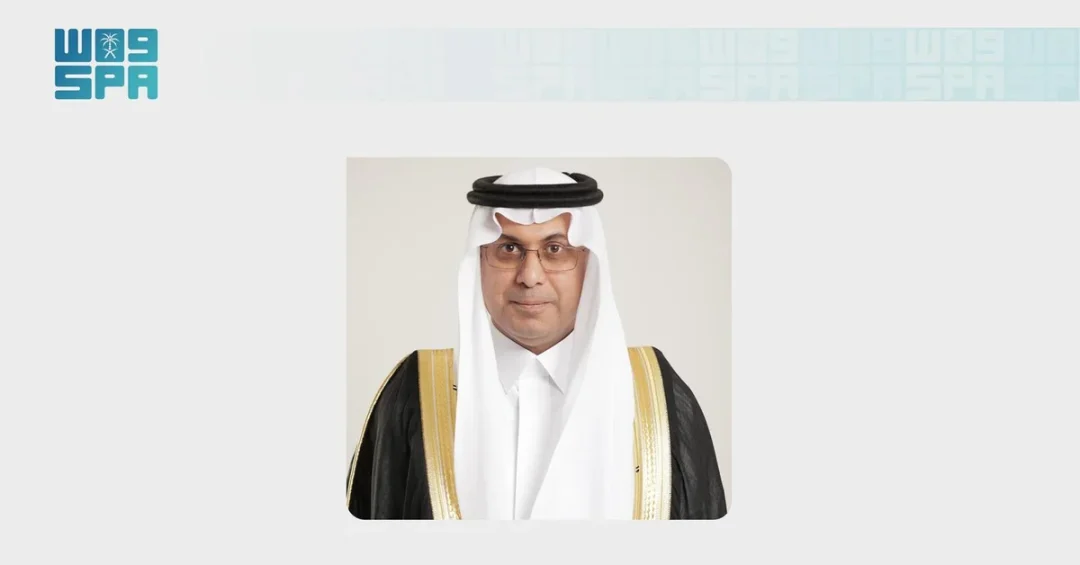
Eng. Saad A. Alkhalb, CEO of Saudi EXIM, commented on the results: “The growth in credit facilities provided through the third quarter of 2026 reflects the bank’s continued progress in implementing its strategy to enable Saudi non-oil exports and enhance their global competitiveness, as these facilities create greater opportunities for Saudi enterprises to grow their export business through integrated credit solutions that help bridge financing gaps, mitigate international trade risks and strengthen their ability to access new markets.” His statement underscores the bank’s proactive approach to meeting the evolving needs of exporters.
He added: “We continue to develop our credit solutions to meet the needs of exporters of all sizes and strengthen cooperation with financial institutions and partners locally and internationally, expanding opportunities for Saudi products and services in global markets and increasing the contribution of non-oil exports to economic diversification and the objectives of Saudi Vision 2030.” This forward-looking vision is backed by concrete actions. The bank’s collaboration with both domestic and international partners ensures that Saudi exporters have access to a wide network of support, from trade finance to market intelligence. The emphasis on SMEs, which make up 36.7 percent of the client base, demonstrates a commitment to inclusive growth and the diversification of the export base.
International and Regional Impact
How does Saudi EXIM’s support for non-oil exports influence the Kingdom’s relationships with global partners? By enabling Saudi businesses to export more competitively, the bank facilitates stronger trade ties with countries across Asia, Africa, Europe, and the Americas. Saudi non-oil exports range from petrochemicals and plastics to food products, metals, and manufactured goods. As these products reach new markets, they build brand recognition for Saudi quality and reliability. This, in turn, attracts further investment and partnership opportunities, creating a virtuous cycle of economic engagement.
Regionally, Saudi EXIM’s activities complement the broader economic integration efforts within the Gulf Cooperation Council (GCC) and the Arab world. Increased Saudi exports to neighboring countries strengthen intra-regional trade and foster economic interdependence. Moreover, the bank’s risk mitigation tools make Saudi exporters more confident in exploring emerging markets, including those in Africa and Southeast Asia, where demand for Saudi goods is rising. This outward-looking strategy aligns with Saudi Arabia’s foreign policy objectives of building bridges and promoting mutual prosperity.
Economic and Strategic Significance
What does the 27.12 percent year-on-year increase signify for Saudi Arabia’s economic diversification? It signals that the non-oil sector is becoming a more dynamic engine of growth. The SAR43.22 billion in credit facilities represents not just a financial figure but a catalyst for job creation, technology transfer, and industrial development. As exporters expand, they invest in advanced manufacturing, logistics, and research and development, contributing to the modernization of the Saudi economy. The focus on SMEs is particularly strategic, as these businesses are often the most innovative and agile, yet they require tailored support to overcome export barriers.
Furthermore, the growth in export credit insurance coverage to SAR31.78 billion indicates that Saudi exporters are increasingly venturing into higher-risk markets, confident in the protection offered by Saudi EXIM. This risk-taking is essential for capturing new opportunities and reducing dependence on traditional markets. The bank’s ability to mobilize financing and insurance at this scale also reflects the strength of Saudi Arabia’s financial institutions and the effectiveness of its regulatory framework. As the Kingdom continues to implement Vision 2030, Saudi EXIM’s role will only grow, serving as a vital link between Saudi producers and global consumers.
Vision 2030 Alignment
How does Saudi EXIM’s performance directly advance the goals of Saudi Vision 2030? One of the core objectives of Vision 2030 is to diversify the economy by increasing the contribution of non-oil exports to the gross domestic product (GDP). Saudi EXIM’s credit facilities are a direct enabler of this goal. By providing financing and insurance, the bank helps Saudi businesses overcome the financial and risk-related obstacles that often hinder export growth. The 36.7 percent share of SMEs in the client base also aligns with the Vision’s emphasis on empowering small and medium-sized enterprises as engines of job creation and innovation.
Looking ahead, Saudi EXIM is expected to continue expanding its portfolio and developing new products to meet the changing needs of exporters. The bank’s collaboration with international financial institutions will further integrate Saudi Arabia into the global trading system. As the Kingdom marches toward 2030, the success of Saudi EXIM will be measured not only in billions of riyals but in the number of Saudi companies that become global players. This, in turn, will strengthen Saudi Arabia’s position as a leading economy and a hub for trade and investment. The figures for the first nine months of 2026 are a promising indication that the strategy is working, and they set a strong foundation for even greater achievements in the years to come.
20 Questions
Q1. What is Saudi EXIM?
A1. Saudi EXIM is the Saudi Export-Import Bank, a government entity operating under the National Development Fund. It provides financing, guarantees, and export credit insurance to support Saudi non-oil exports and enhance their global competitiveness.
Q2. How much did Saudi EXIM provide in credit facilities by the end of September 2026?
A2. Saudi EXIM provided SAR43.22 billion in credit facilities through the end of September 2026, according to an official announcement via the Saudi Press Agency.
Q3. What was the percentage increase compared to the same period in 2025?
A3. The credit facilities increased by 27.12 percent compared with SAR34 billion during the same period in 2025, reflecting significant growth in the bank’s support for exporters.
Q4. What are the main components of the credit facilities?
A4. The facilities include export financing disbursements of SAR11.44 billion and export credit insurance covering SAR31.78 billion worth of exports, offering a comprehensive support system.
Q5. What percentage of Saudi EXIM’s clients are SMEs?
A5. Small and medium-sized enterprises account for 36.7 percent of the bank’s total client base, demonstrating a strong commitment to inclusive economic growth.
Q6. Who is the CEO of Saudi EXIM?
A6. Eng. Saad A. Alkhalb is the CEO of Saudi EXIM. He commented on the bank’s progress and its role in enabling Saudi non-oil exports.
Q7. What did the CEO say about the growth in credit facilities?
A7. Eng. Saad A. Alkhalb stated that the growth reflects the bank’s continued progress in implementing its strategy to enable Saudi non-oil exports and enhance their global competitiveness.
Q8. How does Saudi EXIM help exporters mitigate risks?
A8. Saudi EXIM provides export credit insurance that protects exporters against risks such as non-payment by foreign buyers, political instability, and currency fluctuations, thereby reducing trade risks.
Q9. What is the role of the National Development Fund?
A9. The National Development Fund supervises Saudi EXIM and other development funds, ensuring they align with national objectives and contribute to economic diversification under Vision 2030.
Q10. Why is the growth in credit facilities significant for Saudi Arabia?
A10. It signifies the strengthening of the non-oil sector, which is crucial for economic diversification, job creation, and reducing dependence on oil revenues, in line with Vision 2030.
Q11. How does Saudi EXIM support SMEs specifically?
A11. Saudi EXIM offers tailored financing and insurance solutions to SMEs, helping them overcome barriers to export and integrate into global markets, thus fostering innovation and job creation.
Q12. What types of Saudi non-oil exports are supported?
A12. Saudi EXIM supports a wide range of non-oil exports, including petrochemicals, plastics, metals, food products, and manufactured goods, helping them reach international markets.
Q13. How does Saudi EXIM cooperate with international partners?
A13. Saudi EXIM collaborates with local and international financial institutions to expand financing options, share risks, and provide market intelligence, thereby enhancing the reach of Saudi exports.
Q14. What is the impact of Saudi EXIM’s work on regional trade?
A14. By enabling more competitive Saudi exports, Saudi EXIM strengthens trade ties within the GCC and beyond, promoting economic integration and mutual prosperity in the region.
Q15. How does Saudi EXIM align with Vision 2030?
A15. Saudi EXIM directly supports Vision 2030 by boosting non-oil exports, empowering SMEs, and contributing to economic diversification, which are central goals of the Kingdom’s transformation plan.
Q16. What are the benefits of export credit insurance for Saudi exporters?
A16. Export credit insurance protects exporters from financial losses due to buyer default or political risks, giving them the confidence to explore new markets and expand their international presence.
Q17. How does Saudi EXIM measure its success?
A17. Saudi EXIM measures success through the volume of credit facilities provided, the number of exporters supported, the share of SMEs, and the contribution of non-oil exports to the national economy.
Q18. What challenges do Saudi exporters face in global markets?
A18. Saudi exporters often face financing gaps, international trade risks, and intense competition. Saudi EXIM addresses these by providing integrated credit solutions and risk mitigation tools.
Q19. What is the outlook for Saudi EXIM in the coming years?
A19. Saudi EXIM is expected to continue expanding its portfolio, developing innovative products, and strengthening partnerships to further increase non-oil exports and support Vision 2030.
Q20. Where can I find more information about Saudi EXIM’s activities?
A20. More information is available through official Saudi channels, including the Saudi Press Agency and the Saudi EXIM website, which provide updates on the bank’s initiatives and performance.
Reader Feedback
We value your thoughts. Please share your feedback on this article.
Your feedback helps us improve our coverage.
Related articles
 Saudi Minister Launches Riyadh Agri-Processing Facility
 IsDB Group to Participate in BOE Africa 2026
 Dumat Al-Jandal Concludes Fourth Agricultural Processing Festival
 ZATCA Urges October Withholding Tax Forms by November 10
 Commerce Ministry: Business Accounts for Commercial Use Only
 Eastern Region Municipality Showcases 700+ Investment Opportunities at Women’s Economic Forum 2026